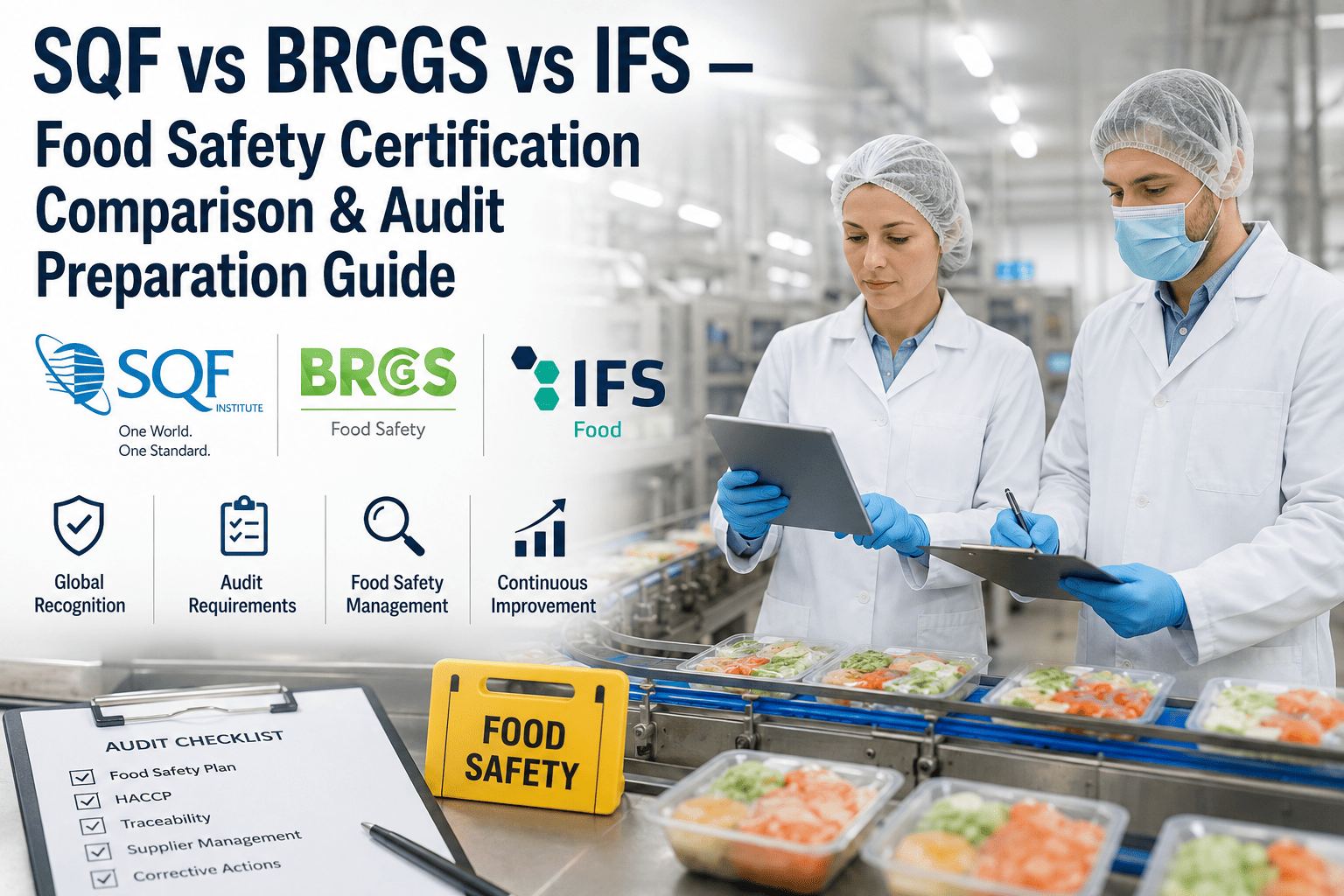
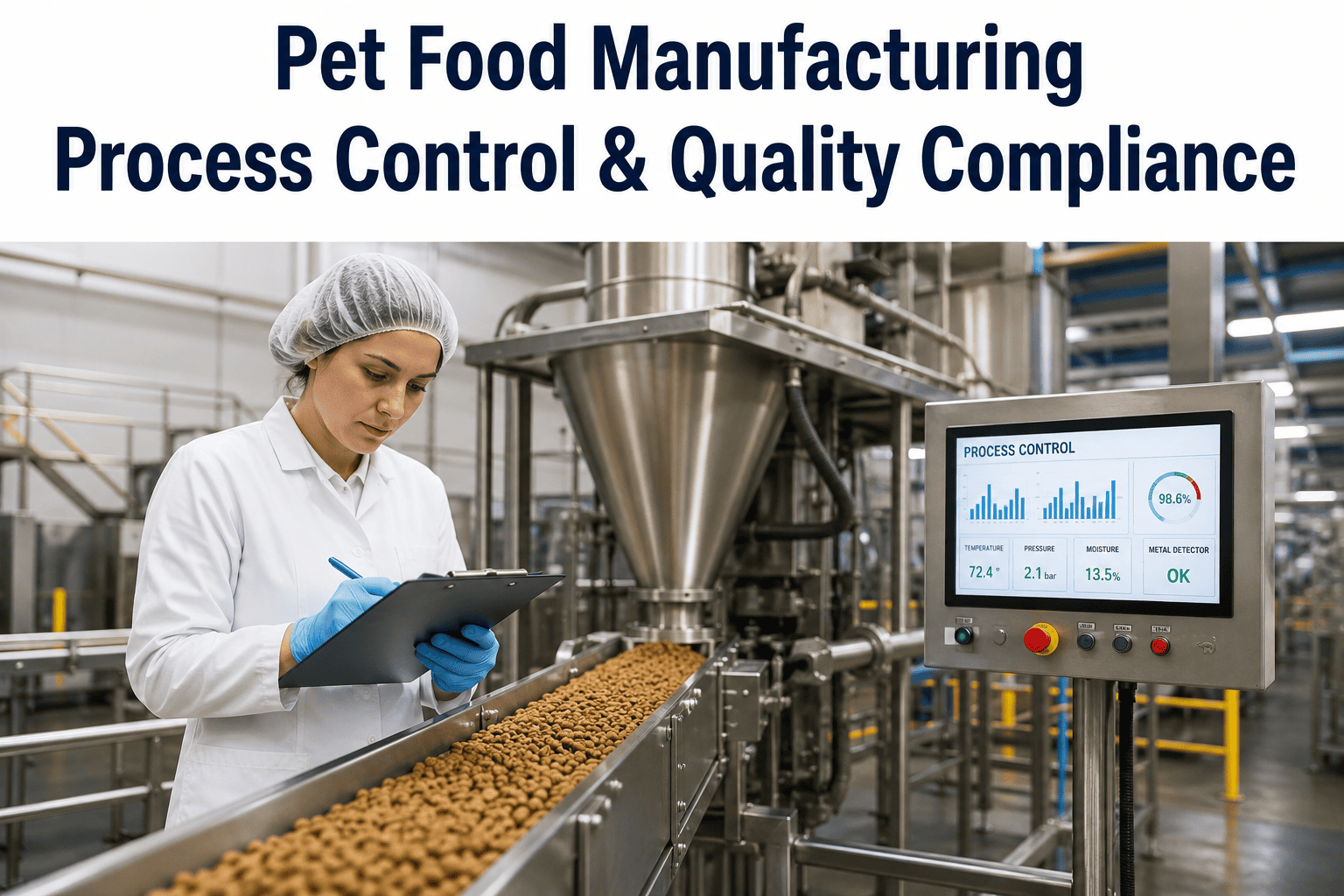
Ask five compliance officers which GFSI-benchmarked certification is right for their facility and you'll likely get five different answers, because the honest answer depends on your customer base, your product category, and how your current documentation already looks. SQF, BRCGS, and IFS all satisfy the same core requirement, proving to retailers and regulators that your food safety system is credible, but the way each scheme structures its audit, scores its findings, and expects you to close corrective actions is genuinely different. Choosing the wrong one, or preparing for the right one the wrong way, tends to show up as unnecessary non-conformances that were entirely avoidable. Compliance officers evaluating which path fits their facility can book a demo to see how audit prep tracking adapts to each scheme's specific requirements.
GFSI CERTIFICATION · SQF · BRCGS · IFS · 2026
SQF, BRCGS, or IFS — Which Certification Actually Fits Your Facility?
Compare scoring structures, audit frequency, and documentation expectations across the three most common GFSI-benchmarked schemes before you commit to one.
Side-by-Side: SQF vs BRCGS vs IFS
| Comparison Point |
SQF |
BRCGS |
IFS |
| Origin & Focus |
US-developed, strong in North American retail |
UK-developed, dominant across European retail |
German and French-developed, strong in EU private label |
| Scoring Model |
Pass or fail with certificate levels 1 to 3 |
Grade AA to D based on non-conformance severity |
Numeric score with star rating, KO clauses can fail the audit outright |
| Audit Frequency |
Annual, unannounced option available at Level 2 and 3 |
Annual, unannounced audits increasingly standard |
Annual, unannounced audits required for higher ratings |
| Corrective Action Window |
Typically 30 days to close major non-conformances |
Typically 28 days for critical and major findings |
Varies by KO clause severity, often 2 to 6 weeks |
What Each Scheme Rewards, and What It Doesn't Forgive
SQF
Rewards documented management commitment and strong food safety culture programs. Least forgiving on gaps in your food safety plan's hazard analysis depth.
BRCGS
Rewards a tightly controlled site and product traceability system. Least forgiving on housekeeping and facility maintenance findings during the walkthrough.
IFS
Rewards precise process control and consistent product specification compliance. Least forgiving on KO clause violations, which can trigger an outright fail.
9
GFSI-benchmarked certification schemes currently recognized, with SQF, BRCGS, and IFS among the most widely adopted
60-70%
Of avoidable non-conformances trace back to documentation gaps rather than actual process failure
3-5 Days
Typical duration of a full GFSI certification audit depending on facility size and scope
AUDIT PREPARATION · GFSI CERTIFICATION · 2026
Get a Gap Analysis Before Your Next Certification Audit
See where your current documentation stands against SQF, BRCGS, or IFS requirements, and close the highest-risk gaps first.
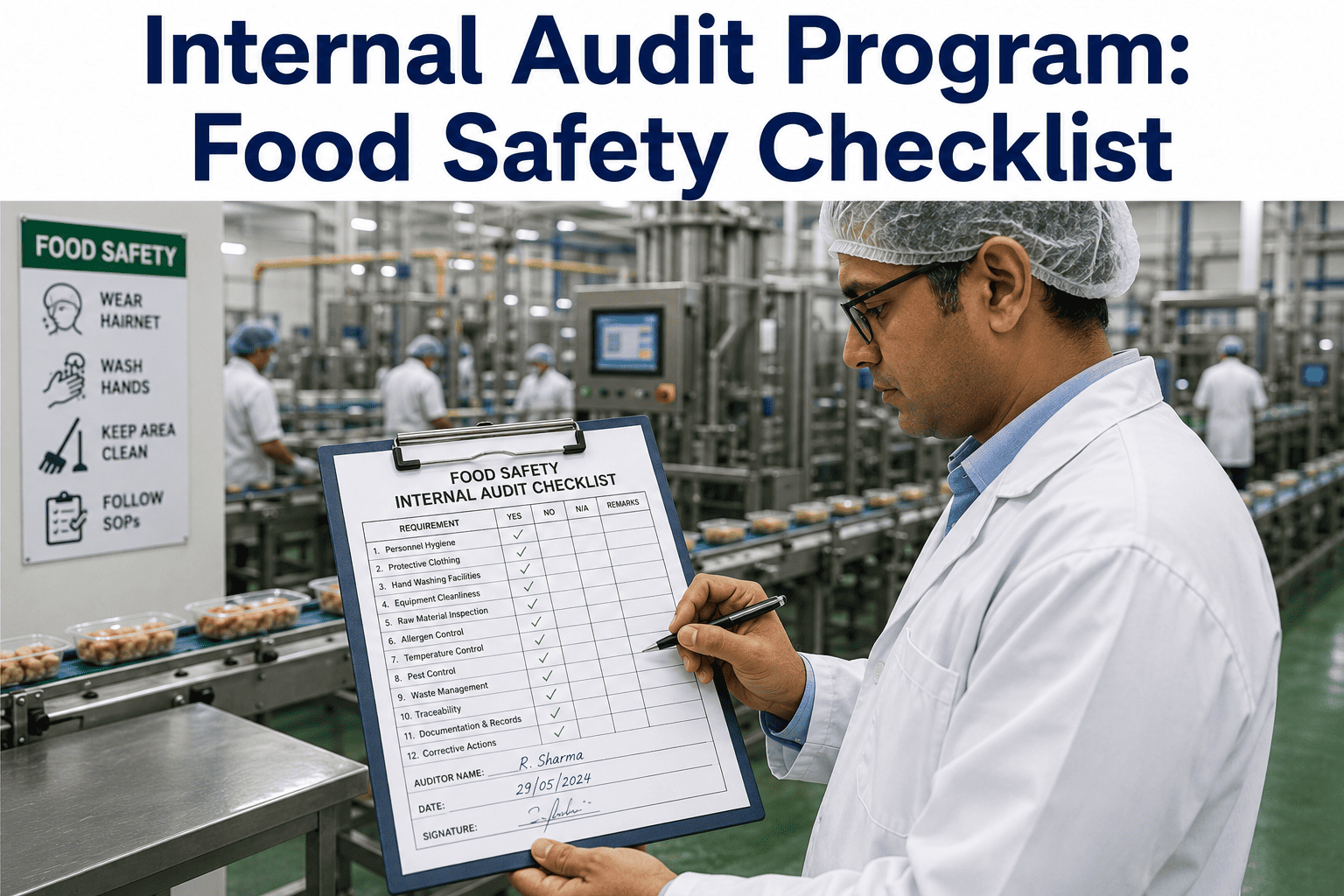
Audit Preparation Checklist Compliance Officers Rely On
Regardless of which scheme you're preparing for, the fundamentals of a clean audit come down to the same handful of areas. Getting these right first tends to eliminate the majority of non-conformances before the auditor even arrives.
1
Food safety plan and HACCP documentation current and signed off within the required review cycle
2
CCP and preventive control monitoring records complete with no unexplained gaps
3
Prior audit corrective actions closed with verification evidence, not just a completion note
4
Traceability and mock recall test completed and documented within the last twelve months
5
Staff training records current for every role tied to a food safety or quality responsibility
Closing Gaps Before the Auditor Arrives
Step 1
Scheme-Specific Gap Analysis
Current documentation is scored against the exact clauses of your chosen scheme, not a generic checklist.
Step 2
Corrective Action Sprint
High-severity gaps are assigned owners and deadlines, with evidence tracked as each item closes.
Step 3
Internal Mock Audit
A simulated audit walkthrough tests both documentation and floor-level staff readiness before the real one.
Step 4
Certification Audit
Walk in with organized, retrievable records and a team that already knows what the auditor will ask.
We switched from BRCGS prep spreadsheets to a system that actually tracked our corrective action deadlines against the scheme's own timeline. Our last audit came back with zero major non-conformances for the first time in four certification cycles.
Compliance Officer, Multi-Site Food Manufacturer
Frequently Asked Questions
GFSI CERTIFICATION · SQF · BRCGS · IFS · 2026
Stay Audit-Ready Every Day, Not Just Before Inspection
See how continuous documentation and corrective action tracking keeps your facility ready for SQF, BRCGS, or IFS at any time of year.