Bridge Painting Lead Coating Replacement and SSPC Specifications
By Grace on June 18, 2026
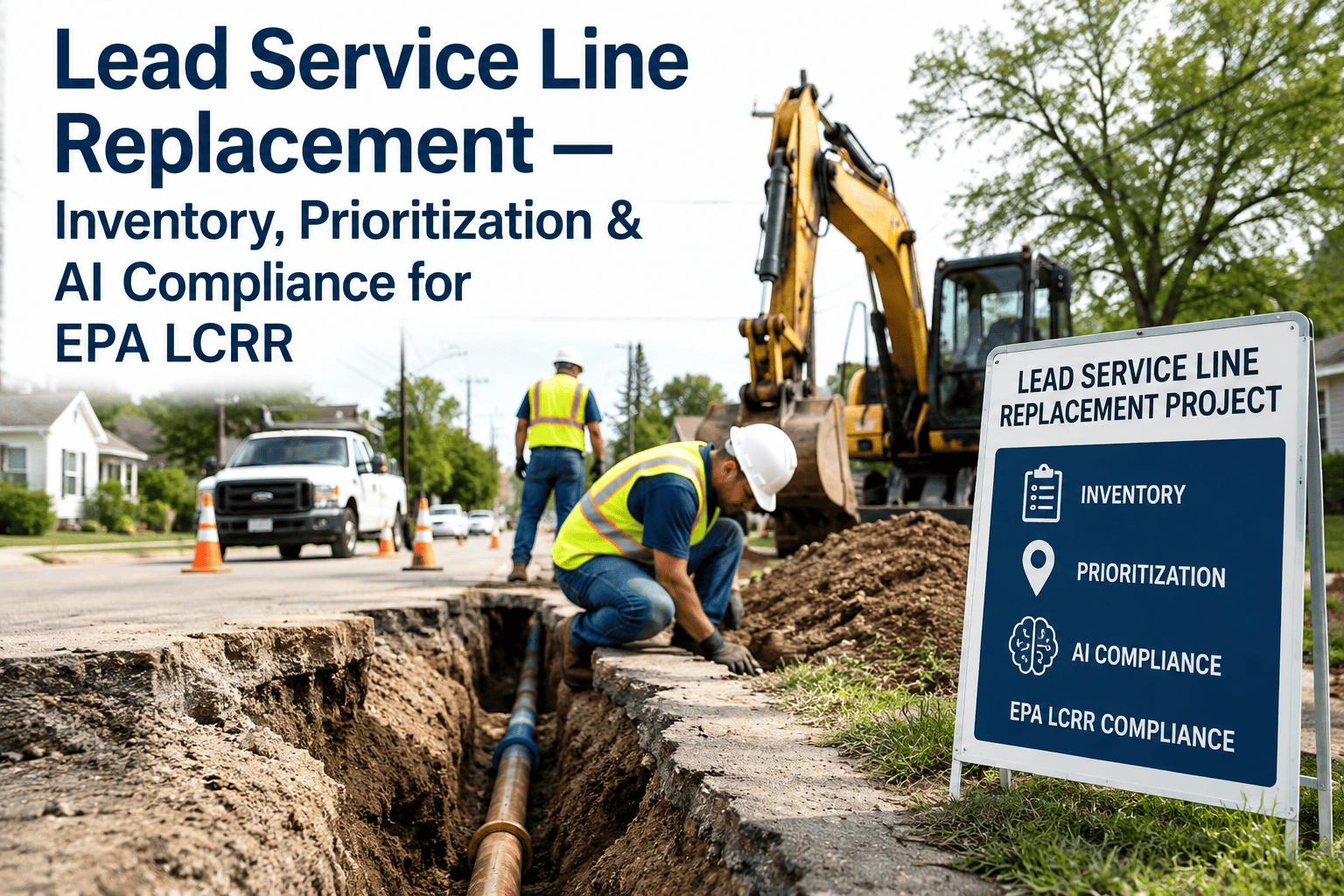
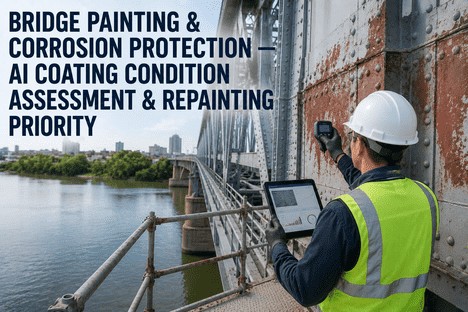
Lead-based paint removal accounts for approximately 50 percent of the total cost of every major bridge painting project in the United States. The remaining 50 percent is split between surface preparation to SSPC SP10 near-white metal blast cleaning, and application of a three-coat zinc-rich primer / epoxy midcoat / polyurethane topcoat system designed to deliver 20 to 30 years of corrosion protection in the most aggressive atmospheric exposure environments. The structural steel coating industry has undergone a fundamental transformation over the past two decades: driven by OSHA lead exposure regulation, RCRA hazardous waste classification for spent abrasive and paint debris, and state DOT specification convergence around SSPC SP10 as the minimum acceptable surface preparation for total coating removal and replacement. Bridge owners who specify a coating system without understanding the containment class, the abrasive type, the surface profile requirements, and the dry film thickness verification protocol will pay for those omissions in change orders, rework, and shortened service life. This guide provides the technical specification framework that bridge engineers need to structure a lead coating replacement project that meets regulatory, performance, and budget requirements.
SSPC SP10 near-white blast · Class 1A containment · Zinc-rich primer · IOZ vs OZ · Polyurethane topcoat · Abrasive recycling · Lead paint disposal RCRA
Lead Paint Removal Is Not the Most Expensive Part of a Bridge Coating Project. the Most Expensive Part Is Specifying a Surface Preparation Standard That Does Not Match the Coating System's Performance Requirements.
iFactory's protective coating asset management platform integrates SSPC specification templates, lead containment planning tools, coating system selection workflows, and dry film thickness verification records — giving bridge engineers a single structured framework for managing coating replacement programmes from specification through service life tracking.
Of total bridge painting project cost attributable to lead paint containment, removal, and RCRA hazardous waste disposal — the single largest cost category in any coating replacement programme
95%
Minimum surface area that must be free of all visible rust, mill scale, and coating under SSPC SP10 near-white metal blast cleaning — verified against SSPC VIS 1 reference photographs
200-500%
Increase in bridge maintenance painting costs over the past two decades driven by OSHA lead containment, EPA waste classification, and SSPC SP10 surface preparation specification requirements
20-30
Year service life expected from a properly specified and applied three-coat zinc-rich primer / epoxy midcoat / polyurethane topcoat system on SSPC SP10 prepared structural steel
The Three Cost Drivers of Every Bridge Coating Replacement Project
Bridge coating replacement costs have risen 200 to 500 percent over two decades, but the increase is not primarily a materials inflation story. It is a regulatory compliance and specification escalation story. Three structural cost drivers now dominate every lead paint removal and recoating project, and each must be addressed in the specification phase because each generates change order risk if underestimated. Understanding these drivers is the precondition for accurate project budgeting and realistic schedule planning.
Driver 01
Lead Containment & Abatement Compliance
SSPC Class 1A containment, OSHA 29 CFR 1926.62, and RCRA hazardous waste disposal
The single largest cost driver in any lead paint removal project is the containment system. SSPC Class 1A containment — a fully engineered enclosure that prevents any visible dust emission beyond the work zone — is the default requirement for dry abrasive blasting on lead-painted structures. The containment must be designed to withstand wind loads, accommodate the bridge geometry, and allow unrestricted access for blasting crews while preventing lead particulate from reaching surrounding roadways, waterways, and residential areas. The containment enclosure alone can represent 15 to 25 percent of total project cost. Below the containment, the environmental monitoring programme — perimeter air sampling, waste classification testing, and disposal documentation — adds another 5 to 10 percent. Spent abrasive and paint debris that tests above the RCRA TCLP threshold of 5 mg/L for lead must be disposed of as hazardous waste, with disposal costs typically 3 to 5 times that of non-hazardous waste. The Commodore Barry Bridge project (DRPA, $220 million) demonstrates the scale: 3,300 linear feet of truss over water, two levels of wind-engineered shielding, and phased containment across five bridge lanes with wind load analysis by specialist consultants.
SSPC Class 1A enclosure required
RCRA TCLP <5 mg/L threshold
Perimeter air monitoring required
Driver 02
Surface Preparation to SSPC SP10
Near-white metal blast cleaning with 1.5–4.5 mil anchor profile and soluble salt limits
SSPC SP10 near-white metal blast cleaning has become the de facto standard for total coating removal and replacement on bridge steel across US state DOTs. The specification requires that 95 percent of every unit area of steel surface be free of all visible rust, mill scale, coating, and foreign matter — verified visually against SSPC VIS 1 reference photographs SP10 A, B, C, or D. The remaining 5 percent may show only light shadows, slight streaks, or minor discoloration. This is a significant escalation from the historic SSPC SP6 commercial blast standard (67 percent clean), driven by the performance demands of modern zinc-rich primer systems, which require intimate contact with bare steel for galvanic cathodic protection to function. Surface profile — the anchor pattern depth — must meet the coating manufacturer's specified range, typically 1.5 to 4.5 mils (38 to 114 microns) for most three-coat systems, verified by replica tape per ASTM D4417 Method C. Soluble salt contamination on the blasted surface must not exceed 7 micrograms per square centimeter per SSPC SP12 SC-2. Typical production rates for recyclable steel grit blasting to SP10 are approximately 200 square feet per man-hour.
95% surface cleanliness minimum
1.5–4.5 mil anchor profile
<7 microg/cm2 soluble salts
Driver 03
Coating Material & Application Quality
Three-coat zinc-rich system and DFT verification per SSPC PA 2
The standard three-coat system — inorganic zinc-rich primer (75 microns DFT), high-build epoxy intermediate coat (125 microns DFT), and aliphatic polyurethane topcoat (75 microns DFT) — delivers total dry film thickness of approximately 275 microns and a 20 to 30 year service life when applied over properly prepared SSPC SP10 steel. The cost of the coating materials themselves is typically 10 to 15 percent of total project cost. The larger cost is in application quality: each coat requires environmental monitoring (temperature, humidity, dew point), wet film thickness checks during application, and dry film thickness measurement per SSPC PA 2 after curing. For the inorganic zinc primer, a minimum 18 to 24 hour cure time is required before the epoxy midcoat can be applied unless a waterborne inorganic zinc formulation is used. Recent developments in two-coat polysiloxane systems offer reduced application time — the inorganic finish can be applied within two hours of the zinc primer — and experimental data from the University of Dayton shows polysiloxane two-coat systems matching or exceeding the adhesion and corrosion performance of conventional three-coat systems.
275 micron total DFT three-coat
SSPC PA 2 thickness verification
18-24 hr IOZ cure before midcoat
SSPC SP10 vs SP6 · Zinc primer cure time · Anchor profile · Soluble salt testing · Coating DFT · Lead waste classification
A Coating System Is Only as Good as the Surface It Bonds To. Every Dollar Saved on Surface Preparation Is Borrowed From the Coating Service Life — With Interest.
iFactory provides specification-ready templates for every stage of bridge coating replacement — from lead paint testing protocols through containment design parameters, SSPC surface preparation standards, coating material selection, and inspection documentation — all structured to reduce change order risk and extend coating service life.
SSPC Surface Preparation Standards — The Specification Hierarchy for Bridge Steel
The SSPC surface preparation standards form a cleanliness hierarchy from brush-off blast cleaning (SP7) through white metal blast cleaning (SP5). For bridge coating replacement projects involving total removal of existing lead-based paint systems, the specification decision typically narrows to SSPC SP10 near-white metal blast cleaning versus SSPC SP6 commercial blast cleaning. The industry trend over the past 15 years has been a decisive shift toward SP10, driven primarily by the performance requirements of zinc-rich primer systems and the high cost of coating failure on inaccessible bridge steel. Understanding the practical difference between these standards — and the cost implications of specifying one over the other — is essential for bridge engineers writing coating specifications.
Standard
NACE / ISO Equivalent
Surface Cleanliness
Typical Bridge Application
SP5 White Metal
NACE 1 / ISO Sa 3
100% free of all visible residues, stains, shadows
Immersion service, buried steel, thermal spray metalizing primer
SP10 Near-White Metal
NACE 2 / ISO Sa 2.5
95% clean; random staining on 5% of each unit area
Standard for three-coat zinc-rich system on bridge steel — most common DOT specification
SP6 Commercial Blast
NACE 3 / ISO Sa 2
67% clean; staining on 33% of each unit area
Overcoating, moderate atmospheric service, non-immersion — increasingly rare for new bridge coating
SP7 Brush-Off Blast
NACE 4 / ISO Sa 1
Loose material removed only
Spot repair, low-service maintenance overcoating only
SP14 Industrial Blast
NACE 8 / none
Between SP6 and SP10
Surface-tolerant coatings, specific maintenance situations with trace rust in pits accepted
The Three-Coat Zinc-Rich System — Material Selection and Application Sequence
The three-coat zinc-rich primer / epoxy / polyurethane system is the dominant coating specification for structural steel bridges across North America, referenced in AASHTO M300, FHWA bridge coating technical notes, and virtually every state DOT standard specification for new and replacement bridge painting. Each of the three coats performs a distinct function in the corrosion protection system, and each has specific material properties, application parameters, and quality control requirements that the specifying engineer must understand.
Coat 01 — Primer
Inorganic Zinc-Rich Primer (IOZ)
The IOZ primer provides galvanic cathodic protection to the steel substrate. At >80 percent zinc by weight in the dried film, the zinc particles form a conductive matrix that corrodes preferentially to the steel at any holiday, scratch, or edge. The cured film is harder and more damage-resistant than hot-dip galvanising. Applied at 75 microns minimum DFT over SSPC SP10 prepared steel with 1.5 to 4.5 mil anchor profile. Requires 18 to 24 hour moisture cure — verified by 50 MEK rubs per ASTM D4752 achieving a rating of 4 — before overcoating with epoxy midcoat. Some waterborne IOZ formulations offer reduced cure time.
DFT: 75 microns min. Curing: 18-24 hr moisture cure.
Coat 02 — Midcoat
High-Build Epoxy Intermediate Coat
The epoxy intermediate coat serves as the primary diffusion barrier against moisture, oxygen, and chloride ions reaching the steel substrate. High-build epoxy formulations achieve the required thickness in one or two coats, typically 125 microns minimum DFT. The epoxy must be compatible with the specific IOZ primer formulation — some organic zinc primers allow same-day overcoating, while inorganic zinc primers require the full cure cycle. The epoxy layer also provides the adhesion base for the polyurethane topcoat and contributes mechanical abrasion resistance. Application over IOZ primer that has not fully cured can result in solvent entrapment, pinholing, and intercoat adhesion failure.
DFT: 125 microns min. Barrier layer — moisture and chloride protection.
Coat 03 — Topcoat
Aliphatic Polyurethane Finish Coat
The polyurethane topcoat provides UV resistance, gloss and colour retention, and an additional diffusion barrier. Aliphatic polyurethanes are the standard choice for bridge steel exposed to sunlight, offering 5 to 10 years of gloss retention before significant chalking occurs. Applied at 75 microns minimum DFT, the polyurethane topcoat brings the total system DFT to approximately 275 microns. Waterborne acrylic topcoats are used by some agencies (Iowa DOT, for example) as lower-VOC alternatives, though with reduced chemical resistance compared to solventborne polyurethanes. Emerging two-coat systems replace the epoxy-plus-polyurethane with a single polysiloxane topcoat applied over the zinc primer within two hours, offering comparable corrosion performance with reduced application time.
DFT: 75 microns min. UV and weather resistance layer.
"
We inherited a specification that called for SSPC SP6 commercial blast on a 1.2 million square foot bridge containing lead paint. The contractor's bid assumed SP6, but during pre-bid the owner's engineer changed the specification to SP10 based on coating manufacturer recommendations. The contractor submitted a change order for $3.8 million — the difference between 67 percent and 95 percent surface cleanliness over that area. That is the real-world cost of changing a surface preparation standard after contractors have priced the work. The lesson was clear: specify the cleanliness standard before the bid, verify that the coating system requires that standard, and do not assume that a lower standard saves money if the coating fails five years earlier.
— Senior Coating Engineer, Major US Toll Bridge Authority — 500,000+ SF Steel Coating Programme Under Management
Conclusion
Lead paint removal and coating replacement on structural steel bridges is the most capital-intensive maintenance operation a bridge owner performs, with unit costs that have escalated 200 to 500 percent over the past two decades under the combined weight of OSHA lead containment regulation, RCRA hazardous waste classification, and specification migration from SSPC SP6 commercial blast to SSPC SP10 near-white metal blast cleaning. The three cost drivers — containment engineering and lead abatement compliance, surface preparation to near-white metal standard with anchor profile and soluble salt verification, and three-coat zinc-rich system application with DFT quality control — each need to be addressed at the specification stage, not discovered during construction through change orders that erode project budgets and extend schedules.
The industry data is decisive on the specification question: every major investigation of premature bridge coating failure identifies inadequate surface preparation as the primary root cause. The cleanability test is the most reliable predictor of coating service life that bridge engineers have, and it costs nothing to include in the specification. The shift from SP6 to SP10 is not a regulatory requirement — it is a performance requirement driven by the electrochemical demands of zinc-rich primer systems that dominate modern bridge coating specifications. For bridges in aggressive environments — coastal salt exposure, heavy deicing chemical application, high industrial atmospheric corrosivity — the additional cost of SP10 over SP6 is recovered in the first avoided maintenance cycle. For bridges in benign environments with low traffic volumes, SP6 may still be adequate, but the specifying engineer should make that determination deliberately rather than by default.
iFactory's protective coating asset management platform provides bridge engineers with structured specification templates covering every stage of the coating replacement workflow — from lead paint testing and containment class selection through SSPC surface preparation standards, coating material selection, application quality control, and service life tracking. Book a Demo to see the platform configured for your bridge inventory data, or talk to an expert about a free coating specification review for one lead-painted bridge in your network.
Frequently Asked Questions
The acceptance difference is quantified by the permitted staining percentage. SSPC SP6 permits staining on up to 33 percent of each unit area of surface, while SSPC SP10 limits staining to 5 percent. In practical inspection terms, this means that under SP6, an inspector can accept a surface where roughly one-third of each square inch shows light shadows, streaks, or discolorations from rust or mill scale. Under SP10, the same inspector must reject any surface where the staining exceeds 5 percent of each unit area. Both standards are verified against SSPC VIS 1 reference photographs. The inspection is visual only — no measurement instrument is used for cleanliness determination. However, SP10 also carries supplementary requirements that SP6 does not: anchor profile verification per ASTM D4417 Method C using replica tape, and soluble salt testing per SSPC SP12 SC-2 with a maximum limit of 7 micrograms per square centimeter of chloride. A surface that passes the SP10 visual test but exceeds the soluble salt limit does not comply with the full SP10 specification — both the cleanliness and the contamination criteria must be satisfied. Talk to an expert about configuring inspection checklists for your coating specification.
The determining factor is the Toxicity Characteristic Leaching Procedure (TCLP) test result for lead content in the combined spent abrasive and paint debris waste stream. Under RCRA, if the TCLP result exceeds 5.0 mg/L for lead, the waste is classified as characteristic hazardous waste (EPA waste code D008) and must be transported, handled, and disposed of at a permitted hazardous waste facility. If TCLP is below 5.0 mg/L, the waste may be classified as non-hazardous and disposed of at a solid waste landfill — though state-specific regulations may impose additional requirements. The TCLP result is determined by the lead content of the existing paint, the abrasive-to-paint ratio in the waste stream, and the abrasive type. Recyclable steel grit abrasives generate less total waste volume than expendable abrasives, and some abrasive types (garnet, for example) test below the TCLP threshold even on lead-painted bridges if the paint-to-abrasive ratio is favourable. Pre-project scrape testing of the existing paint system for total lead content provides an indicator — paint with total lead above 5,000 mg/kg typically produces hazardous waste, but only the TCLP on the actual waste stream provides the regulatory classification. Pre-project characterisation samples can be collected from similar structures to develop a waste classification profile for budgeting. Book a Demo to see waste classification tracking tools integrated with coating project planning.
The application envelope for all three coats is defined by the coating manufacturer's technical data sheet, but standard parameters include: surface temperature at least 5 degrees Fahrenheit above the dew point (to prevent condensation), ambient temperature between 50 and 100 degrees Fahrenheit, relative humidity below 85 percent, and wind conditions that do not compromise application quality or containment effectiveness. For inorganic zinc primers, the moisture cure mechanism requires a minimum relative humidity of approximately 40 percent for proper curing — too dry and the cure is retarded, too wet and the surface may flash rust before the midcoat is applied. The most common application defects from out-of-envelope application are: solvent entrapment and pinholing (midcoat applied over insufficiently cured IOZ primer), intercoat adhesion failure (surface contamination or moisture between coats), amine blush on epoxy midcoat (applied below 50 degrees Fahrenheit or at high humidity), and solvent pop in polyurethane topcoat (excessive film thickness or trapped solvent). Each of these defects shortens the coating system service life and typically requires costly spot repair or full-area remediation. Ambient conditions must be monitored continuously during application windows and recorded in the quality control documentation for audit trail purposes. Talk to an expert about environmental monitoring integration with coating inspection workflows.
The anchor profile range is specified by the coating manufacturer for each specific IOZ primer product — it is not determined by the bridge engineer. The manufacturer's technical data sheet will state the minimum and maximum anchor profile depth required for the coating to achieve its specified adhesion and corrosion performance. For most inorganic zinc silicate primers, the standard requirement is 1.5 to 4.5 mils (38 to 114 microns), measured as the peak-to-valley height (Rz). If the profile is too shallow, the coating does not have sufficient mechanical key to develop adhesion; if too deep, the coating may not fully cover the profile peaks, leaving thin spots or bare steel at the peaks that corrode prematurely. The profile is controlled by the abrasive size, hardness, and operating mix. The specifying engineer should require the contractor to submit a pre-production blast test panel showing that the selected abrasive and equipment achieve the manufacturer's specified profile range. Production profile verification is performed using replica tape per ASTM D4417 Method C, with a minimum of five measurements per 100 square feet of prepared surface, reported as mean, range, and standard deviation. The surface profile requirement is independent of the SSPC cleanliness grade — a surface can meet SP10 visually but fail on profile, and the full specification requires both criteria to be met. Book a Demo to see profile verification data management integrated with coating quality records.
Two significant alternatives to the conventional three-coat system are gaining adoption: the two-coat inorganic zinc-rich primer / polysiloxane topcoat system, and thermal spray metalizing duplex systems. The polysiloxane two-coat system replaces the epoxy midcoat and polyurethane topcoat with a single polysiloxane finish coat applied directly over the zinc primer. Laboratory testing at the University of Dayton demonstrated that polysiloxane two-coat systems match or exceed the adhesion and corrosion performance of conventional three-coat systems across all standard test protocols, with the advantage that the polysiloxane finish can be applied within two hours of the primer (versus 18 to 24 hours for the epoxy midcoat over IOZ primer). The cost saving is primarily in reduced application time and labour rather than material cost. Thermal spray metalizing (TSZ) — applying molten zinc or zinc-aluminium alloy via arc spray — provides a metallic coating with proven service life exceeding 100 years in moderate environments, per Norwegian NPRA data since 1965. Initial cost is higher than three-coat paint systems, but the extended service life and reduced maintenance frequency produce lower life-cycle costs on a present-value basis, particularly when user delay costs from lane closures for maintenance painting are included. For severe coastal and deicing-salt environments, metalizing with a thin seal coat is increasingly specified as the premium long-life alternative. Talk to an expert about life-cycle cost modelling for alternative coating systems on your bridge inventory.
Lead Paint Removal Is a Compliance Project. Coating Replacement Is a Performance Investment. Get a Free Coating Specification Review for One Lead-Painted Bridge in Your Network.
iFactory's protective coating asset management platform — SSPC-compliant specification templates, lead containment planning, coating system selection, DFT quality tracking, and service life forecasting — structured for bridge engineers who need every coating dollar to deliver the full design life.