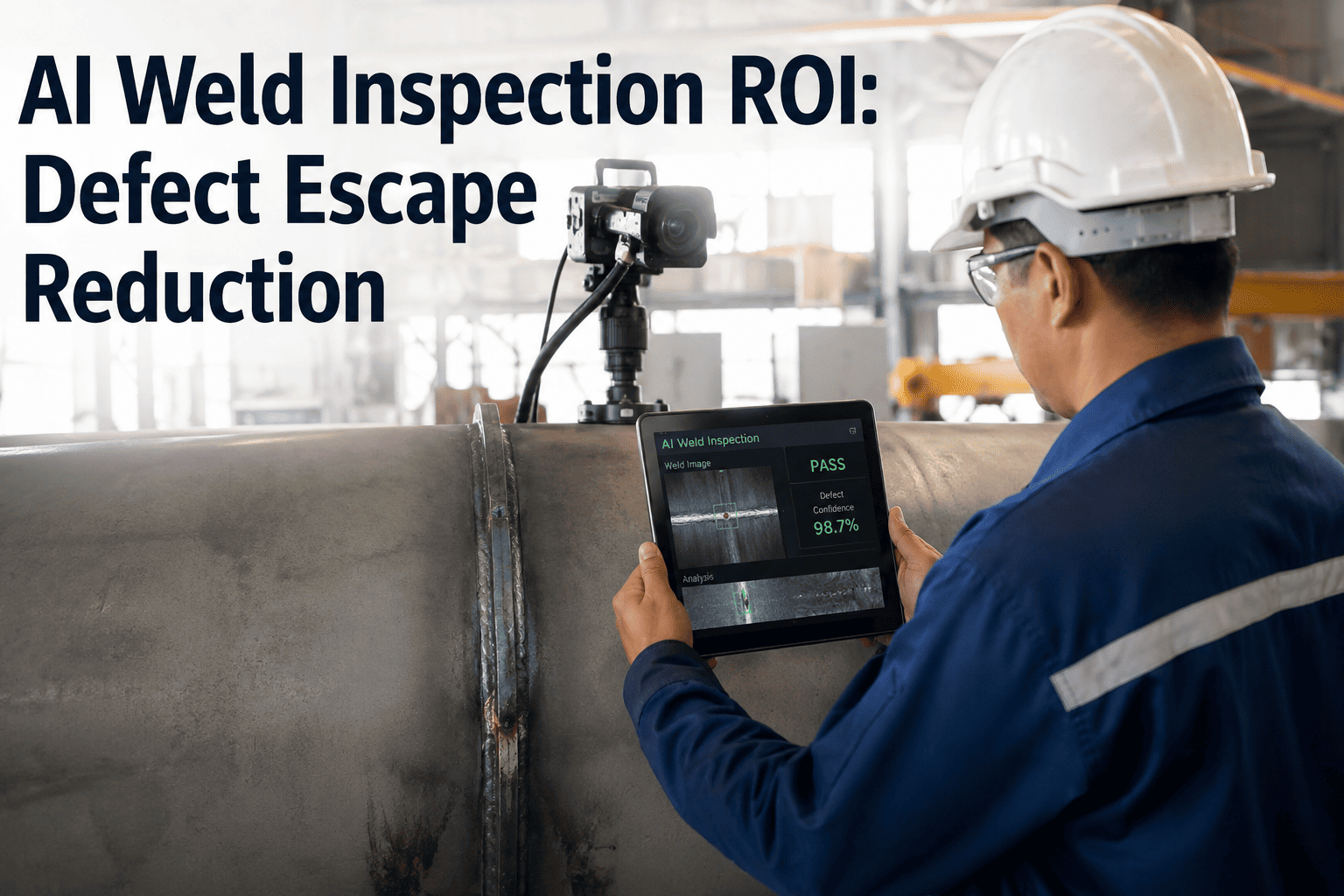
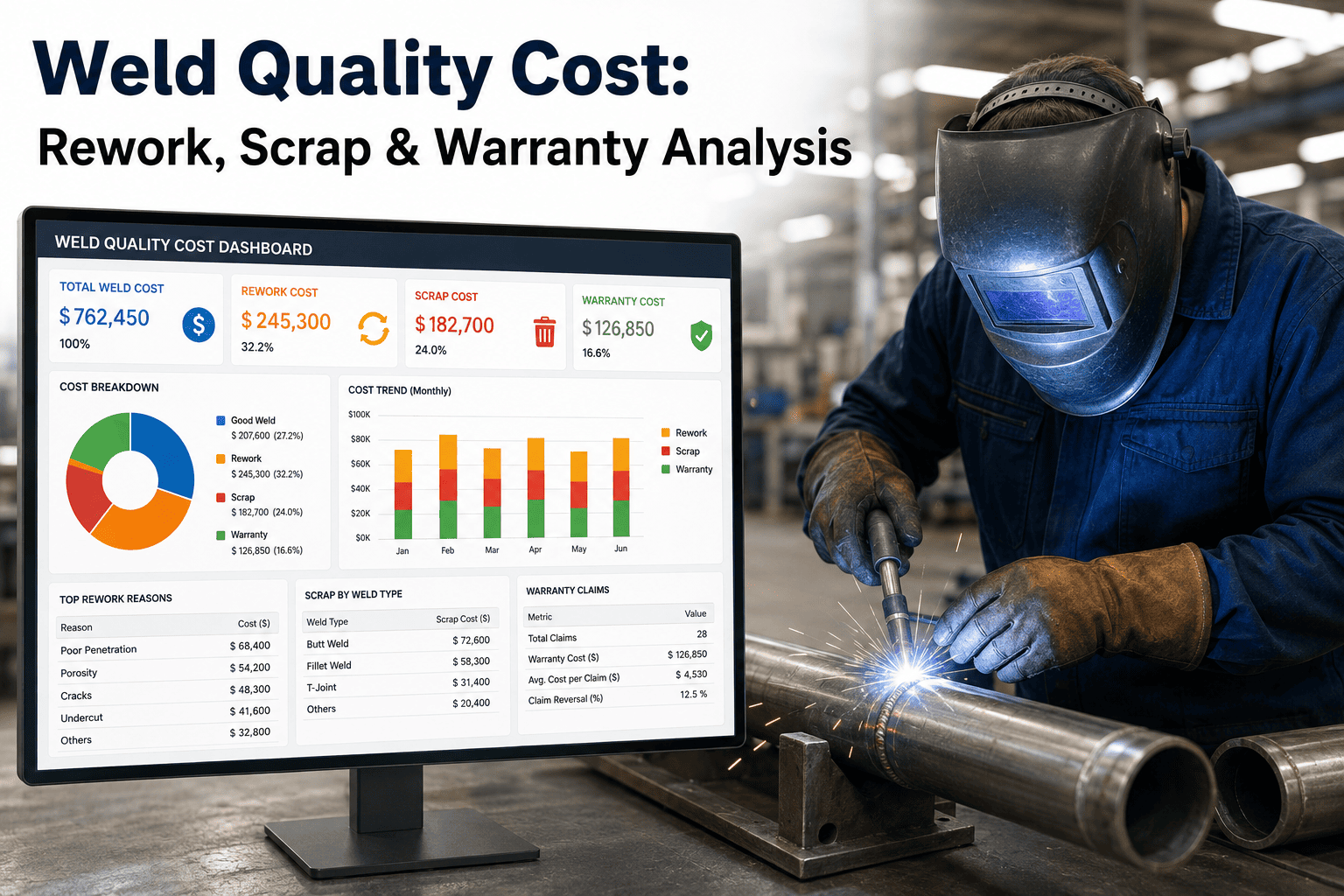
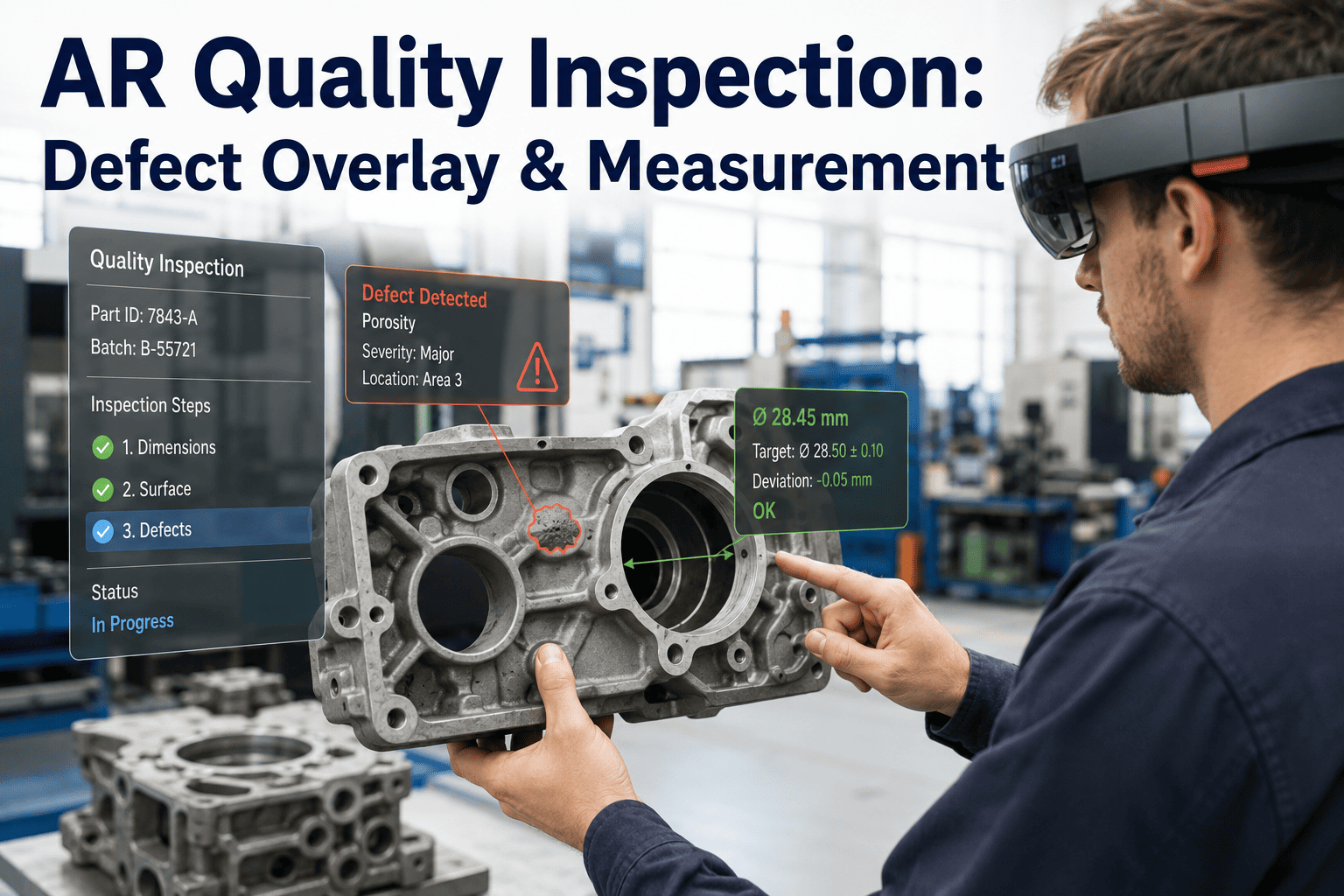
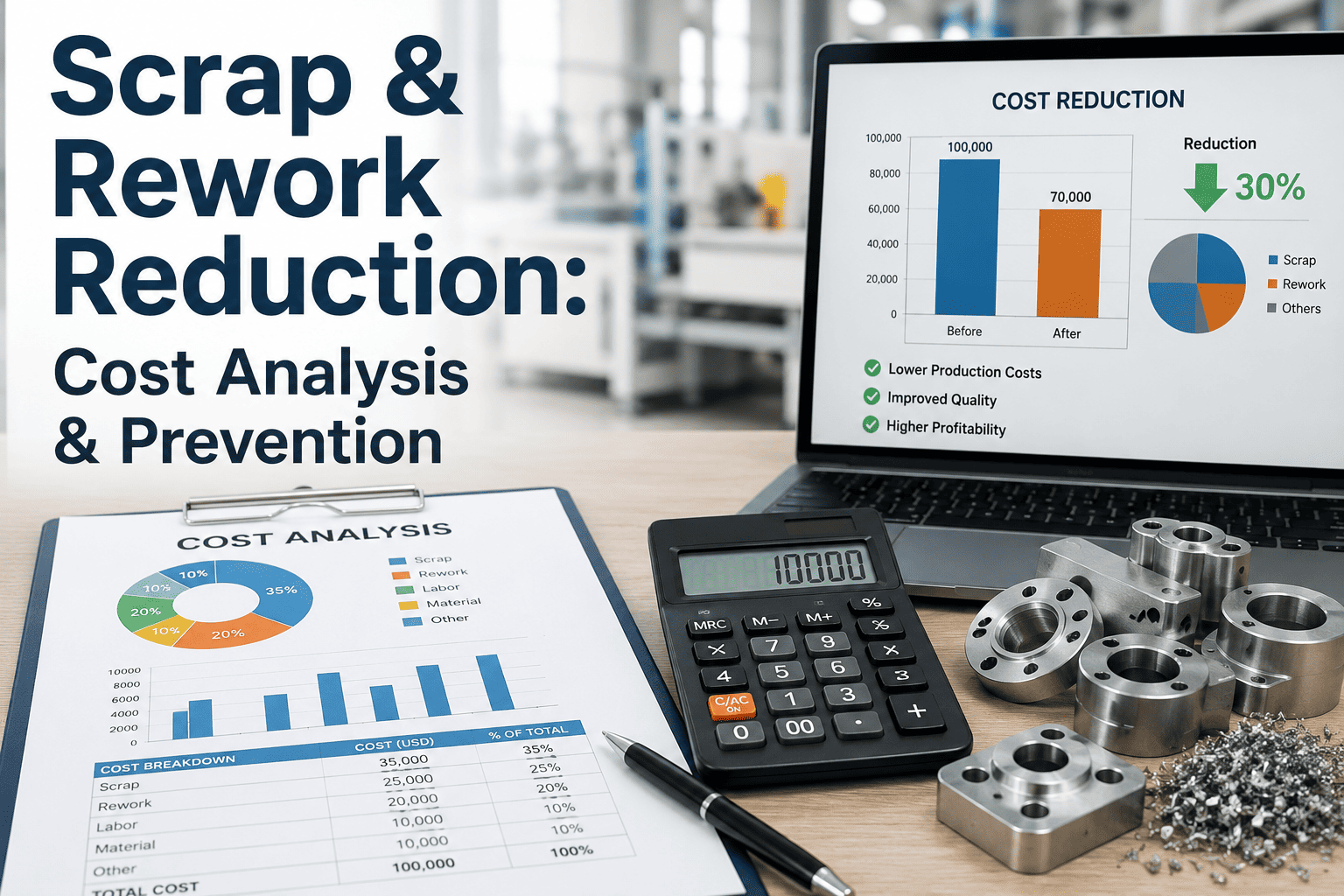
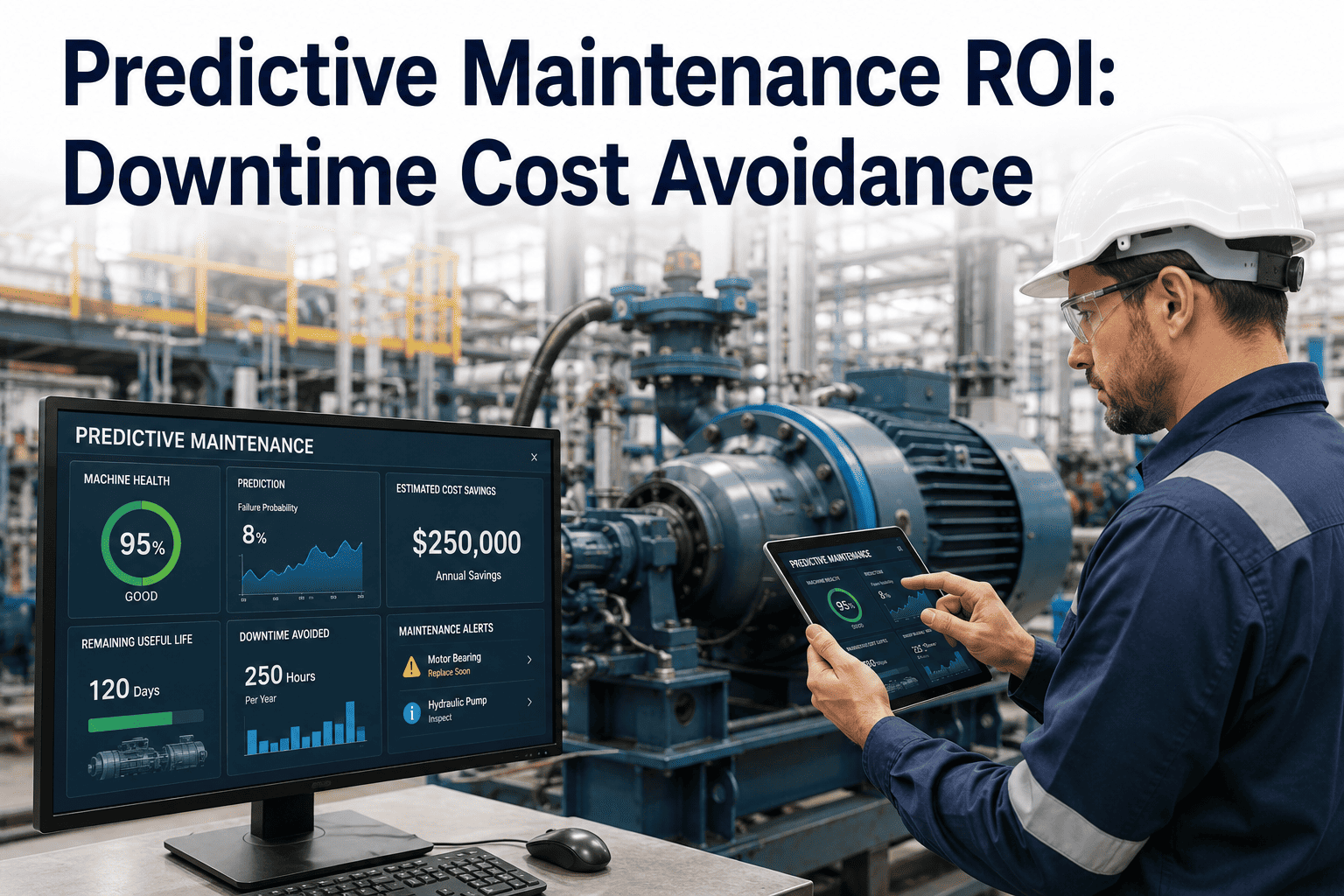
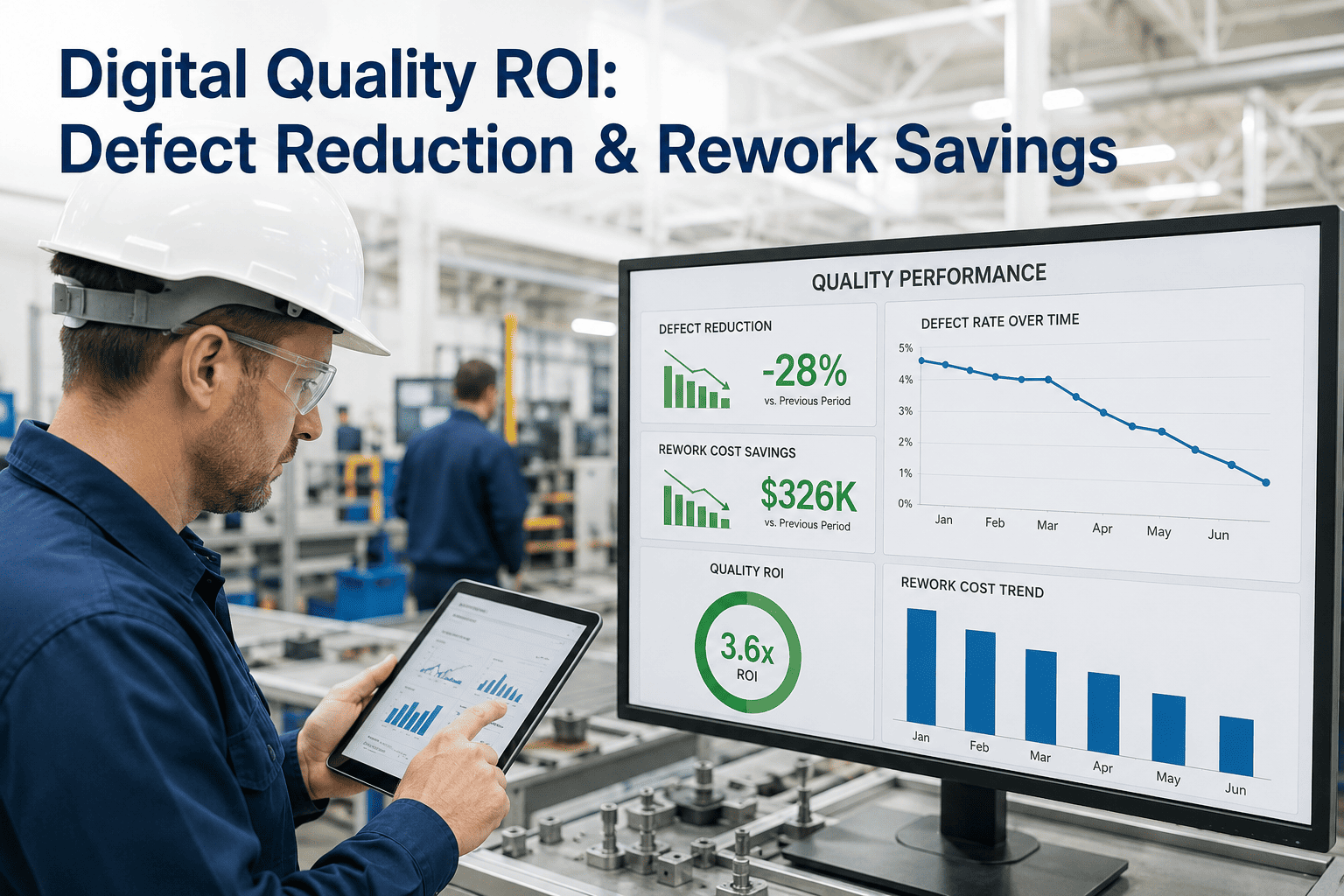
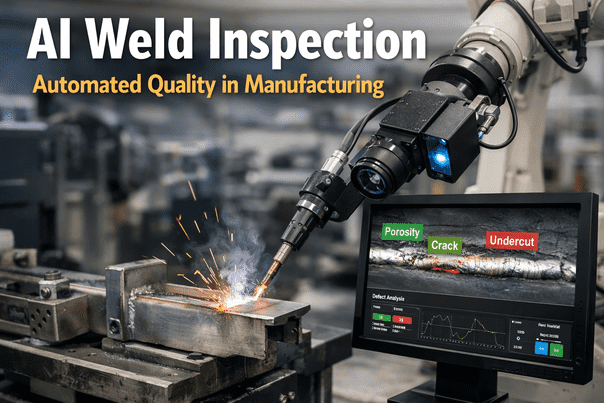
A porosity defect that a fatigued inspector misses at 4pm on a Friday doesn't announce itself until it fails in the field, months later, wearing a warranty claim and a customer complaint instead of a rejection tag. That gap between when a weld defect happens and when it gets caught is where most of the real cost of quality lives, and it's exactly the gap AI vision inspection is built to close. The harder question for most plant leaders isn't whether AI weld inspection works — it's whether the investment pays back fast enough to justify the line. iFactory's AI weld inspection platform is built to make that payback case with real production data.
AI Weld Quality Inspection
AI Weld Inspection ROI: Where the Payback Actually Comes From
Defect escape reduction, rework avoidance, warranty savings, and inspector labor — the categories that build the business case for AI vision inspection.
Why Manual Inspection Alone Can't Close the ROI Gap
Human visual inspection is inherently variable — accuracy drifts with fatigue, lighting, shift timing, and the sheer repetition of scanning weld after weld for defects that occur in a small fraction of them. That variability isn't a training problem; it's a structural limit of the task, and it's exactly where escapes originate.
Fatigue Drift
Detection accuracy declines measurably across a shift as attention fatigues on a repetitive visual task.
Inconsistent Standards
Different inspectors apply slightly different thresholds for the same defect, creating variability across shifts.
Sampling Gaps
Labor constraints often force spot-checking instead of 100% inspection, leaving gaps in coverage by design.
Late Discovery
Defects caught downstream or in the field cost far more to resolve than the same defect caught at the weld station.
The Four ROI Categories
The business case for AI weld inspection is rarely one number — it's the sum of four distinct savings categories, each with a different mechanism and a different payback speed.
01
Defect Escape Reduction
Catching defects at the weld station instead of downstream or in the field, where the same defect costs many times more to resolve.
02
Rework Avoidance
Earlier detection means smaller, cheaper rework — a caught defect at the source avoids downstream disassembly and re-welding.
03
Warranty Cost Savings
Fewer field failures translate directly into fewer warranty claims, the most expensive category of defect cost by the time it surfaces.
04
Inspector Labor Optimization
AI handles consistent 100% screening, freeing inspectors to focus on complex judgment calls rather than routine scanning.
Where the Cost of a Defect Multiplies
The single biggest driver of ROI in AI weld inspection is not detection accuracy alone — it's how early in the process that detection happens. The same defect costs dramatically more to fix the later it's found.
| Detection Point | Relative Cost to Resolve | Typical Response |
|---|
| At the weld station | Lowest | Immediate rework, minimal disruption |
| Downstream in-plant | Moderate | Disassembly, access, and re-weld required |
| Final inspection / test | High | Potential scrap, schedule delay |
| In the field | Highest | Warranty claim, service dispatch, reputation risk |
Want to see this cost curve modeled against your own defect and warranty data? Talk to our team before building the business case.
Building the Payback Timeline
A realistic ROI case walks through the same sequence every time — establish the current defect escape rate, model what earlier detection saves across all four categories, and set a payback horizon based on deployment scope.
1
Baseline
Establish current escape rate, rework cost, and warranty claim history
2
Pilot
Deploy AI inspection on one line to validate detection accuracy against your defect types
3
Model
Project savings across all four categories using pilot data, not vendor averages
4
Scale
Roll out to additional lines using the validated model and payback timeline
What the Business Case Typically Shows
Plants that build a rigorous, data-backed ROI case for AI weld inspection consistently find the same pattern — the earlier-detection categories compound, and the labor optimization gain shows up as a secondary benefit rather than the primary justification.
Fewer
Field warranty claims
Lower
Average rework cost per defect
Full
Coverage vs. sampled inspection
Ready to model the payback case against your own weld line data? Book a 30-minute walkthrough with our team.
Getting Stakeholder Buy-In for the Investment
The ROI math is only half the challenge — plant leadership, quality teams, and welding operators each need a different piece of the case answered before a deployment gets approved and adopted.
01
For Plant Leadership
A clear payback timeline built from your own baseline data, not vendor benchmarks, tied to a specific line and budget cycle.
02
For Quality Teams
Evidence that detection accuracy on your specific defect types matches or exceeds current inspection performance.
03
For Welding Operators
Assurance that the system flags issues to act on, not a surveillance tool used to penalize individual performance.
04
For Inspectors
A clear picture of how their role shifts toward judgment-heavy work rather than being displaced by the system.
Pitfalls That Undermine an ROI Calculation
A weak ROI case is rarely wrong about the concept — it's usually wrong about the inputs. These are the most common ways a business case for AI weld inspection loses credibility before it reaches a budget decision.
Vendor-Sourced Baselines
Using an industry-average escape rate instead of your own measured baseline overstates or understates the real opportunity.
Ignoring Detection Point
Treating all avoided defects as equal value, without accounting for how much more a late-stage escape actually costs.
Skipping the Pilot
Projecting full-scale savings from a single-line rollout without validating detection accuracy on your actual defect mix first.
Short Measurement Windows
Measuring warranty savings too soon after deployment, before field claims have had time to reflect the change.
Frequently Asked Questions
How long does it typically take to see payback on AI weld inspection?
It depends heavily on current defect escape rate and warranty exposure, since a plant with high field failure costs sees a faster payback than one with an already-tight quality process. The most reliable way to answer this for your own line is a short pilot that measures real detection performance against your defect history, rather than relying on a generic industry average.
Our team can help structure that pilot.
Does AI inspection replace human inspectors entirely?
Not typically, and that's not usually where the biggest ROI comes from. AI handles the consistent, repetitive 100% screening that human attention struggles to sustain across a shift, while inspectors shift toward complex judgment calls, root-cause investigation, and process improvement — work that benefits from experience rather than repetition. The labor category in the ROI model is optimization, not elimination.
What defect escape rate justifies the investment?
There's no universal threshold, because the real driver is the cost of each escape once it's found, not just how often it happens — a low escape rate with expensive field failures can justify the investment faster than a higher rate of cheap, easily caught defects. Mapping your actual cost per defect by detection point is the more useful exercise than benchmarking against a generic escape rate.
How is warranty savings actually measured after deployment?
The cleanest method is a before-and-after comparison of field warranty claims tied specifically to weld defects, tracked over a period long enough to smooth out normal variation — typically several quarters, since warranty claims lag production by the time a defect surfaces in the field. Tracking escape rate at the point of inspection gives an earlier, leading indicator while the warranty data matures.
What's the right way to start building this business case internally?
Start with a baseline audit of current defect escape rate, average rework cost, and warranty claim history tied to welding — that data set becomes the foundation the entire ROI model is built on, and it's usually more available than teams expect once quality and warranty records are pulled together.
Book a demo to see how a pilot deployment turns that baseline into a real payback projection.
Build the ROI Case With Real Data, Not Estimates.
Model AI Weld Inspection Payback Against Your Own Line
Bring your current defect escape rate, rework cost, and warranty history. We'll show where earlier detection saves the most, and what a realistic payback timeline looks like for your plant.