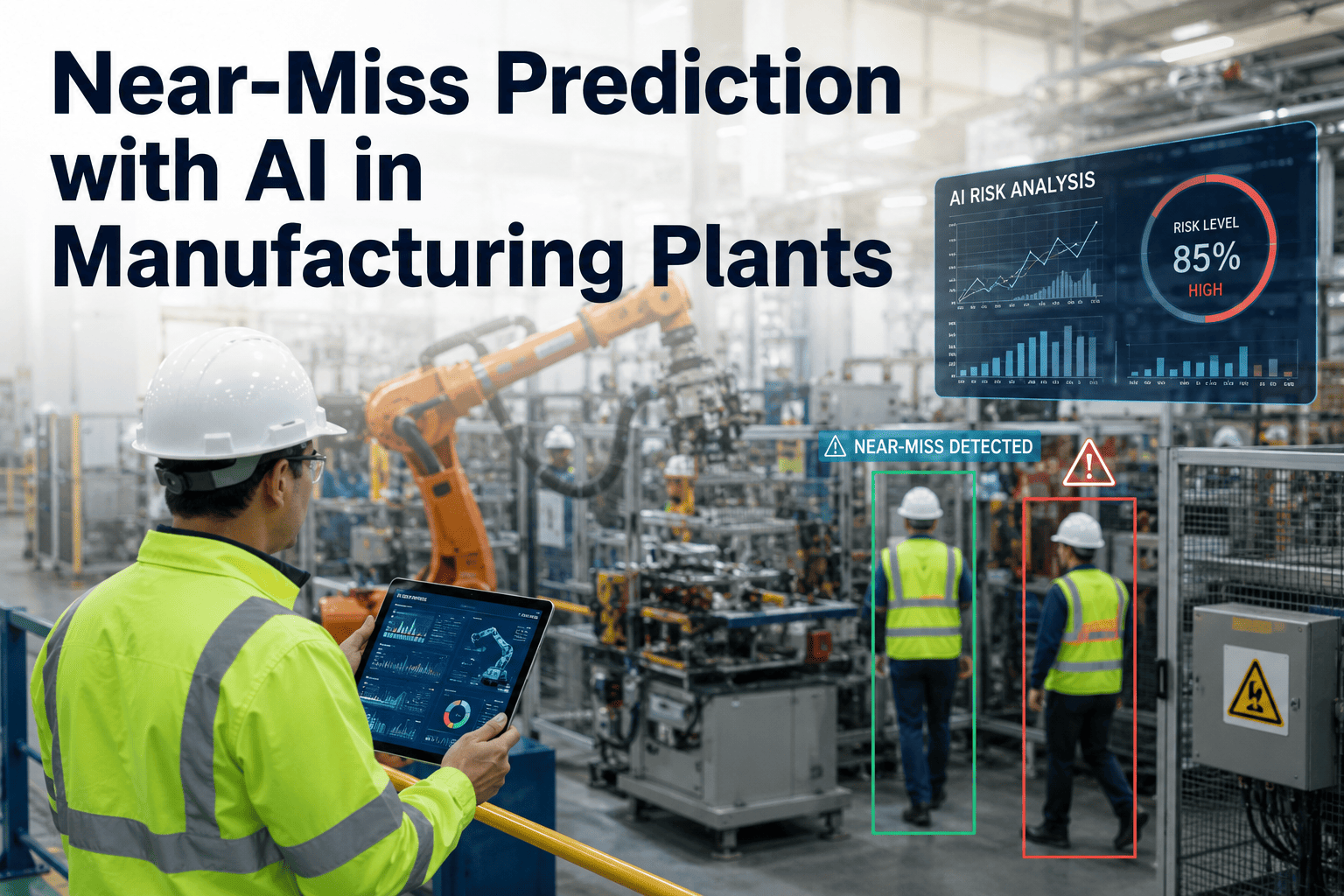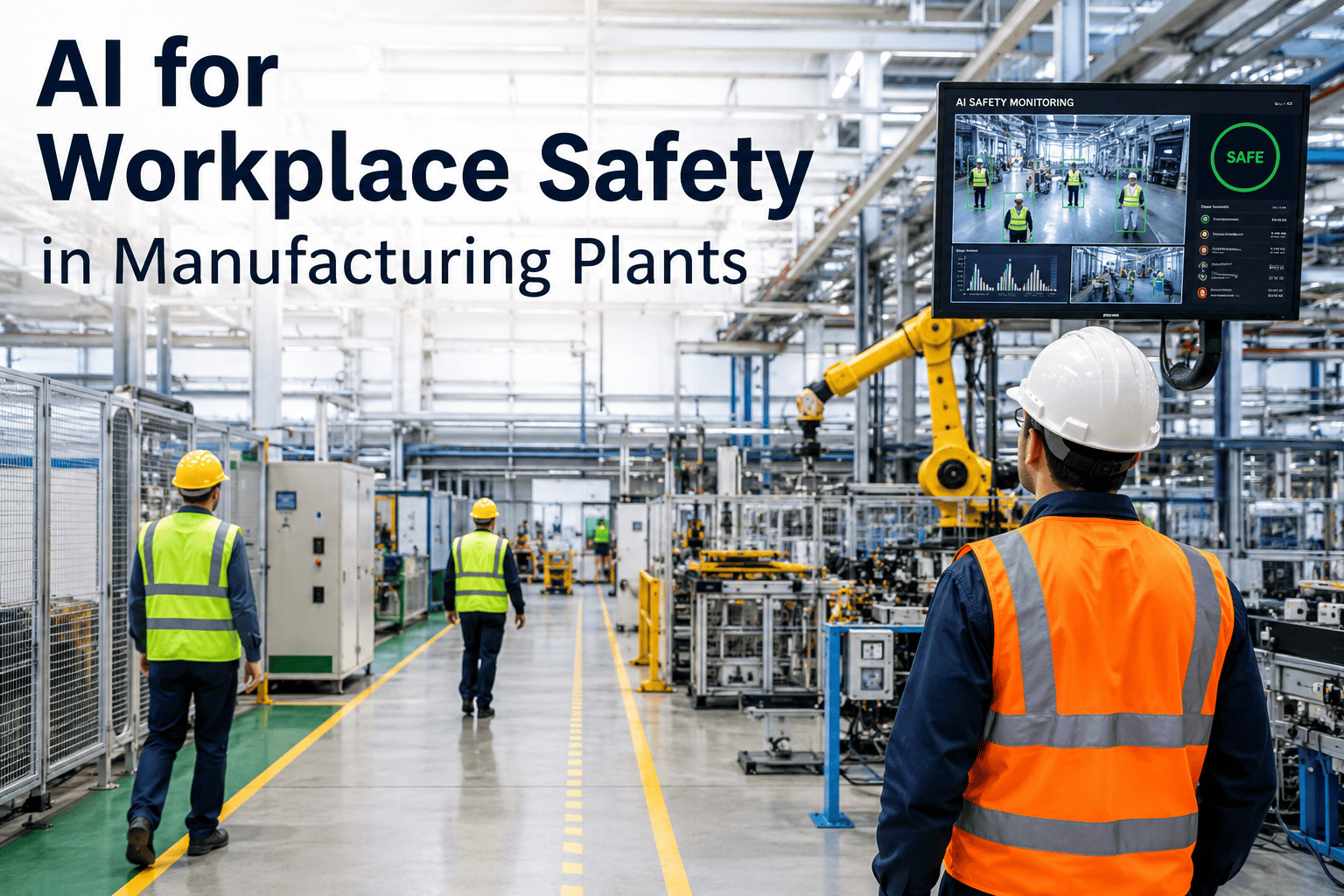
In the high-stakes environment of modern manufacturing plants, workplace safety remains the single most critical operational priority. Traditional safety programs, while foundational, often rely on lagging indicators such as incident reports and injury logs. This reactive approach leaves a dangerous gap: hazards go undetected until after someone gets hurt. Enter artificial intelligence, a transformative force that shifts safety from reactive to predictive. AI-powered systems, including computer vision and wearable sensors, continuously monitor the factory floor, analyzing thousands of data points per second to identify patterns that precede accidents. These systems flag near misses, unsafe behaviors, and environmental risks in real time, enabling EHS managers to intervene before a recordable incident occurs. The result is a dramatic reduction in injury rates, often by 30 to 40 percent, alongside improved compliance and operational efficiency. This article explores how AI is reshaping manufacturing safety, providing EHS leaders with actionable insights to protect their workforce while driving productivity. Discover how your plant can leverage these technologies by scheduling a personalized demo with our experts. Book a Demo to see AI safety in action.
Predict and Prevent Incidents with AI
Reduce recordable incidents by 30-40% through real-time hazard detection and near-miss analysis.
Vision AI for Hazard Detection
Computer vision cameras analyze live feeds to detect PPE non-compliance, unsafe zones, and improper equipment use. Alerts are sent instantly to supervisors.
Wearable Sensor Integration
Smart wearables monitor worker vitals, fatigue levels, and environmental exposure. Predictive algorithms flag anomalies before they lead to incidents.
Near-Miss Pattern Recognition
AI aggregates near-miss data across shifts to identify recurring risk patterns. This enables proactive safety improvements and targeted training.
Real-Time Alerting and Dashboards
Centralized dashboards display live risk scores, incident trends, and compliance metrics. EHS teams can prioritize interventions based on data-driven insights.
How AI Transforms Safety Management
Data Collection
Sensors, cameras, and IoT devices continuously capture environmental, behavioral, and operational data across the plant floor.
AI Analysis
Machine learning models process the data in real time, identifying patterns that correlate with past incidents and near misses.
Risk Prediction
The system assigns risk scores to areas, tasks, and individuals, predicting where an incident is most likely to occur.
Automated Intervention
Alerts are sent to supervisors, machinery automatically slows down, or workers receive wearable alerts to correct unsafe behavior.
Ready to Protect Your Workforce?
Our AI safety platform gives you the tools to predict incidents and prevent injuries. See it in action with a personalized demo.
Traditional vs AI-Powered Safety
| Metric | Traditional Safety | AI-Powered Safety |
|---|---|---|
| Incident Detection | Reactive (after incident) | Predictive (before incident) |
| Data Sources | Manual reports, audits | Real-time sensors, cameras, wearables |
| Response Time | Hours to days | Seconds to minutes |
| Near-Miss Tracking | Underreported | Automated, comprehensive |
| Compliance Monitoring | Periodic checks | Continuous surveillance |
| Cost of Incidents | High (injuries, downtime) | Reduced 30-40% |
Implementation Progress Indicators
Case Study: Automotive Plant Reduces Incidents by 35%
A large automotive manufacturing plant implemented our AI safety system across three assembly lines. Within six months, the plant reported a 35% reduction in recordable incidents and a 50% improvement in near-miss reporting. The system identified that 70% of near misses occurred during shift changes, leading to targeted training and schedule adjustments. Workers reported feeling safer and more supported, and the plant achieved a 20% increase in overall productivity due to reduced downtime.
Frequently Asked Questions
How does AI detect near misses in real time?
What types of wearable sensors are used?
Can AI safety systems integrate with existing EHS software?
What is the typical ROI of implementing AI safety?
How long does it take to deploy an AI safety system?
Start Your AI Safety Journey Today
Empower your EHS team with predictive analytics and real-time alerts. Reduce incidents, save lives, and improve productivity.