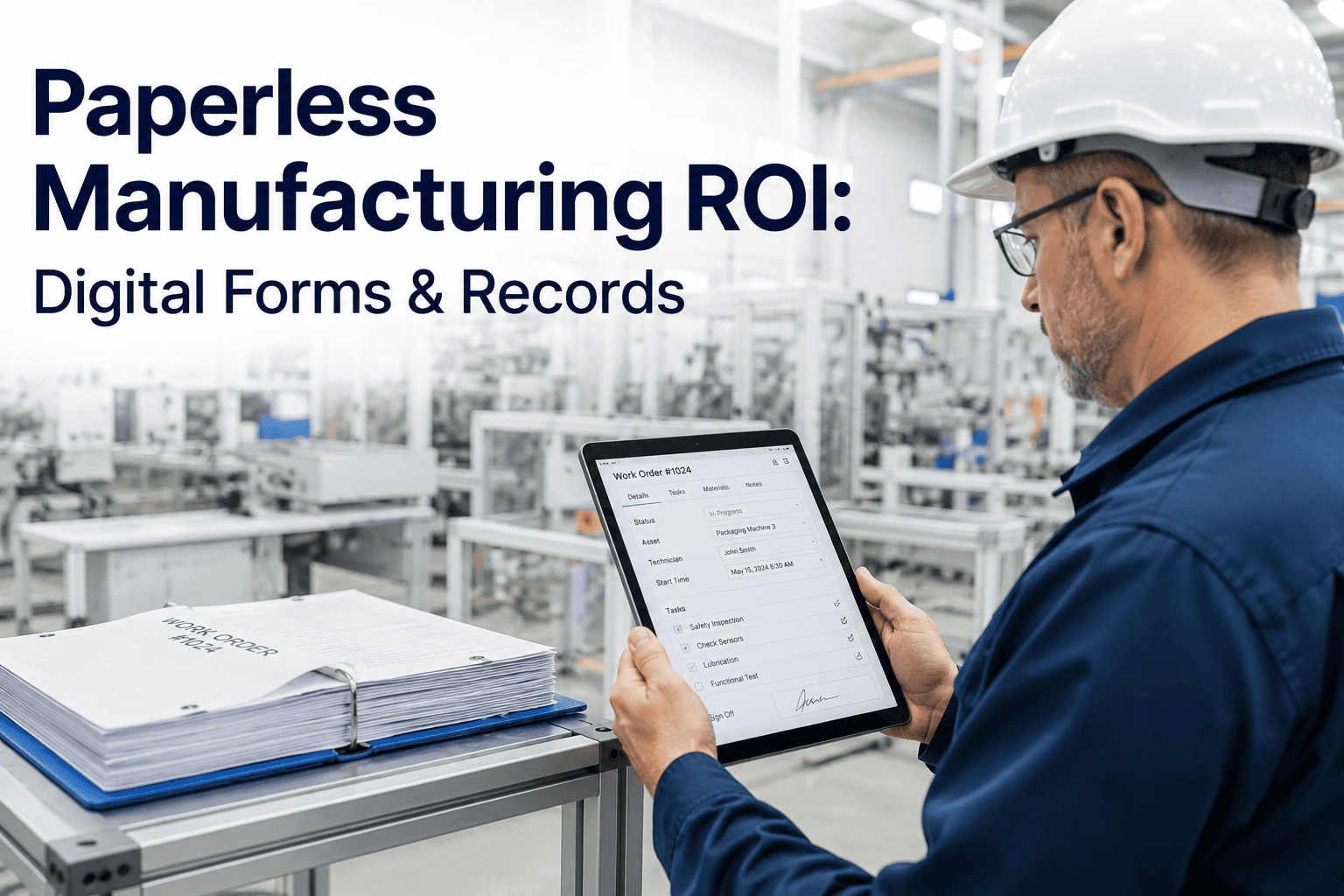
Chemical processing plants operate on documentation. Batch production records, material movement tags, work order requests, equipment inspection checklists, safety permit-to-work forms, and environmental compliance logs generate thousands of pages of paper every month — each form requiring manual data entry, physical filing, supervisor sign-off, and eventual archival storage. For a mid-sized chemical producer operating 24/7 across multiple production trains, this paper infrastructure consumes an estimated 3.2 administrative hours per shift per operator — time that should be allocated to process monitoring, quality control, and production optimization. Organizations with iFactory are discovering how AI-driven mobile and wearable platforms replace paper-based workflows with digital, real-time data capture — reducing administrative overhead by 70% while increasing operational visibility across every production stage.
70% Reduction in Admin Overhead — 45% Increase in Work Order Completion — Zero Paper
iFactory's mobile AI-driven and wearable integration platform replaces paper forms, logs, and permits with digital workflows accessible from tablets, handheld scanners, or voice-directed headsets in any chemical processing environment.
47 Paper Forms, 3.2 Hours Per Shift, Zero Actionable Data
The plant's paper-based system was not a legacy oversight — it was the intended operating model when the facility was commissioned. Each production train maintained its own shift log binder. Maintenance teams carried clipboard-based work request forms. The quality lab transcribed instrument readings onto paper certificates of analysis. The safety department issued permit-to-work forms in triplicate. The system functioned in the sense that forms were completed and filed, but it produced zero actionable intelligence. A maintenance supervisor could not query how many times a specific pump had been flagged without pulling 30 shift log sheets from 30 binders. A process engineer could not correlate a quality deviation with preceding shift log entries because the data existed in two different paper binders in two different buildings. The administrative burden was accepted as a fixed operating cost — until iFactory's digital platform demonstrated a measurable alternative.
| Paper Process | Forms per Month | Time per Form | Annual Labor Cost | iFactory Digital Replacement |
|---|---|---|---|---|
| Shift Logs & Handover Sheets | 360 | 22 min | $285,000 | Structured digital handover with auto-populated parameters |
| Work Order Requests | 520 | 14 min | $262,000 | Mobile form with photo capture and AI routing |
| Equipment Inspection Checklists | 240 | 18 min | $155,000 | Barcode-scanned digital checklist with timestamp |
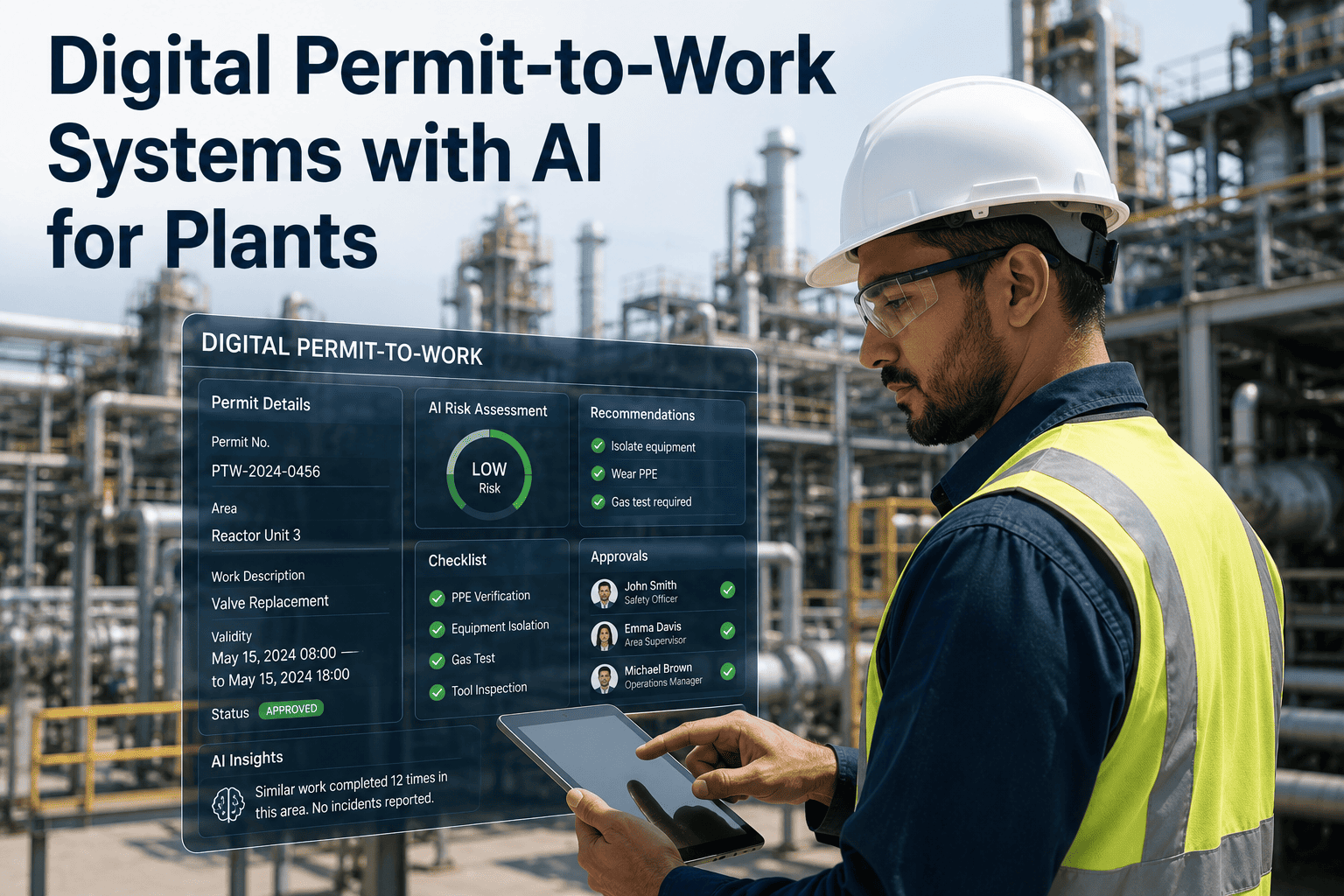
| Permit-to-Work Forms | 180 | 25 min | $162,000 | Digital permit workflow with auto-populated gas test data |
| Quality Batch Records | 120 | 30 min | $130,000 | Auto-populated from DCS and lab instrument outputs |
Four Phases from Paper Binders to Mobile AI-Driven Workflows
iFactory's deployment followed a structured four-phase rollout across the plant's production trains, starting with the maintenance department — which carried the highest documentation burden and offered the most immediate productivity gain from digital work order management. Each phase replaced a specific category of paper-based processes with mobile-accessible digital workflows designed for the chemical processing environment.
Multi-Modal Input Design for Chemical Processing Environments
Chemical processing environments present unique challenges for digital transformation. Glove-box and hazmat-suited operations make touchscreen interaction impractical. Explosion-proof area classifications limit electronic device types. High-noise environments render voice-input unreliable without industrial-grade active noise cancellation. The plant's previous digital transformation attempt had failed because the tablet-only solution did not account for these constraints — tablets were left at charging stations because operators could not use them while wearing chemical-resistant gloves in classified areas.
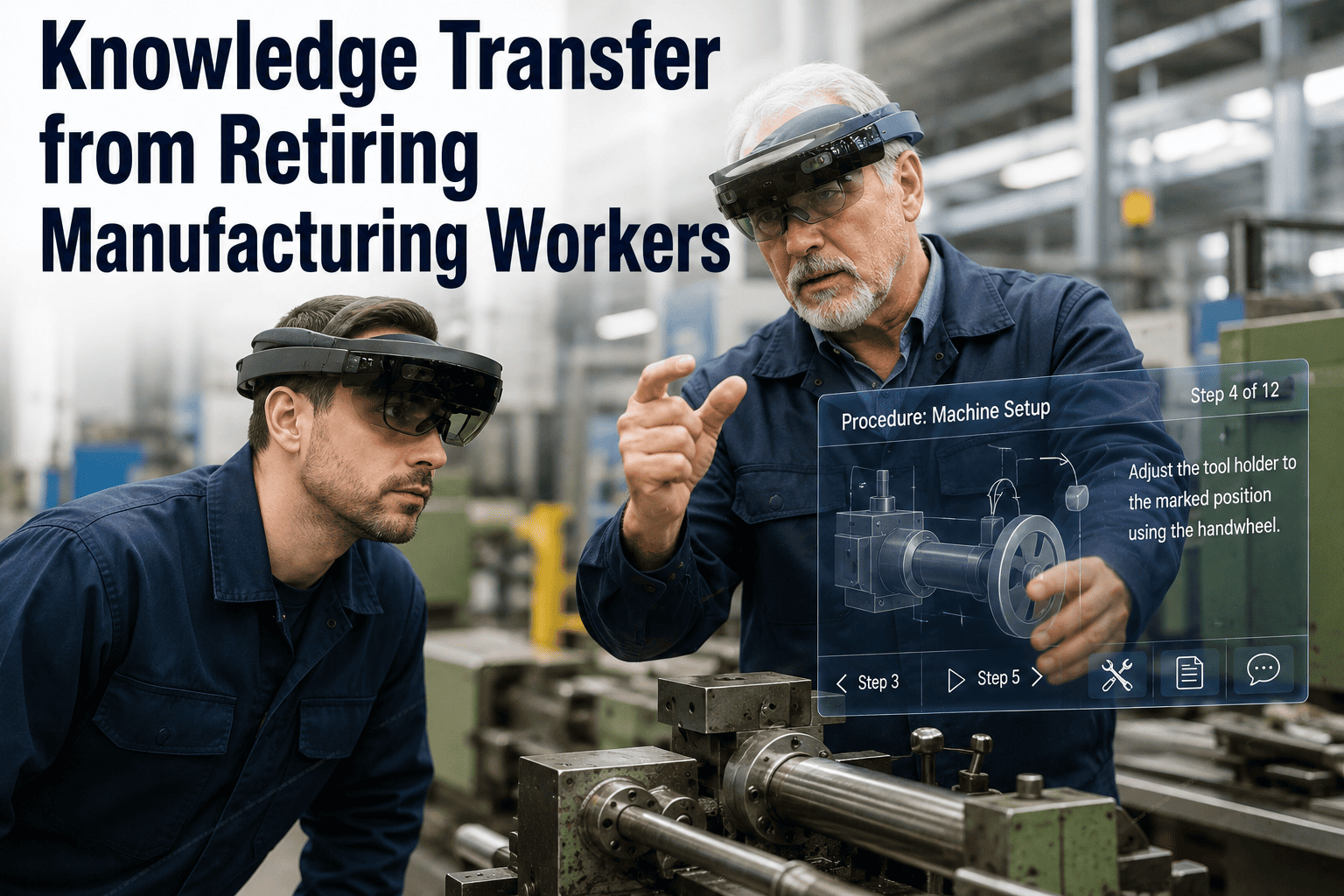
Industrial headsets with active noise cancellation rated for ambient noise up to 100 dB enable operators to complete inspection checklists, submit work requests, and document permit conditions entirely through voice commands. The platform confirms each entry via audio response, eliminating the need for any touchscreen interaction in gloved or respirator-equipped operations.
- ATEX Zone 1/21 and IECEx certified headsets for hazardous chemical environments
- Voice recognition engine trained on chemical industry vocabulary and equipment terminology
- Voice-directed step-by-step workflow navigation with audio confirmation at each step
- Hands-free photo capture for equipment condition documentation
- Multi-language voice recognition supporting diverse shift crew composition
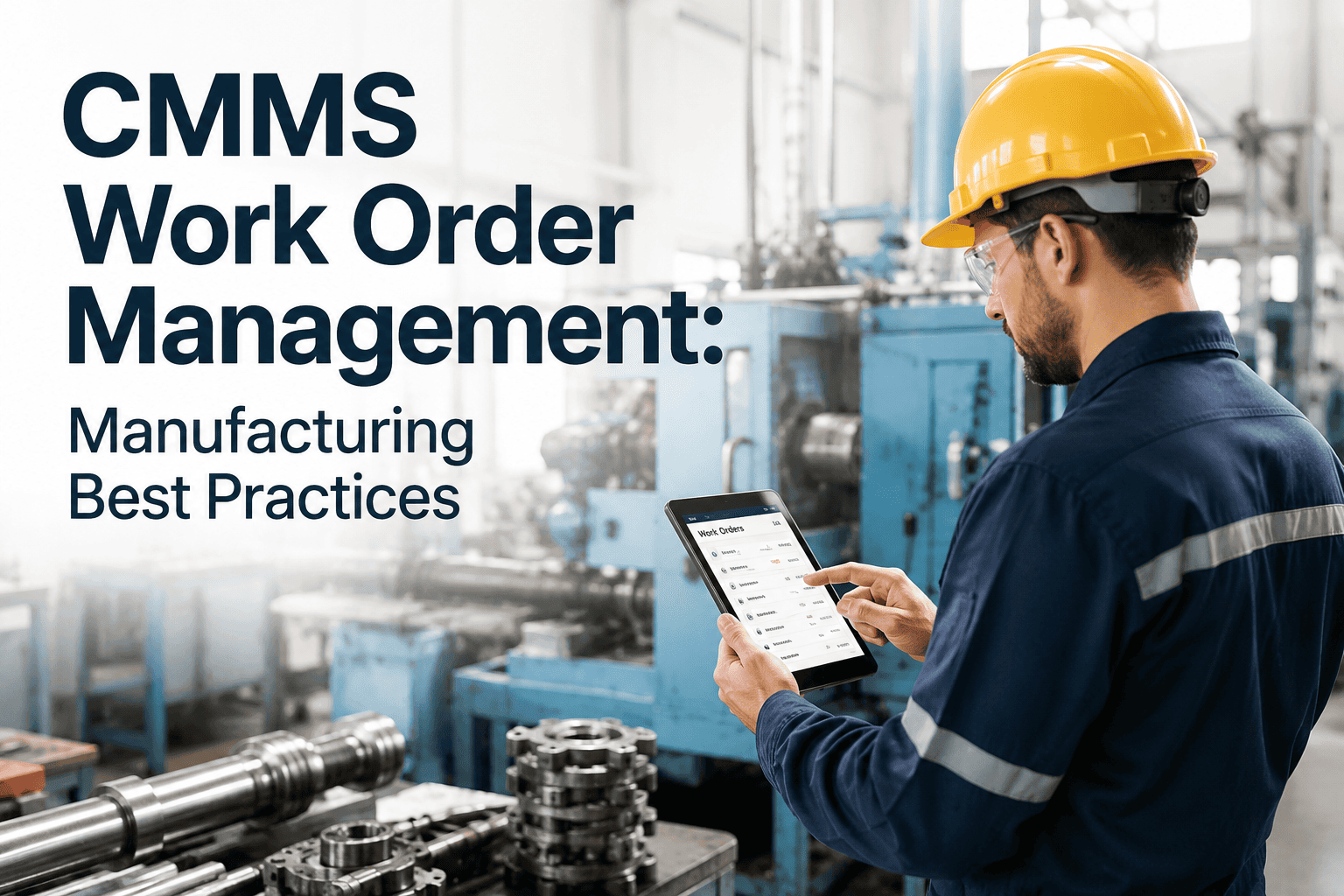
ATEX/IECEx-certified rugged tablets deployed at control room stations and strategic shop floor locations provide a familiar form-based interface for operators transitioning from paper. Glove-compatible touchscreen with wet-surface sensitivity enables reliable operation in process areas where chemical-resistant gloves are mandatory PPE.
- Glove-compatible capacitive touchscreen with wet-surface sensitivity rating
- Role-based dashboard displaying personalized workflow queue per operator shift
- Offline operation mode with automatic synchronization when connectivity is restored
- Built-in barcode scanner for equipment identification and material verification
- Drag-and-drop form builder allowing plant personnel to create digital form equivalents
Barcode and RFID scanning is integrated into every workflow requiring equipment identification, material tracking, or location verification. Operators scan equipment tags to auto-populate work order fields with complete asset history. Material movement is documented at each transfer point via barcode scan — eliminating paper material tags and manual inventory reconciliation.
- Equipment barcode scanning auto-populates asset ID, location, and maintenance history
- Lot-level material tracking via barcode at receipt, storage, consumption, and transfer
- RFID-enabled calibrated tool tracking for critical maintenance operations
- Vendor material receipt scanning against purchase order — eliminates paper receiving reports
- Physical inventory verification via cycle-count scan workflow — 60% faster than paper methods
AI engines classify and route every submitted workflow — work request, quality deviation, safety observation — to the correct recipient based on content analysis rather than department drop-down menus. Automated escalation chains ensure no shift handover loses a pending action item. Machine learning models identify workflow submission patterns that indicate emerging equipment or process issues before they become failures.
- AI content classification routes work requests to correct trade supervisor automatically
- Automated escalation chain for overdue workflow items with sequential supervisor notification
- Pattern recognition identifies repeated submissions from same asset as early degradation signal
- Shift handover action item tracking — unresolved items auto-transfer to incoming shift
- Compliance workflow lock prevents incomplete permit or quality record submissions
Before and After: Documented Impact Across Every Operational Metric
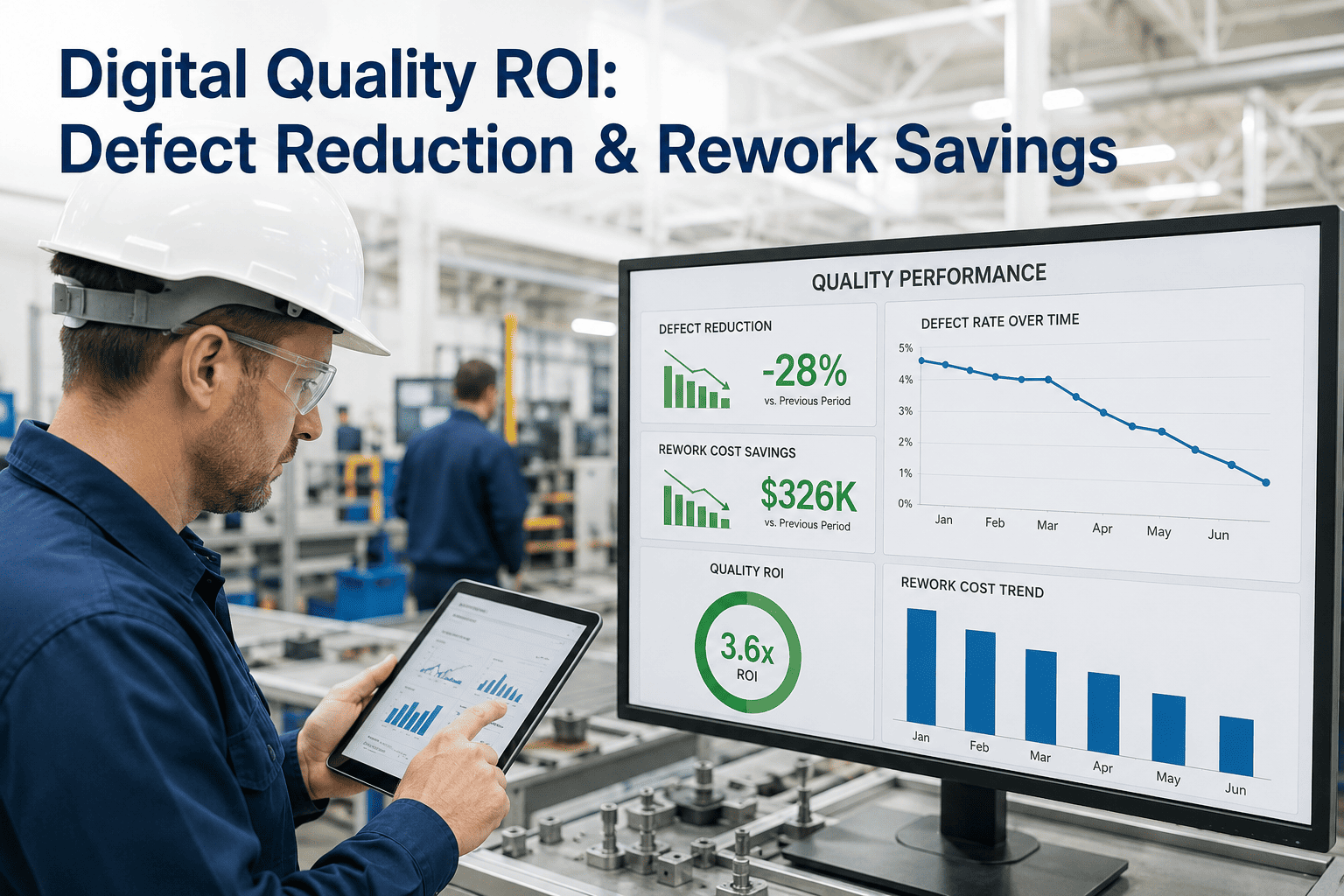
The plant tracked 18 distinct metrics before and after deployment to quantify the impact of digitization. Every metric improved. The most operationally significant changes were in administrative labor recovery, work order completion velocity, and shift handover quality — each of which had been accepted as fixed operational constraints under the paper-based system.
Your Chemical Plant's Paper Burden Is Consuming $1.9M in Unseen Labor Cost
iFactory's digital transformation platform replaces every paper form, log, and permit with mobile-first digital workflows — accessible from tablets, handheld scanners, or wearable voice-directed headsets in any chemical processing environment.
Paper Is Not Process Control — It Is a $1.9M Annual Tax on Productivity
The chemical processing plant in this case study was not failing. It was producing on-spec product, maintaining acceptable safety metrics, and passing regulatory audits. What it was doing — quietly, consistently, and at a cost buried in the administrative overhead line of the operations budget — was consuming 35,000 person-hours per year on paperwork that added no production value, generated no actionable intelligence, and created a regulatory documentation burden requiring three full-time staff to manage. The paper system was not protecting the plant from anything. It was protecting the plant from change — because the effort required to replace 47 paper forms with digital workflows had always seemed larger than the cost of keeping the paper system running.
iFactory's digital transformation platform demonstrated that the replacement effort is not larger. The 12-week phased deployment replaced every paper process across four production trains with mobile-first digital workflows that reduced documentation time by 70%, increased work order completion by 45%, and eliminated 82,000 pages of paper per year. The platform investment was recovered in six months through labor cost recovery alone — not including the compliance risk reduction, data accessibility improvement, and operator productivity gains that represented the secondary value streams. The paper system is gone. The data it previously locked in binders is now accessible, queryable, and actionable. The plant is not running differently because of new equipment. It is running better because the people operating it are spending their time on process management instead of paper management.
Chemical Plant Paperless Transformation — Frequently Asked Questions
Eliminate Your Chemical Plant's Paper Burden in 12 Weeks — No Capital Investment Required
iFactory's mobile AI-driven and wearable integration platform replaces every paper form, log, and permit in your chemical processing plant with digital workflows — supported by voice-directed headsets for hazmat-suited operations, barcode tracking for material and equipment, and AI-driven routing for instant action item assignment. Deployment across production trains with zero downtime and no capital equipment purchase required.