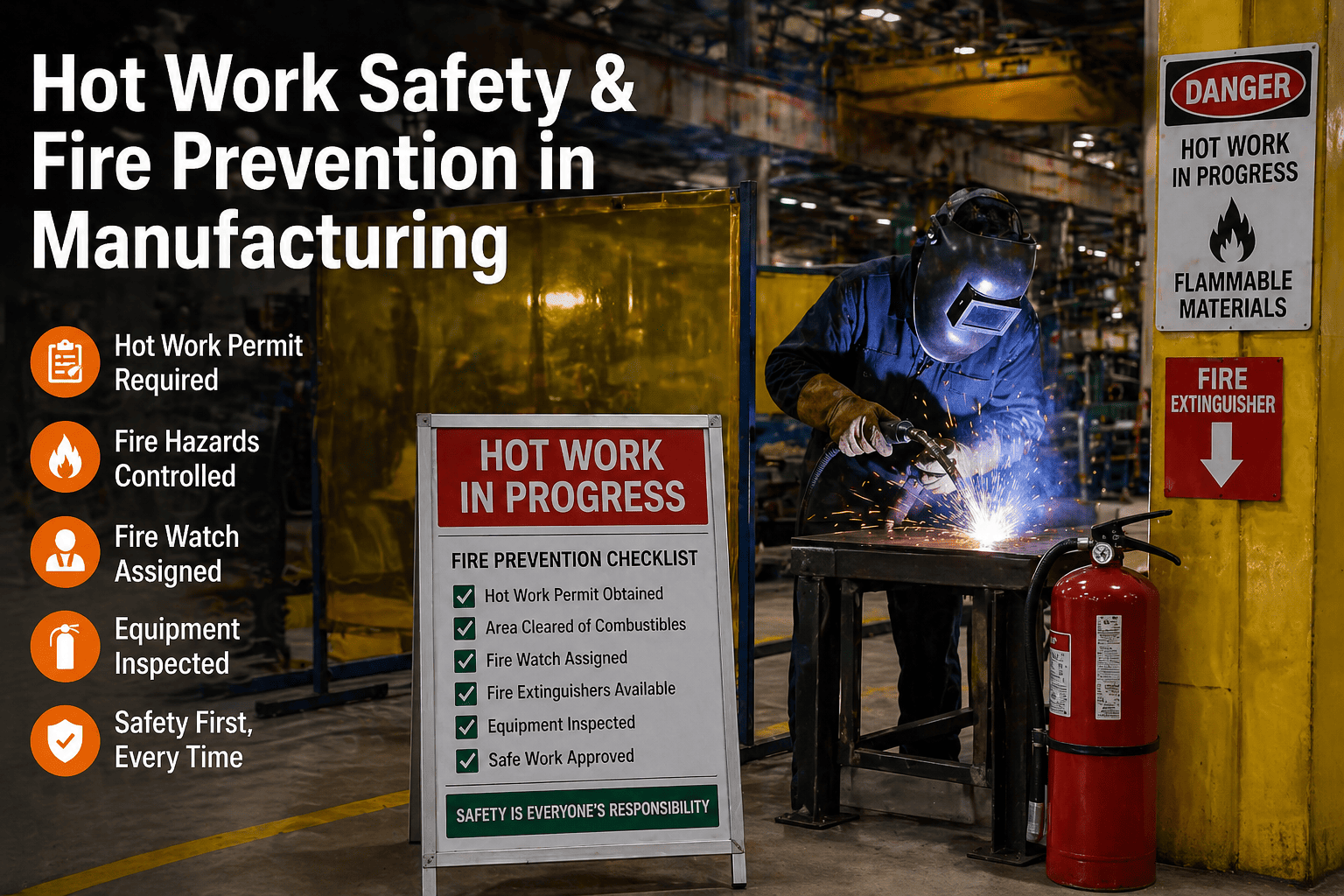
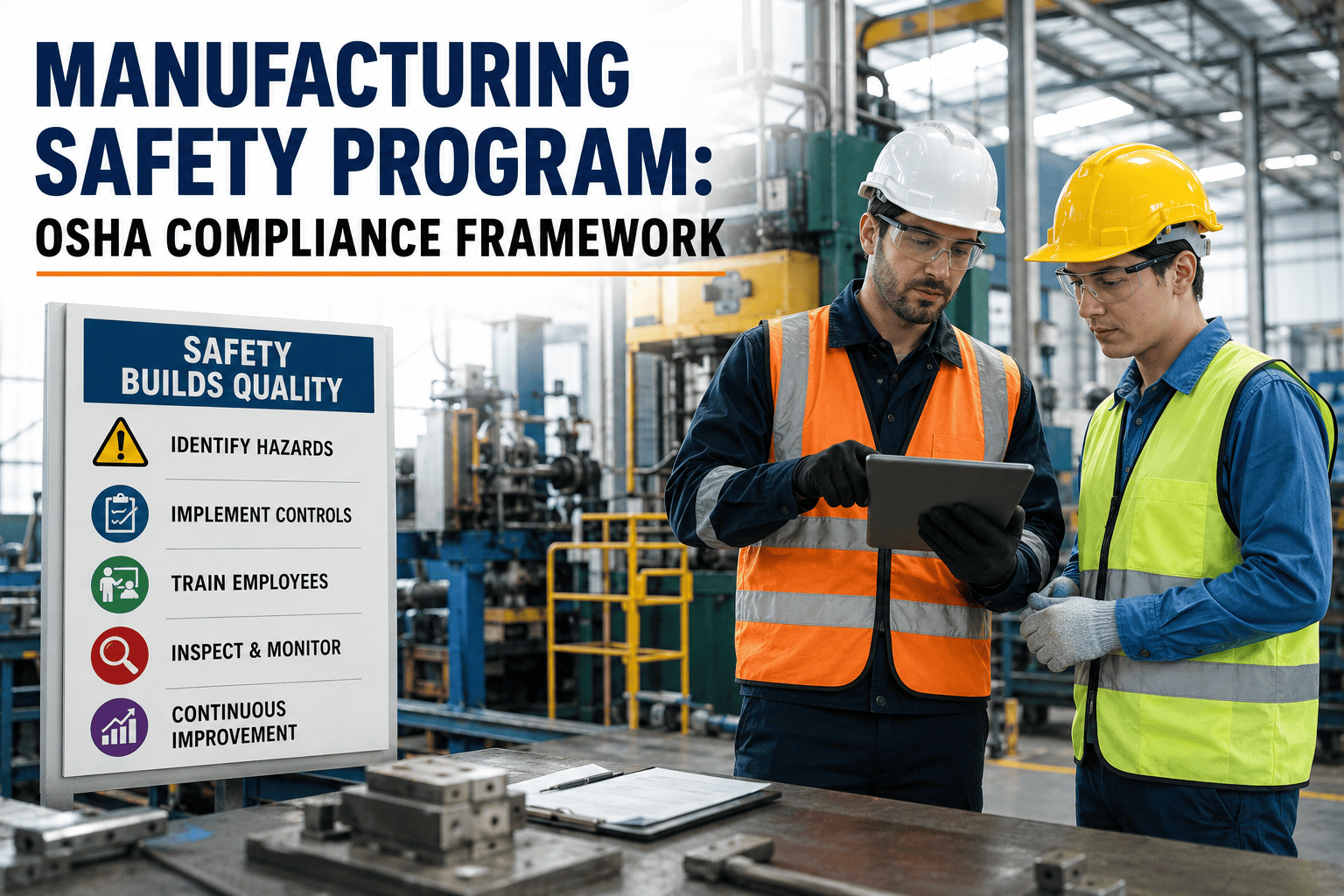
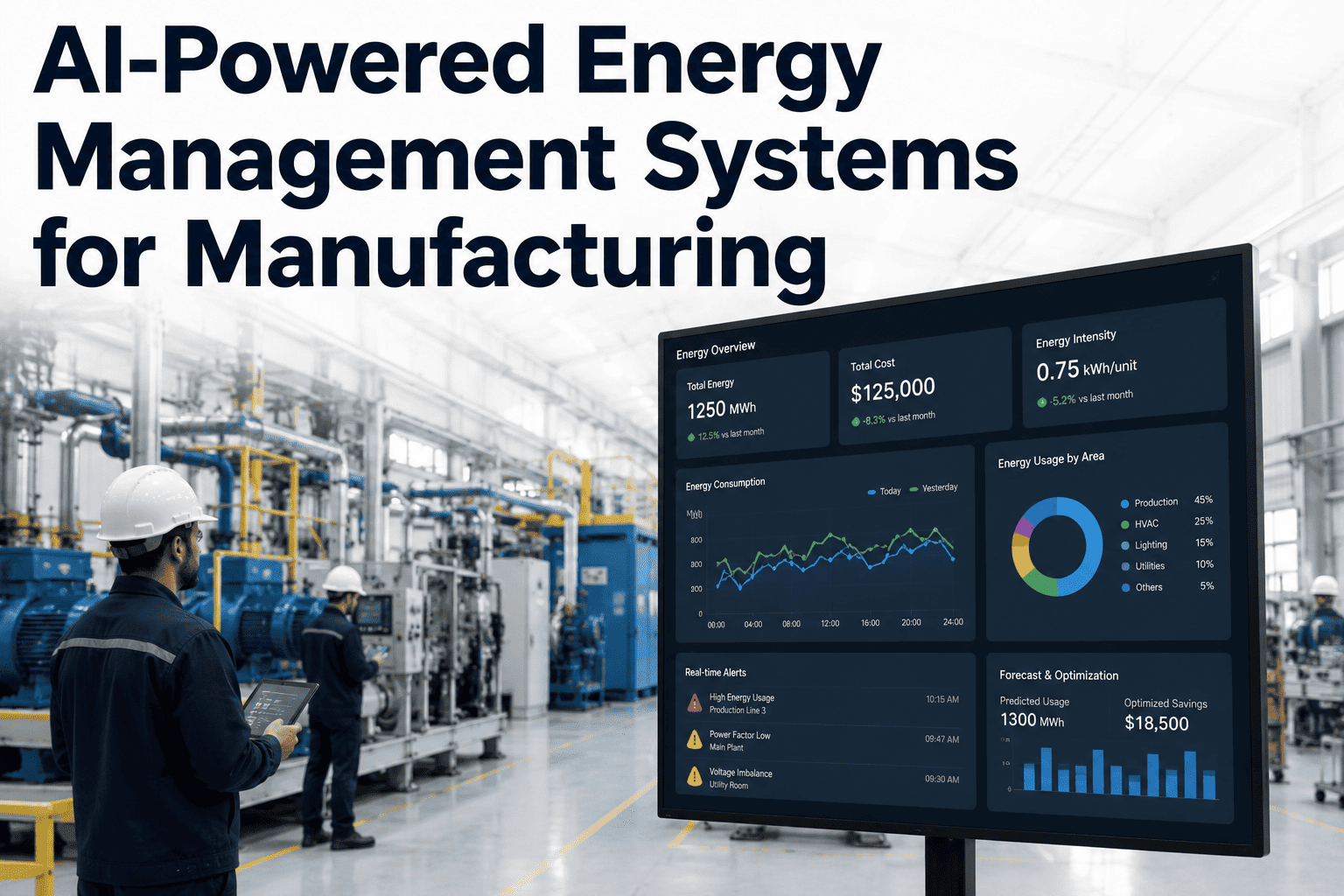
Manufacturing plants conduct 50-200 hot work operations daily across welding, grinding, cutting, and torch operations on production equipment without centralized visibility into permit status, fire watch assignments, or compliance verification. Manual hot work permit systems using paper forms, spreadsheets, and verbal handoffs create compliance gaps where operations begin without required fire watch personnel, extinguisher placement remains unverified, and hot surface cooling periods are not monitored. When fire incidents occur, investigations reveal that 60-70% were preventable through proper permit compliance and fire watch protocols. One facility fire resulted in 3-week production halt costing $12M, yet the incident could have been prevented by enforcing a single permit checklist. iFactory's AI-powered hot work management system automates permit generation, ensures fire watch assignments before work begins, tracks equipment locations requiring hot work isolation, monitors cooling periods in real time, and verifies fire prevention measures through mobile checklists. Predict Failures Before They Stop Production. Real-Time Visibility Into Every Production Line. Book a Demo to see how iFactory eliminates hot work compliance gaps and prevents manufacturing fires.
Hot Work Fire Risk in Manufacturing Plants
3,400
Annual manufacturing fires in US — 40% caused by hot work with inadequate permits or fire watch protocols
$12M-$50M
Average cost per manufacturing facility fire from production loss, equipment damage, and business interruption
60-70%
Of manufacturing fires are preventable through proper hot work permits and fire watch enforcement
50-200
Hot work operations per day in typical manufacturing plant — 90% conducted without documented fire prevention measures
Quick Answer
Hot work permits are mandatory authorizations issued before welding, grinding, cutting, or torch operations that document hazard assessment, required fire watch assignments, fire suppression equipment placement, and hot surface cooling protocols. Eliminate Manual Logs with AI Digital Shift Logbooks. Modern manufacturing requires automated permit generation, digital fire watch assignment verification, real-time monitoring of fire prevention measures, and documented compliance evidence for regulatory audits. iFactory transforms manual permit systems into AI-powered workflows that prevent 60-70% of manufacturing fires through systematic enforcement of safety protocols.
Hot Work Fire Risks in Manufacturing
Hot work operations including welding, grinding, cutting, and torch work generate sparks and extreme heat that can ignite combustible materials within 35 feet of work area. Manufacturing plants contain pressurized fluids, electrical equipment, flammable coatings, and materials that create fire escalation risk if not properly isolated during hot work. Manual permit systems cannot prevent fires without real-time verification and enforcement.
01
Inadequate Fire Watch Protocols
Hot work begins without assigned fire watch personnel, extinguisher locations unverified, and communication breakdowns preventing emergency response. Most facilities lack documented evidence that fire watch was present during operations.
02
Combustible Material Exposure
Hot work occurs near flammable coatings, hydraulic lines, electrical wiring, and materials without removal or containment. Sparks travel further than operators anticipate, igniting hidden combustibles within equipment.
03
Delayed Fire Detection & Escalation
Fires start in concealed areas after hot work operations end without documented cooling periods. By the time fires are discovered, they have spread through walls, under floors, and into electrical systems — causing rapid escalation and catastrophic facility damage.
04
Compliance Documentation Gaps
Manual permits lack documented hazard assessment, fire watch assignments, extinguisher verification, and supervisor sign-off. Insurance audits and regulatory inspections reveal compliance failures that increase liability and loss costs.
05
Regulatory Non-Compliance Liability
OSHA 1910.252, NFPA 51, and ISO 11161 mandate documented hot work permits with specific hazard controls. Facilities without automated compliance systems face citations, fines, and increased insurance premiums following incidents.
Hot Work Permit System Requirements
Effective hot work management requires documented permits generated before operations begin, real-time fire watch assignments with supervisor verification, hazard assessment with specific isolation requirements, and mandatory cooling period monitoring. Connects to Your Existing SCADA/PLC Systems.
01
Permit Generation & Authorization
Automated permit creation capturing operation type, location, duration, hazards identified, and required controls. Supervisor approval required before work begins.
02
Fire Watch Assignment & Verification
System assigns fire watch personnel, confirms their presence through mobile check-in, and documents their continuous monitoring during hot work operations.
03
Equipment Isolation & Hazard Controls
Documented removal or containment of combustibles, isolation of pressurized equipment, protection of electrical systems, and placement of fire extinguishers within 35 feet.
04
Cooling Period Monitoring
Mandatory wait periods (typically 30-60 minutes) after hot work ends with fire watch presence to ensure no delayed ignition occurs. System enforces minimum cooling time.
05
Compliance Audit Trail
Complete documentation of permit generation, hazard assessment, approvals, fire watch presence, equipment isolation verification, and cooling period compliance for regulatory audits.
06
Real-Time Visibility & Reporting
Dashboard showing active permits, fire watch assignments, compliance status, and historical permit metrics for safety management and process improvement.
AI-Powered Hot Work Management
iFactory automates hot work permit workflows, ensures fire watch assignments before operations begin, monitors hazard controls in real time, and enforces cooling period compliance. Built for Manufacturing Plants, Not Generic CMMS. One Platform for Smart Manufacturing with AI-Powered Maintenance, OEE, and Operations.
Use Case 01
Manufacturing Assembly Plant Fire Prevention Program
Assembly plant conducting 120+ hot work operations monthly across 15 production lines. Manual permits created 15% of the time hot work already in progress. iFactory automated permit generation and fire watch assignment, reducing compliance violations from 35% to 3% within 2 months. Zero fire incidents in following 18 months vs. 2 incidents in prior 24 months from uncontrolled hot work.
Use Case 02
Regulatory Compliance Documentation for Insurance Audit
Heavy equipment manufacturing facility failed OSHA audit due to incomplete hot work documentation. Implemented iFactory permit system creating automated audit trail. Next insurance inspection showed 100% permit compliance. Insurance premium reduction of $240K annually due to improved safety documentation and risk profile.
Use Case 03
Multi-Facility Hot Work Standardization & Risk Reduction
Automotive supplier with 8 facilities had inconsistent hot work protocols causing near-miss incidents. Standardized hot work permits across all locations through iFactory. Safety metrics improved 45% (reduced near-misses from 8 to 4 per quarter). Supervisor training time reduced 60% through automated permit workflows. Culture shift from reactive to proactive fire prevention.
Frequently Asked Questions
QHow does iFactory automate hot work permit generation?
iFactory creates permits triggered by work requests, capturing hazard assessment, equipment isolation requirements, fire watch assignments, and cooling period needs. Supervisor approval required before permit activation authorizes work to begin.
Book Demo to see workflow.
QCan fire watch presence be verified in real time?
Yes. iFactory sends fire watch assignments to mobile devices, requires presence confirmation through location-based check-in, and alerts supervisors if assigned personnel leaves work area during operations.
QHow is compliance documented for audits?
Complete permit history with timestamps shows permit generation, supervisor approval, fire watch presence confirmation, equipment isolation verification, and cooling period completion. Exportable audit packages generated on demand.
QWhat training is required for supervisors?
iFactory automates permit workflows reducing training to basic system navigation. Compliance requirements remain the same; automation ensures consistent enforcement.
Talk to Support for training programs.
Eliminate Hot Work Fire Risk. Deploy Permit Automation in 2 Weeks.
Automated permit generation, fire watch assignment verification, real-time hazard control monitoring, and cooling period enforcement. Prevent 60-70% of manufacturing fires through systematic permit compliance and fire prevention. Predict Failures Before They Stop Production.
60-70% fire risk reduction
100% permit compliance
$240K+ annual insurance savings