Ask five different department heads which AI use case a manufacturing plant should fund first and you will typically get five different answers, each shaped by whichever problem is loudest in that person's world that quarter. Predictive maintenance, quality vision inspection, scheduling optimization, and energy management all have credible cases, but they do not carry equal value or equal difficulty to deploy, and treating them as interchangeable is how AI budgets get spread too thin to prove anything. A priority matrix that scores each use case on both value and feasibility turns that argument into a ranked list instead of a debate — see how iFactory builds one at iFactory support.
Digital Transformation ROI · Prioritization Framework
Not Every AI Use Case Deserves the Same Budget Line. Here Is How to Rank Them.
A value-versus-feasibility priority matrix scores predictive maintenance, quality vision, scheduling AI, and energy optimization against your plant's actual data readiness and expected return, turning a crowded wishlist into a clear first, second, and third investment.
The Two Axes
Value and Feasibility Are Not the Same Question
A high-value use case that your plant cannot deploy for another two years because of missing data infrastructure is not actually your best first move. A priority matrix forces both questions to be answered honestly before a dollar is committed.
High Value · High Feasibility
Fund First
Use cases with strong ROI potential and existing data infrastructure ready to support them. Predictive maintenance on already-instrumented critical assets typically lands here.
High Value · Low Feasibility
Prepare the Foundation
Strong potential return, but blocked by missing sensors, poor data quality, or organizational readiness gaps that need to close before deployment.
Low Value · High Feasibility
Quick Side Project
Easy to deploy with existing infrastructure, but limited financial impact. Worth pursuing opportunistically, not as a primary investment.
Low Value · Low Feasibility
Deprioritize
Neither the return nor the readiness justifies near-term investment. Revisit only after higher-priority use cases are delivering results.
Ranked Use Cases
How Four Common AI Use Cases Typically Score
1
Predictive Maintenance
Highest average value score across plants due to direct downtime cost avoidance, and highest feasibility where vibration and temperature sensors already exist.
Value: 9/10Feasibility: 8/10
2
Quality Vision Inspection
High value for defect-sensitive production lines, with feasibility depending heavily on existing camera infrastructure and lighting conditions on the line.
Value: 8/10Feasibility: 6/10
3
Scheduling & Production AI
Meaningful value for complex multi-line facilities, but feasibility is often constrained by ERP and MES integration depth required to act on recommendations.
Value: 7/10Feasibility: 5/10
4
Energy Optimization
Moderate direct value unless energy cost is a large share of operating expense, with feasibility generally high given standard utility metering.
Value: 6/10Feasibility: 7/10
Score Your Own Use Cases Instead of Guessing.
iFactory works with your plant team to score value and feasibility against your actual data infrastructure, producing a ranked investment list instead of a generic framework.
Scoring Criteria
What Actually Goes Into a Value and Feasibility Score
Dimension
Value Score Inputs
Feasibility Score Inputs
Financial Impact
Downtime cost avoided, scrap reduction, energy savings
Existing sensor and instrumentation coverage
Scope of Impact
Number of lines, assets, or shifts affected
Data quality and historian completeness
Strategic Fit
Alignment with plant or network priorities
Integration complexity with SCADA, MES, ERP
Time to Value
How quickly the benefit becomes measurable
Organizational readiness and change appetite
Measured Outcomes
What Plants See After Prioritizing With a Value-Feasibility Matrix
3–5
Use Cases Scored in a Single Workshop
Typical number of candidate AI use cases a plant team can score and rank in one structured prioritization session.
60%
Fewer Stalled AI Initiatives
Plants using a formal scoring process report meaningfully fewer AI projects that stall due to unrealistic feasibility assumptions.
1
Ranked List Instead of a Wishlist
The deliverable a priority matrix produces — a specific first investment, not a list of equally weighted good ideas.
Field Case
Four Competing Proposals, One Clear Winner
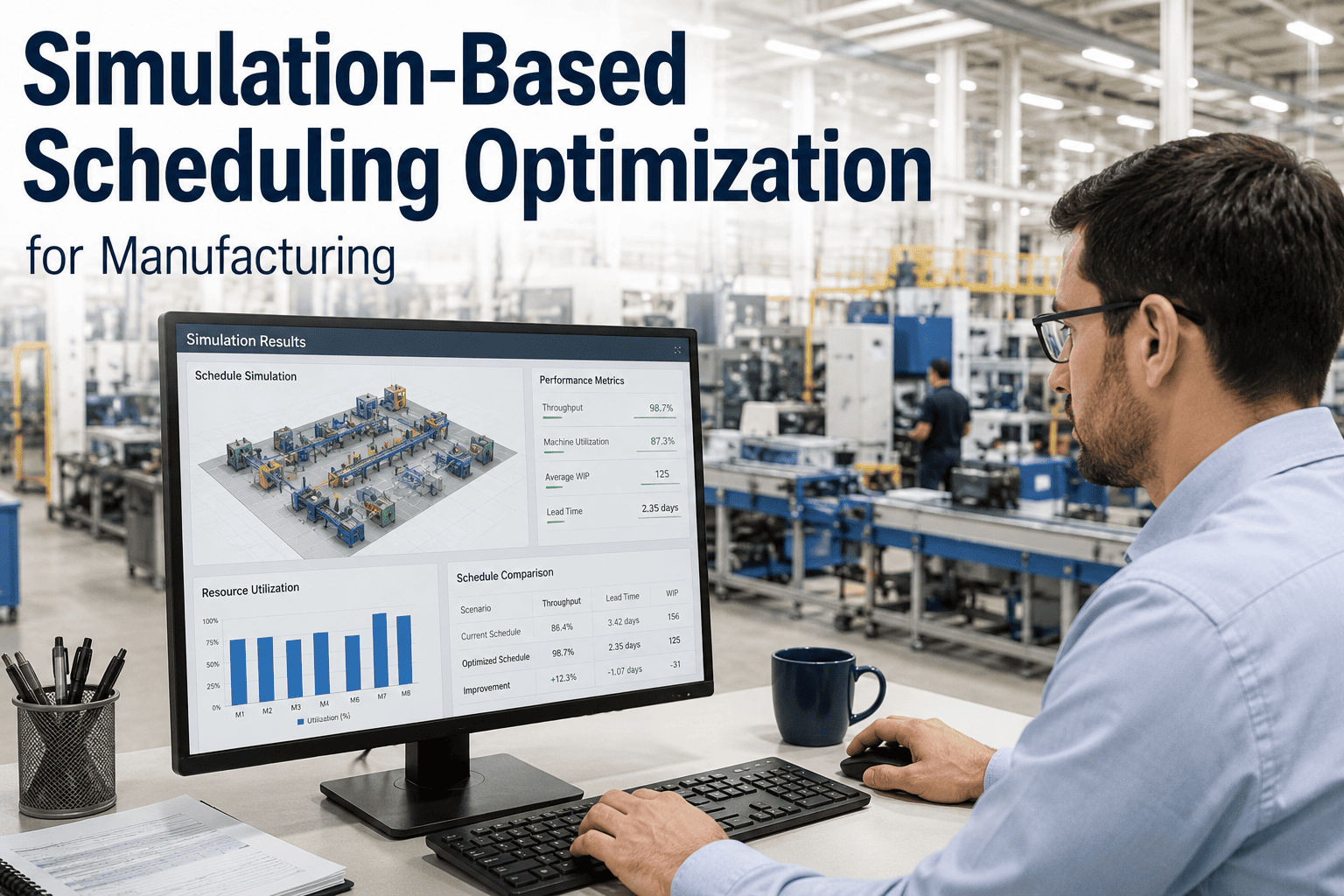
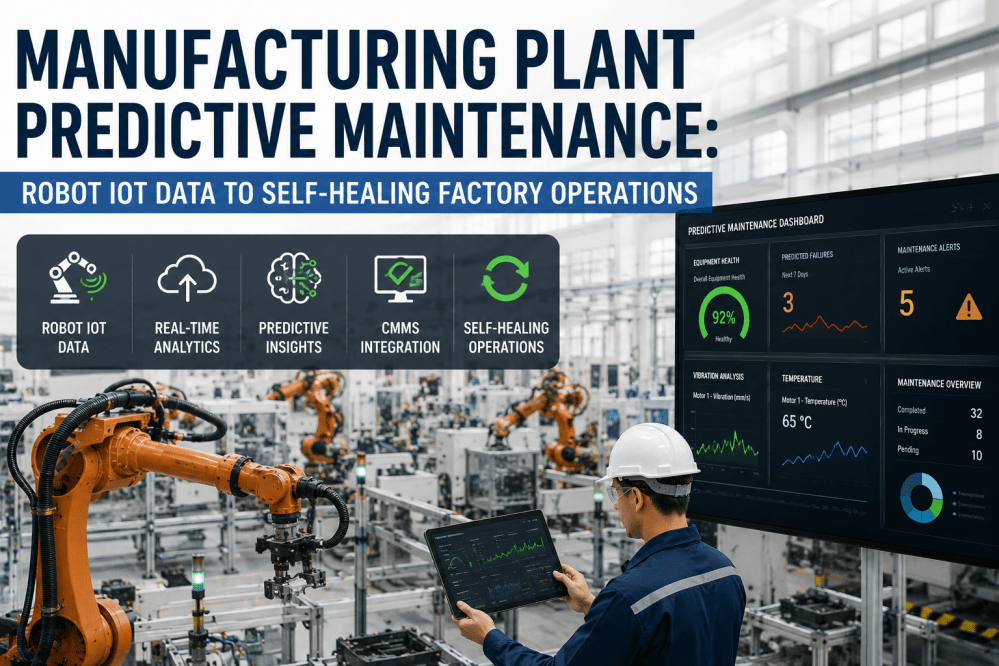
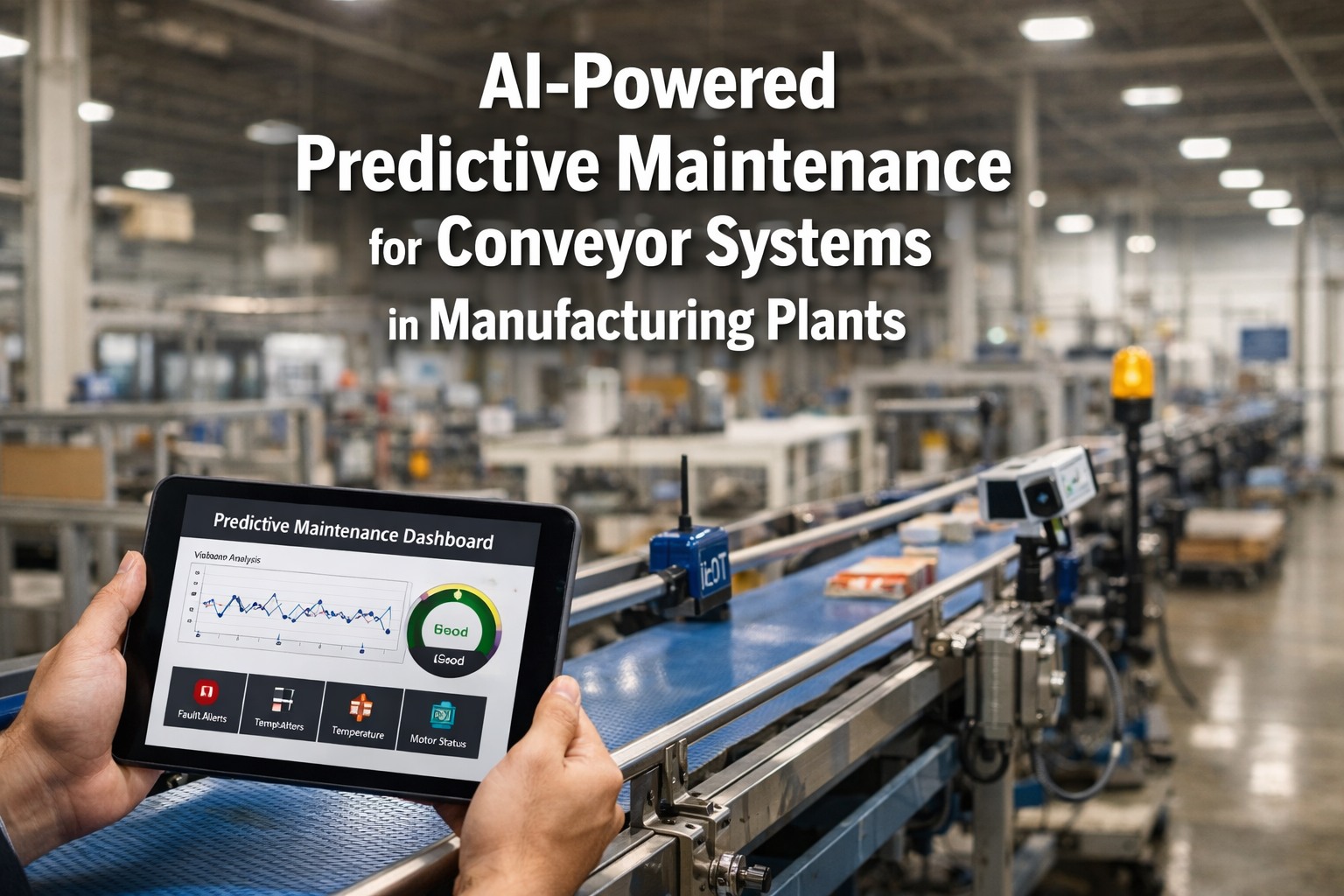
A discrete manufacturer had four AI proposals competing for the same annual budget: predictive maintenance, a quality vision system, a production scheduling tool, and an energy optimization initiative, each championed by a different department with its own case for going first. Rather than letting the loudest advocate win, the leadership team ran a scoring workshop rating each use case on financial impact, scope, and time to value against feasibility factors including existing sensor coverage, data quality, and integration complexity. Predictive maintenance scored highest on both axes, since the plant already had vibration sensors on its most critical rotating equipment feeding a historian. That use case was funded first, delivered a measurable downtime reduction within the first quarter, and the resulting case study became the justification for funding the quality vision system the following year.
4Competing use cases scored
1Clear top-ranked investment
1 qtrTo first measurable result
From Score to Budget
Turning a Priority Matrix Into an Approved Budget Line
A ranked list is only useful if it survives the budget conversation. These steps turn a scored use case into a funded project.
1
Attach a Real Cost FigureTranslate the value score into an actual dollar estimate using the plant's own downtime, scrap, or energy cost data, not an industry average.
2
Show the Feasibility EvidenceList the specific sensors, historian access, or integrations already in place that support the feasibility score, so the case is not just asserted.
3
Name the AlternativePresent the second-ranked use case alongside the winner, so leadership sees the scoring logic rather than a single unopposed recommendation.
4
Set a Measurement CheckpointDefine the specific metric and timeframe the project will be judged against, so success or failure is clear rather than debated later.
Frequently Asked Questions
AI Use Case Prioritization — What Manufacturing Leaders Ask First
Who should be involved in scoring AI use cases for a plant?
The most reliable scoring workshops include representatives from operations, maintenance, IT or data infrastructure, and finance, since each brings a different piece of the value and feasibility picture. Operations and maintenance typically have the clearest view of financial impact and current pain points, while IT can accurately assess data quality and integration complexity, and finance can validate the assumed cost avoidance figures. Running the workshop without IT input is one of the most common reasons feasibility scores turn out to be overly optimistic once a project actually begins.
How is a feasibility score different from a readiness assessment?
A feasibility score in a priority matrix is a relative comparison across multiple candidate use cases, designed to rank them against each other quickly, while a full readiness assessment is a deeper evaluation of a single use case's specific data infrastructure, integration requirements, and organizational preparedness. The priority matrix score is meant to be directional and fast, produced in a single workshop, so the plant can identify its top one or two candidates before investing the time in a detailed readiness assessment for those specific use cases only.
What if our highest-value use case scores low on feasibility?
A high-value, low-feasibility use case belongs in the prepare-the-foundation category rather than being abandoned or rushed. This typically means identifying the specific gap, such as missing sensor coverage or an incomplete data historian, and treating closing that gap as its own smaller project with its own timeline. Many plants run a lower-feasibility high-value use case in parallel with a high-feasibility quick win, using the quick win to build momentum and budget credibility while the foundation work for the bigger opportunity proceeds.
Book a Demo to talk through a sequencing plan for your specific use cases.
How often should the priority matrix be revisited?
Most plants revisit their use case rankings annually, or after completing a major initiative, since both value and feasibility scores shift as data infrastructure improves and as new sensors, historians, or integrations come online. A use case that scored low on feasibility two years ago because of missing instrumentation may score considerably higher today if that gap has since been closed by an unrelated project. Treating the matrix as a living document rather than a one-time exercise keeps the investment ranking accurate as plant conditions change.
Can this framework be applied across a multi-site manufacturing network?
Yes, and it is particularly useful at the network level, since data infrastructure maturity often varies significantly from site to site even when the underlying business case for a use case is similar across the network. Scoring feasibility per site rather than applying a single network-wide assumption typically reveals that the same use case should be sequenced differently at each facility, with more mature sites moving first and less mature sites prioritizing foundation work.
Contact support for guidance on running this exercise across multiple sites.
Stop Debating Which AI Project Goes First. Score It Instead.
iFactory helps plant teams build a value-versus-feasibility priority matrix scored against your actual data infrastructure, producing a ranked investment plan in a single workshop.