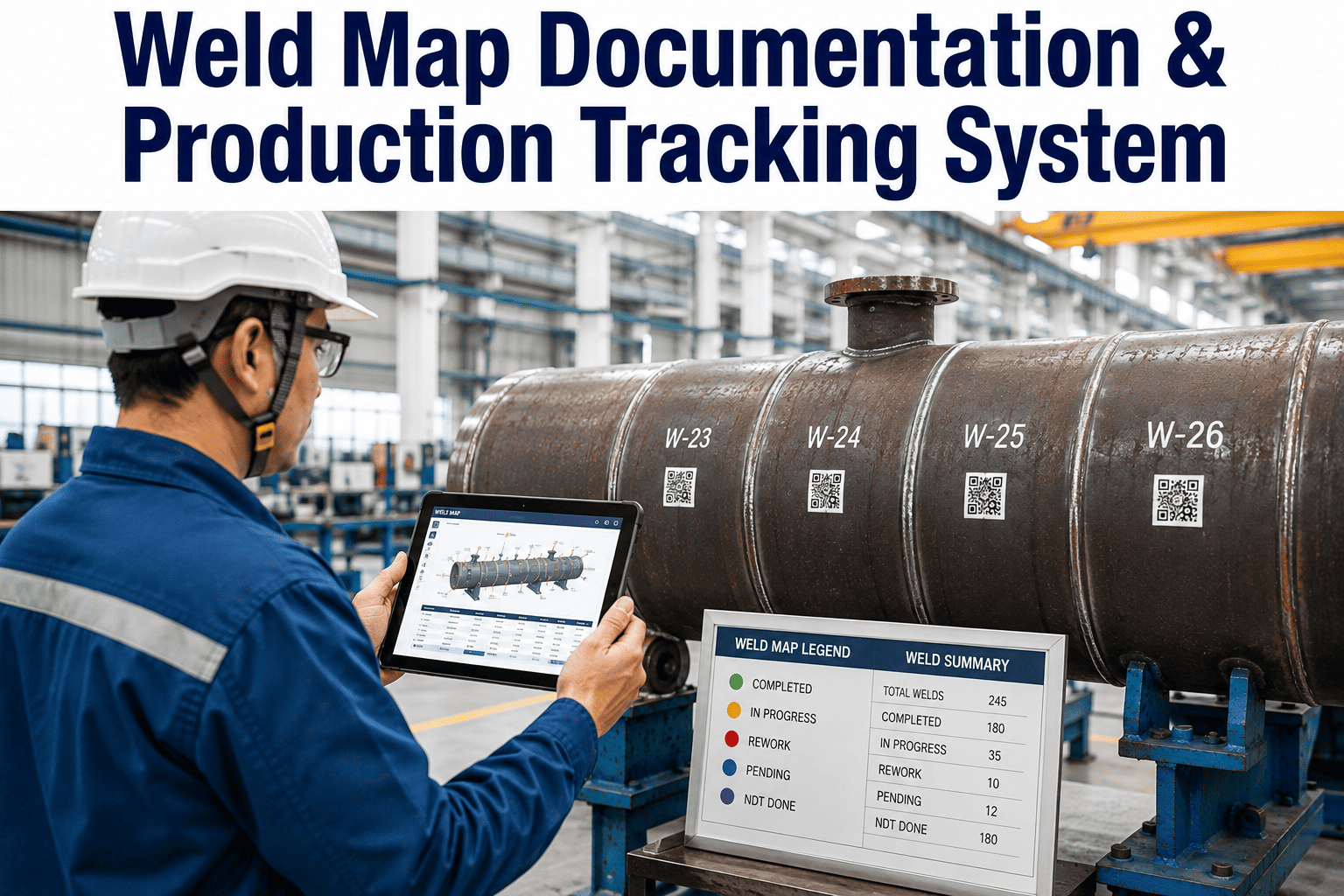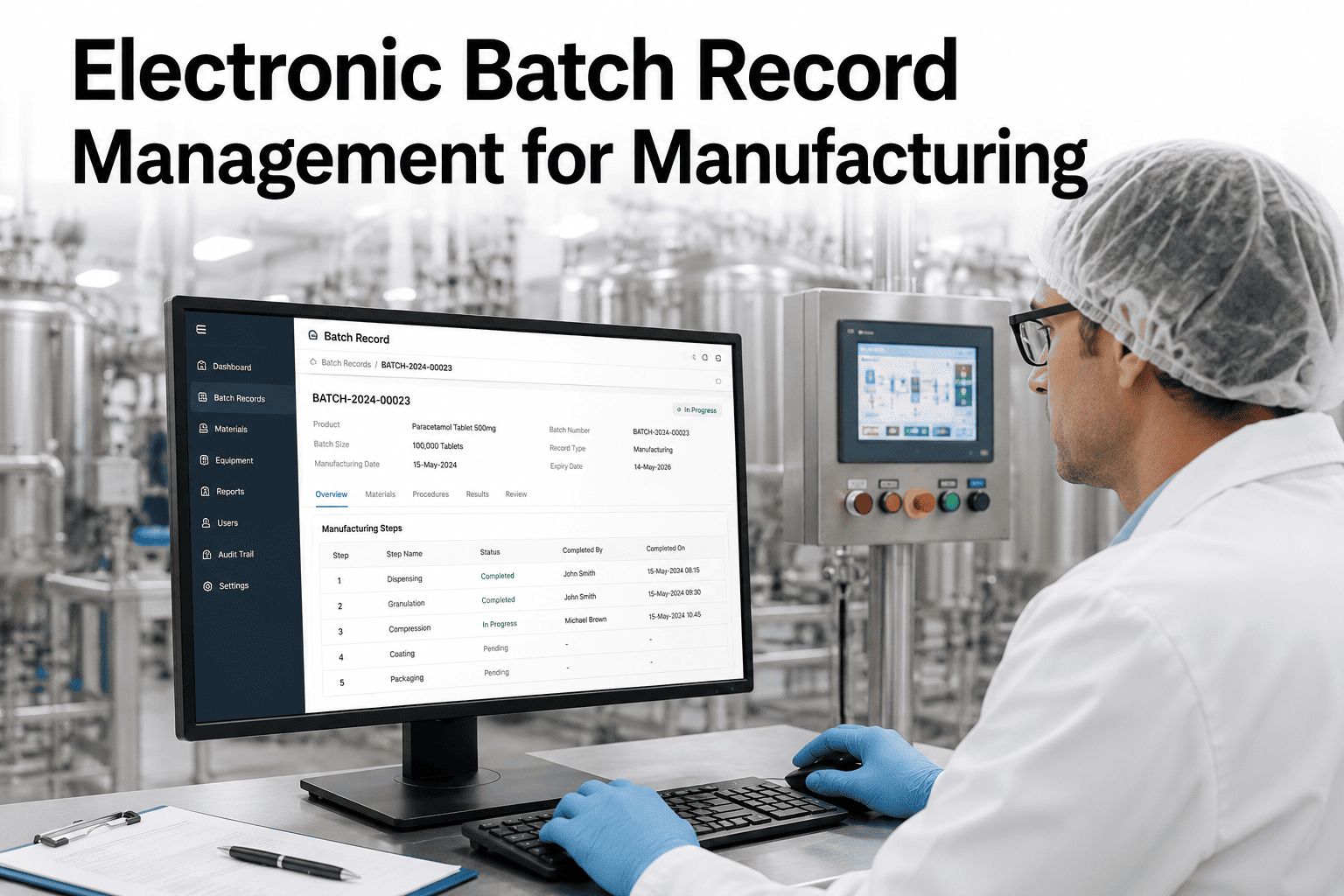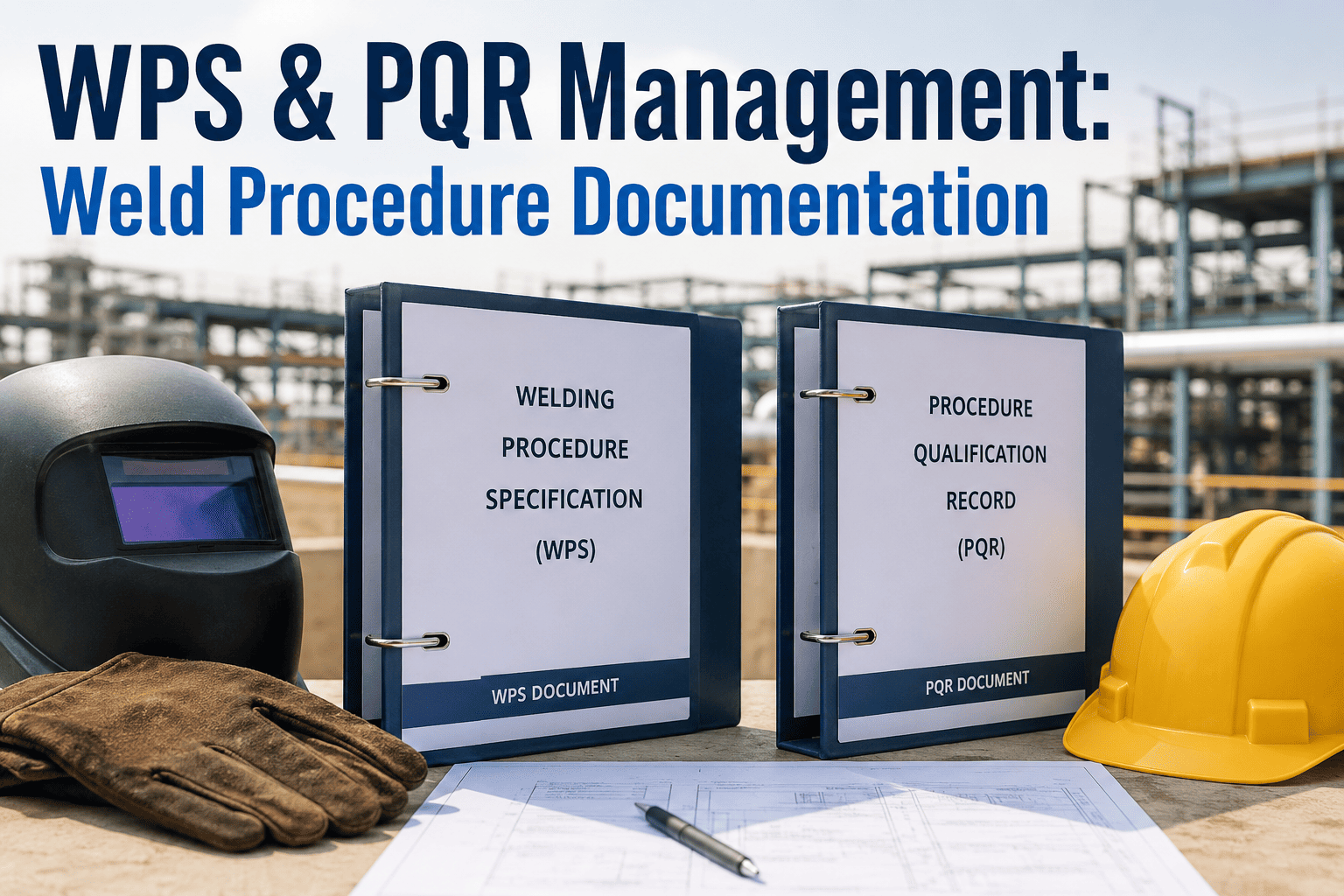
A single missing revision stamp on a Welding Procedure Specification can shut down a fabrication shop's shipment the day before an audit, even when every weld on the floor was made correctly. Weld documentation is one of the few places in manufacturing where the paperwork carries as much legal weight as the physical part, because a code-compliant weld with no traceable WPS, PQR, or welder qualification record is, from an inspector's perspective, an unqualified weld regardless of how it actually performs. Getting this system right is less about welding skill and more about document control, and that is exactly where most shops quietly bleed hours every week. See how iFactory keeps WPS and PQR records tied to every job automatically.
Your Welds Are Compliant. Can You Prove It in Thirty Seconds?
WPS development, PQR testing records, and welder qualification tracking, connected to the actual job so an auditor's question never turns into a two-day paper chase.
The Three Documents That Decide Whether a Weld Counts
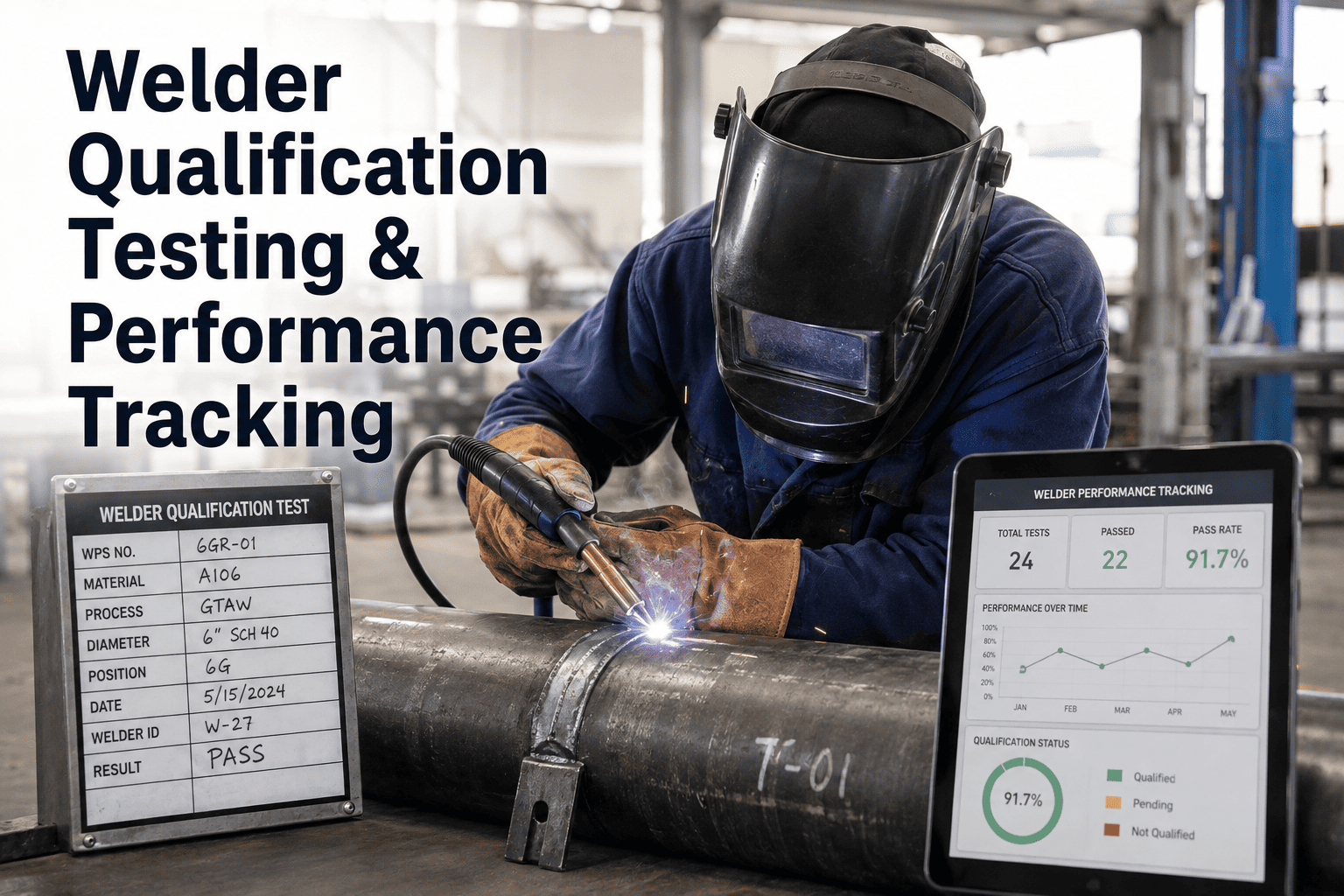
Every code-governed welding operation rests on three interlocking documents, and a gap in any one of them can invalidate an otherwise perfect weld in the eyes of an inspector or client auditor. A Welding Procedure Specification tells a welder exactly how to make a weld that meets code. A Procedure Qualification Record proves that following those instructions actually produces a sound weld, backed by destructive and mechanical testing. A Welder Qualification Test Record proves the individual person making the weld has demonstrated the skill to execute that specific procedure. None of the three substitutes for the others, and shops that treat them as interchangeable paperwork tend to discover the difference during an audit, not before one.
Why Essential Variables Are the Whole Ballgame
Not every field on a WPS carries the same weight when something changes on the shop floor. Codes like ASME Section IX split WPS content into essential, supplemental essential, and non-essential variables, and understanding that distinction is the difference between a minor administrative note and a procedure that needs full requalification. An essential variable, such as a change in base metal group or a shift outside the qualified thickness range, invalidates the WPS the moment it changes and demands a new PQR before production welding can continue under it. A non-essential variable, like a change in the technique used to clean between passes, generally just needs to be noted on the WPS without triggering new testing.
The practical danger shows up when a shop's paper-based system does not flag the difference clearly enough for a welder or supervisor on a busy floor to catch it in the moment. A last-minute material substitution or a thickness slightly outside the qualified range can easily go unnoticed under production pressure, and the weld that results is a code violation the moment it is struck, even if it looks and tests fine. Building the essential-variable check into the workflow itself, rather than relying on someone remembering to look it up, closes that gap before it becomes an audit finding.
Find Out Which of Your WPS Records Are Actually Audit-Ready Today
Bring your current WPS and PQR library to the call. We will walk through which procedures are complete, which are missing supporting records, and where welder qualifications are set to expire.
The Hidden Cost of Managing This on Spreadsheets and Binders
Most fabrication shops did not choose spreadsheets and paper binders as their weld documentation system, they simply never replaced the system they started with decades ago. The problem is not that spreadsheets cannot hold the data, it is that they cannot connect the data to anything else. A WPS sitting in a binder has no automatic link to which welders are currently qualified to use it, whether their qualification test is approaching its expiration window, or which specific job traveler that procedure was applied to on a given day.
That disconnect turns every audit, every client quality review, and every internal corrective action into a manual reconciliation exercise. A quality manager pulling together evidence for a single nonconformance report often has to cross-reference three separate binders and at least one spreadsheet just to confirm that the welder on record was actually qualified for that process and material combination on the date the weld was made. Multiply that across a shop running dozens of active procedures and welders, and the administrative burden becomes a real drag on throughput, not just an annoyance during audit season.
Welder Qualification Expiration Is the Quiet Compliance Risk
Most codes require a welder's qualification to be revalidated if they have not used a specific process within a defined period, commonly six months, or if there is specific reason to question their current skill. This is one of the most common findings in third-party audits, precisely because it is invisible on the shop floor until someone checks a date. A welder can be highly skilled and still be technically unqualified to make a specific weld on a specific day, simply because too much time passed since their last qualifying use of that process.
A live qualification register that flags upcoming expirations before they lapse, rather than after a weld has already been made under an expired qualification, converts this from a recurring compliance gamble into a scheduled, manageable task. Supervisors can rotate assignments to keep qualifications current or schedule requalification testing proactively, instead of discovering the gap during a client audit when the only fix left is re-testing and, in the worst case, re-examining welds already shipped.
| Scenario | Document Affected | Action Required |
|---|---|---|
| Base metal group changes | WPS and PQR | New PQR testing required |
| Welder inactive on process 6+ months | WQTR | Requalification test |
| Filler metal classification changes | WPS | New PQR or WPS revision |
| Cleaning technique note update | WPS | Non-essential note only |
| Thickness moves outside qualified range | WPS and PQR | New PQR testing required |
Connecting Documentation to the Actual Job Traveler
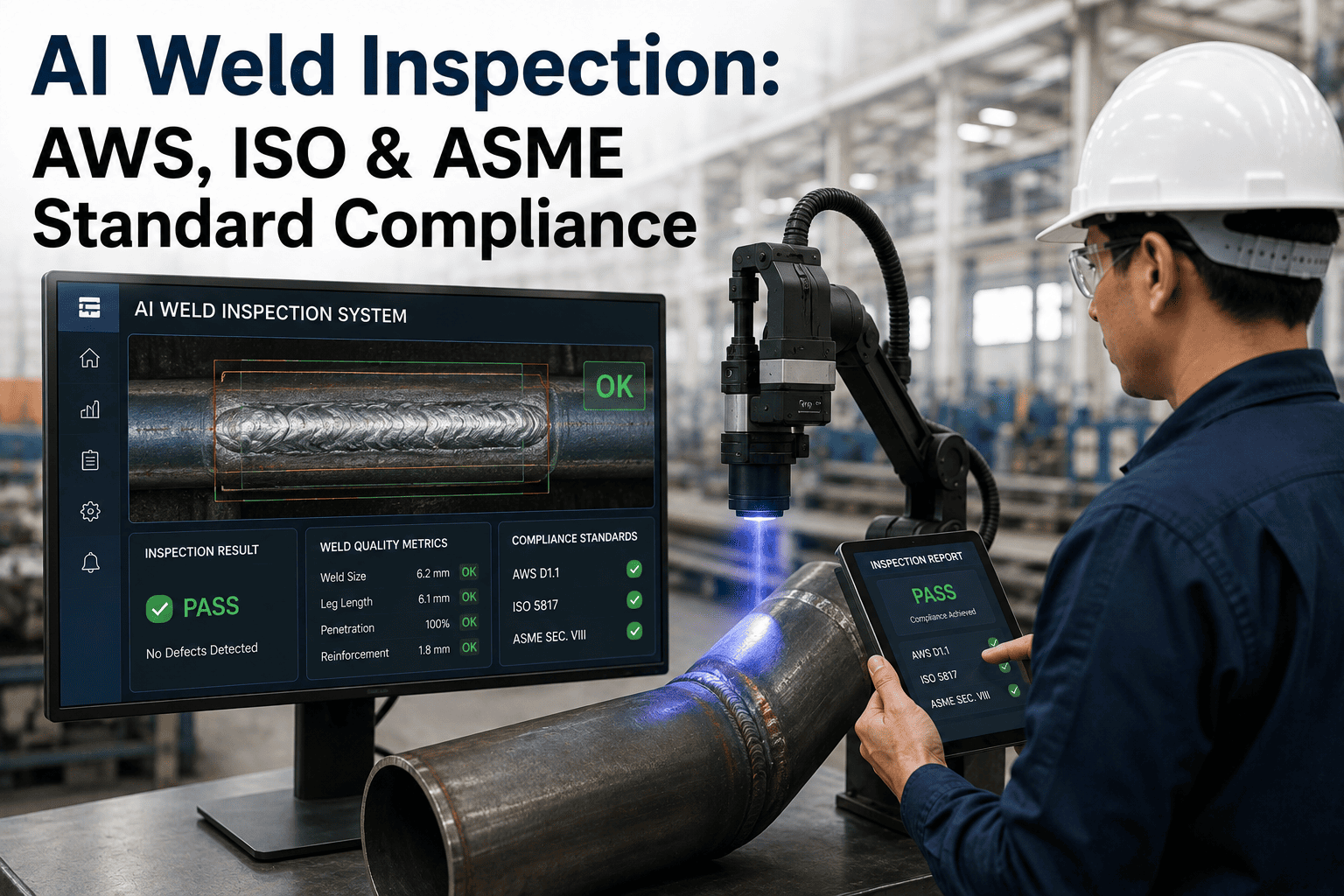
The real value of digitizing WPS and PQR management shows up when the documentation stops being a separate compliance activity and becomes part of the same record as the job itself. When a weld is logged against a specific traveler or work order, the system can automatically check whether the assigned welder currently holds a valid qualification for that WPS, on that material, in that position, before the work is logged as complete rather than after a client or auditor asks.
This also transforms how nonconformance investigations happen. Instead of manually reconstructing which procedure, which welder, and which test records applied to a specific defective weld, a connected system surfaces that chain instantly, letting quality teams spend their time on root cause analysis instead of document archaeology. For shops working under multiple codes and client-specific quality programs simultaneously, that traceability is often the single biggest factor in passing a surveillance audit without findings.
Frequently Asked Questions
Put Your WPS, PQR, and Welder Qualifications in One Connected Record
Bring your current documentation setup to the call. We will walk through what a connected WPS and PQR register would look like for your shop, and what it would take to get your welder qualifications tracked automatically.