A combined heat and power plant that can only run in one steam turbine mode is stuck choosing between two bad options every time heat demand and power price move in opposite directions — under-serving the steam host to chase a power price spike, or holding full back-pressure output and leaving money on the table when the power market pays more than the heat load needs. Extraction turbines exist to solve exactly this problem, splitting steam flow between a heat-serving extraction point and a condensing path to the low-pressure turbine, but running that split well in real time is a genuinely difficult optimization problem — one that gets harder as power markets get more volatile and heat demand swings with weather. Getting the back-pressure-versus-condensing decision right, continuously, is what separates a CHP plant that captures its full flexibility value from one that leaves it on the table. Plants ready to see how an optimized extraction strategy performs against their actual heat and power data can Book a Demo.
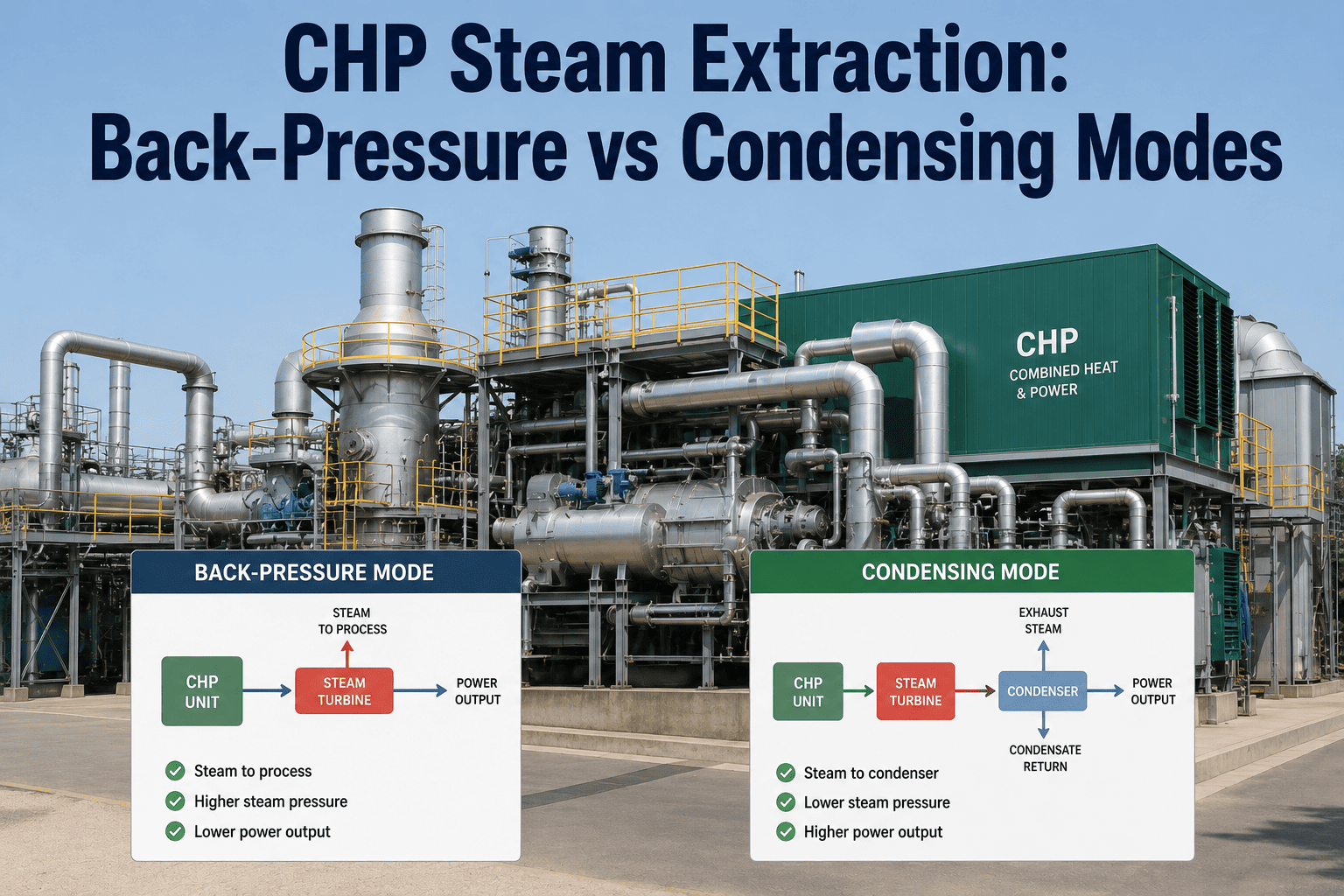
Back-Pressure
All exhaust steam routes to the heat host at extraction pressure — priority on heat delivery.
Condensing
Steam expands fully through the LP turbine to the condenser — priority on power output.
Why CHP Plants Need to Move Between Operating Modes
Heat demand and power price rarely move in sync, and a CHP plant locked into one operating posture is structurally unable to respond to that mismatch. Four recurring pressures are what actually drive the need for extraction flexibility.
Seasonal Heat Demand Swings
Steam host demand can vary by several times between peak winter heating load and low summer demand, and a fixed back-pressure setpoint sized for winter wastes power capacity for most of the year.
Power Price Volatility
Hourly and even sub-hourly power prices can swing sharply enough that shifting steam from heat extraction to condensing power generation for a few hours materially changes plant revenue for that period.
Missed Flexibility Revenue
Markets increasingly value units that can shift output quickly — a CHP plant that can move between modes on demand is eligible for flexibility and ancillary products that a fixed-mode plant simply cannot offer.
Limited Thermal Storage Buffer
Without significant thermal storage to decouple heat delivery from power generation timing, the turbine's real-time extraction split is often the only lever available to balance both obligations simultaneously.
Back-Pressure vs Condensing Mode: Side-by-Side Comparison
Each mode optimizes for a different outcome, and most extraction turbines actually operate somewhere between the two extremes rather than purely in one or the other. Understanding the boundaries helps frame where the real operating decision sits.
| Characteristic | Back-Pressure Mode | Condensing Mode |
|---|---|---|
| Steam path | Full exhaust routed to heat host at extraction pressure | Full expansion through LP turbine to condenser |
| Power output | Lower — limited by extraction pressure requirement | Higher — full expansion drives maximum LP output |
| Heat output | Maximum available heat delivery to host | Minimal or no heat delivery |
| Overall thermal efficiency | Highest when heat is fully utilized | Lower — condenser rejects unused thermal energy |
| Best-fit condition | High heat demand, moderate or low power price | Low heat demand, high power price |
How Extraction Turbines Actually Enable the Split
An extraction-condensing turbine is built with a controlled extraction point partway through the expansion path, along with extraction and admission valves that determine how much steam continues to the low-pressure section versus how much diverts to the heat host. Adjusting those valve positions in real time is what shifts the unit anywhere along the spectrum between full back-pressure and full condensing operation.
Steam expands through the high-pressure section before reaching the controlled extraction point.
Extraction valves determine what portion of steam diverts to the heat host at this stage.
Diverted steam supplies district heat or process steam demand at the required pressure.
Remaining steam continues through the LP turbine to the condenser, generating additional power output.
Matching Operating Strategy to Season and Market Condition
The right extraction split changes with the season and the market, which is why a single fixed setpoint rarely serves a CHP plant well year-round.
Peak Winter Heating Season
Heat host demand typically dominates the operating decision, pushing the unit toward back-pressure-heavy operation to fully serve the steam host regardless of power price.
Summer Low Heat Demand
With steam host demand at its lowest, the unit has room to shift toward condensing operation whenever power prices justify capturing the additional output.
Shoulder Season Variability
Spring and fall bring the widest range of viable operating points, where the extraction split needs to respond to both heat demand and power price on an hourly basis rather than a fixed seasonal setpoint.
Control Challenges When Switching Between Modes
Shifting the extraction split is not a simple valve adjustment — it introduces several control challenges that a well-tuned operating strategy has to manage simultaneously.
Extraction Pressure Stability
The heat host typically requires steam within a tight pressure band — extraction control has to hold that pressure steady even as the overall split shifts.
LP Turbine Steam Quality
Reduced flow to the LP turbine during heavy extraction can push steam conditions toward the wet end of the expansion path, raising blade erosion risk if not managed carefully.
Thermal Stress During Transitions
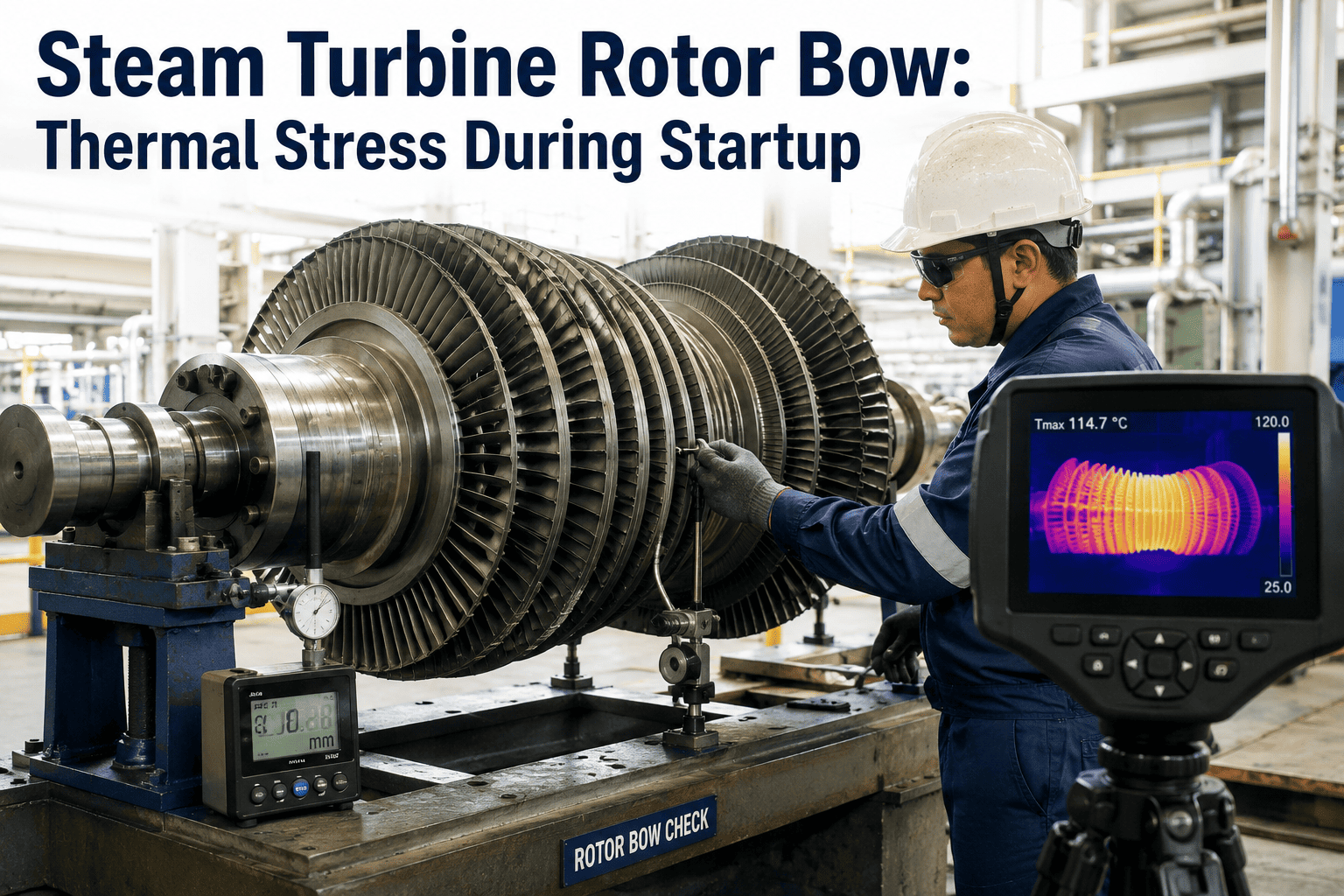
Rapid shifts in extraction flow change metal temperatures across the turbine casing, and transitions that move too quickly can accelerate thermal fatigue over repeated cycles.
Condenser Vacuum Management
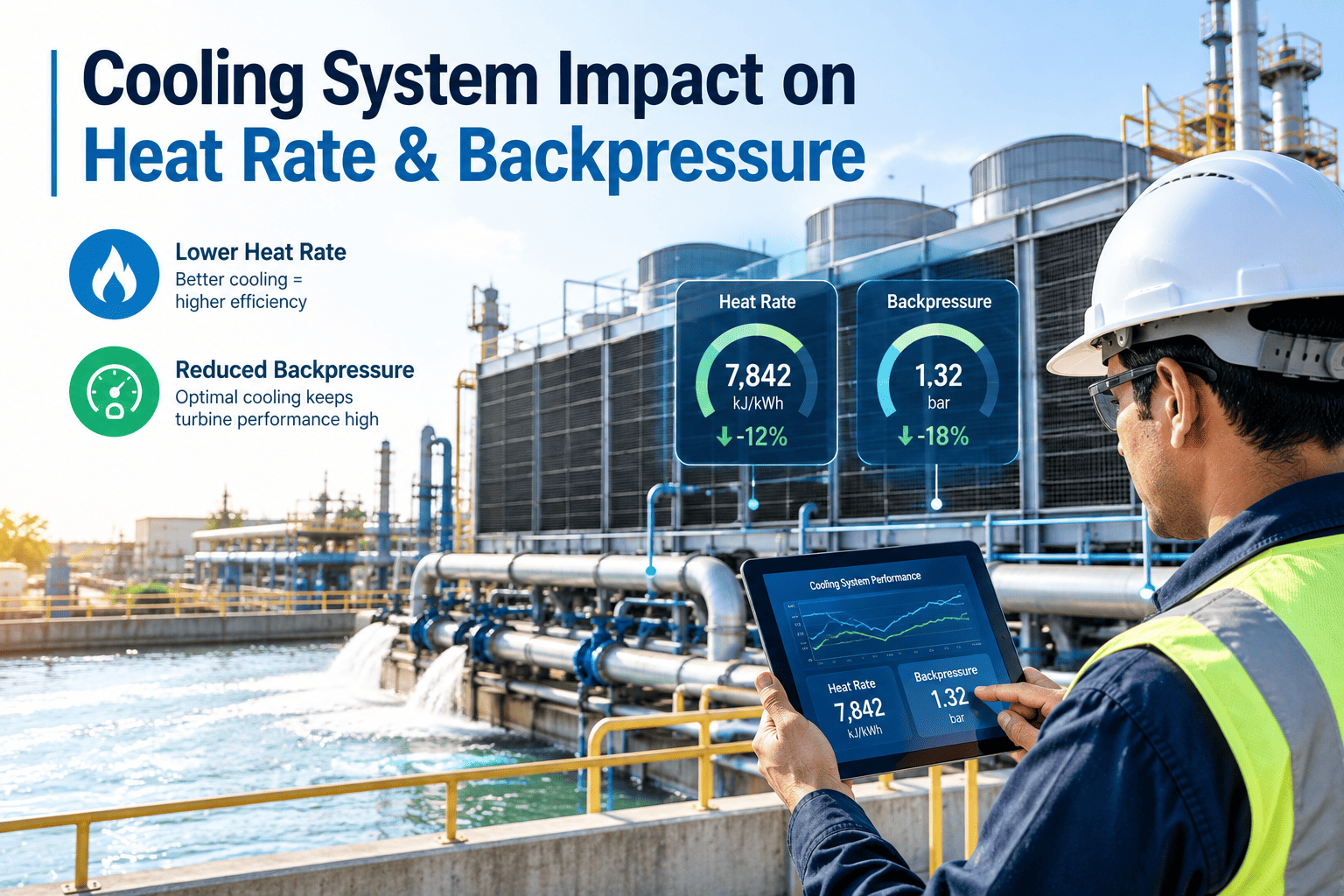
Swinging condensing flow rapidly changes condenser loading, and vacuum has to be actively managed to avoid backpressure excursions that hurt LP turbine efficiency.
Where AI-Based Optimization Fits
Manually deciding the extraction split hour to hour based on operator judgment leaves real value on the table once heat demand forecasts, power price signals, and turbine constraints all have to be weighed together continuously. AI-based optimization automates that weighing process.
Heat Demand Forecasting
Short-term forecasts of steam host demand, informed by weather and historical load patterns, set the minimum extraction commitment for each period.
Real-Time Economic Dispatch
Power price signals are weighed against the marginal value of additional extraction steam to determine the economically optimal split above the required minimum.
Automated Extraction Control
Optimized setpoints are translated into extraction and admission valve targets, with transition rate limits built in to manage thermal stress.
Market Bid Optimization
Where market participation allows, forecasted flexibility informs bidding strategy for ancillary or flexibility products the unit can now credibly offer.
Decision Framework: Heat Demand vs Power Price
The following simplified matrix illustrates how heat demand and power price together point toward a general operating posture — actual optimization runs continuously rather than in these discrete bands, but the framework shows the underlying logic.
| Heat Demand | Power Price | Indicated Posture |
|---|---|---|
| High | Low or moderate | Back-pressure-dominant — serve the heat host fully |
| High | High | Balanced — meet minimum heat commitment, extract remaining margin for power |
| Low | High | Condensing-dominant — shift toward maximum power output |
| Low | Low | Balanced or reduced load — reassess dispatch economics |
Getting Started: Assessing Your Plant's Flexibility Potential
Pull historical heat demand and power price data together to see how often they move in opposite directions.
Confirm the turbine's actual extraction range and any operational constraints on how quickly the split can shift.
Identify contractual minimum heat delivery commitments that set the floor for any extraction optimization.
Review current market participation options that reward operating flexibility, not just fixed capacity.
Estimate potential revenue uplift from a small number of past periods where a different extraction split would have been more valuable.
Frequently Asked Questions: CHP Steam Extraction Operation
What is the difference between back-pressure and condensing turbine operation?
In back-pressure operation, all or most of the turbine's exhaust steam is routed to a heat host at a controlled extraction pressure, prioritizing heat delivery over power output. In condensing operation, steam expands fully through the low-pressure turbine section down to condenser pressure, prioritizing maximum power generation with little or no heat delivered. An extraction-condensing turbine can operate anywhere along the spectrum between these two extremes by adjusting extraction valve position, which is what gives CHP plants their operating flexibility.
How quickly can a CHP unit shift between back-pressure and condensing modes?
Shift speed depends on the specific turbine's design limits and thermal stress management, but most extraction turbines can adjust the split meaningfully within minutes to an hour, subject to transition rate limits that protect against excessive thermal cycling on the casing and rotor. Plants looking to understand their specific unit's realistic transition speed can Book a Demo to review turbine-specific constraints.
Does shifting toward condensing operation reduce overall plant efficiency?
Yes, in terms of total fuel utilization — condensing operation rejects thermal energy to the condenser that back-pressure operation would otherwise deliver as useful heat, so overall thermal efficiency is generally lower when running condensing-heavy. The decision to shift toward condensing is typically an economic one, made when the power revenue captured outweighs the value of the heat that would have been delivered, not an efficiency-maximizing choice in isolation.
Can extraction splitting cause equipment wear over time?
Frequent, rapid transitions between extraction levels do introduce additional thermal cycling on the turbine casing and rotor compared to steady fixed-mode operation, which is why transition rate limits and controlled ramping matter as much as the target setpoint itself. A well-designed optimization strategy accounts for this by weighing the value of a mode shift against the incremental wear it introduces, rather than chasing every short-term price signal regardless of transition frequency.
How does AI-based optimization improve on manual extraction control?
Manual extraction control typically relies on operator experience and periodic setpoint adjustments, which cannot realistically weigh continuous heat demand forecasts against real-time power price signals hour by hour. AI-based optimization automates that weighing process, translating forecasted demand and price data directly into recommended or automated extraction targets while respecting turbine transition limits. Support contact iFactory Support can walk through how this integrates with an existing DCS and market participation setup.