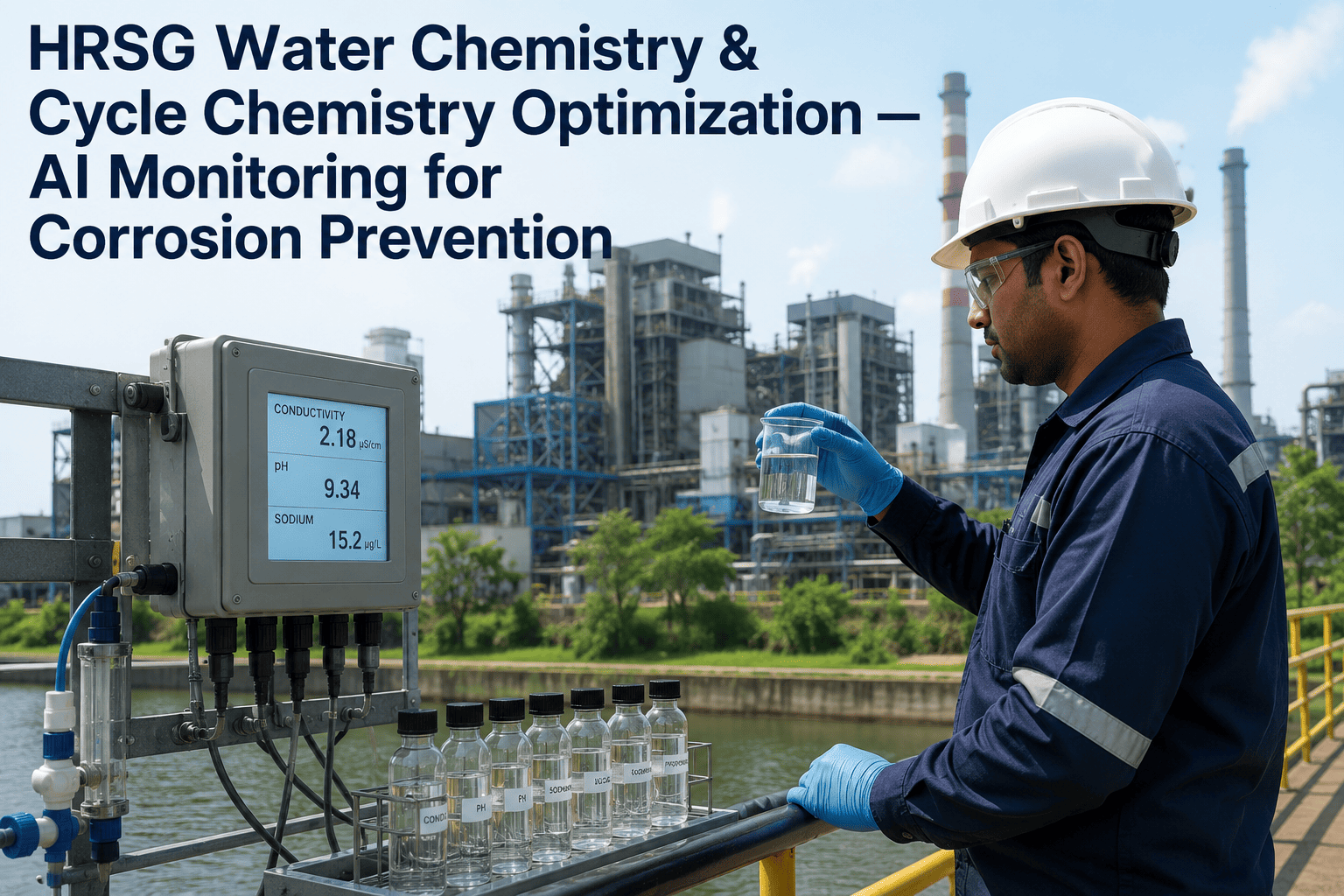
In modern combined-cycle power plants, the Heat Recovery Steam Generator (HRSG) is the critical interface between gas turbine exhaust and steam cycle efficiency. Yet, it is also the primary site for water chemistry-induced failures — flow-accelerated corrosion (FAC), under-deposit corrosion (UDC), and stress corrosion cracking (SCC). These failure modes are responsible for unplanned outages, reduced heat transfer, and catastrophic tube ruptures. Traditional periodic sampling and manual chemical dosing are no longer sufficient to maintain the stringent cycle chemistry parameters required by standards like EPRI, VGB, and IAPWS. This guide provides a deep technical exploration of HRSG water chemistry, the underlying corrosion mechanisms, and the transformative role of AI-driven predictive analytics in achieving real-time chemistry optimization. For plant managers and process engineers seeking to eliminate corrosion risks and maximize asset lifespan, Book a Demo to see how iFactory's AI platform can revolutionize your cycle chemistry control.
Eliminate HRSG Corrosion with AI-Driven Cycle Chemistry Control
Real-time monitoring, predictive dosing, and automated compliance for EPRI and IAPWS guidelines
The Physics of HRSG Water Chemistry: Why Precision Matters
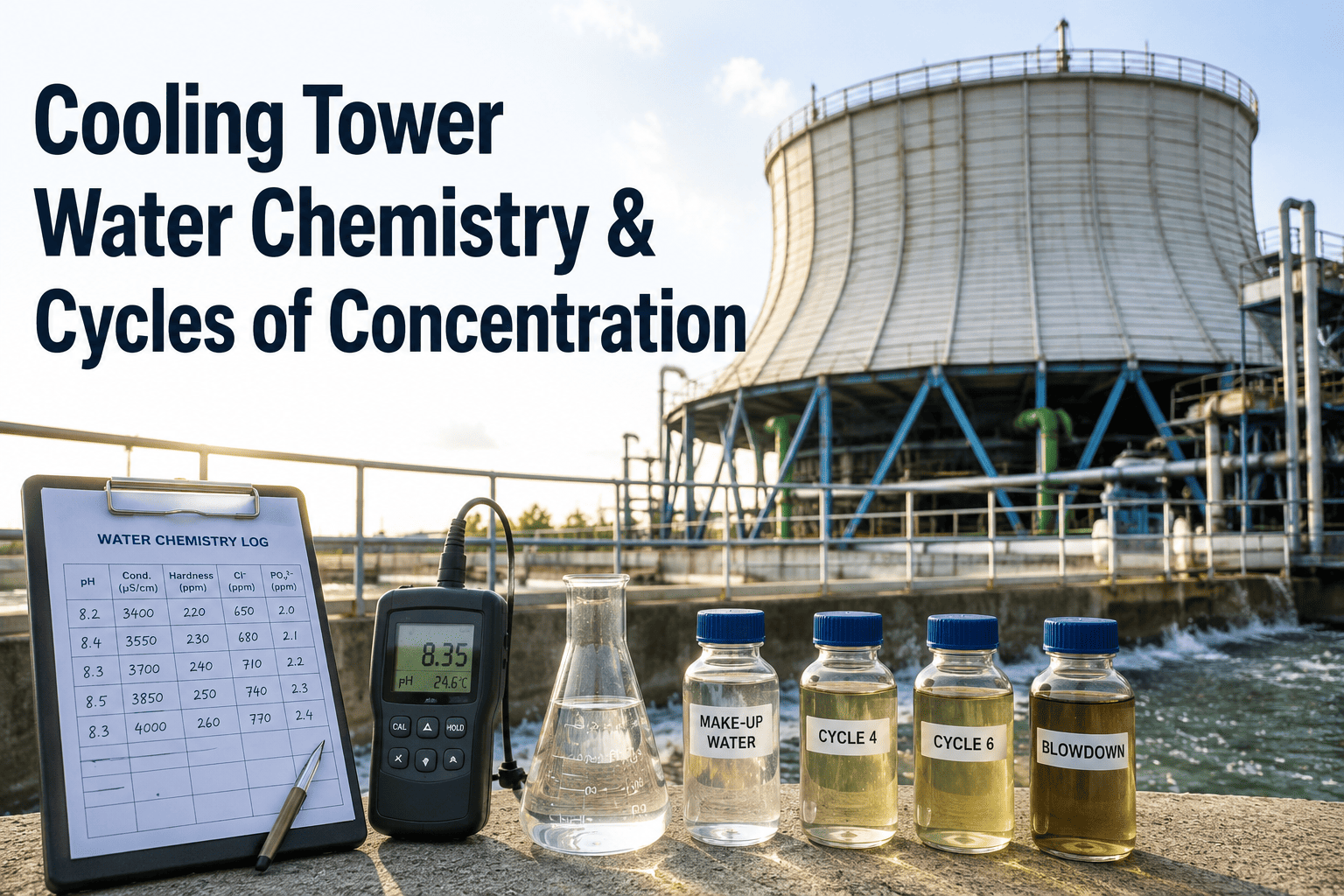
HRSG water chemistry is governed by the need to maintain a protective magnetite (Fe3O4) layer on carbon steel surfaces. This layer forms naturally under reducing conditions but can be destabilized by oxygen ingress, pH excursions, or the presence of aggressive anions like chloride and sulfate. The key parameters — pH, conductivity, dissolved oxygen, and cation conductivity — must be held within tight bands that vary with pressure and temperature. For example, at HP drum pressures above 150 bar, the recommended pH range is 9.2-9.6 (using ammonia or amines) to minimize both FAC and copper transport. Any deviation can lead to rapid oxide dissolution and accelerated corrosion rates exceeding 1 mm/year. Advanced monitoring must capture these dynamics with sub-minute resolution, which is impossible with manual grab sampling.
Corrosion Mechanisms in HRSG Tubes: A Technical Breakdown
Flow-Accelerated Corrosion (FAC)
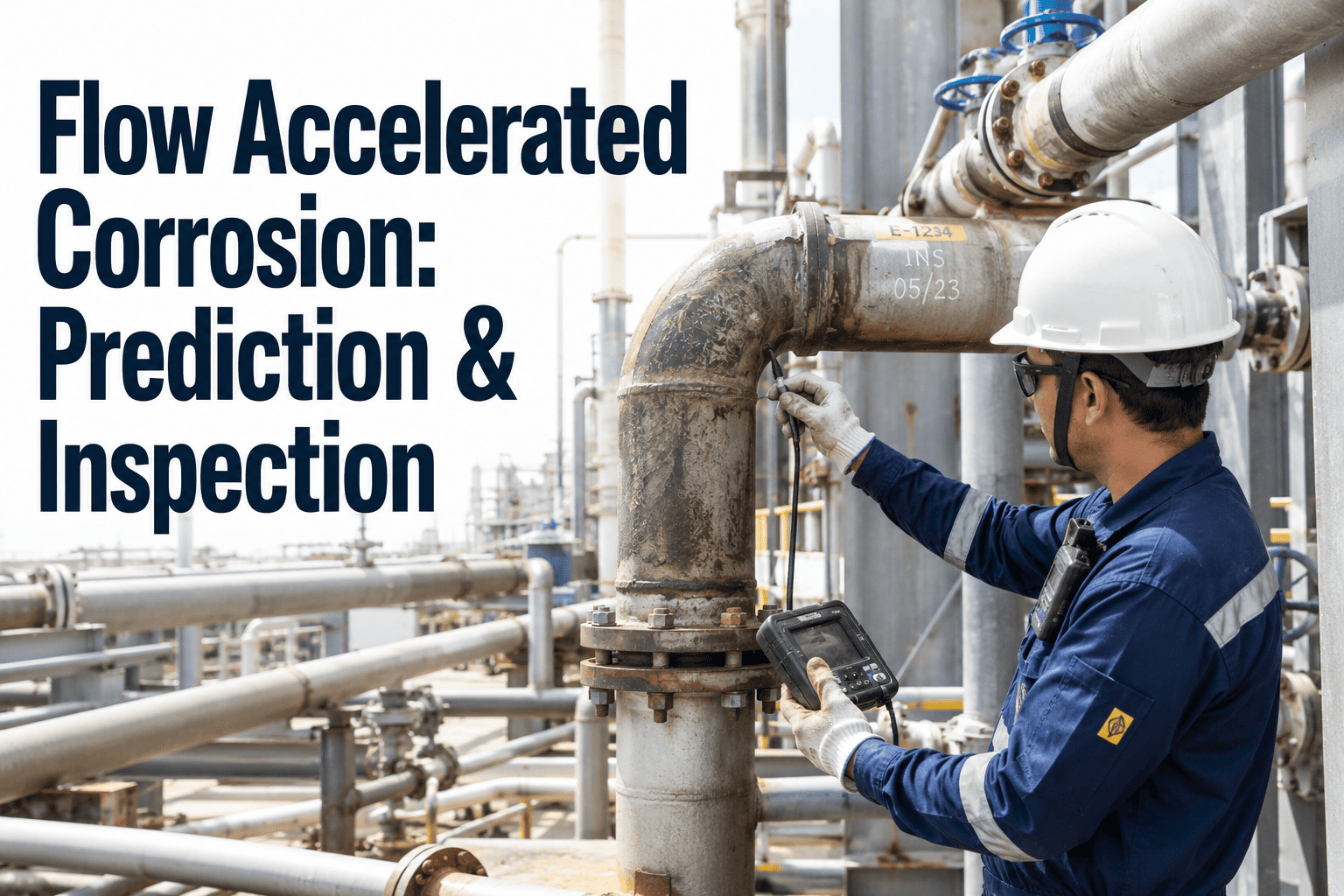
FAC occurs when the protective magnetite layer dissolves into the flowing water, especially in single-phase flow regions like economizer tubes and feedwater piping. The rate depends on temperature (peak at 150-180°C), pH, and the presence of reducing agents. AI models can predict FAC rates by correlating real-time chemistry data with CFD-based flow patterns, enabling targeted chemical dosing to raise pH and reduce solubility.
Under-Deposit Corrosion (UDC)
UDC initiates beneath iron oxide deposits or scale, creating differential aeration cells that drive localized pitting. These deposits concentrate aggressive species like chloride and sulfate, leading to rapid wall thinning. AI-driven analytics can identify deposit-prone areas by analyzing temperature profiles and chemistry transients, triggering preemptive cleaning cycles or dispersant dosing.
Stress Corrosion Cracking (SCC)
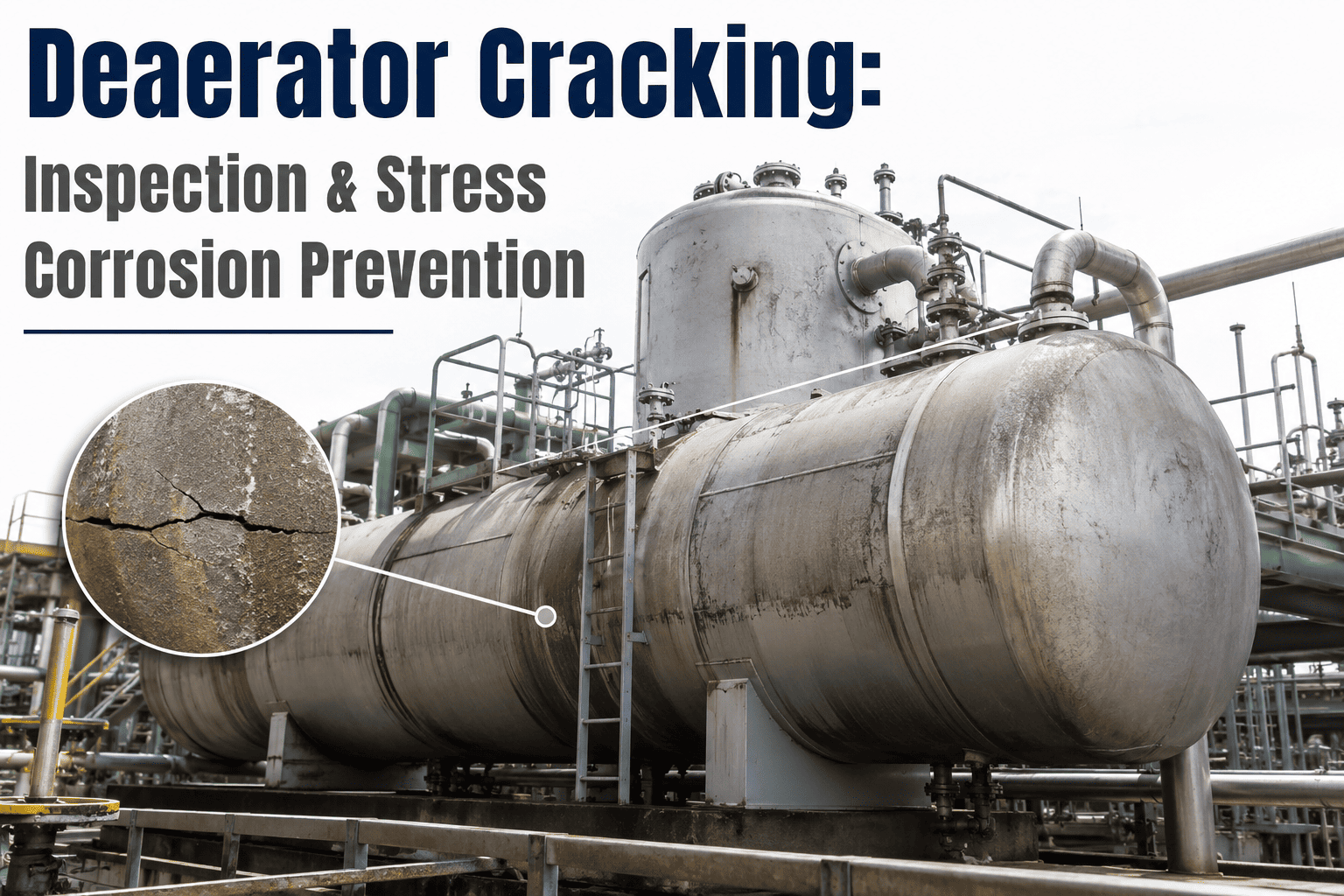
SCC in HRSG tubes results from the synergistic effect of tensile stress (residual or operational), a susceptible material (e.g., austenitic stainless steel in superheaters), and a corrosive environment containing chlorides or caustic. Maintaining low chloride levels (< 2 ppb) and proper pH is critical. AI systems can forecast SCC risk by integrating chemistry data with operational stress history from plant DCS.
Ready to Transform Your HRSG Chemistry Management?
Leverage AI to prevent corrosion, reduce chemical costs, and ensure 100% compliance with industry standards.
Critical Cycle Chemistry Parameters and Their AI-Enabled Control
| Parameter | Target Range | AI Control Action |
|---|---|---|
| pH (at 25°C) | 9.2 - 9.6 (HP), 8.8 - 9.2 (IP/LP) | Predictive amine dosing based on load changes |
| Cation Conductivity | < 0.2 µS/cm (HP) | Real-time detection of condenser leaks, automatic isolation |
| Dissolved Oxygen | < 5 ppb (HP), < 20 ppb (LP) | Oxygen scavenger dosing optimized by load ramp rate |
| Chloride | < 2 ppb (HP), < 5 ppb (IP/LP) | Anomaly detection for seawater ingress, alarm escalation |
| Iron | < 10 ppb (HP) | Corrosion rate trending, predictive tube thinning alerts |
The AI Implementation Roadmap for HRSG Chemistry Optimization
Sensor Integration & Data Acquisition
Deploy high-accuracy online analyzers for pH, conductivity, dissolved oxygen, and sodium. Connect to iFactory's edge gateway for sub-second data streaming.
Baseline Model Training
Use 6-12 months of historical data to train AI models that correlate chemistry parameters with corrosion rates, deposit accumulation, and tube wall thickness measurements.
Predictive Dosing & Automated Control
Deploy closed-loop chemical dosing algorithms that anticipate load changes and adjust amine, oxygen scavenger, and dispersant injection rates in real time.
Continuous Optimization & Reporting
Implement dashboard with live KPIs, compliance reports, and corrosion risk maps. Enable automatic adjustment of setpoints based on seasonal water quality variations.
Operational and Financial Benefits of AI-Driven Cycle Chemistry
Extended Asset Life
Proactive corrosion control extends HRSG tube life by 5-8 years, deferring capital replacement costs of $2-5 million per unit.
Reduced Chemical Spend
AI-optimized dosing reduces chemical consumption by 30-40%, saving $150,000-$300,000 annually for a typical 500 MW plant.
Improved Heat Rate
Cleaner tubes and reduced fouling improve heat transfer, boosting overall plant efficiency by 0.5-1.0%.
Regulatory Compliance
Automated reporting ensures 99.9% compliance with EPRI, VGB, and local environmental standards, reducing audit risk.
Case Study: AI Implementation at a 600 MW Combined-Cycle Plant
A major Gulf Coast power plant faced recurring FAC failures in the LP economizer, causing two unplanned outages per year. After implementing iFactory's AI platform, the plant achieved a 92% reduction in FAC-related tube failures within 18 months. The system automatically adjusted amine dosing during rapid load ramps (20 MW/min), maintaining pH within ±0.05 units. Chemical costs dropped by 35%, and the plant now operates with a cation conductivity below 0.15 µS/cm 99.8% of the time. The return on investment was realized in under 10 months.
Frequently Asked Questions
What are the main challenges in maintaining HRSG water chemistry?
The primary challenges include managing rapid load changes that cause pH and dissolved oxygen excursions, preventing condenser in-leakage that introduces chloride and sulfate, and controlling corrosion product transport from the feedwater system. Traditional manual sampling cannot capture the sub-minute dynamics of these events. AI-driven monitoring provides real-time detection and predictive dosing to maintain chemistry within precise limits. For a detailed analysis of your plant's specific challenges, Book a Demo.
How does AI improve chemical dosing compared to traditional PID control?
Traditional PID controllers react to deviations after they occur, leading to overshoot and chemical waste. AI models, such as reinforcement learning and neural networks, predict future chemistry states based on load forecasts, water quality trends, and historical upset patterns. This allows preemptive dosing adjustments that maintain tighter control (e.g., pH within ±0.02 units) and reduce chemical consumption by up to 40%. The system also learns from seasonal changes in raw water quality. For more information on our AI dosing algorithms, visit our support page.
What sensors are required for AI-based HRSG chemistry monitoring?
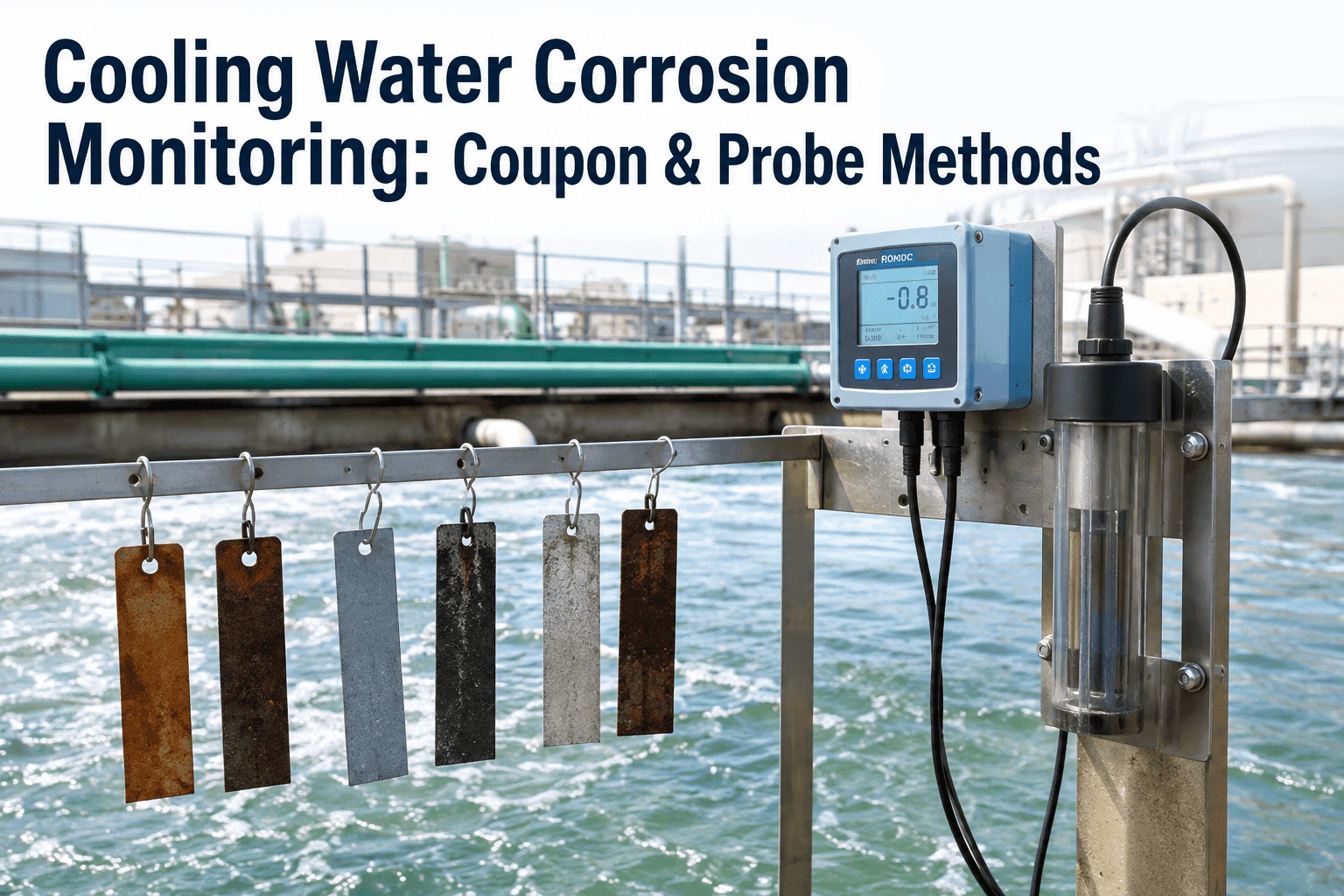
The minimum sensor set includes online pH meters, cation conductivity analyzers, dissolved oxygen sensors, and sodium analyzers. For advanced corrosion prediction, we recommend integrating with online iron analyzers and corrosion rate probes (e.g., electrical resistance or LPR). All sensors must have sub-minute response times and be calibrated to EPRI standards. iFactory's platform supports data fusion from any OPC-UA or Modbus-compatible device. For a sensor specification sheet, contact our support team.
How long does it take to deploy the AI system?
Typical deployment takes 8-12 weeks from sensor installation to full closed-loop control. The timeline includes site assessment, sensor integration, historical data collection (minimum 6 months), model training, and validation. iFactory provides on-site engineers for the first 4 weeks to ensure seamless integration with existing DCS and chemical feed systems. After deployment, the system continuously improves through automated retraining. To schedule a deployment consultation, Book a Demo.
What is the ROI for AI-based cycle chemistry optimization?
The ROI is typically achieved within 6-12 months, driven by chemical savings (30-40% reduction), reduced outage costs (each unplanned outage costs $500K-$2M), and extended tube life (5-8 years). A 500 MW plant can expect annual savings of $500K-$1M. Additionally, improved heat rate from cleaner tubes can yield fuel savings of $200K-$400K per year. For a personalized ROI calculator, contact our support team.
Take Control of Your HRSG Chemistry Today
Join industry leaders who have eliminated corrosion failures and optimized chemical dosing with AI. Your plant's efficiency and reliability depend on it.