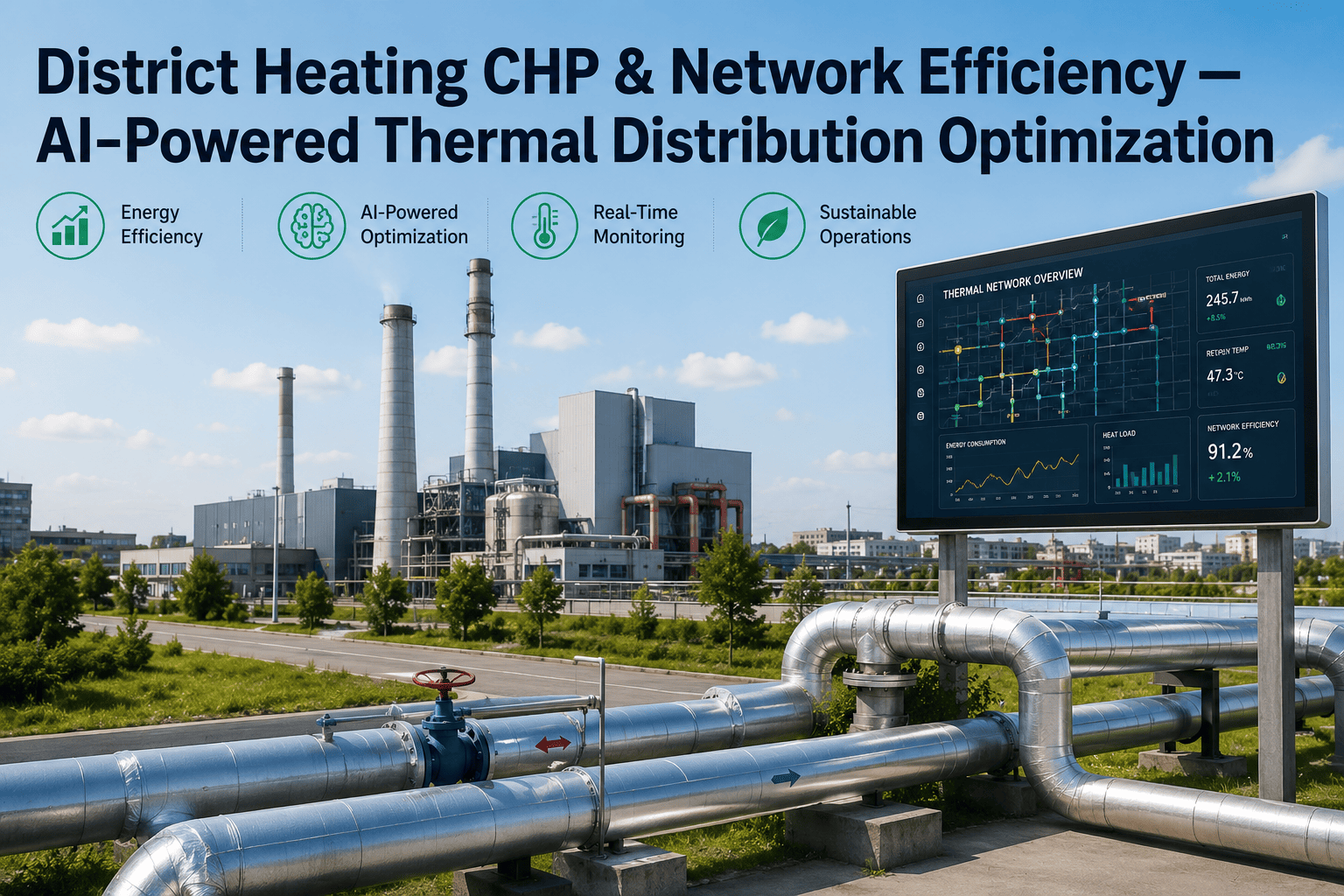
Industrial cogeneration systems—also known as combined heat and power (CHP)—represent one of the most effective strategies for achieving dramatic energy cost reductions and sustainability targets. Yet, the performance of these systems often degrades over time due to fouling in heat recovery steam generators (HRSGs), fluctuating steam demand, and suboptimal economic dispatch. Traditional manual monitoring and rule-based controls fail to capture the complex, non-linear relationships between heat exchanger cleanliness, ambient conditions, and real-time energy pricing. This is where AI-driven optimization transforms waste heat recovery from a static asset into a dynamic, profit-generating component of the smart factory. By deploying machine learning models that continuously learn from sensor data, plant managers can predict fouling rates, optimize steam production schedules, and automatically adjust cogeneration setpoints to maximize thermal efficiency. The result is a 5–12% increase in overall system efficiency, reduced maintenance costs, and faster return on investment. If your facility is ready to unlock the full potential of its cogeneration assets, Book a Demo with our team to see how iFactory’s AI platform can deliver measurable results.
Transform Your Cogeneration System with AI
Unlock hidden efficiency gains and reduce energy costs by up to 12% with predictive thermal optimization. Our enterprise platform integrates seamlessly with existing DCS and SCADA systems.
5–12% Efficiency Gain
Proven improvement in overall cogeneration thermal efficiency through AI-driven setpoint optimization and predictive fouling management.
Real-Time Dispatch
Economic dispatch algorithms that balance steam demand, electricity prices, and equipment constraints to maximize revenue.
Predictive Maintenance
Early detection of HRSG fouling and heat exchanger degradation, reducing unplanned downtime by 30%.
Seamless Integration
Works with existing DCS, PLC, and SCADA systems without major infrastructure upgrades.
The Science of Waste Heat Recovery in Cogeneration
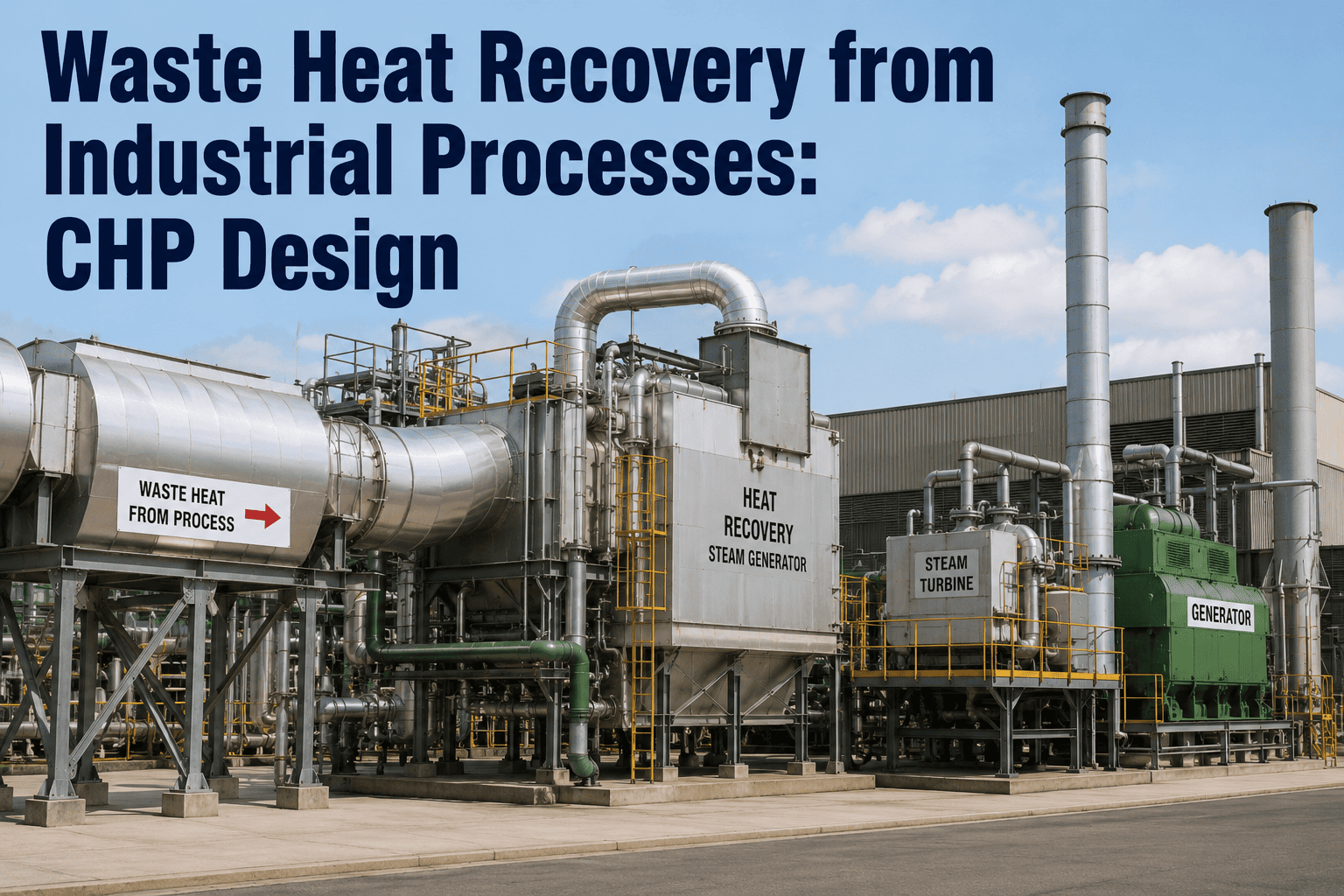
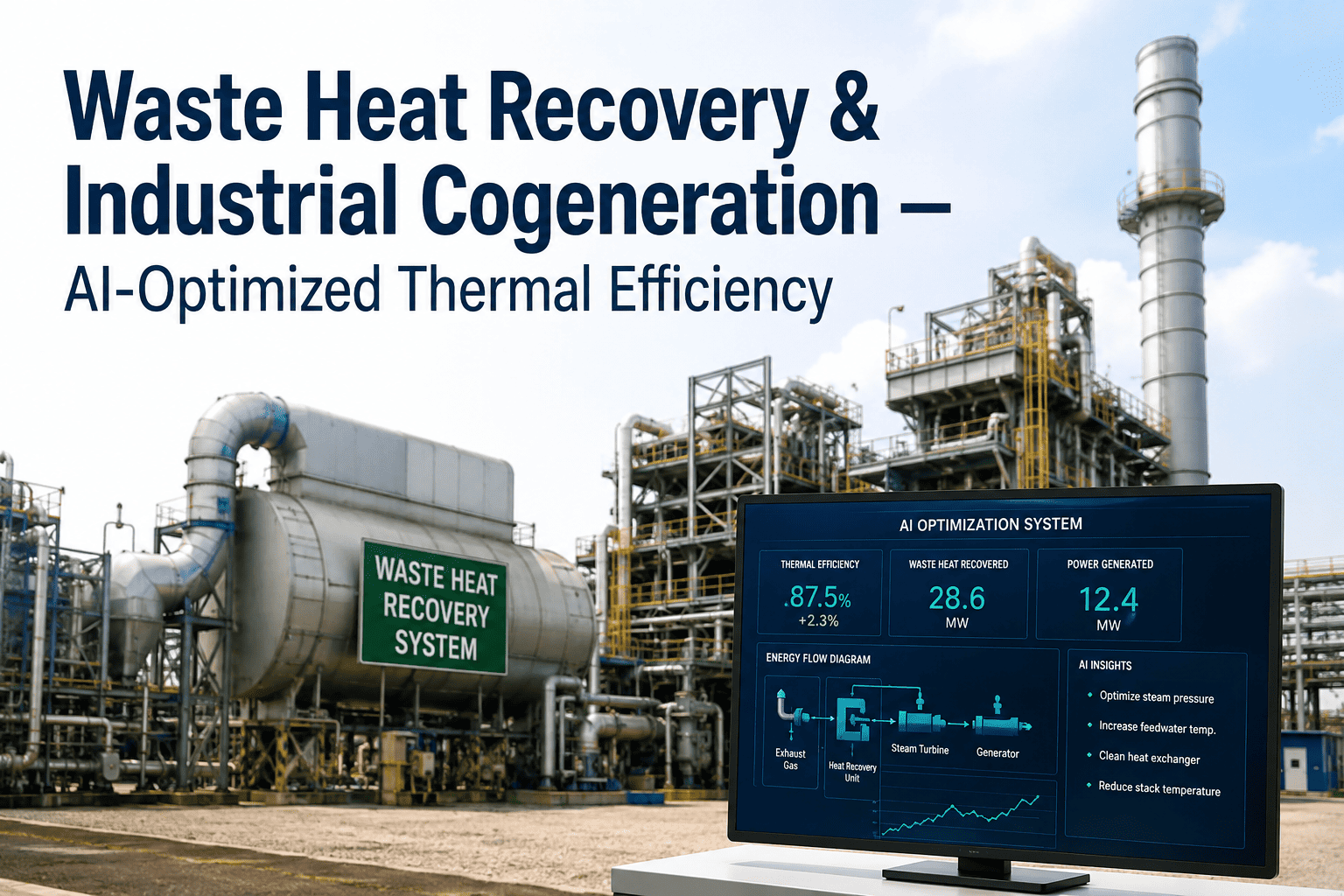
Waste heat recovery is the process of capturing thermal energy that would otherwise be lost to the environment and repurposing it for useful heating, cooling, or electricity generation. In industrial cogeneration systems, this typically involves an HRSG that extracts heat from the exhaust of a gas turbine or reciprocating engine. The recovered heat generates steam, which can drive a steam turbine for additional power generation or be used directly in industrial processes such as drying, distillation, or space heating. The efficiency of this process depends on several factors: the temperature and flow rate of the exhaust gas, the cleanliness of heat transfer surfaces, the pressure and temperature of the steam produced, and the match between steam supply and demand. Traditional control strategies use fixed setpoints and periodic manual cleaning schedules, which cannot adapt to changing conditions. AI models, however, can ingest high-frequency data from temperature sensors, pressure transmitters, flow meters, and fouling indicators to build a digital twin of the HRSG. This digital twin predicts fouling accumulation, optimal sootblowing intervals, and the ideal steam production profile for current market conditions. By continuously updating these predictions, the AI system can recommend or automatically implement setpoint changes that keep the HRSG operating at peak efficiency. This approach has been validated in multiple industrial case studies, with one chemical plant achieving a 9% reduction in natural gas consumption and a 15% increase in steam production capacity after deploying an AI-based optimization layer on top of its existing cogeneration controls.
Heat Exchanger Fouling: The Silent Efficiency Killer
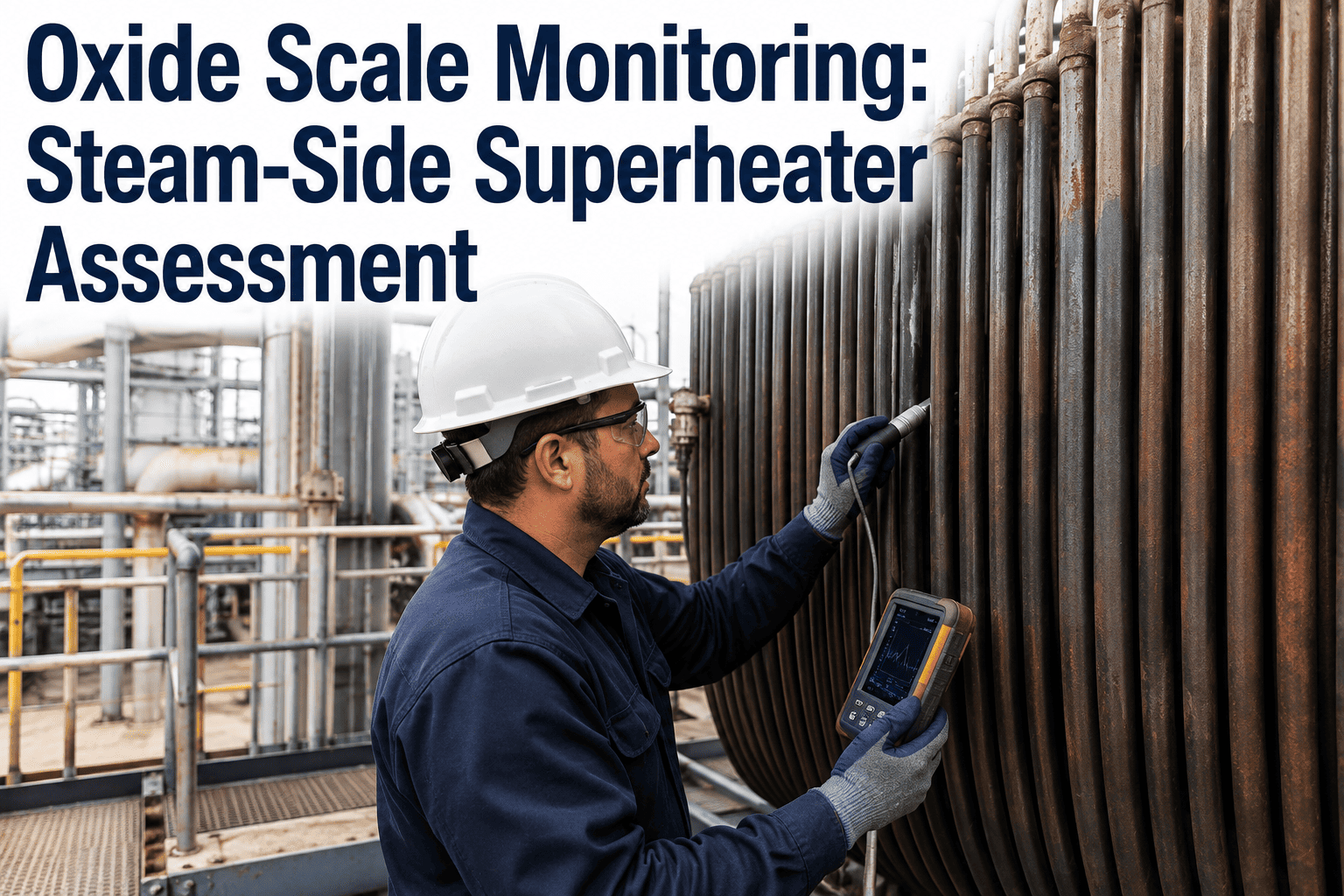
Fouling—the accumulation of unwanted deposits on heat transfer surfaces—is the single largest cause of efficiency loss in HRSGs and waste heat boilers. Common foulants include ash, soot, scale, and corrosion products. Even a 1 mm layer of fouling can reduce heat transfer by 20–30%, forcing the gas turbine to work harder and consume more fuel to maintain steam production. Traditional approaches rely on fixed-interval sootblowing or chemical cleaning, which either wastes energy by cleaning too frequently or allows efficiency to degrade between cleanings. AI-driven fouling prediction models analyze trends in temperature differentials, pressure drops, and flue gas composition to estimate fouling thickness in real time. The model then recommends optimal cleaning schedules that balance energy savings against cleaning costs. In practice, this can reduce sootblowing frequency by 40% while maintaining higher average heat transfer coefficients.
Steam Demand Forecasting for Economic Dispatch
One of the most challenging aspects of cogeneration optimization is matching steam production to a constantly changing demand profile. Industrial processes often have batch operations, seasonal variations, and unpredictable events that cause steam demand to fluctuate by 30% or more within a single shift. Overproducing steam wastes fuel and may require venting, while underproducing can disrupt critical processes. AI-based demand forecasting models use historical steam flow data, production schedules, weather forecasts, and real-time sensor inputs to predict steam demand 1 to 24 hours ahead with high accuracy. These forecasts feed into an economic dispatch optimizer that determines the optimal load split between gas turbines, steam turbines, and auxiliary boilers. The optimizer considers fuel costs, electricity prices, equipment efficiency curves, and maintenance constraints to minimize total operating cost. In a recent deployment at a petrochemical facility, this approach reduced steam venting by 60% and lowered overall energy costs by 8%.
| Parameter | Before AI | After AI |
|---|---|---|
| Steam Venting (tons/day) | 45 | 18 |
| Fuel Cost ($/MWh) | 32.50 | 29.80 |
| Overall Efficiency (%) | 74 | 82 |
Implementation Roadmap: From Data to Dollars
Data Assessment & Sensor Audit
Evaluate existing instrumentation on HRSG, steam headers, and turbines. Identify gaps and recommend additional sensors for temperature, pressure, flow, and flue gas composition.
Digital Twin & Model Training
Build a physics-informed machine learning model that simulates HRSG thermal performance. Train on historical data to predict fouling, efficiency, and steam production under varying conditions.
Real-Time Optimization Deployment
Deploy the AI optimizer in a closed-loop or advisory mode. The system continuously calculates optimal setpoints for sootblowing, steam production, and economic dispatch.
Performance Monitoring & ROI Tracking
Implement dashboards that track key performance indicators: thermal efficiency, fuel savings, steam venting reduction, and maintenance cost avoidance. Validate ROI monthly.
Ready to Optimize Your Cogeneration Assets?
Our AI platform is deployed in over 50 industrial facilities worldwide, delivering measurable efficiency gains. Schedule a personalized demo to see how we can help your plant.
Predictive Sootblowing
Reduce sootblowing frequency by up to 40% while maintaining higher average heat transfer coefficients. The AI model predicts fouling accumulation and triggers cleaning only when economically beneficial.
Dynamic Steam Dispatch
Automatically adjust load between gas turbines, steam turbines, and auxiliary boilers based on real-time steam demand, fuel prices, and electricity market signals.
Anomaly Detection
Identify abnormal operating conditions such as tube leaks, burner imbalances, or control valve failures before they cause major disruptions. Reduce unplanned downtime by 30%.
Emissions Optimization
Minimize NOx and CO emissions by optimizing combustion parameters and steam injection rates. Achieve compliance with increasingly stringent environmental regulations.
Advanced Analytics: The Role of Machine Learning in CHP Optimization
Modern machine learning techniques such as gradient boosting, recurrent neural networks (RNNs), and reinforcement learning are revolutionizing how industrial cogeneration systems are optimized. Gradient boosting models excel at predicting continuous variables like heat transfer coefficient or steam temperature based on dozens of input features. RNNs are particularly effective for time-series forecasting of steam demand or fouling progression, as they can capture temporal dependencies that traditional regression models miss. Reinforcement learning takes optimization a step further by allowing the AI agent to learn optimal control policies through trial and error in a simulated environment. The agent receives a reward signal based on energy cost, efficiency, and equipment health, and learns to take actions (e.g., adjust a valve, trigger sootblowing) that maximize cumulative reward. This approach can discover novel operating strategies that human operators would never consider, such as pre-heating the HRSG before a demand spike or deliberately allowing a slight fouling buildup before a planned shutdown. In one demonstration, a reinforcement learning agent reduced total operating cost by 6.5% compared to a well-tuned PID controller. The key to success is having a high-fidelity simulation environment that accurately reflects the physical system, which iFactory builds using a hybrid of first-principles physics and data-driven models calibrated to your specific equipment.
Frequently Asked Questions
What types of industrial cogeneration systems can benefit from AI optimization?
AI optimization can be applied to virtually any cogeneration configuration, including gas turbine combined cycle, reciprocating engine CHP, steam turbine back-pressure systems, and biomass-fired cogeneration. The technology is particularly impactful for systems with variable steam demand, multiple generation assets, or aging equipment where efficiency has degraded over time. Even small-scale systems (1–10 MW) can see significant ROI, as the AI platform scales with the complexity of the plant. For a detailed feasibility assessment, contact our support team to discuss your specific setup.
How long does it take to deploy an AI-based cogeneration optimizer?
Typical deployment timelines range from 4 to 12 weeks, depending on data availability, the number of assets, and the complexity of the control system. The first phase involves data collection and sensor audit, which usually takes 1–2 weeks. Model training and validation require another 2–4 weeks, followed by 1–2 weeks for integration with your DCS or SCADA. The final phase includes testing in advisory mode before transitioning to closed-loop control. iFactory provides dedicated project management and engineering support throughout the process. To get a more precise timeline for your plant, book a demo with our solutions team.
What is the typical return on investment for AI-driven cogeneration optimization?
Based on deployments across multiple industries, the typical ROI ranges from 15% to 30% annualized, with payback periods of 6 to 18 months. The savings come from three primary sources: reduced fuel consumption (5–12%), lower maintenance costs (10–20% reduction in unplanned downtime), and increased revenue from electricity sales or reduced purchased power. For example, a 50 MW cogeneration plant with a 70% baseline efficiency can save $500,000 to $1.2 million annually in fuel costs alone after deploying AI optimization. For a customized ROI estimate, reach out to our support team with your plant’s operating data.
Does AI optimization require significant changes to existing control systems or hardware?
No, iFactory’s AI platform is designed to work with your existing control infrastructure. It connects to your DCS, PLC, or SCADA via standard communication protocols (OPC UA, Modbus, MQTT) and operates as an advisory or supervisory layer. No changes to your underlying control logic are required for the advisory mode. For closed-loop control, we implement a secure, read-only interface that sends setpoint recommendations to the DCS, which can be accepted or overridden by operators. The platform is also compatible with most major HRSG and turbine manufacturers. For integration details, contact our support team.
How does the AI model handle varying fuel types or fuel blending?
The AI model can incorporate fuel composition data (e.g., natural gas, hydrogen blends, biogas, or syngas) as input features. It learns the relationship between fuel properties and combustion characteristics, allowing it to optimize the air-fuel ratio, steam injection, and turbine inlet temperature for any fuel blend. This is particularly valuable for facilities that are transitioning to low-carbon fuels or using multiple fuel sources. The model is retrained periodically as new fuel data becomes available, ensuring continued accuracy. To discuss your specific fuel scenario, book a demo with our technical team.
Maximize Your Energy Assets with AI
Join industry leaders who have already transformed their cogeneration systems. Book a demo today and discover how iFactory can help you achieve 12% efficiency gains and 30% less downtime.