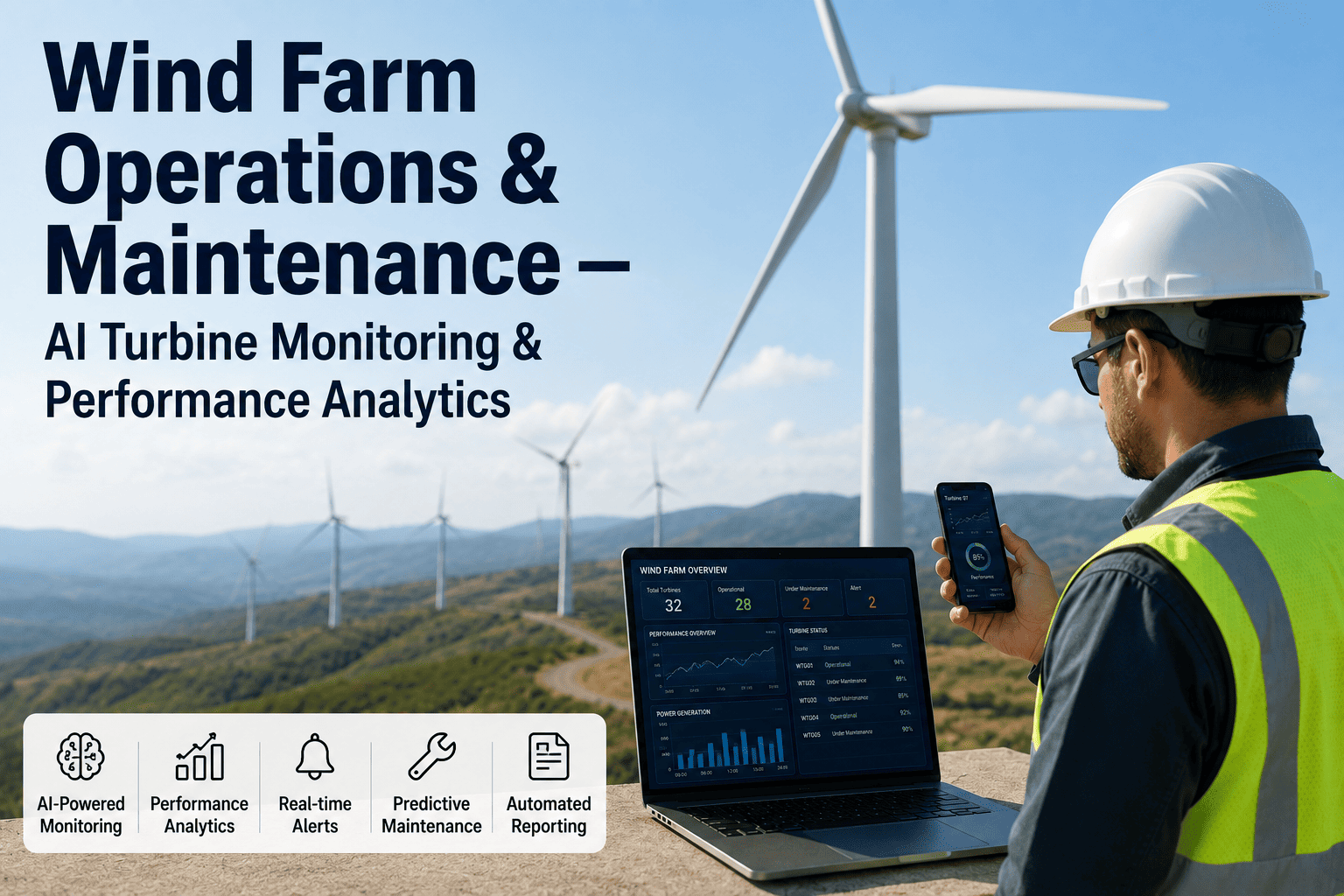
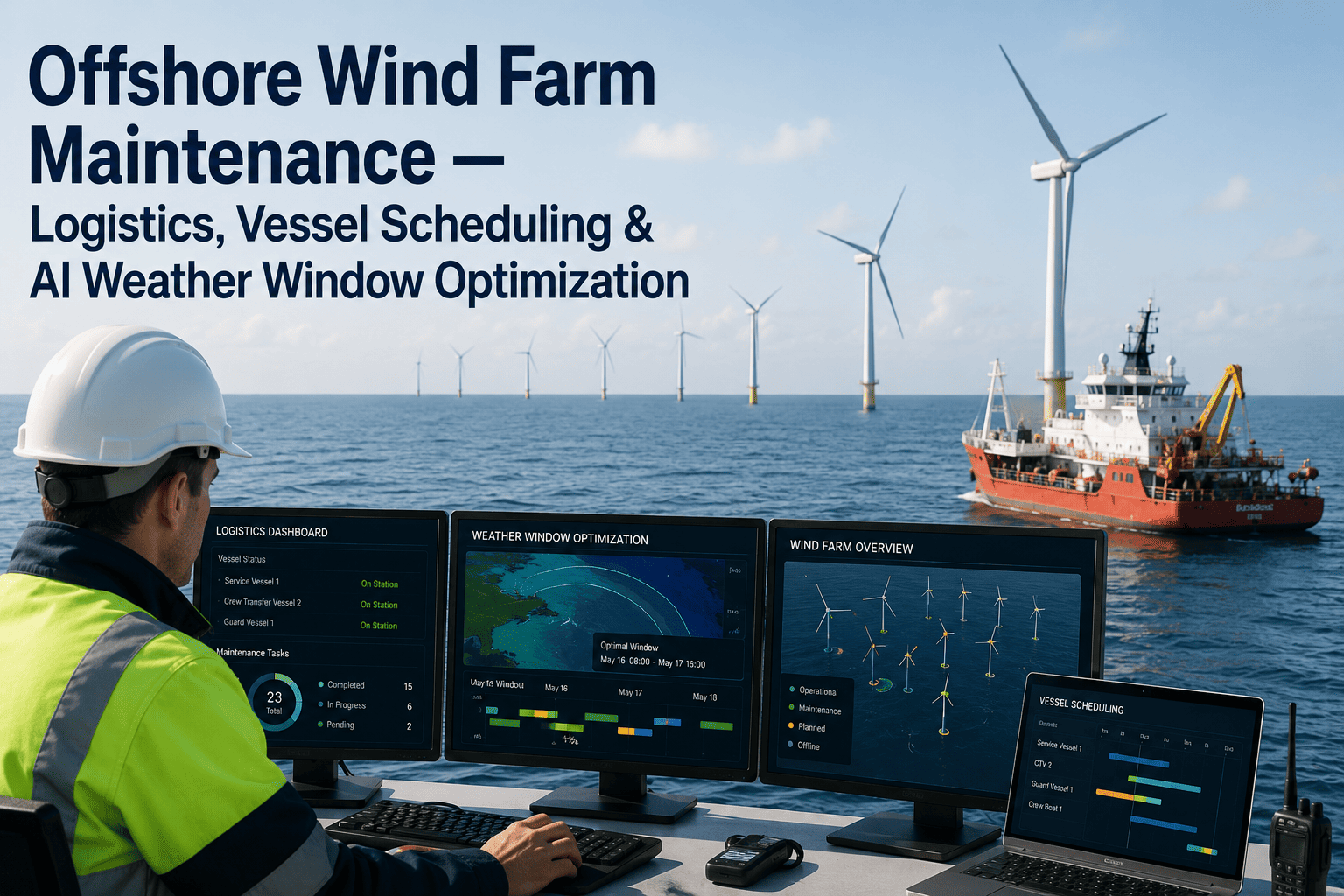
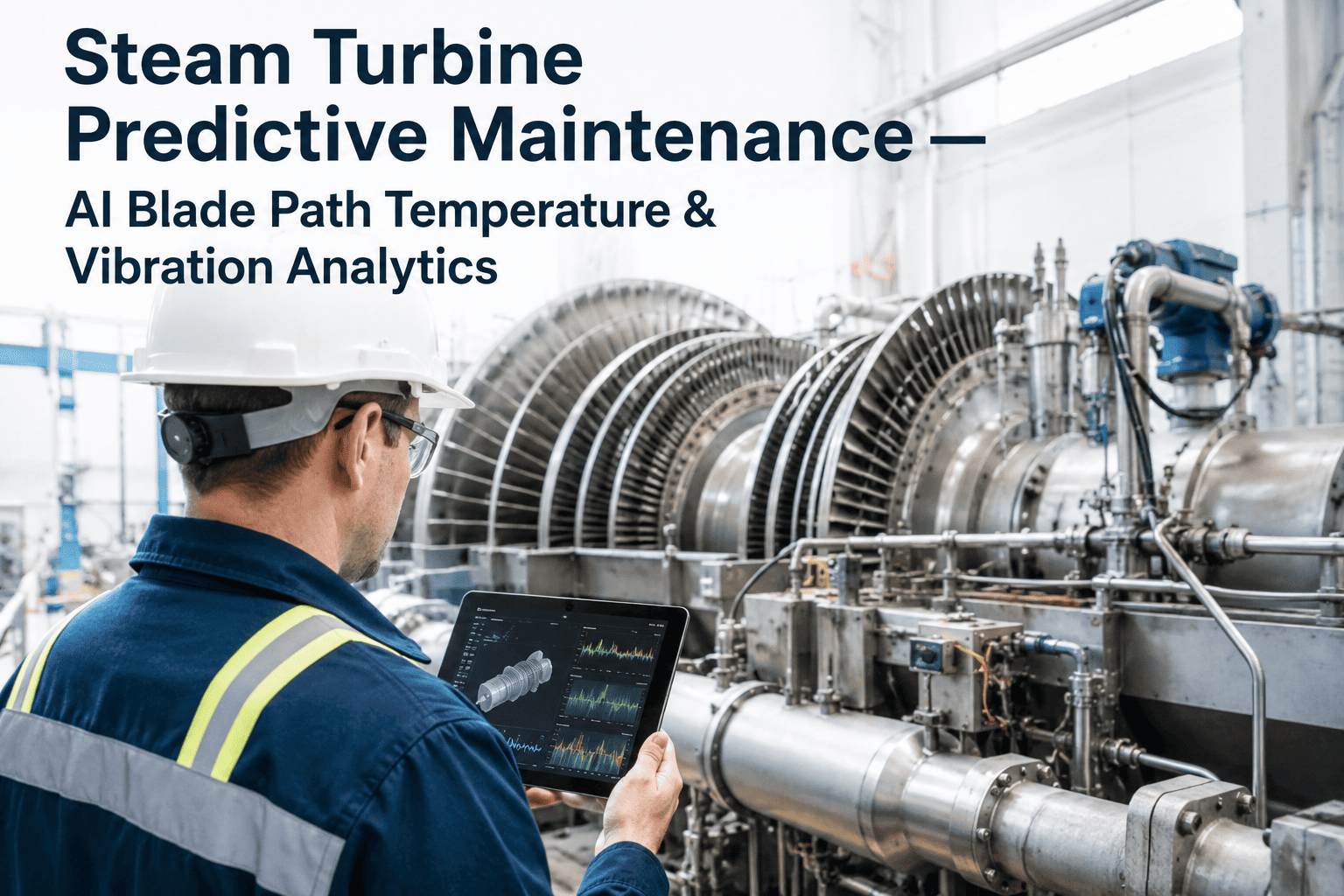
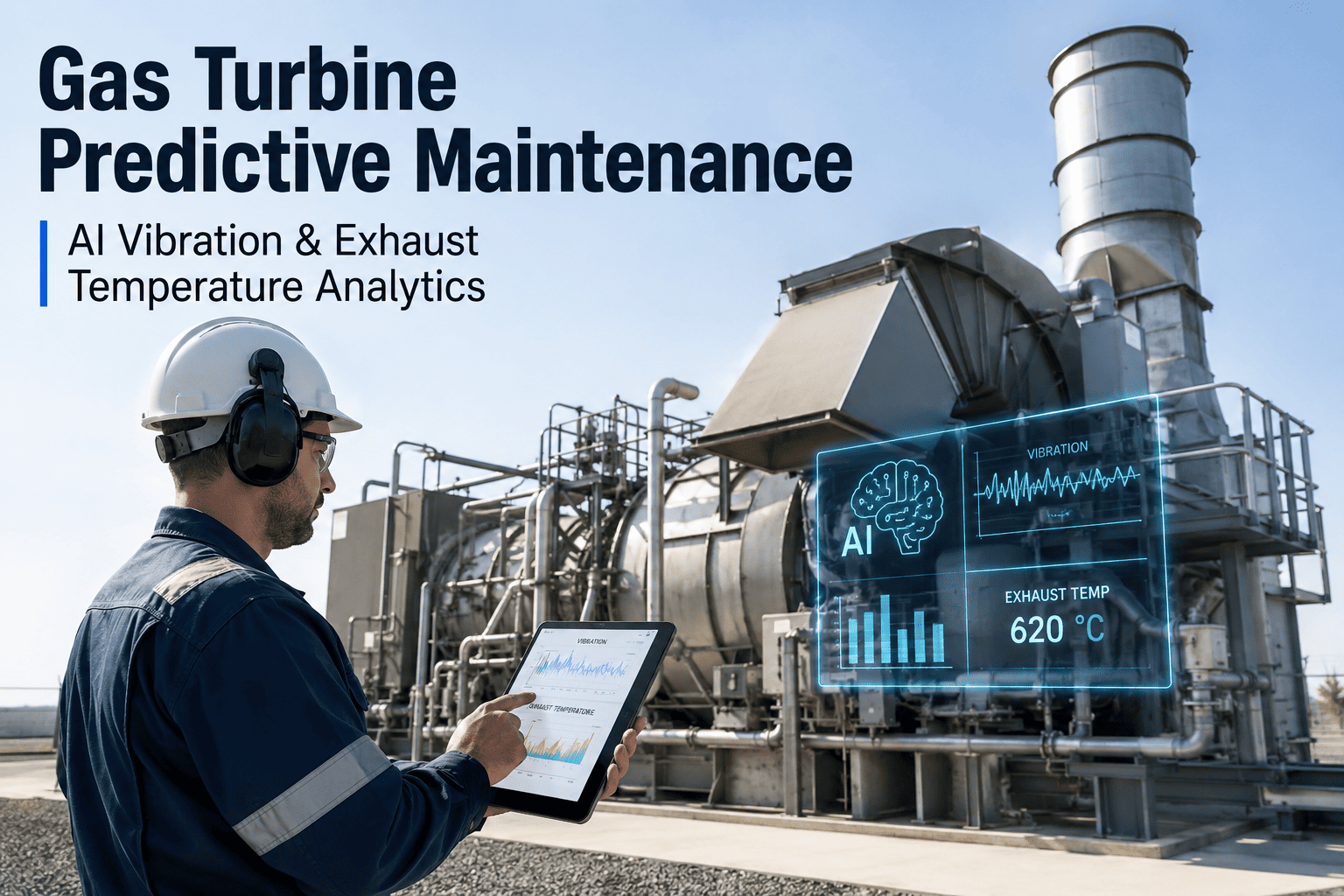
Wind farm operators lose an estimated $80,000 to $150,000 per megawatt every year in silent production leakage — not from one dramatic turbine failure, but from gearbox bearings that spall for months before anyone notices, blade tips that erode kilowatt by kilowatt, and converter faults that trip after wear nobody was tracking. Calendar-driven oil changes and quarterly vibration rounds catch only a fraction of what is actually happening inside the nacelle, which is why unscheduled downtime still runs 8–12% across the industry even on modern fleets. iFactory AI Turbine Monitoring closes that gap, fusing SCADA telemetry, vibration spectra, and oil debris data into one predictive engine that flags gearbox, generator, blade, and converter degradation 30 to 90 days before functional failure across every turbine in the portfolio. Book a Demo to see how iFactory turns raw SCADA data into a 90-day early warning system.
Every Undetected Gearbox Fault Costs $250,000–$400,000 in Emergency Replacement. AI Prediction Buys You 90 Days to Act.
iFactory continuously reads vibration harmonics, oil debris counts, and SCADA operating parameters across your entire fleet, ranking every turbine by urgency so your reliability team always knows exactly where to send the next crew before a trip happens.
95%
Failure prediction accuracy across gearbox, generator, blade & converter systems
30–90 Days
Average early warning window before functional failure
25%
Reduction in annual O&M spend versus runtime-based schedules
5 Wks
Full fleet deployment, from asset audit to live monitoring
The Blind Spots Costing Wind Operators $80K–$150K per Megawatt Every Year
Turbine components rarely fail without warning — they degrade quietly, in patterns that quarterly inspection rounds and fixed-interval PM are structurally unable to catch. Here is where the money actually leaks out of a wind portfolio.
01
Gearbox High-Speed Bearing Spalling
Micro-pitting and white-etch cracking develop between vibration route collections, invisible until spalling reaches critical severity. Once it does, replacement runs $250,000 to $400,000 including crane mobilization, and modern gearboxes fail at 0.7–1.0% annually across a fleet.
02
Blade Leading-Edge Erosion
Rope-access inspections happen annually at best, while erosion silently cuts aerodynamic efficiency and opens the door to lightning strike damage between visits. Late-stage repairs cost $8,000 to $15,000 per blade and can idle a turbine for two to five days.
03
Main Bearing & Generator Wear
Temperature drift and acoustic emission shifts build for weeks before seizure, but external vibration checks alone rarely isolate the signature in time. Forced replacement idles the turbine seven to fourteen days while a crane sits on site at $15,000 to $25,000 per day.
04
Converter & Electrical Faults
Pitch systems and power converters account for a large share of annual failure events. Individually they resolve in under 24 hours, but repeated unplanned trips compound across a portfolio, eroding fleet availability and straining power purchase agreement commitments.
How iFactory Buys Back Your Early-Warning Window
Every component degrades on its own timeline. iFactory's models are trained separately for each failure mode, which is why the warning window varies by system — the chart below shows how many days of notice reliability teams actually get once AI monitoring is live.
90 days
Gearbox HS-shaft bearing spalling
60 days
Oil debris & gear tooth fatigue
45 days
Main bearing & blade erosion trends
7 days
Converter & electrical anomaly drift
01
SCADA & Vibration Sensor Fusion. iFactory ingests existing SCADA tags alongside vibration, oil debris, and acoustic data, correlating them into one continuous asset health score per turbine, refreshed every 60 seconds.
02
AI Failure Signature Classification. Machine learning models trained on gearbox, generator, blade, and converter failure histories classify each anomaly with a confidence score and progression velocity, at under 3% false positive rate.
03
Production-Aware RUL Forecasting. Remaining useful life estimates are weighted against wind forecasts, so maintenance planners can schedule interventions during low-wind windows rather than sacrificing peak generation hours.
04
Portfolio-Wide Urgency Ranking. Every turbine across every site is ranked by failure risk in one dashboard, so crews and cranes get dispatched to the assets that matter most first, not whichever site called last.
05
Automated CMMS Work Orders. Confirmed alerts generate condition-based work orders directly in SAP PM, IBM Maximo, or Fiix, with part numbers and recommended procedures attached automatically.
Fleet-Wide KPI Results from Live Wind Monitoring Deployments
The following results reflect aggregated 12-month performance data across onshore and offshore turbine fleets running iFactory's AI predictive monitoring platform.
Validated failure prediction accuracy across monitored fleets
35%
Reduction in unplanned downtime
5–7 Yrs
Blade service life extension from timed repairs
<3%
False positive alert rate
<7 Days
SCADA & CMMS integration timeline
Financial Impact by Turbine System
Predictive monitoring pays back differently depending on which system it is protecting. The figures below are averaged annual savings per 100 MW of monitored capacity.
Gearbox & Drivetrain
$340K
Avoided emergency crane mobilization and catastrophic gearbox replacement across a 100-turbine portfolio.
Blade & Rotor Systems
$190K
Erosion-related repair avoidance and extended blade service life through precisely timed intervention.
Converter & Electrical
$95K
Reduced reactive electrical fault response and fewer repeat unplanned trips per portfolio, per year.
Stop Paying Emergency Crane Rates for Failures You Could Have Seen Coming
iFactory reads your existing SCADA and vibration data continuously, so your team gets 30 to 90 days of notice before a gearbox, blade, or generator fault turns into a $15,000-a-day crane bill.
5-Week Fleet Deployment Plan
Every iFactory wind engagement follows the same fixed-scope program, regardless of fleet size or turbine OEM.
1
Weeks 1–2: Fleet Audit
SCADA and historian data review, sensor gap assessment, and model calibration against each turbine's operating history.
2
Weeks 3–4: Pilot Rollout
Live predictive monitoring activated on the highest-risk turbines first, with CMMS work order integration tested alongside maintenance planners.
3
Week 5: Fleet-Wide Scale
Coverage expands to every turbine across every site, with a baseline ROI report covering avoided downtime and maintenance savings.
Results from Live Wind Farm Deployments
Onshore Portfolio
Gearbox & Bearing AI Across a 100-Turbine Onshore Wind Farm
A 100-turbine onshore portfolio was experiencing recurring gearbox failures that fixed-interval oil changes and manual vibration routes were catching only after damage had progressed. iFactory deployed continuous vibration harmonic analysis and oil debris trending across every drivetrain, flagging high-speed bearing spalling weeks ahead of critical severity. Three catastrophic gearbox failures were prevented in the first year, and total annual O&M expenditure across the portfolio fell by 25%.
3
Catastrophic gearbox failures prevented
25%
Reduction in annual O&M expenditure
90 Days
Average bearing failure warning window
Offshore Portfolio
Blade Erosion Monitoring Cuts Emergency Crane Mobilizations
An offshore wind operator faced maintenance costs running 50% higher than comparable onshore assets, largely driven by weather-dependent crane logistics for reactive blade repairs. iFactory's erosion-tracking models identified leading-edge degradation trends months ahead, allowing repairs to be bundled into planned weather windows instead of emergency mobilizations, extending blade service life by an estimated five to seven years per rotor.
5–7 Yrs
Blade service life extension
96%
Turbine failure prediction accuracy
0
Emergency crane call-outs in following season
Built for Wind Asset Management & Grid Compliance Frameworks
iFactory's reporting structure is pre-aligned with the frameworks wind asset managers, OEMs, and grid operators already require, with no custom development needed.
IEC 61400 Condition Monitoring
Turbine condition monitoring system guidance covering vibration severity classification, alarm thresholds, and documentation formatted for design and reliability audits.
ISO 55001 Asset Management
Lifecycle cost tracking, risk-based maintenance planning, and continuous improvement records structured for asset management certification reviews.
ISO 10816 / 13373 Vibration Standards
Bearing and drivetrain vibration severity classification aligned with recognized machinery protection and monitoring standards.
OEM Warranty Documentation
Operating condition logs and maintenance interval justification auto-generated for OEM warranty claims and extended service agreements.
What Wind Asset Managers Say About iFactory
Our biggest blind spot used to be the gap between quarterly vibration routes — that's exactly where gearbox and bearing damage was progressing without anyone knowing. iFactory closed that gap almost immediately. We now get a ranked list every morning of which turbines across our sites actually need attention, instead of reacting to whichever one trips next. The crane budget alone has dropped enough to notice at the board level, and our OEM has honored extended warranty terms because our condition logging is finally consistent.
VP of Asset Management
240 MW Onshore Wind Portfolio, Midwest United States
Frequently Asked Questions
Does iFactory require new sensors inside the nacelle, or can it use our existing SCADA data?
Which turbine OEMs and SCADA platforms does iFactory support?
iFactory connects to major SCADA and historian platforms used across GE, Vestas, Siemens Gamesa, and Nordex fleets via OPC-UA, Modbus TCP, and REST APIs, alongside SAP PM, IBM Maximo, and Fiix for work order management. Integration scope is confirmed during the initial fleet audit.
Book a demo to see your specific OEM data mapped live.
How does iFactory tell normal wind-driven load swings apart from real degradation?
Models are trained on each turbine's own operating history, correlating vibration and load signatures against wind speed, yaw position, and ambient temperature before classifying an anomaly. This multi-parameter cross-validation is what keeps the false positive rate under 3% even in gusty, variable-wind sites.
Can iFactory rank which turbines across a multi-site portfolio need attention first?
Yes. Every monitored turbine, regardless of site or OEM, is scored and ranked in a single portfolio-wide view, so reliability managers can dispatch crews and cranes to the highest-risk assets first rather than working site by site.
Request a walkthrough of the portfolio ranking dashboard.
What happens after a predictive alert fires — do we just get notified, or does something happen automatically?
Confirmed alerts automatically generate a condition-based work order in your connected CMMS, complete with the relevant part numbers, recommended procedure, and urgency tier, so planners can schedule the intervention around wind forecasts without manual data entry.
Stop Flying Blind on Fleet Health. See Every Turbine's Real Condition in One Dashboard.
iFactory gives wind asset managers continuous AI failure prediction across gearbox, blade, generator, and converter systems, automated CMMS work orders, and portfolio-wide urgency ranking, fully deployed in five weeks.
95% failure prediction accuracy, 30–90 days ahead
SCADA & CMMS integration in under 7 days
IEC 61400 & ISO 55001 aligned reporting, built in
Portfolio-wide urgency ranking across every site
$1.1M+ avg. annual savings per 100 MW portfolio