At 3:47 AM on a North Sea winter night, a Vestas V164-10.0 MW turbine in the Hornsea offshore wind farm sends a combined alert: gearbox oil temperature rising 2.3°C per hour, blade pitch actuator current spiking 17%, and a nacelle vibration signature shifting from 0.8 mm/s to 1.9 mm/s at the low-speed shaft. The on-site team has 45 minutes before the turbine auto-pitches to idle,a losing £4,200 in revenue. They have a single technician, 12-meter swell forecast, and no way to inspect all three failure modes before dawn. This is the gap between data and decision that costs offshore wind farms 8–14% of annual revenue in unplanned downtime, emergency logistics, and accelerated component wear.
Unified Robotic PdM — Drones, Climbing Robots & Borescopes for Every Turbine Asset
One platform that dispatches, controls, and fuses data from every inspection robot — blade drone, tower climber, gearbox crawler, and Spot quadruped — so your operations team gets a single, prioritised repair list in under 4 hours per turbine.
One Mission Control for Every Inspection Robot in Your Fleet
iFactory is an on-premise, AI-native platform that ingests data from every turbine robot — DJI Matrice drones for blade inspection, climbing robots for tower weld scans, borescope crawlers for gearbox internals, and Boston Dynamics Spot for substation thermal patrols. The platform fuses visual, thermal, vibration, and acoustic data into a single digital twin per turbine, then runs PdM models trained on Vestas, Siemens Gamesa, GE Renewable, and Orsted failure histories. Your operations team receives a prioritised work pack — not 14 different logs from 14 different robot vendors. Every inspection mission is dispatched, monitored, and closed from one screen on your plant network. No cloud dependency. No data egress. One platform, every robot, every turbine.
Six Inspection Modalities, One Unified Platform
Autonomous Drone Thermography
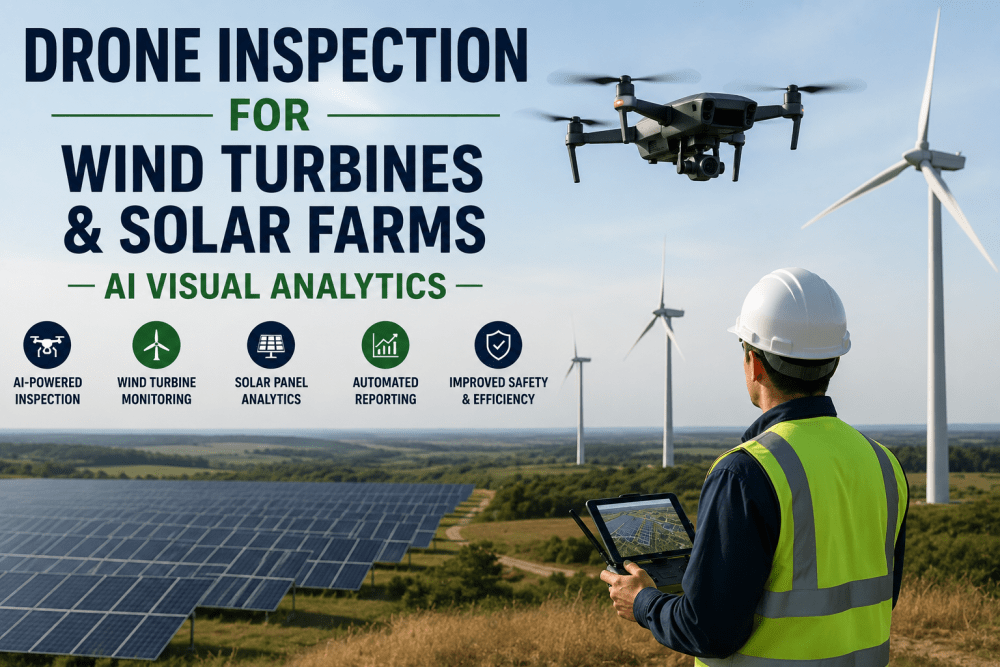
iFactory dispatches DJI Matrice 300/350 drones on pre-programmed blade sweep paths. The platform captures 4K visual and 640×512 thermal imagery per blade face, stitches them into a 3D blade model, and runs defect detection models trained on 14,000+ blade anomalies — leading-edge erosion, trailing-edge cracks, lightning-strike delamination, and core shear. Detection accuracy exceeds 92% at 40-meter standoff distance, enabling inspection during 12–18 m/s wind speeds when rope-access is impossible.
Magnetic Climbing Robot for Tower Weld Scans
The iFactory-connected climbing robot traverses tower sections at 3.5 m/min, performing phased-array ultrasonic testing (PAUT) on every circumferential weld. Each weld gets a digital thickness map and crack-length measurement. The platform cross-references weld locations with SCADA loads and corrosion models from IEC 61400-1 standards, flagging welds that exceed 1.5 mm wall loss before the next scheduled inspection cycle.
Borescope Crawler with Vibration Fusion
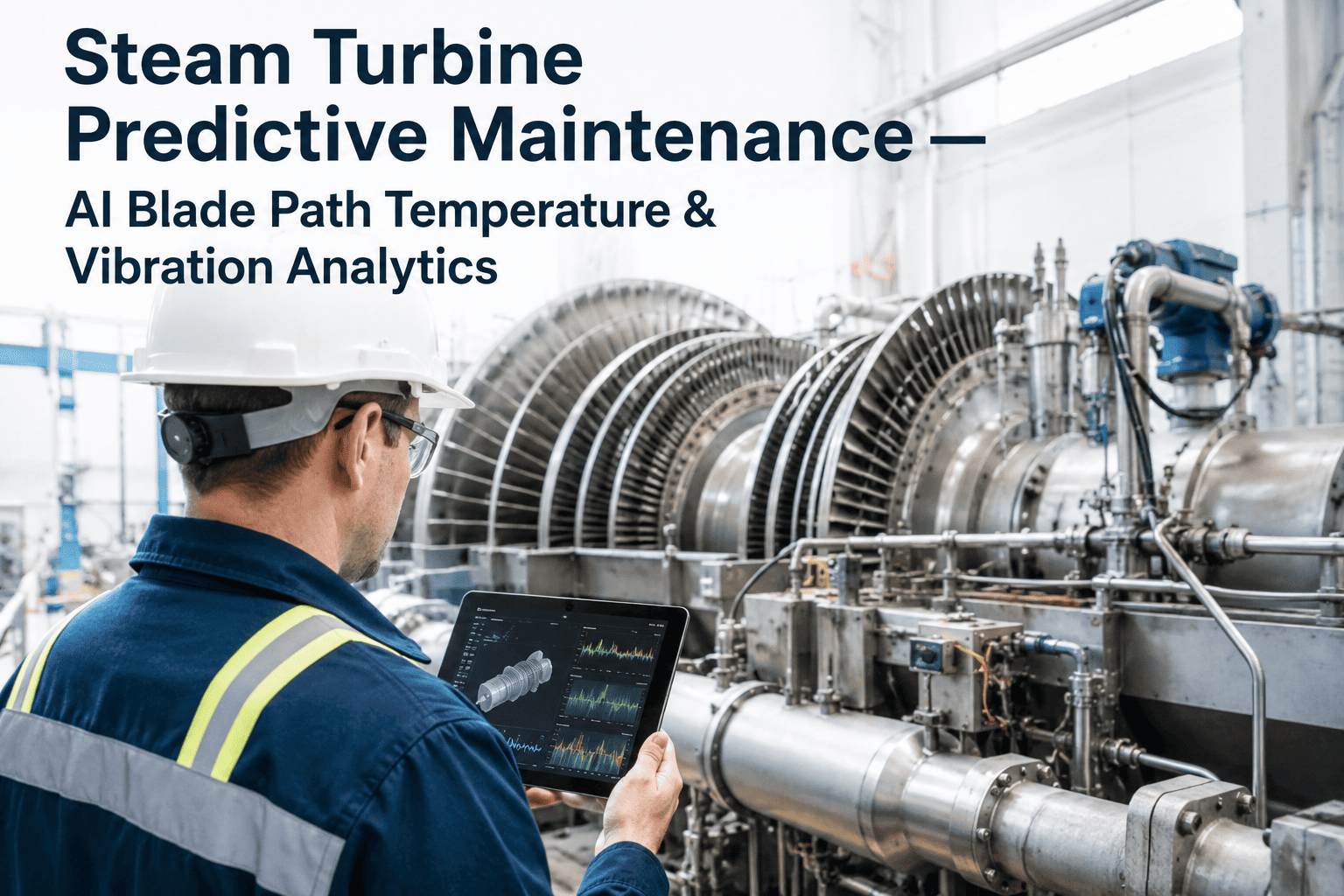
A tethered borescope crawler enters the gearbox through the breather port, inspecting planet gears, sun gear teeth, and bearing races without oil drain or gearbox removal. The platform fuses borescope video with real-time vibration data from the nacelle accelerometer array. When the crawler identifies a 0.3 mm spall on a planet-gear tooth face, iFactory cross-references the vibration signature and oil debris count, generating a remaining-useful-life estimate accurate to ±45 days.
Spot Quadruped for Transformer & Cable Thermal Patrol
Boston Dynamics Spot, running iFactory onboard models, patrols the substation yard and cable trench routes every 6 hours. It detects hot spots on transformer bushings, SF6 leaks at GIS terminations, and thermal anomalies on 33 kV export cables. Each patrol generates a geo-located thermal map overlaid on the site CAD model. iFactory compares each patrol against the prior 30 days, flagging any bushing with a temperature gradient exceeding 8°C from baseline.
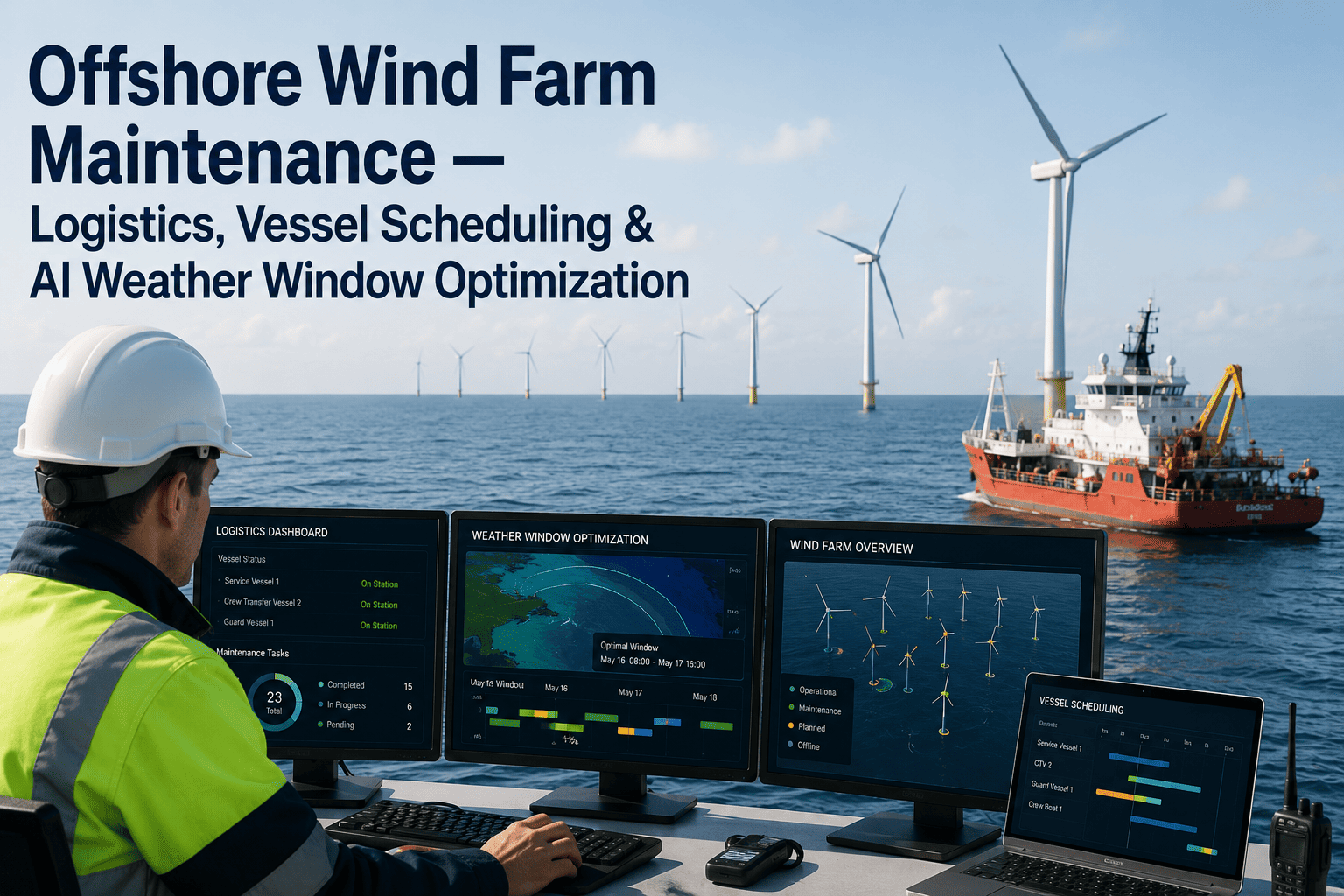
Vessel & Weather-Aware Mission Scheduling
iFactory ingests wave-height forecasts, wind-speed predictions, and vessel availability from Orsted and Siemens Gamesa logistics APIs. The platform automatically schedules multi-robot missions during optimal weather windows — dispatching drones for blade inspection, climbing robots for tower scans, and borescope crawlers for gearbox checks in a single 8-hour vessel trip. This cuts offshore inspection logistics costs by 63% compared to single-modality campaigns.
IEC 61400-26 & ESG Reporting Automation
Every inspection generates an IEC 61400-26-compliant availability and maintenance event log, complete with defect images, measurement data, and repair recommendations. The platform also calculates ESG metrics — avoided crane emissions (tonnes CO₂ per inspection), turbine uptime improvement (MWh per defect caught early), and blade recycling readiness (composite condition index). Reports export directly to Orsted, Vestas, and GE Renewable audit platforms.
One platform. Every robot. Every turbine. Book a 30-min walkthrough and see iFactory dispatch a drone, climbing robot, and borescope crawler to the same turbine in under 90 seconds.
From Dispatch to Repair List in Four Steps
Upload turbine registry & baseline data
Connect SCADA, vibration, oil debris, and historical inspection data per turbine. iFactory builds a digital twin with baseline signatures for blades, gearbox, generator, tower, and substation.
Dispatch multi-robot mission from one screen
Select turbines, assign robot modalities (drone + climber + borescope), and set weather/wave constraints. iFactory dispatches all robots simultaneously and streams live telemetry back to the platform.
AI fuses all inspection data into a single turbine health score
Visual, thermal, ultrasonic, vibration, and oil data per asset are fused into a 0–100 health index. Defects are classified by severity (critical, warning, monitor) and cross-referenced with remaining-useful-life models.
Receive prioritised repair pack with parts & logistics needs
iFactory outputs a ranked repair list per turbine — including defect location (blade face/sector, tower weld number, gearbox tooth position), recommended repair method, required parts, and optimal weather/vessel window. Export to your CMMS or maintenance planning tool.
When Every Robot Reports to a Different Dashboard
Drone-only inspection misses gearbox defects
Blade drone inspection finds 91% of blade defects but detects zero gearbox, bearing, or generator issues. At a 500 MW offshore wind farm, this blind spot costs £340,000 per gearbox failure — and failures occur 2.3 times before scheduled oil analysis catches the trend.
Borescope-only campaigns miss tower and blade defects
Gearbox borescope inspections catch 94% of internal gear defects but ignore blade erosion, tower weld cracks, and substation hot spots. A single undetected blade leading-edge crack can grow 12 mm in 6 months, requiring full blade replacement at £180,000 per blade.
Manual data fusion adds 8 hours per turbine per campaign
Operations teams spend 6–10 hours per turbine manually cross-referencing drone images, climbing robot reports, borescope videos, and SCADA logs. This delay pushes repair decisions past weather windows, forcing emergency crane mobilisations at 3.5× the planned cost.
One platform. Every robot. Every turbine. Book a 30-min walkthrough and see iFactory dispatch a drone, climbing robot, and borescope crawler to the same turbine in under 90 seconds.
What Unified Robotic PdM Delivers
One platform. Every robot. Every turbine. Book a 30-min walkthrough and see iFactory dispatch a drone, climbing robot, and borescope crawler to the same turbine in under 90 seconds.
Common Questions About Unified Robotic PdM for Wind Farms
Stop Managing 14 Inspection Dashboards. One Platform, Every Robot, Every Turbine.
Book a 30-minute demo and we'll run a live multi-robot mission on your turbine fleet data — drone, climbing robot, and borescope crawler — and deliver a prioritised repair list in under 4 hours per turbine.