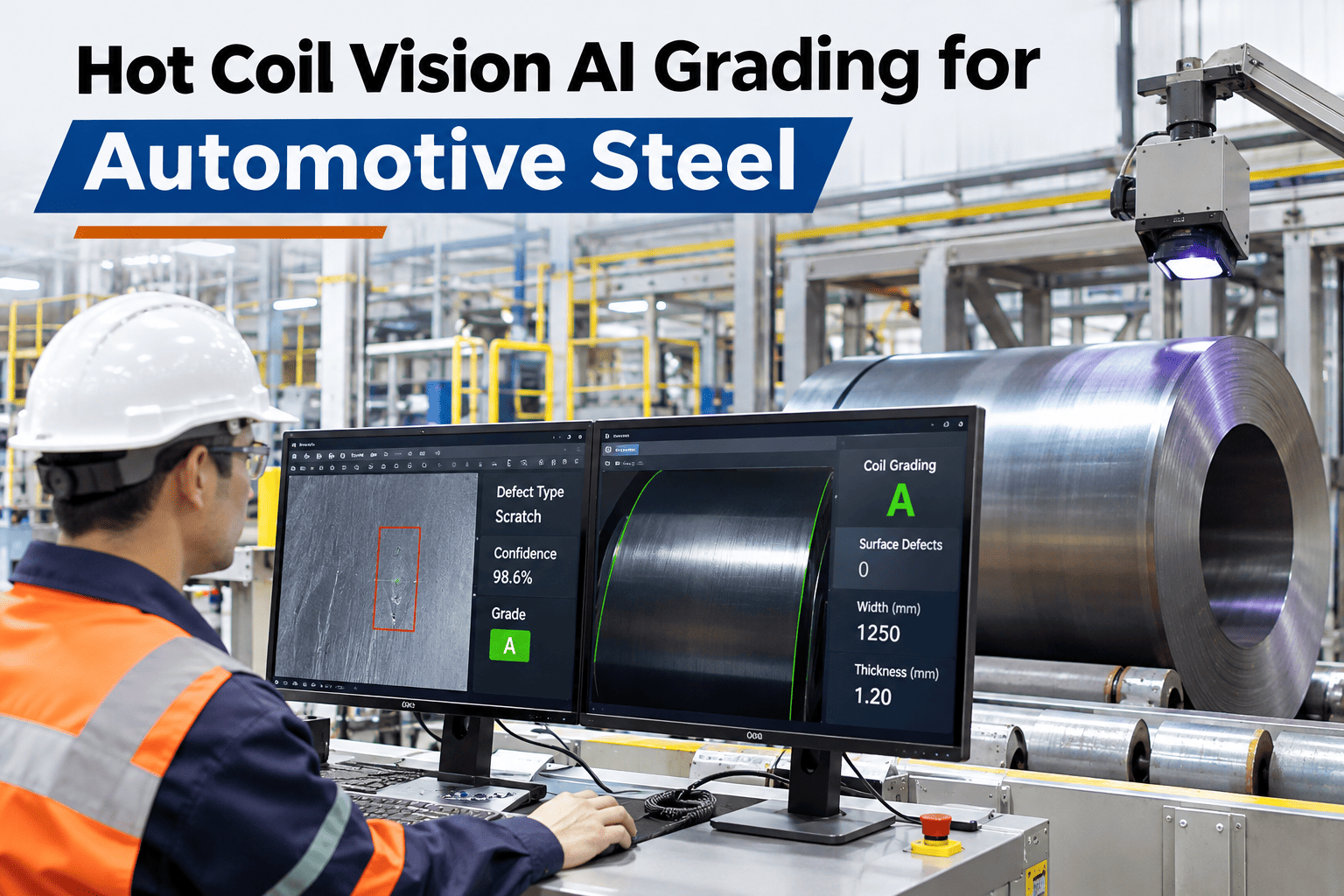
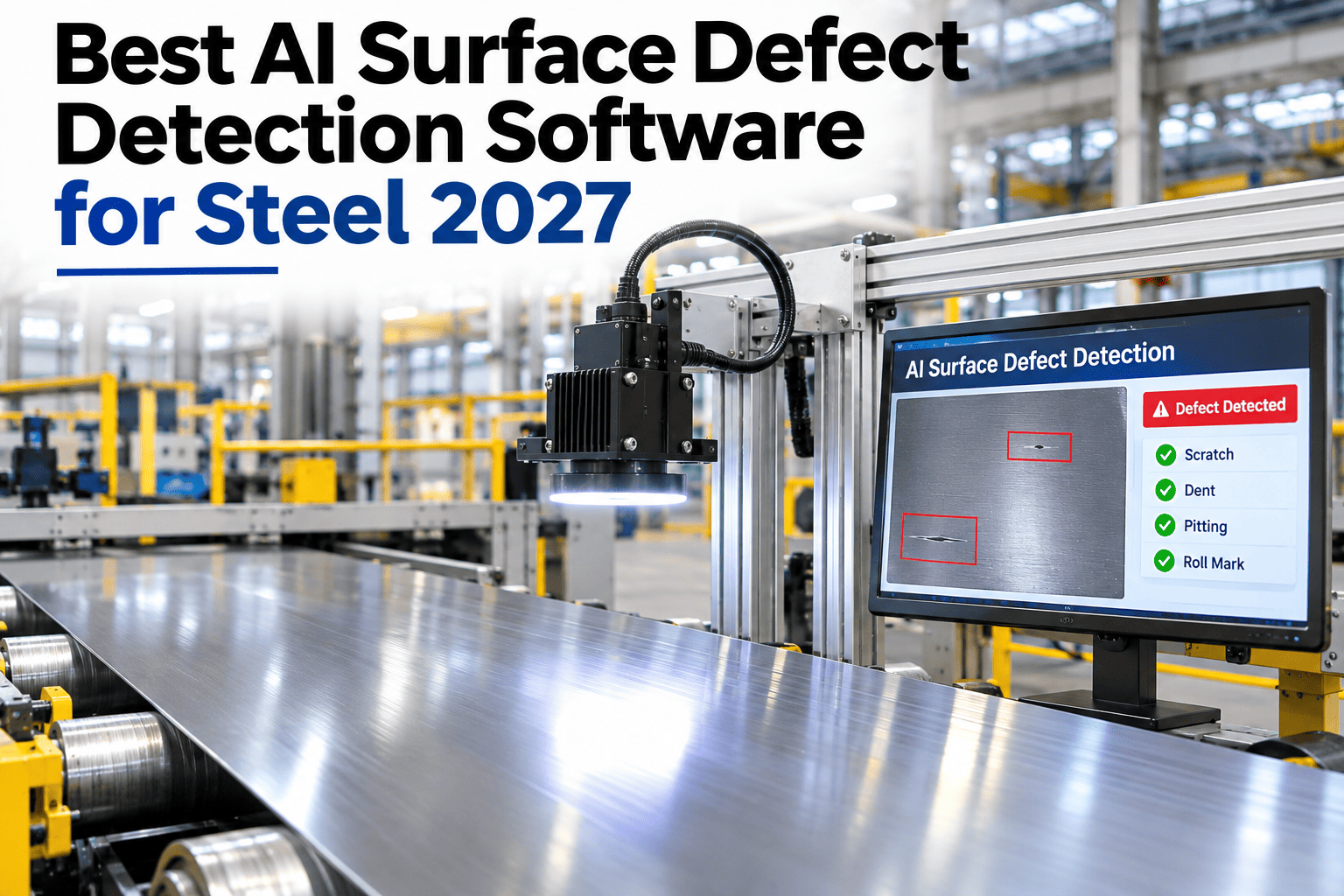
Cold rolled coil carries the tightest surface expectations in the mill, because much of it is heading toward automotive panels or visible appliance surfaces where a dent, scratch, roll mark or stain is simply not acceptable. The difficulty is that these defects are often faint, low-contrast marks on a bright, reflective surface, exactly the condition where manual inspection struggles most. Vision AI tuned to reflective cold rolled surfaces grades coil the way your most experienced inspector would, every time, and our team can walk you through how the grading model is trained.
Cold rolling, automotive and appliance grade
Grade Cold Rolled Coil Surface for Dents, Scratches, Roll Marks and Stains
iFactory AI inspects cold rolled coil under its reflective finish and grades surface quality against automotive and appliance requirements in real time.
Why reflective surfaces are hard
A Bright Finish Hides Defects From the Naked Eye
Cold rolled coil is designed to look clean, which is exactly what makes real defects harder to spot under standard plant lighting.
Glare
Reflections mask low-contrast marks
Angle
A defect visible at one angle disappears at another
Speed
Coil runs faster than a careful visual sweep
Grade risk
A missed mark reaches an automotive customer
Defect types
Four Surface Defects Automotive and Appliance Buyers Reject On
Dents
Localized surface depression, often from handling or roll debris.
Scratches
Linear mark from contact during processing or handling.
Roll marks
Repeating pattern transferred from a worn work roll.
Stains
Discoloration from oil residue or uneven annealing.
Test the Model Against Your Grading Standard
Share a set of coil images already graded by your inspectors and compare the model's output against your current pass and fail calls.
Requirement by end use
Automotive, Appliance and General Coil Have Different Thresholds
The same small defect can be a reject for an exposed automotive panel and acceptable for a general structural coil.
| End use | Surface expectation | Typical tolerance |
|---|
| Automotive exposed panel | Visually flawless under paint | Very low defect tolerance |
| Appliance visible surface | Clean under painted or coated finish | Low tolerance, minor marks reviewed |
| General structural coil | Functional surface, cosmetics secondary | Higher tolerance for minor marks |
Grading pipeline
Four Steps From Image to Grade
1
Multi-angle capture
Cameras image the surface at angles that reveal low-contrast marks.
2
Defect detection
The model flags dents, scratches, roll marks and stains.
3
Severity scoring
Size, depth and location are scored against the applicable spec.
4
Grade output
The coil is graded for its intended end use with a defect map.
Where marks cluster
Surface Quality Across the Coil Width
Edge and center zones often behave differently, and tracking this by position helps target the right process review.
Edge zoneElevated
Center zoneLow
Quarter zonesModerate
Mapping defects by width position connects surface quality back to roll setup and tension control. To build this into your reporting, ask our team about width-zone tracking.
Common pitfalls
Three Grading Mistakes That Cost Mills Business
1
Under-grading for a demanding end use
A coil passes general inspection but fails at the automotive customer.
2
Over-grading out of caution
Good coil gets downgraded because a mark looked worse under certain light.
3
No defect map for the next stage
Cutting or slitting rediscovers defects that were already found.
Expert review
On reflective coil, lighting is half the inspection problem. Before trusting any grading model, check that the capture setup actually reveals the defects your customers reject on, not just the ones that are easy to see.
Watch for
Grading that looks accurate on sample images but misses marks under live mill glare.
Do next
Validate against your toughest automotive customer spec before any general rollout.
— iFactory steel specialists
Frequently asked questions
What Mills Ask About Cold Rolled Coil Surface AI
Can the model handle different lighting across shifts?
Yes, the model is trained on images captured across varying light and reflection conditions so it does not depend on one perfect setup, though a consistent camera position still gives the most reliable results.
Discuss your lighting setup.
Does it apply different thresholds for automotive versus general coil?
Yes, severity thresholds are set per end-use category, so the same defect can pass for general structural coil while failing the tighter automotive panel standard.
Ask about your spec tiers.
Can roll marks be traced back to a specific roll change?
The repeating pattern and timing of roll marks make them easier to trace than random defects, and linking defect timestamps to roll change logs narrows the search quickly.
See how roll tracing works.
What about stains from annealing or oil residue?
Stains are detected as a separate category from mechanical defects since they usually point to a process issue rather than a handling issue, which helps route the right team to investigate.
Ask about stain detection.
How long does it take to validate the model on our coil?
A focused comparison against a batch of already-graded coil images typically gives a clear read within a short pilot window, before any decision on full-line rollout.
Plan a validation pilot.
From reflective surface to confident grade
Grade Cold Rolled Coil to the Standard Your Customers Expect
Book a session with iFactory AI to review your current grading standards and see how automated surface inspection fits your cold rolling line.