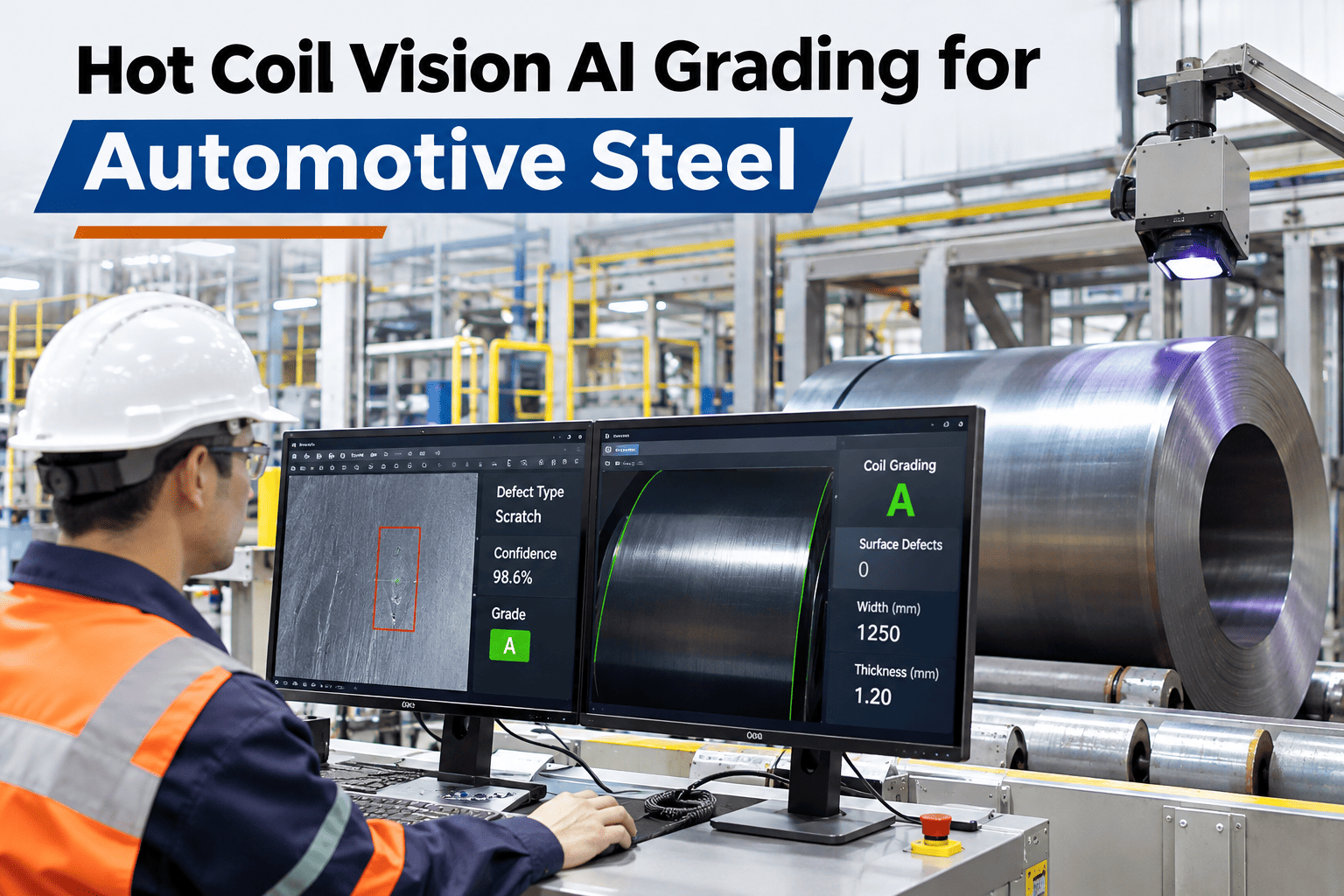
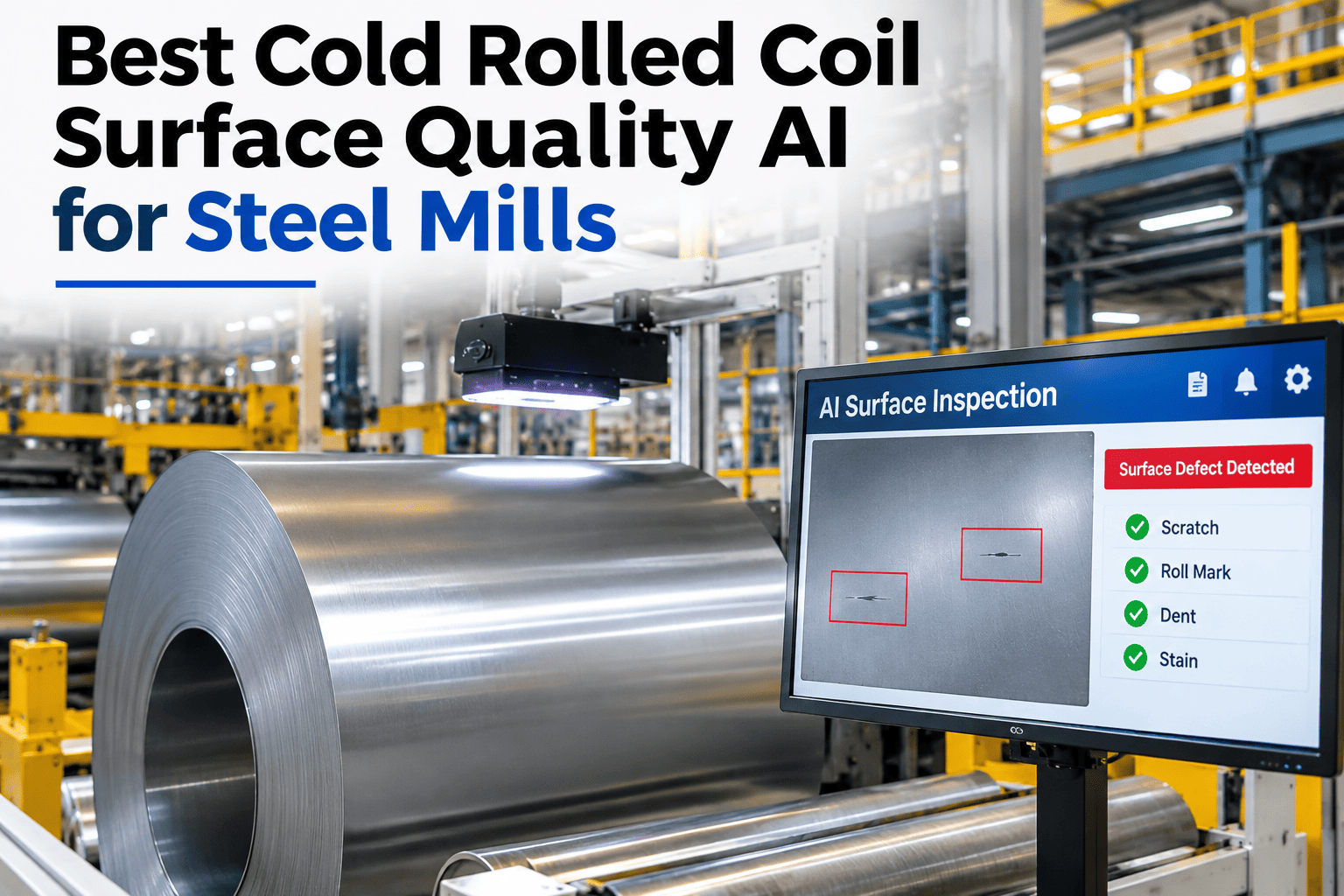
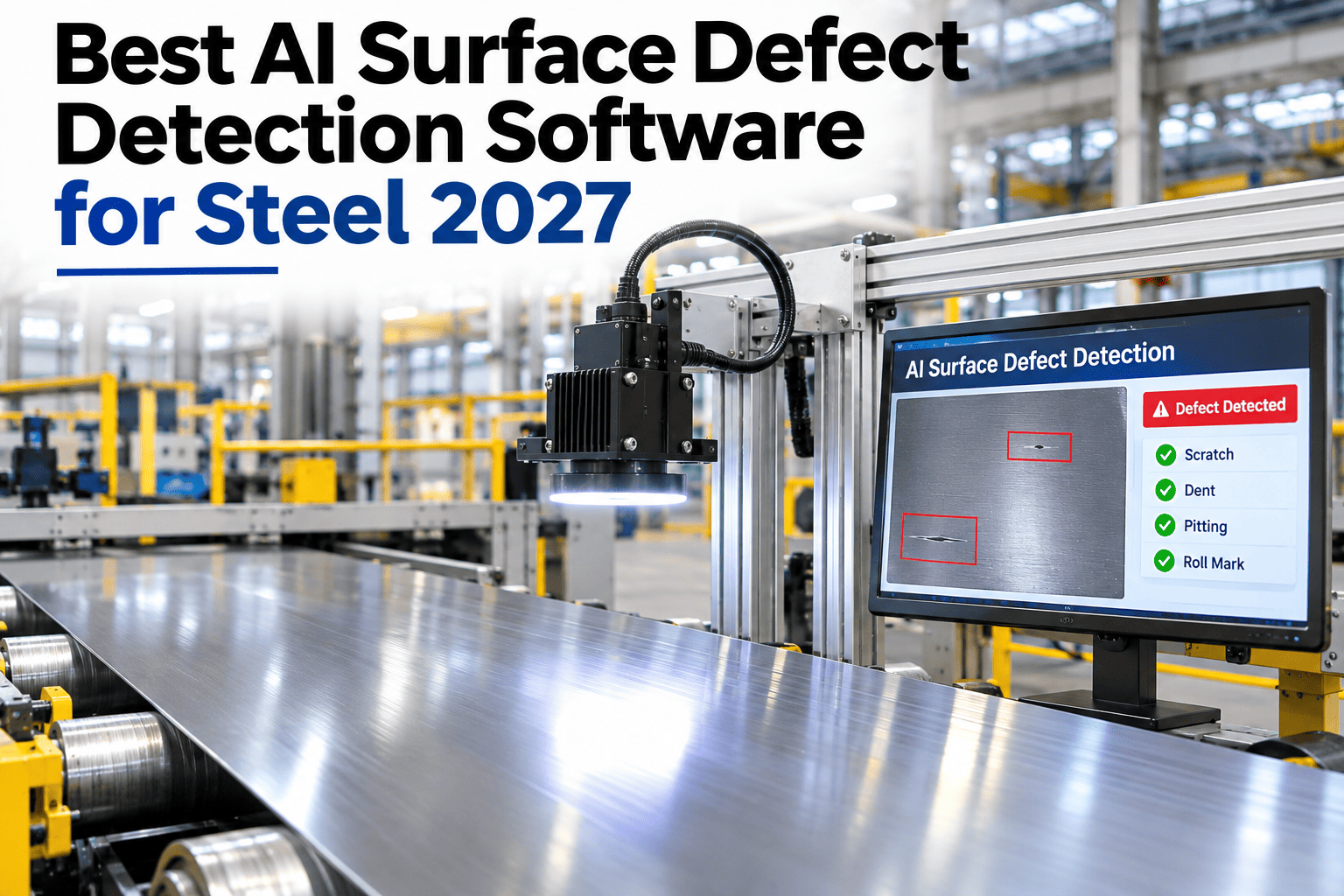
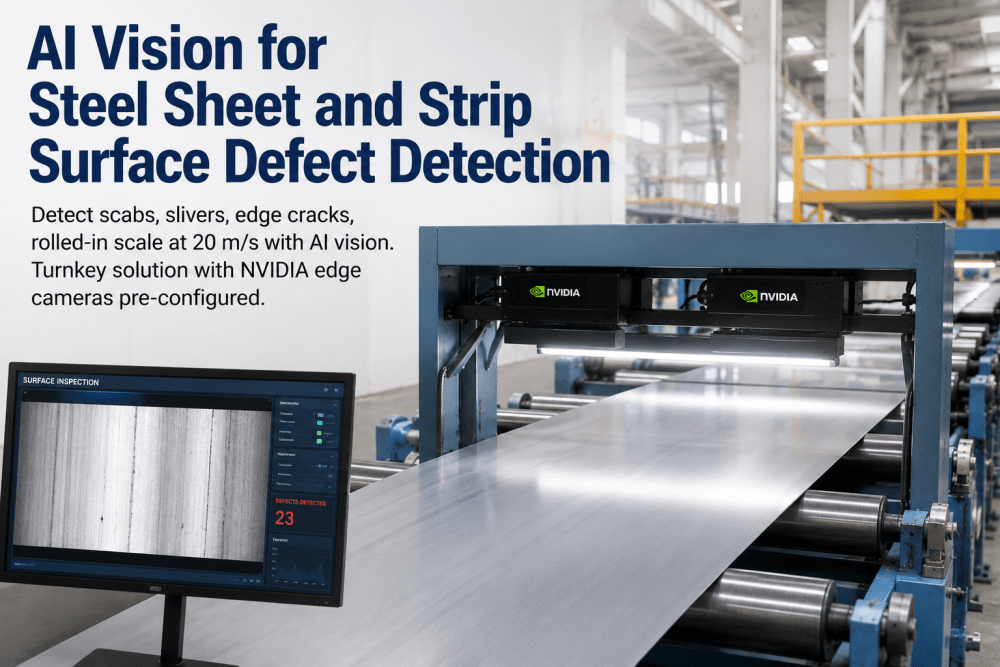
Automotive steel customers do not just check for defects, they check for compliance against a specific OEM surface class, and a coil that is technically defect-free can still fail to meet the surface class an automotive order requires. Grading hot coil correctly against OEM specifications means scoring surface class, checking compliance against the specific customer's requirement, and routing the coil to the right quality tier cleanly, every time, rather than relying on a grader's memory of what each OEM accepts. Getting this grading consistent is what keeps automotive orders from bouncing back as non-conforming, and our team can walk you through how this grading approach works against your own OEM specs.
Hot rolling, automotive steel grading
Grade Hot Coil Against the Exact OEM Surface Class Your Order Requires
iFactory AI scores surface class, checks OEM-spec compliance and routes coils to the correct quality tier automatically, so automotive orders ship right the first time.
Why spec compliance is hard
Defect-Free Is Not the Same as Spec-Compliant
A coil can pass a general defect check and still fail an automotive order if its surface class does not match what that specific OEM's specification requires for that specific part application.
General defect check
Confirms no major flaws are present
OEM spec is specific
Each customer defines its own surface class requirements
Grader relies on memory
Matching coil to the right spec depends on recalling each OEM's rules
Order bounces back
Coil is rejected as non-conforming despite being defect-free
Three grading elements
What Automotive Grading Actually Requires
Surface class scoring
Each coil surface is scored against a defined class scale, not a pass or fail check.
OEM-spec compliance
The scored surface class is checked against the specific customer's requirement.
Defect grading
Any defects found are classified and weighed against the applicable tolerance.
Check Your Current Spec Compliance Rate
Share your recent automotive order rejection history and see what grading gaps may be contributing to it.
Grading table
How Surface Class Maps to Routing Decisions
| Surface class | Typical application | Routing decision |
|---|
| Premium exposed class | Visible automotive panels | Route to highest quality tier |
| Standard exposed class | Less visible exterior panels | Route to standard automotive tier |
| Structural class | Internal structural components | Route to structural tier |
| Below spec | Does not meet automotive requirement | Downgrade to general market |
Grading pipeline
Four Steps From Surface Image to Shipped Grade
1
Capture and score
Surface imaging produces a class score for the coil.
2
Match to order spec
The score is checked against the specific OEM requirement for that order.
3
Grade any defects
Defects found are classified and weighed against the applicable tolerance.
4
Route to tier
The coil is routed to the correct quality tier for shipment or rework.
Common pitfalls
Three Mistakes That Cause Automotive Order Rejections
1
Grading against a generic standard
A general defect check misses OEM-specific surface class requirements.
2
Spec matching relies on grader memory
Different OEMs have different requirements that are easy to mix up manually.
3
No record of which spec a coil was checked against
A dispute later has no clear record of what standard was applied at grading.
Expert review
Automotive rejections are often blamed on defect rates when the real issue is spec mismatch, grading a coil correctly by one standard while the order required another. Before investigating defect causes, confirm the right spec was actually applied at grading.
Watch for
Rejection patterns tied to specific OEM accounts rather than specific defect types.
Do next
Audit a sample of recent orders to confirm the correct OEM spec was applied at grading time.
— iFactory steel specialists
Frequently asked questions
What Mills Ask About Automotive Coil Grading
Can the system handle multiple OEM specs at once?
Yes, each OEM's specification can be loaded as its own standard, and the system matches the correct spec to the correct order rather than relying on a grader remembering which customer requires what.
Ask about your OEM accounts.
How is surface class actually scored?
Surface imaging is analyzed against the defined class criteria for texture, finish and defect presence, producing a class score that can then be checked against whichever spec applies to the current order.
Discuss your surface class scale.
What happens when a coil does not meet the required spec?
A coil that does not meet the automotive spec can be routed to a lower tier or general market rather than shipped against the automotive order, catching the mismatch before it becomes a customer rejection.
Talk through your routing options.
Does this keep a record for customer disputes?
Yes, a record of which spec was applied and what score the coil received at grading gives a clear reference if a customer later disputes the grade.
Ask about grading records.
How often do OEM specs change and how is that handled?
OEM specifications do get updated periodically, so the grading standards need to be reviewed and updated whenever a customer issues a revised spec to keep grading decisions aligned with current requirements.
Discuss spec update handling.
From generic defect check to exact spec match
Ship Automotive Coil That Matches the Exact Spec Required
Book a session with iFactory AI to review your OEM specs and see how automated grading fits your automotive coil program.