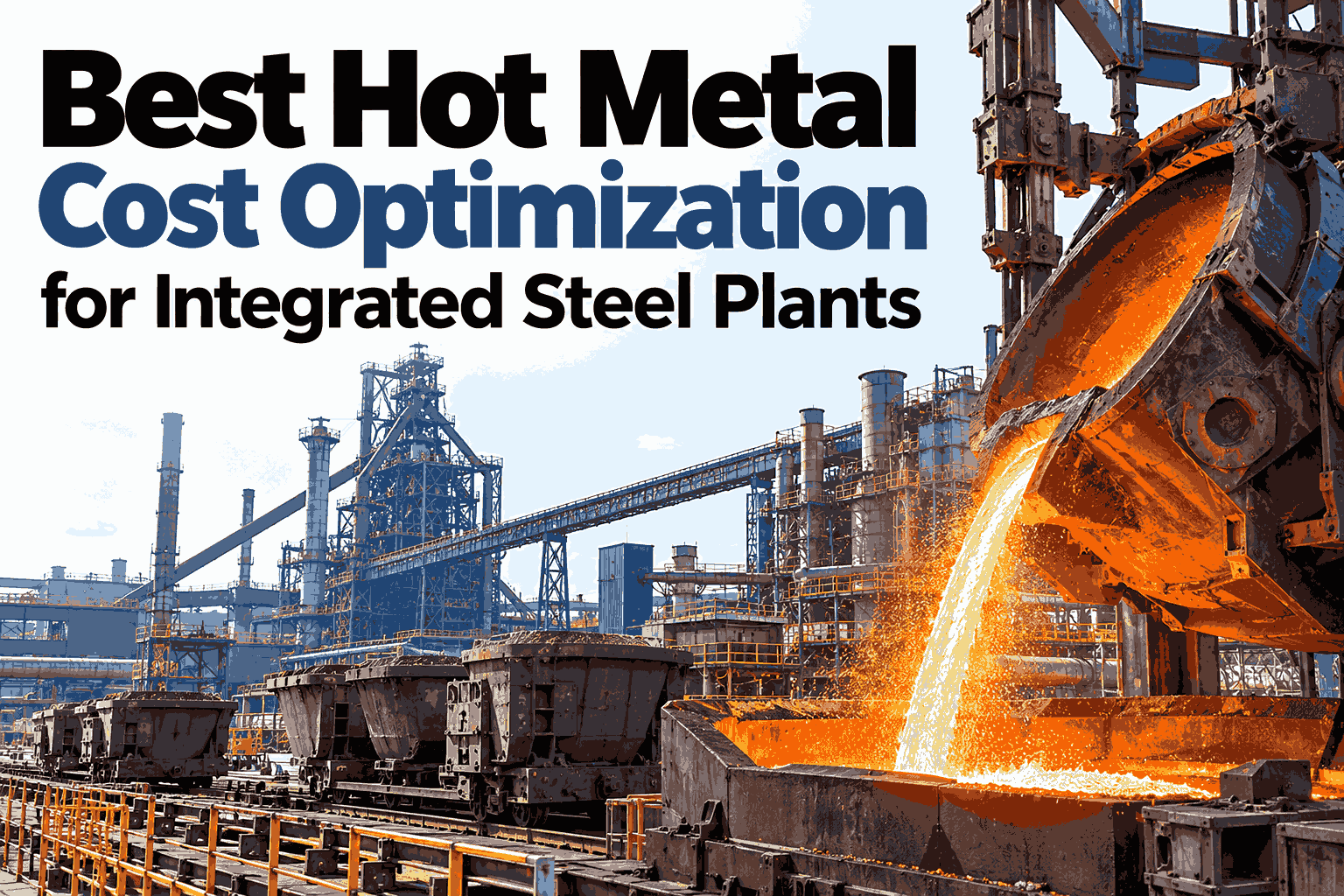
Hot metal is the single largest cost line in an integrated steel plant, and most of it is decided long before the ladle reaches the converter. Ore quality, coke rate and blast furnace stability set the price of every tonne, yet the three are usually managed by different teams looking at different reports. That gap is where cost quietly leaks, one small drift at a time. Works managers who want to see the three levers on one screen can talk to iFactory AI's team about a hot metal cost review using their own furnace data.
Cut Hot Metal Cost by Managing the Three Levers Together
iFactory AI connects iron-ore quality, coke rate and furnace productivity to hot metal cost per tonne, so every drift is priced the moment it starts.
Anatomy of a Tonne of Hot Metal
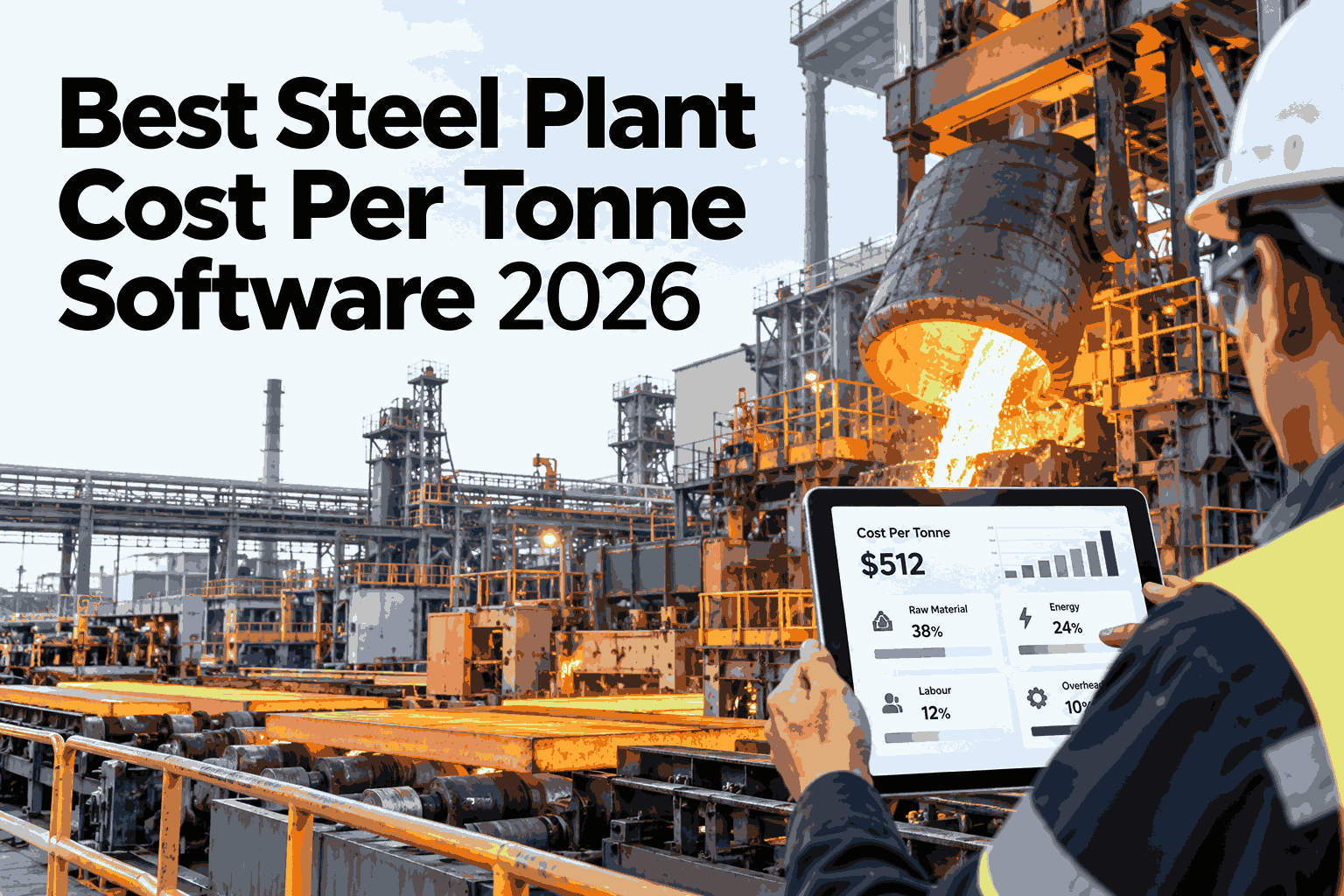
Hot metal cost is mostly burden and fuel. The split below is an illustrative mix, and your own plant will differ, but it shows why small changes in ore and coke move the total so quickly.
The Lever Map
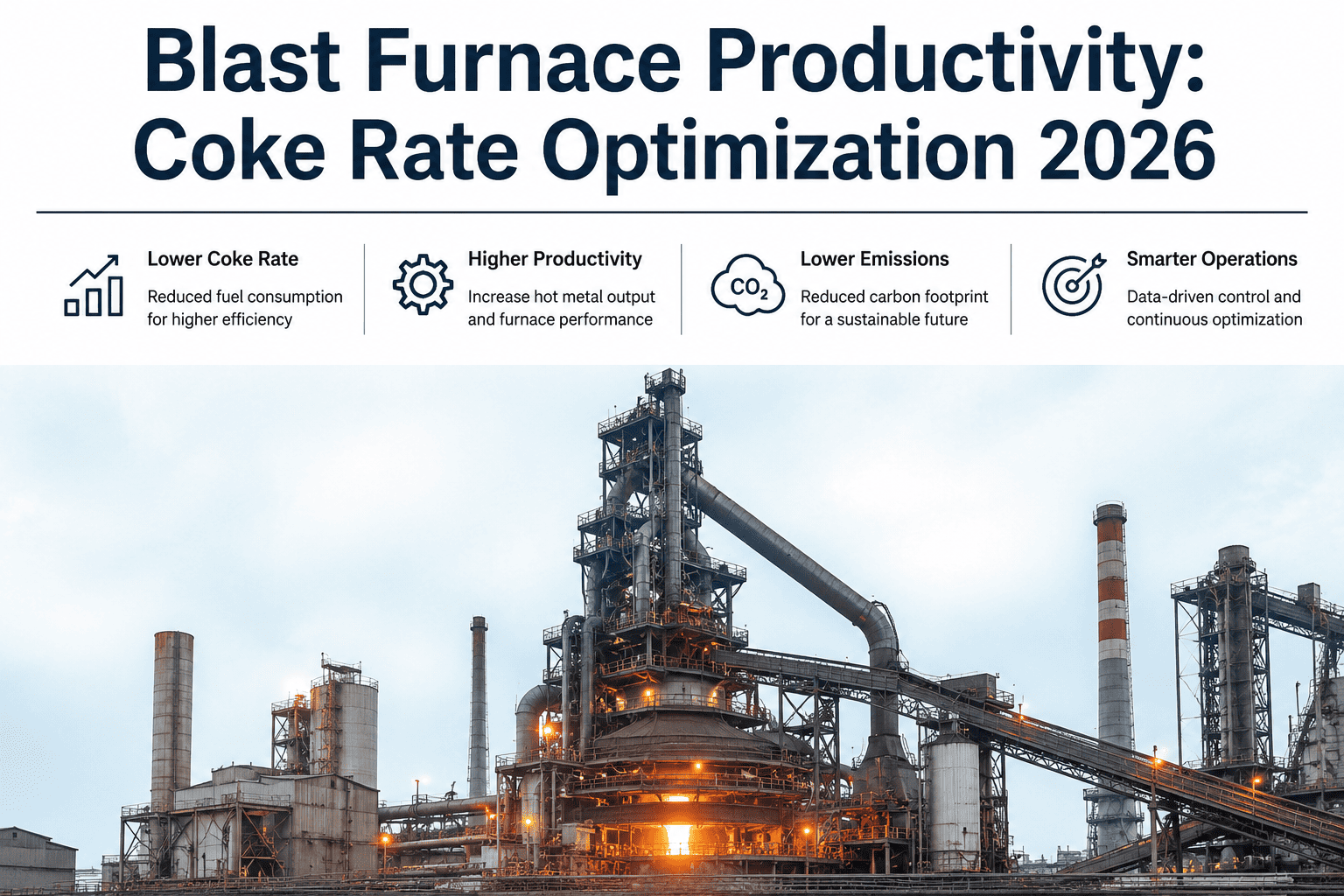
Three levers decide most of the outcome. Each has its own inputs, its own warning signs and its own owner.
Iron-Ore Quality
Coke Rate
Furnace Productivity
Lever 1: Ore Quality Is Priced in Slag
A cheaper ore is only cheaper if the furnace can digest it. Every extra unit of gangue becomes slag, and slag has to be heated and melted with coke.
Price Your Ore Choices in the Furnace, Not the Invoice
Book a 30-minute session and iFactory AI will show how burden changes flow through to coke rate and hot metal cost on your own data.
Lever 2: What Moves the Coke Rate
Coke plus injected coal make up the fuel rate. The table lists the usual drivers, what each one does and what to watch for.
| Factor | Effect on Fuel Use | What to Watch |
|---|---|---|
| Coke strength after reaction | Weak coke degrades in the stack and chokes permeability | Coke quality trend by batch and source |
| Coal injection rate | Replaces part of the coke, within limits | Replacement ratio and combustion behaviour |
| Hot blast temperature | Higher blast temperature supplies heat and cuts coke | Stove performance and dome temperature |
| Oxygen enrichment | Supports injection and productivity | Oxygen cost against fuel saved |
| Slag volume | More slag needs more heat per tonne | Slag rate against burden chemistry |
| Hearth thermal state | Overheating wastes fuel, cold hearth risks upsets | Silicon and hot metal temperature |
Lever 3: Productivity Spreads Fixed Cost
A furnace that makes more tonnes from the same lining, crew and stoves carries less fixed cost on each one. The three operating states below show how quickly that changes.
A Composite Scenario: Cheaper Ore, Dearer Metal
A plant switched part of its burden to a lower-priced ore. Purchasing reported a saving, while the furnace team saw coke rate climbing and productivity slipping.
The Works Manager's Daily Hot Metal Checklist
Eight questions, asked every morning, catch most cost drift before it reaches the monthly report.
Where iFactory AI Fits
Ore, coke and furnace data live in separate systems. iFactory AI joins them and prices every change in cost per tonne of hot metal.
Burden to Cost Link
See how each ore and sinter mix changes slag volume, fuel rate and final hot metal cost.
Early Drift Signals
Permeability and pressure trends flag a drifting furnace before output starts to fall.
Fuel Rate Tracking
Coke and injection are tracked together so replacement ratio problems show up quickly.
Shared Cost View
Purchasing, furnace and finance teams read one number instead of three versions.
Frequently Asked Questions
Is a cheaper ore always worth using?
Not always. A lower purchase price often comes with lower iron content, more gangue or weaker size and strength properties, and each of those raises slag volume or hurts permeability. The extra fuel and lost productivity can cancel the saving or exceed it. The right test is cost per tonne of hot metal, not cost per tonne of ore. iFactory AI's team can model a burden change on your furnace before you commit to a purchase.
How much can coal injection really replace coke?
Injection replaces part of the coke, but never all of it, because coke also supports the burden and keeps the stack permeable. The replacement ratio also falls if the injected coal burns poorly or the raceway is disturbed. Plants gain most when injection rate, blast temperature and oxygen are tuned together instead of one at a time. Tracking the actual replacement ratio shows when the coal is no longer paying for itself.
Which furnace signal warns of a productivity loss first?
Rising pressure drop across the stack, especially while blast volume is being trimmed, is usually the earliest sign. Irregular burden descent and uneven top-gas temperature often follow. Because operators respond by reducing the blast, output slips quietly before any report shows it. Watching permeability as a live trend gives the team hours or days to correct fines, burden distribution or slag behaviour. See these signals on a live dashboard in a short walkthrough.
Can we run this with data from separate systems?
Yes. Burden records usually sit in the raw material system, furnace readings in Level 1 and Level 2, and cost in ERP. iFactory AI connects them through its ERP and MES integration and matches every cost line to a furnace, a shift and a burden lot. Existing systems stay in place, so there is no rip-and-replace, and gaps in the data are listed during the first weeks of the rollout.
Who should own hot metal cost in the plant?
Hot metal cost crosses purchasing, the coke plant, sinter and the furnace, so it needs a single accountable owner, usually the blast furnace head or the works manager. Each lever still keeps its own specialist, and a weekly review ties them together against one shared number. That structure prevents a saving in one department from becoming a loss in another. Support can share a sample ownership and review format for integrated plants.
Price Every Furnace Decision in Cost Per Tonne of Hot Metal
iFactory AI links ore, coke and productivity to the number your works manager is judged on. Book a walkthrough to see it against your own blast furnace data.