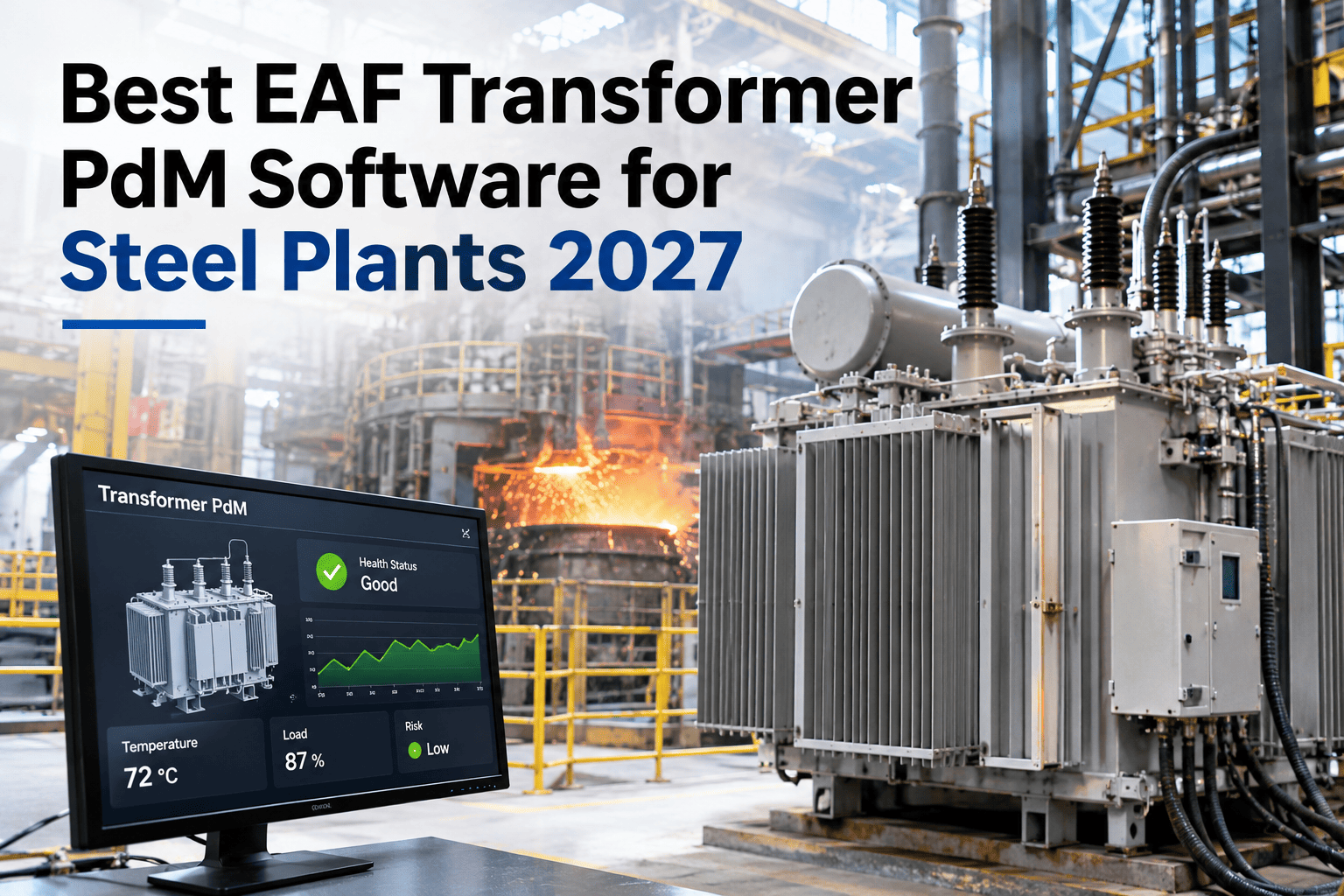
An EAF transformer's cooling system works hardest exactly when the mill needs it most — during peak summer production, when ambient temperatures are already high and the furnace is cycling continuously. A radiator losing efficiency, an oil pump trending toward failure, or a fan running below its rated airflow all quietly reduce the cooling margin that protects the transformer from exactly the thermal stress its duty cycle creates. Steel mills running EAF transformers can review a cooling system health check against their own equipment with iFactory AI.
Cooling Works Hardest Exactly When the Mill Needs It Most
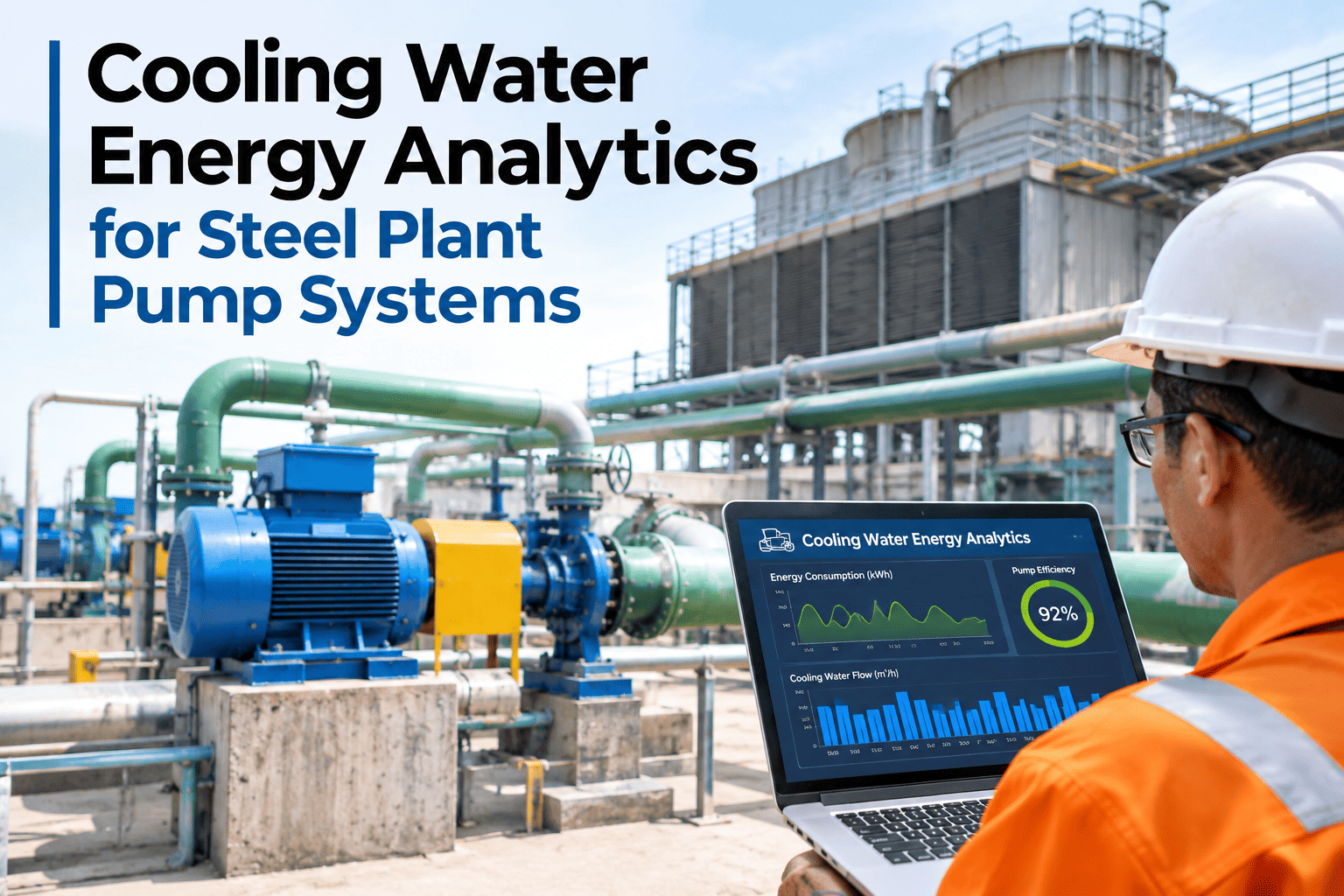
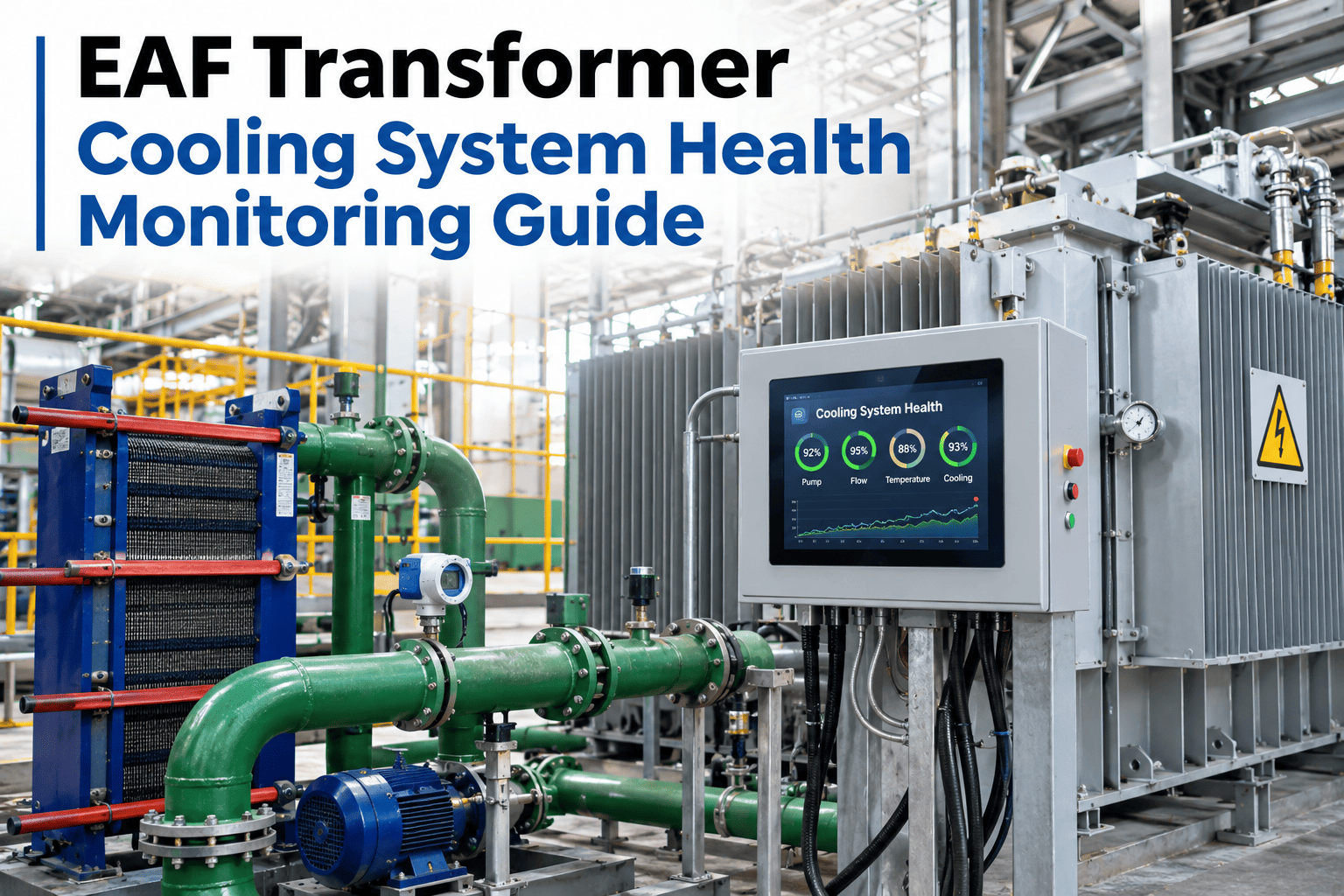
iFactory AI tracks radiator, oil pump, fan and heat-exchanger performance continuously, protecting transformer life through peak summer production demand.
Four Components, Four Ways Cooling Capacity Erodes
A transformer's cooling margin is only as strong as its weakest component, and each of these degrades in its own way, often without throwing an obvious fault until the margin has already shrunk significantly.
What Degrading Cooling Looks Like Before a Fault
| Indicator | What it signals early |
|---|---|
| Top-oil temperature rising at same load | Overall cooling capacity declining |
| Fan current drawing higher for same airflow target | Fan motor or blade wear developing |
| Oil flow rate trending down | Pump wear or developing restriction |
Check Your Own Cooling System's Margin Before Peak Season
Share recent cooling performance data and a short session will show how much margin your transformer actually has.
A Composite Scenario: The Margin That Had Already Shrunk Before Summer
A mill's EAF transformer had run without issue through the prior summer, so no specific concern was raised heading into the next peak season. Reviewing cooling system trend data found that top-oil temperature at a given load had been gradually climbing over the preceding months, even though no individual reading had crossed an alarm threshold, indicating the cooling margin had eroded without triggering any fault. Addressing a partially fouled radiator bank before peak summer demand arrived restored margin that would otherwise have been tested right when ambient conditions made the transformer most vulnerable — a trend iFactory AI's team can help track in your own cooling system data.
Why Cooling Margin Matters Most During Peak Summer Production
Cooling capacity that looks adequate in cooler months can become genuinely marginal once high ambient temperatures combine with sustained peak furnace demand. Catching gradual cooling degradation before that seasonal peak, rather than discovering the shortfall during it, is what keeps a transformer's thermal protection intact exactly when it matters most.
Frequently Asked Questions
Protect Transformer Life Through Every Peak Production Season
iFactory AI tracks radiator, pump, fan and heat-exchanger performance continuously. Book a walkthrough with your own transformer cooling data.