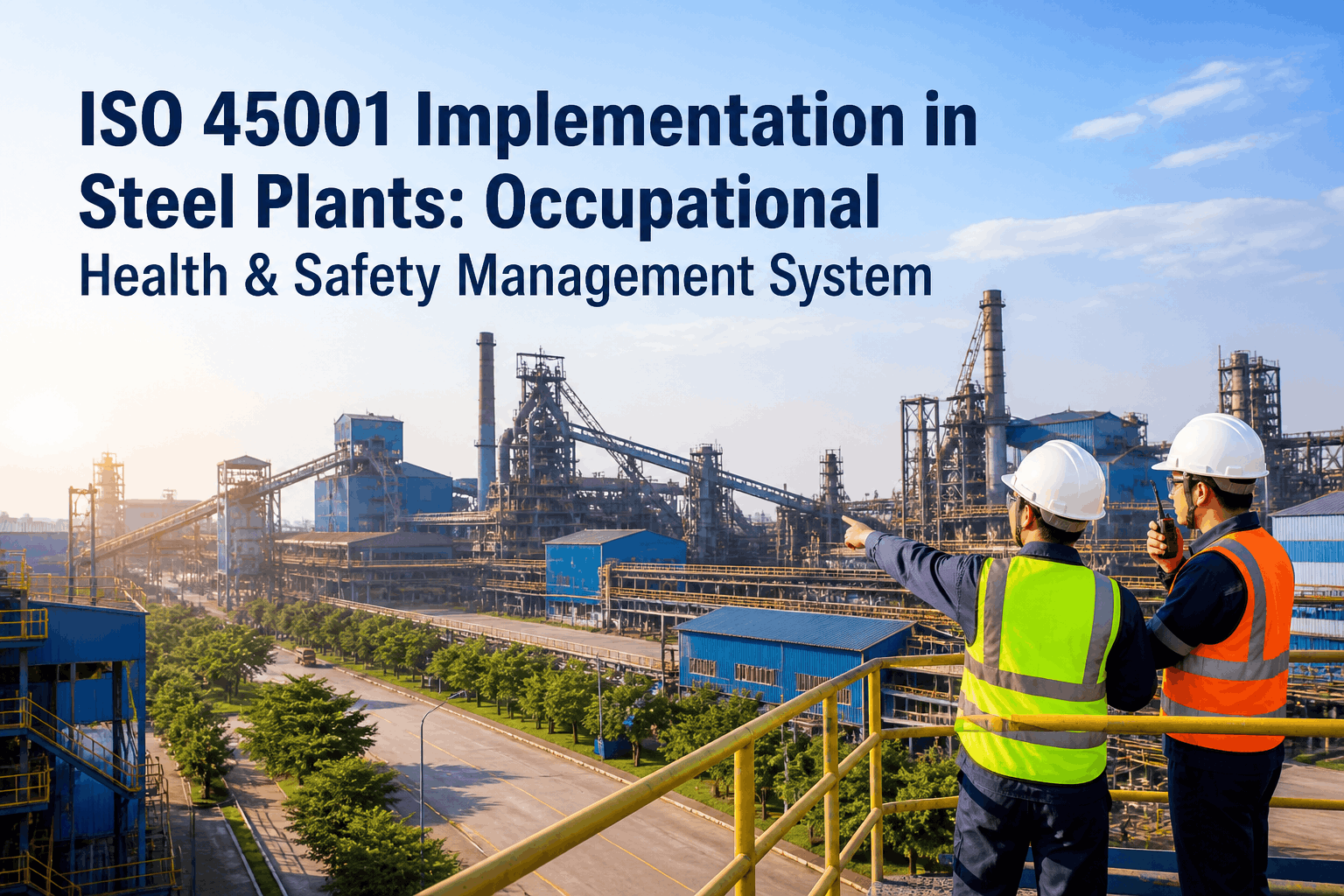
The steel manufacturing environment is defined by its inherent dangers—molten metal handling, extreme thermal loads, heavy overhead crane operations, and exposure to toxic gases. In this high-risk sector, achieving ISO 45001 certification is not merely a bureaucratic milestone; it is a fundamental transformation of a plant's Occupational Health and Safety (OHS) management system. ISO 45001 mandates a proactive, risk-based approach to safety, requiring organizations to continuously evaluate hazards, engage workers in safety processes, and demonstrate verifiable continuous improvement through the Plan-Do-Check-Act (PDCA) cycle. However, attempting to implement and maintain an ISO 45001 framework using fragmented spreadsheets, paper-based risk assessments, and disconnected maintenance logs creates an immense administrative burden and routinely leads to major non-conformances during external audits. iFactory solves this by acting as the digital backbone of your OHS management system. By seamlessly integrating safety documentation, mobile hazard reporting, and Corrective and Preventive Action (CAPA) workflows directly into your Enterprise Asset Management (EAM) platform, iFactory provides the immutable, real-time audit trail required by ISO 45001 auditors. Book a demo to digitize your ISO 45001 implementation today.
ISO 45001 Implementation for Steel Plants: Digitizing OHS Management
Automate risk assessments, digital document control, CAPA workflows, and continuous improvement tracking to guarantee ISO 45001 certification readiness.
Digitizing the ISO 45001 PDCA Framework — 7 Steps to Certification
ISO 45001 is built on the Plan-Do-Check-Act cycle. iFactory transforms this theoretical framework into a highly structured digital workflow, ensuring that your safety policies translate into actual operational controls on the plant floor. See a live PDCA dashboard in action.
Steel Plant Hazard Escalation & Response Tiers
A core tenet of ISO 45001 is risk-based thinking. iFactory digitizes your risk matrix, categorizing identified hazards and automatically enforcing response timelines to ensure that severe threats to worker safety are eliminated before they cause harm.
Building a Proactive Safety Culture
ISO 45001 heavily emphasizes worker participation. When hazard reporting is difficult, workers stop doing it. By putting the iFactory mobile app in the hands of every operator, near-miss reporting skyrockets, shifting your plant's safety metrics from lagging indicators (injuries) to leading indicators (preventive observations).
The Digital Tools Powering ISO Certification
iFactory provides a complete, interconnected suite of safety and maintenance tools that satisfy every clause of the ISO 45001 standard.
Mobile Hazard Reporting
Workers use their mobile devices to snap photos of hazards, instantly submitting them into the safety queue for triage, fulfilling Clause 7.4 (Communication).
Digital Permit-to-Work
Ensure operational control (Clause 8.1) by enforcing rigorous digital checklists, LOTO sign-offs, and contractor vetting before any high-risk work begins.
Automated CAPA Workflows
When an incident occurs, iFactory forces a structured root cause analysis and tracks all resulting corrective maintenance actions to completion (Clause 10.2).
ISO Document Control
Maintain perfect version control over all safety policies, SOPs, and training matrices. Expired documents are automatically archived, ensuring single-source-of-truth (Clause 7.5).
Before vs After — ISO Audit Performance
What an HSE Director Said
Our initial attempt at ISO 45001 certification failed because our documentation was a mess. The auditor found three instances where Corrective Actions from a safety audit were simply forgotten because the spreadsheet wasn't updated. We implemented iFactory's safety module and it fundamentally changed our approach. Now, when a worker logs a hazard on their phone, it generates a work order in the EAM automatically. The loop is closed digitally. During our reassessment, the ISO auditor told us our digital CAPA tracking and document control was the best he had seen in the heavy manufacturing sector. We passed with zero non-conformances.
Frequently Asked Questions: ISO 45001 in Steel Plants
How does iFactory satisfy ISO 45001 Document Control requirements?
iFactory features a built-in document management system that handles strict versioning, approval workflows, and digital distribution. It ensures that workers can only access the latest, approved version of an SOP or Policy, satisfying Clause 7.5 instantly.
Can external ISO auditors access the system?
Yes. You can create temporary "Auditor" profiles with read-only access to specific dashboards. Auditors love this because they can independently verify your digital CAPA logs, risk registers, and training records without waiting for you to find paper binders.
How does the software handle Contractor Safety Management?
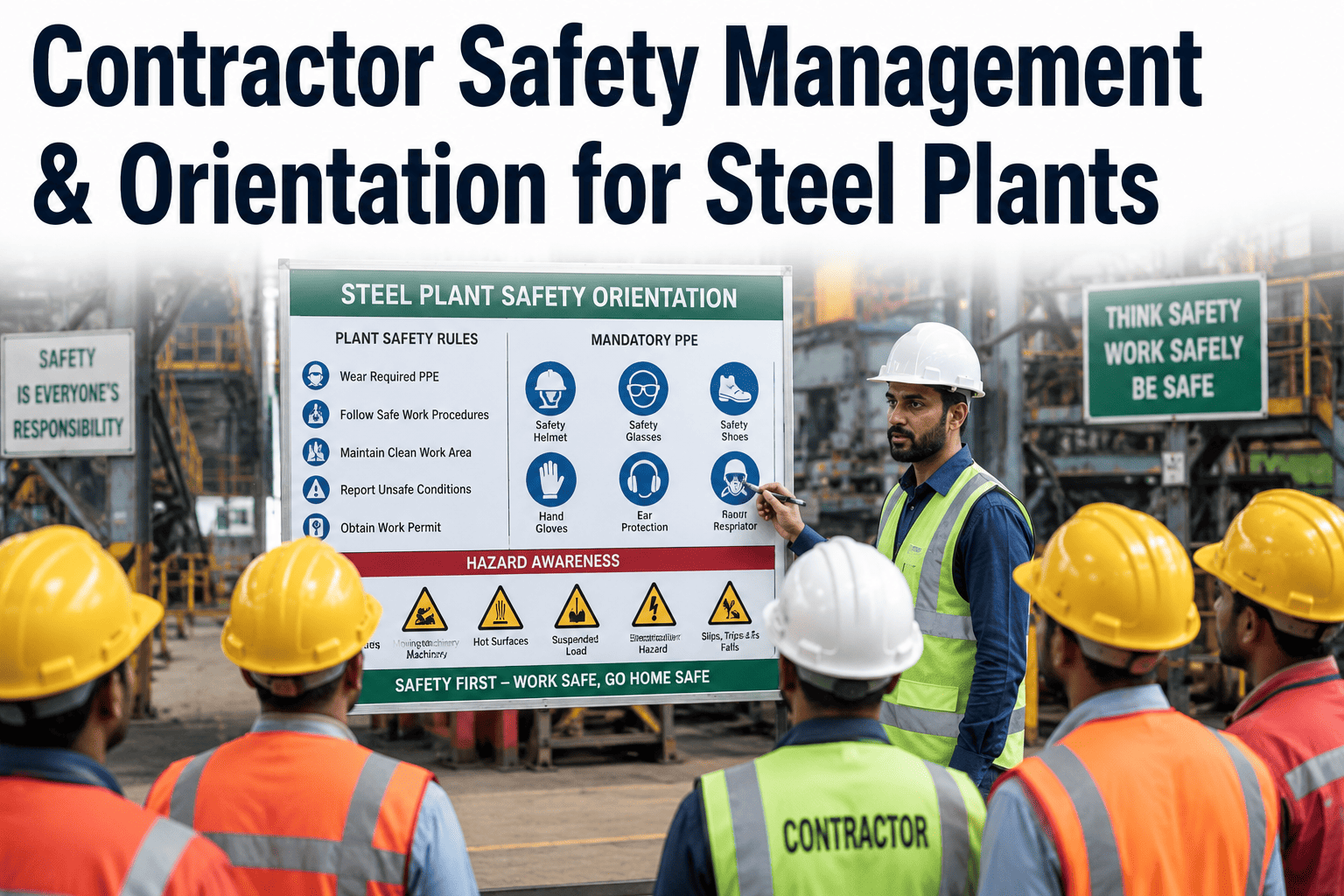
iFactory extends your OHS management system to your vendors. Contractors must upload their safety certifications and insurance documents into the portal before arriving on-site. The system can issue digital Permits-to-Work only when contractor compliance is verified.
Does iFactory integrate safety hazard reports directly into maintenance?
Yes, this is a core differentiator. If a safety inspection identifies a broken machine guard, the system doesn't just log it; it automatically generates a mechanical work order in the EAM, directly bridging the gap between hazard identification and physical elimination.
How does the platform encourage worker participation (Clause 5.4)?
By providing an intuitive, consumer-grade mobile app to every worker on the floor. They can log near-misses, suggest safety improvements, and conduct behavioral observations in seconds, democratizing safety rather than keeping it locked in the HSE office.
Does the system support mobile offline capabilities?
Yes. Steel mills often have dead zones with no Wi-Fi or cellular service. Workers can complete safety audits, view LOTO procedures, and log hazards offline. The app automatically syncs all timestamped data back to the server once connectivity is restored.
Can we customize our Risk Assessment matrices?
Absolutely. iFactory's risk management engine is highly configurable. You can build custom 3x3, 4x4, or 5x5 risk matrices, define your own severity and likelihood parameters, and attach specific escalation workflows for high-risk hazards.
How does iFactory prove 'Continuous Improvement' to an auditor?
The system generates automated KPI dashboards showing the volume of near-misses reported versus the speed of CAPA resolution over time. Being able to demonstrate that hazard resolution times are shrinking year-over-year provides undeniable proof of continuous improvement (Clause 10.3).
Secure ISO 45001 Certification with Complete Confidence
Automated document control, mobile hazard reporting, and guaranteed audit readiness.


-for-steel-plants-digital-compliance-framework.png)