Steel logistics is the final mile of production — and the one where maintenance failures hit revenue directly. Rail cars, torpedo ladles, forklifts, weighbridges, and packaging lines must operate in sequence. When any single link fails, steel sits on the plant floor instead of moving to the project site, dispatch targets slip, and contractual penalties accumulate at $5,000–$25,000 per day per delayed order. The equipment that moves steel endures extreme conditions — torpedo ladles carry molten iron at 1,400°C, rail cars absorb continuous impact loading, and forklifts run 18-hour shifts in dust-heavy environments. iFactory's Fleet Management and Work Order platform tracks every logistics asset from refractory condition to wheel bearing health — ensuring steel moves from plant to customer on schedule.
Logistics Equipment Analytics for Steel Plants
Keep steel moving — rail car, torpedo ladle, forklift, and packaging line analytics that eliminate dispatch delays and contractual penalties.
Logistics Equipment iFactory Manages — Full Fleet Coverage
Every piece of equipment in your steel dispatch chain is tracked — from refractory lining condition on torpedo ladles to tyre wear on yard forklifts. Talk to our steel logistics team about your fleet setup.
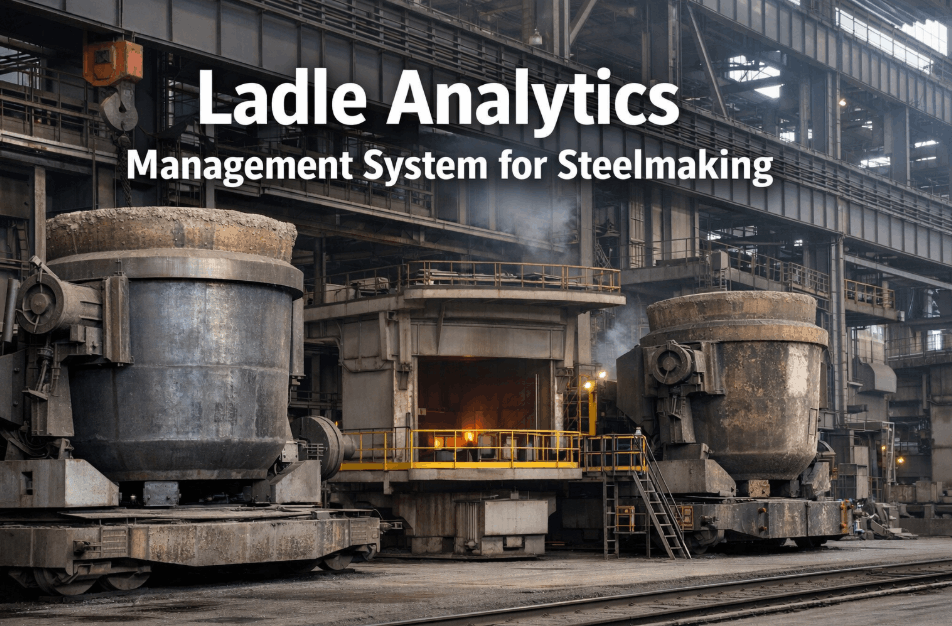
Torpedo Ladles
Refractory lining, shell thermal scan, wheel bearing, tilt mechanism
Rail Cars & Wagons
Axle bearing, brake system, coupler wear, body integrity inspection
Forklifts & Yard Vehicles
Engine health, hydraulic system, tyre wear, OBD diagnostics
Weighbridges
Load cell calibration, platform integrity, software accuracy checks
Packaging Lines
Strapping heads, coil wrapping, label applicator, conveyor belt tension
Railway Sidings
Track geometry, switch mechanisms, signal systems, buffer stops
How Equipment Failures Impact Dispatch — Cost Per Event
iFactory AI Stack for Steel Logistics
AI Camera Vision
Thermal imaging on torpedo ladles detects refractory hotspots and shell anomalies in transit. Visual inspection on packaging lines catches strapping failures in real time.
AI Digital Twin
Virtual model of each torpedo ladle calculates refractory remaining life from thermal history and heat count — scheduling reline 4–8 weeks ahead.
PLC & OBD Integration
PLC data from rail car braking systems and OBD from forklifts feed directly into iFactory — every sensor reading tracked without manual entry.
SAP PM Integration
Every fleet alert generates a SAP PM work order with asset ID, diagnosis, parts list, and crew assignment. Monthly MTBF and fleet utilisation reports auto-generated.
Recommended PM Frequency by Logistics Asset
| Asset | Daily | Weekly | Monthly | Annual |
|---|---|---|---|---|
| Torpedo Ladle | ||||
| Rail Car | ||||
| Forklift | ||||
| Weighbridge | ||||
| Packaging Line |
What a Dispatch Operations Head Said
iFactory's thermal scan flagged a refractory hotspot on torpedo ladle #7 — we pulled it for reline and avoided a potential molten iron spill during transit. That single alert justified the entire platform cost for the year.
Frequently Asked Questions
How does iFactory track torpedo ladle refractory condition?
AI thermal cameras scan each ladle after filling. Digital twin calculates remaining refractory life from heat count and shell temperature history.
Can iFactory manage both rail-mounted and rubber-tyre fleet?
Yes — PLC integration for rail assets and OBD connectivity for forklifts, yard trucks, and mobile equipment. See your fleet dashboard.
What is the typical ROI timeline for steel logistics analytics?
Most plants see full payback within 6–10 months from avoided dispatch penalties and reduced emergency repair costs alone.
Does iFactory integrate with weighbridge and packaging systems?
Yes — load cell data, strapping machine sensors, and labelling systems all feed into the unified dashboard via PLC or direct API.
Protect Your Dispatch with iFactory
Fleet analytics live in 3 weeks.