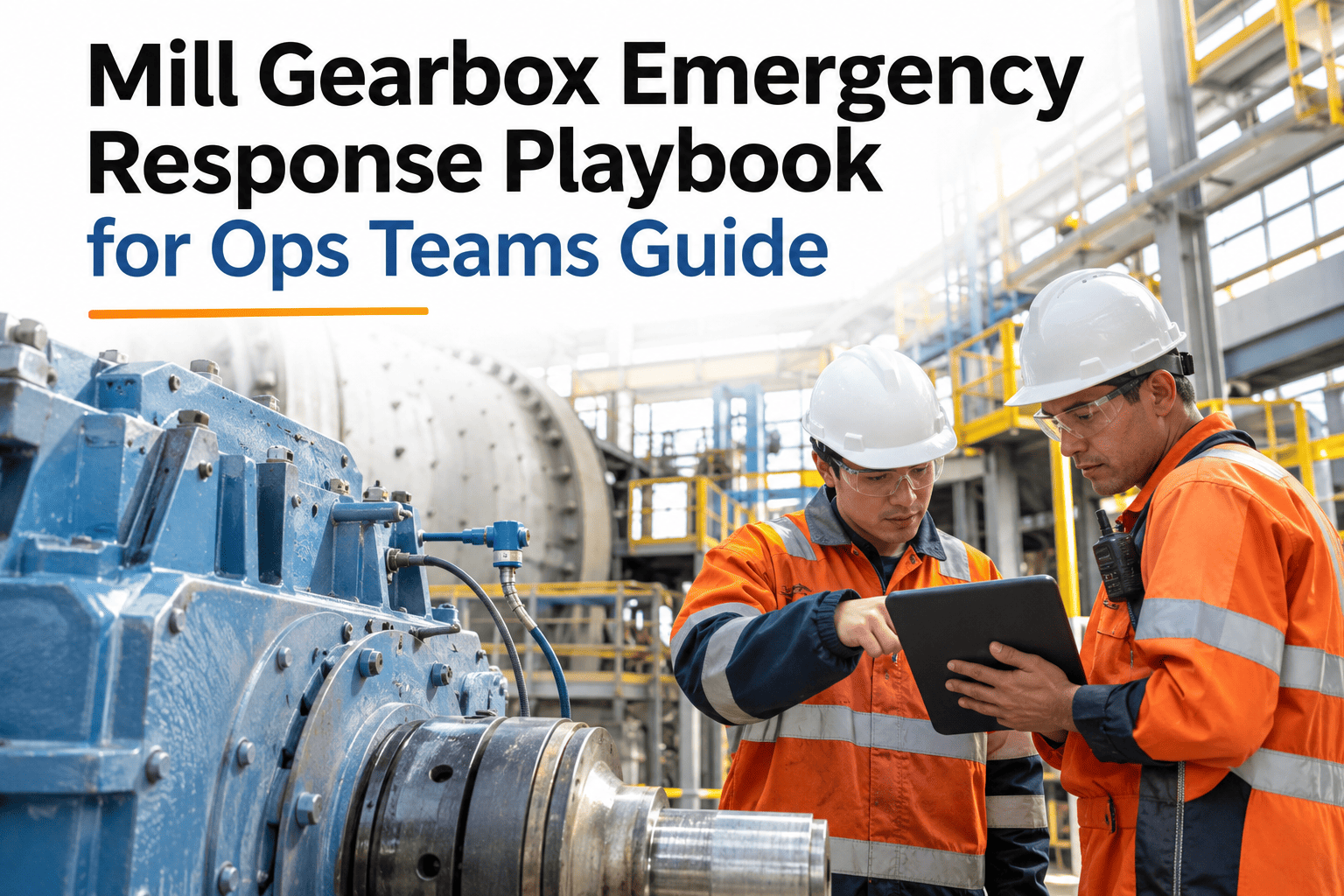
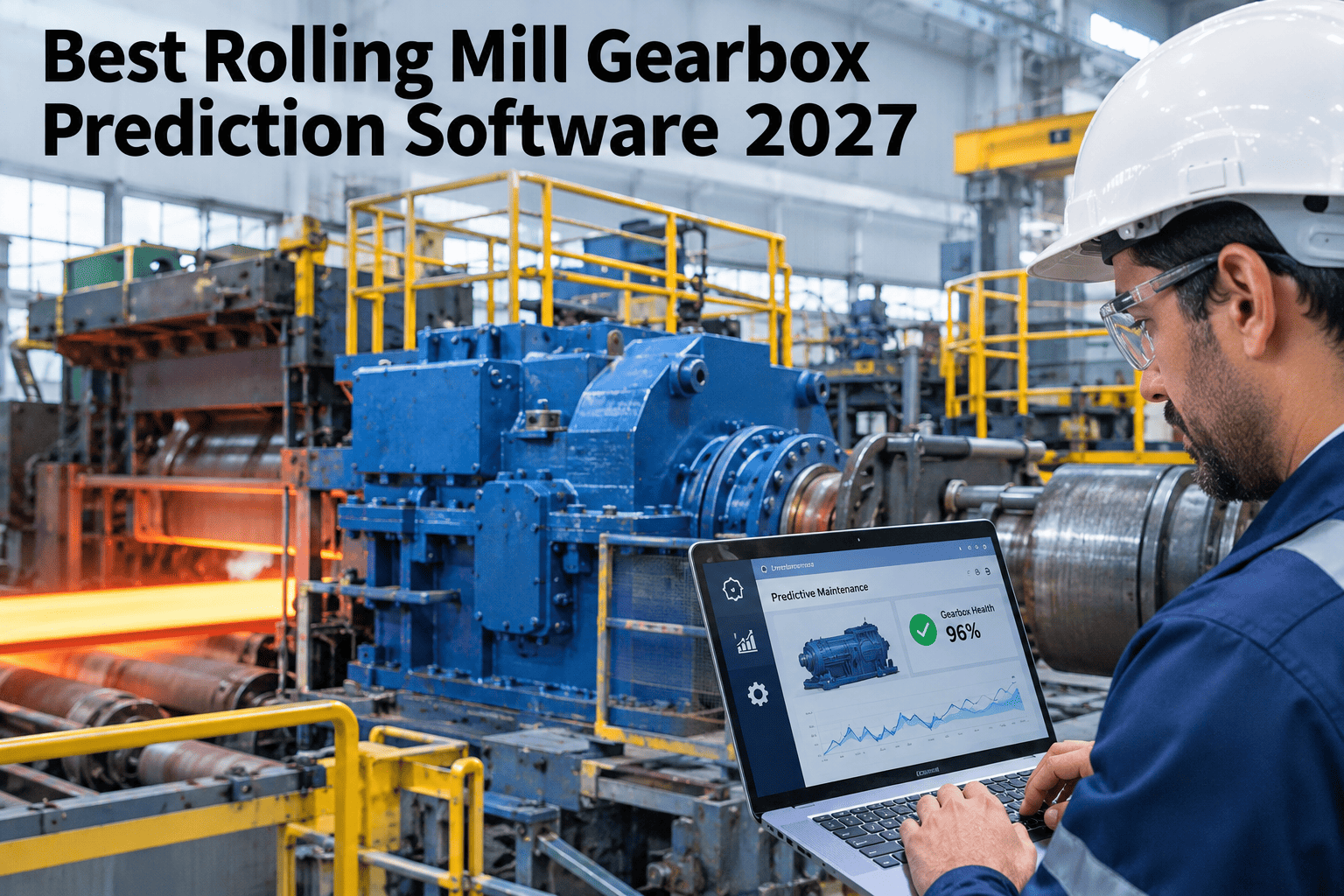
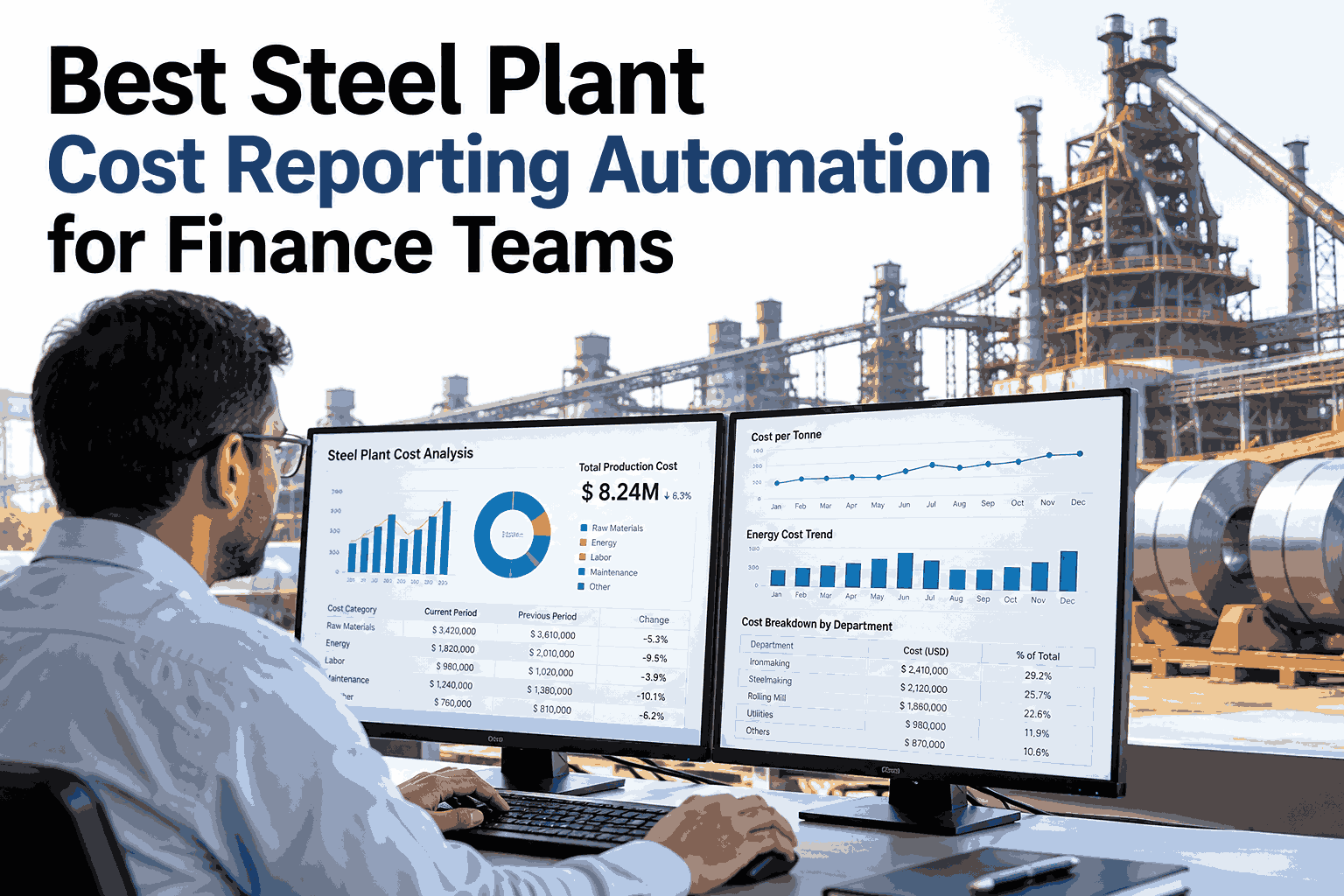
A rolling mill gearbox throwing high vibration or a sudden temperature spike is not a moment for an operator to improvise a response, because the wrong call in those first few minutes can turn a contained problem into a catastrophic failure with real risk to life as well as equipment. A written, drilled emergency response playbook for high-vibration, high-temperature and lubrication-failure scenarios gives the operations team a clear sequence to follow under pressure instead of a judgment call made cold. iFactory AI, an on-premise AI platform for manufacturing, feeds the early-warning signals this playbook depends on, and mill operations teams can build an emergency response playbook around their own gearbox monitoring data with our team.
Gearbox Emergency Response, 2027
Three Scenarios, One Playbook, No Improvising
A mill gearbox emergency response playbook gives ops teams a defined sequence for high-vibration, high-temperature and lubrication-failure events, protecting both equipment and people.
Why improvising fails
Why the First Five Minutes Shouldn't Be Judgment Alone
A gearbox in distress gives an operator very little time to think clearly, and the instinct to keep running the mill to finish a heat or avoid a costly stop can override good judgment exactly when it matters most. A playbook removes that pressure from the individual decision by defining, in advance and without the stress of the moment, exactly what response each specific warning signal calls for.
Three scenarios
What Each Emergency Scenario Actually Requires
High vibration
A defined threshold and inspection sequence before any decision to continue running.
High temperature
A staged response from monitoring to controlled shutdown as temperature climbs.
Lubrication failure
An immediate stop sequence, since running dry risks rapid, severe damage.
The response sequence
From Alarm to Safe State
1
Alarm recognized
The specific signal and its severity are identified against the playbook's defined thresholds.
2
Immediate action taken
The predefined first response, slow down, hold, or stop, is executed without delay.
3
Escalation notified
The named roles for that scenario are alerted per the playbook's contact sequence.
4
Safe state confirmed
The mill reaches a confirmed safe condition before any further decision is made.
See Your Own Thresholds Built Into a Playbook
Share your gearbox monitoring setup and current alarm thresholds, and iFactory AI will help structure them into a response playbook.
Improvised vs drilled
An Emergency Handled Two Ways
Improvised response
The operator decides under pressure, in the moment
Response varies by who's on shift and how they read the situation
A wrong call can escalate a contained issue quickly
Drilled playbook response
The sequence was defined and reviewed in advance
Response is consistent regardless of who's on shift
The predefined sequence limits how far things can escalate
A composite scenario
The Shift That Followed the Playbook Instead of the Schedule
Picture a mill mid-campaign when a gearbox vibration sensor crossed its defined threshold twenty minutes before a scheduled heat was due to finish. Under schedule pressure alone, the instinct would have been to push through those last twenty minutes. The playbook's defined response instead called for an immediate controlled slowdown and inspection at that exact threshold, no exceptions for how close the heat was to completion. The inspection found a bearing beginning to spall, caught early enough for a planned repair during the next scheduled outage rather than an unplanned, much more expensive failure mid-campaign.
The twenty minutes of lost production that shift cost far less than the catastrophic failure the same bearing would likely have caused within days if the mill had kept running on the old instinct to finish the heat first.
A checklist to start from
What Belongs in Every Scenario's Written Response
A specific, measurable trigger threshold for the alarm
The exact immediate action required, with no ambiguity
Named roles to notify, in order, with contact details
The criteria that define a confirmed safe state
A post-event review step before returning to normal operation
Drilling the playbook
Why a Written Playbook Alone Isn't Enough
A playbook that sits in a binder nobody has practiced against is only marginally better than no playbook at all, because the whole point is removing hesitation in a genuine emergency, and hesitation comes right back if the response sequence isn't familiar. Regular drills, even short tabletop walkthroughs rather than full physical simulations, keep the sequence fresh enough that an operator can execute it without having to stop and read the document mid-crisis.
Who relies on the playbook
The Same Playbook, Followed by Different Roles
1
Shift operator
Executes the exact immediate action without needing to judge severity in the moment.
2
Maintenance lead
Receives the escalation already knowing which scenario triggered and what's been done.
3
Plant safety manager
Reviews each real event against the playbook to refine it for next time.
Common mistakes
Mistakes That Weaken an Emergency Playbook
1
Vague thresholds open to interpretation
"High vibration" without a specific number leaves the call up to judgment again.
2
No practice between real events
A playbook never drilled is a document, not a reflex.
3
No link to the actual monitoring system
A playbook disconnected from real-time sensor data can't trigger on its own thresholds.
Expert review
What a Mill Reliability Manager Would Check First
The playbook is only as strong as its least-practiced scenario. Confirm every scenario has been drilled at least once, not just written down, before trusting it to perform under real pressure.
Watch for
A lubrication-failure response that's never actually been walked through with the current shift crew.
Do next
Schedule a tabletop drill for your highest-risk scenario this month.
FAQ
What Ops Teams Ask About Emergency Response Playbooks
How do we set the right vibration threshold for our specific gearbox?
A threshold is best set from your gearbox's own baseline vibration signature plus established industry guidance for that gearbox type, rather than a generic number borrowed from an unrelated mill.
Ask about setting thresholds for your gearbox.
How often should we actually drill these scenarios?
Most mills run a short tabletop walkthrough quarterly at minimum, with a more thorough drill annually, so the sequence stays familiar without disrupting production too often.
Ask about a realistic drill schedule.
Can this playbook connect directly to our monitoring system's alarms?
Yes, linking the playbook's defined thresholds directly to the monitoring system's alarm triggers means the right response sequence displays automatically when an alarm fires.
Discuss connecting your monitoring system.
Who should be involved in writing the playbook?
Operations, maintenance and safety leadership should all contribute, since each brings a different perspective on what the immediate action and escalation sequence actually needs to cover.
Ask about building a cross-functional playbook.
How do we know if our current playbook is actually adequate?
Running a tabletop drill and timing how long it takes the team to reach a confirmed safe state is a practical way to find gaps before a real event does it for you.
Book a review of your current playbook.
A sequence, not a judgment call
Give Your Team a Playbook They've Actually Practiced
Book a session with iFactory AI to build and connect an emergency response playbook to your own gearbox monitoring data.