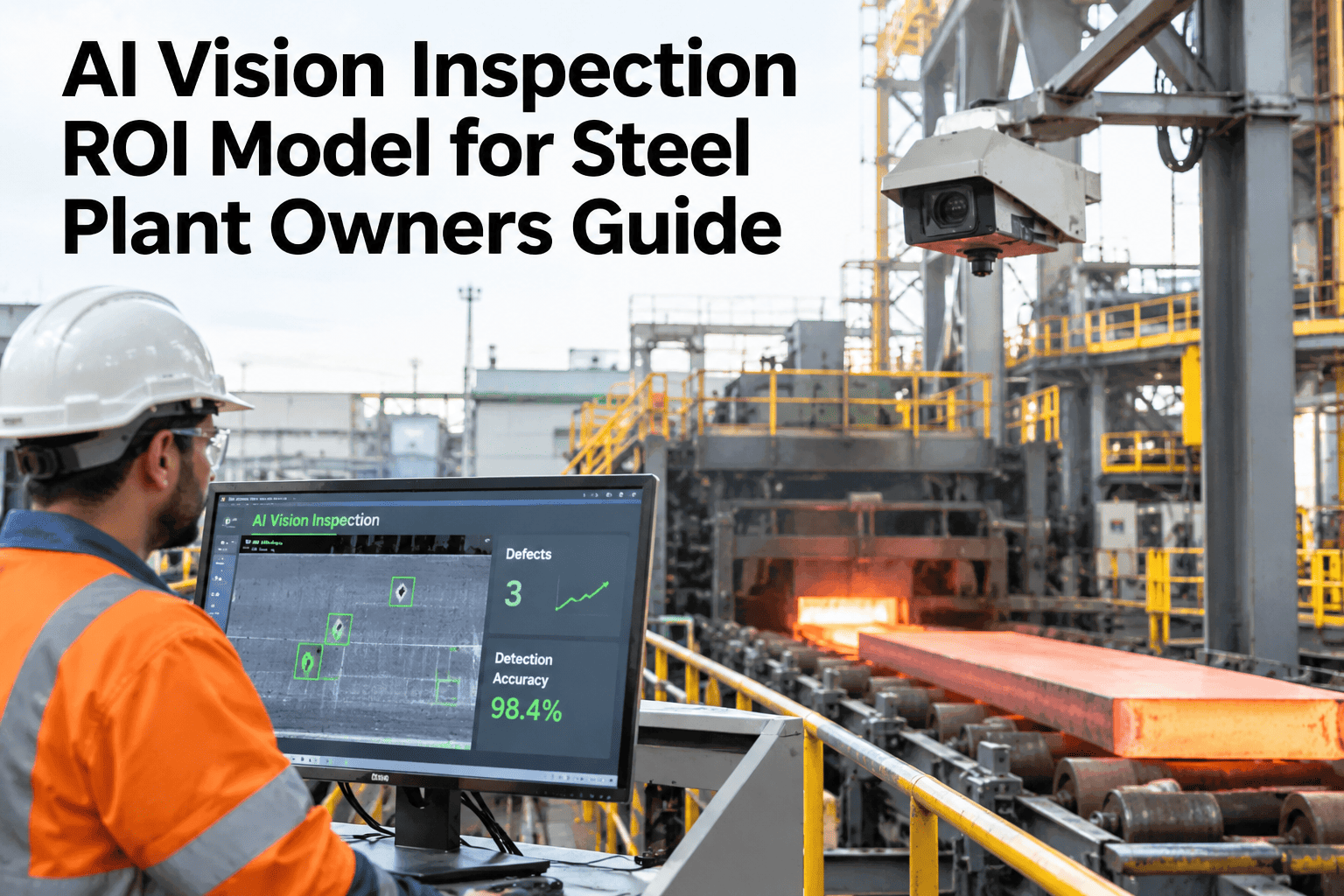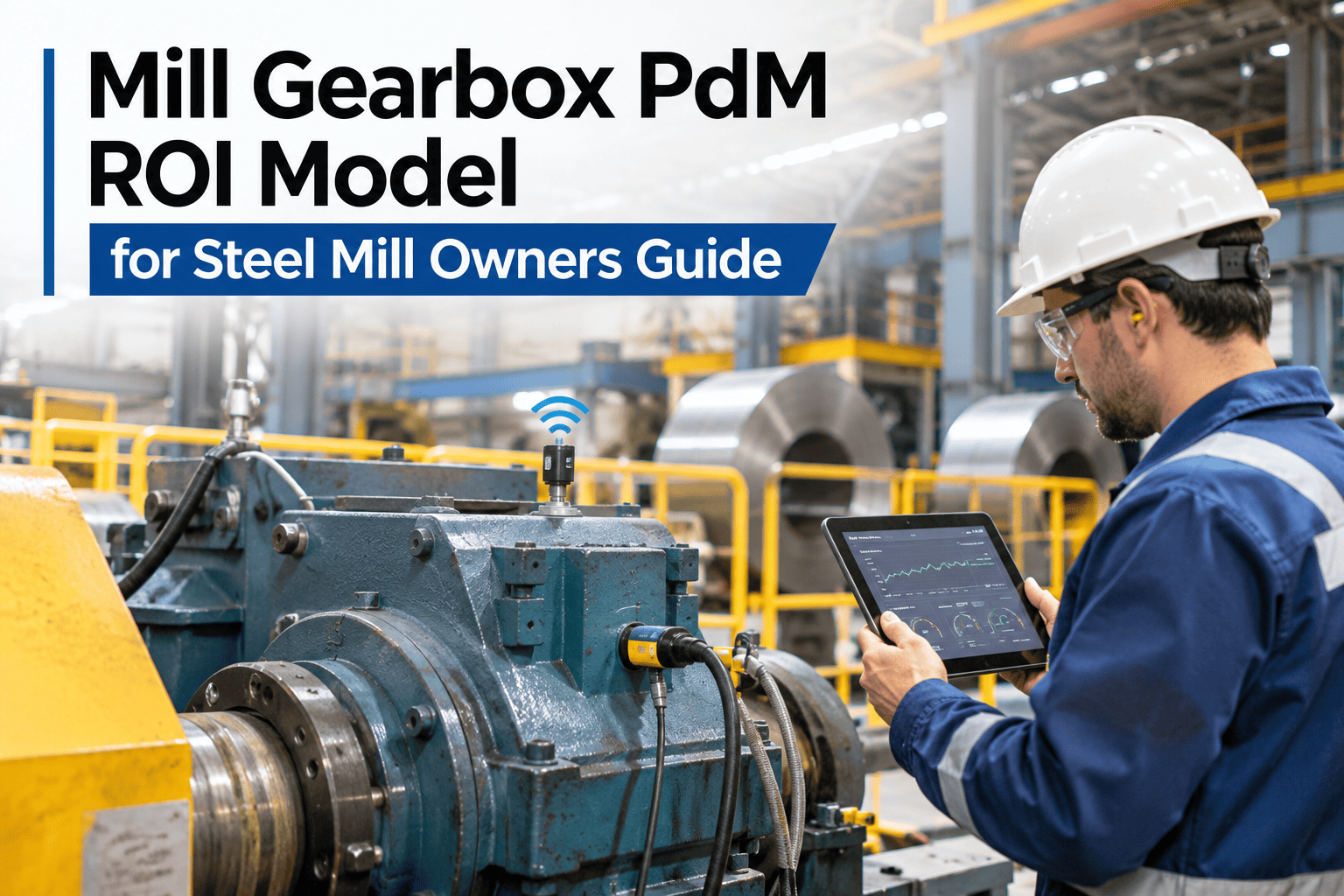
A predictive maintenance program for a rolling mill gearbox is easy to justify in theory and surprisingly hard to defend in a capital meeting without a specific number, because "this will help us avoid failures" competes poorly against a line item with a precise dollar figure attached. Stacking avoided catastrophic failure cost, planned-overhaul savings and measured uptime uplift into one three-year model turns that vague pitch into a case a mill owner can actually evaluate and approve. iFactory AI, an on-premise AI platform for manufacturing, helps build this model from a plant's own gearbox history, and leaders can build their own three-year ROI story around gearbox PdM with our team.
Three Numbers Stacked Into a Three-Year Story
A mill gearbox PdM ROI model stacks avoided catastrophic failure value, planned-overhaul savings and mill uptime uplift into a defensible case for steel mill owners.
Why a Vague Reliability Pitch Struggles in a Capital Review
A mill owner reviewing a capital request for predictive maintenance software wants a defensible figure, not an appeal to general reliability principles. The same project framed around a specific avoided-failure value based on the plant's own past incidents, a measured savings from converting emergency rebuilds to planned overhauls, and a documented uptime gain is a case that competes fairly against every other request on the table.
What Goes Into the Model
A Three-Year View, Not a Single Snapshot
See Your Own Gearbox History Built Into a Model
Share your mill's past gearbox incidents and overhaul costs, and iFactory AI will help build a three-year ROI case around them.
Two Ways to Pitch the Same Investment
The Pitch That Changed Once It Had a Number
Picture a reliability manager who first requested budget for gearbox monitoring with the pitch "this reduces our risk of unplanned downtime," and watched the request sit unapproved for two budget cycles. The third attempt opened with specifics instead: the plant's own records showed one catastrophic gearbox failure in the past four years costing a documented amount in lost production and emergency parts, a planned overhaul quote running substantially below the actual cost of the last three emergency rebuilds combined, and a conservative uptime improvement estimate based on what comparable monitoring programs had delivered at a sister plant.
The project itself was identical to the first two pitches. What finally got it approved was replacing "this reduces risk" with three specific, sourced numbers the finance committee could check against the plant's own records rather than take on faith.
Grounding Every Figure in Real Plant History
The avoided-failure value comes from costing out the plant's own past catastrophic incidents, including lost production, emergency parts and overtime labor, not an industry benchmark. The overhaul savings figure comes from comparing the actual cost of past emergency rebuilds against the quoted cost of a planned overhaul for the same scope of work. The uptime uplift is the hardest to project up front and should be treated conservatively in year one, with the model updated once real monitoring data starts showing a measurable trend.
Mistakes That Weaken a Gearbox ROI Case
What a Plant Finance Partner Would Check First
What Mill Owners Ask About Gearbox PdM ROI
Turn Gearbox Reliability Into a Defensible Business Case
Book a session with iFactory AI to build a three-year ROI model around your own gearbox history and failure data.