Deciding whether to keep a full spare gearbox on the shelf or just the components most likely to fail is a real money question, not just an engineering one, since a complete spare gearbox can represent a seven-figure asset sitting idle for years against a failure that might never happen on that unit. Getting this balance right means weighing holding cost against the actual risk and consequence of a catastrophic failure with no spare ready. iFactory AI, an on-premise AI platform for manufacturing, feeds the failure-risk data this decision depends on, and plant leaders can model their own full-spare versus component-spare economics with our team.
Full Spare or Component Spare: What the Economics Say
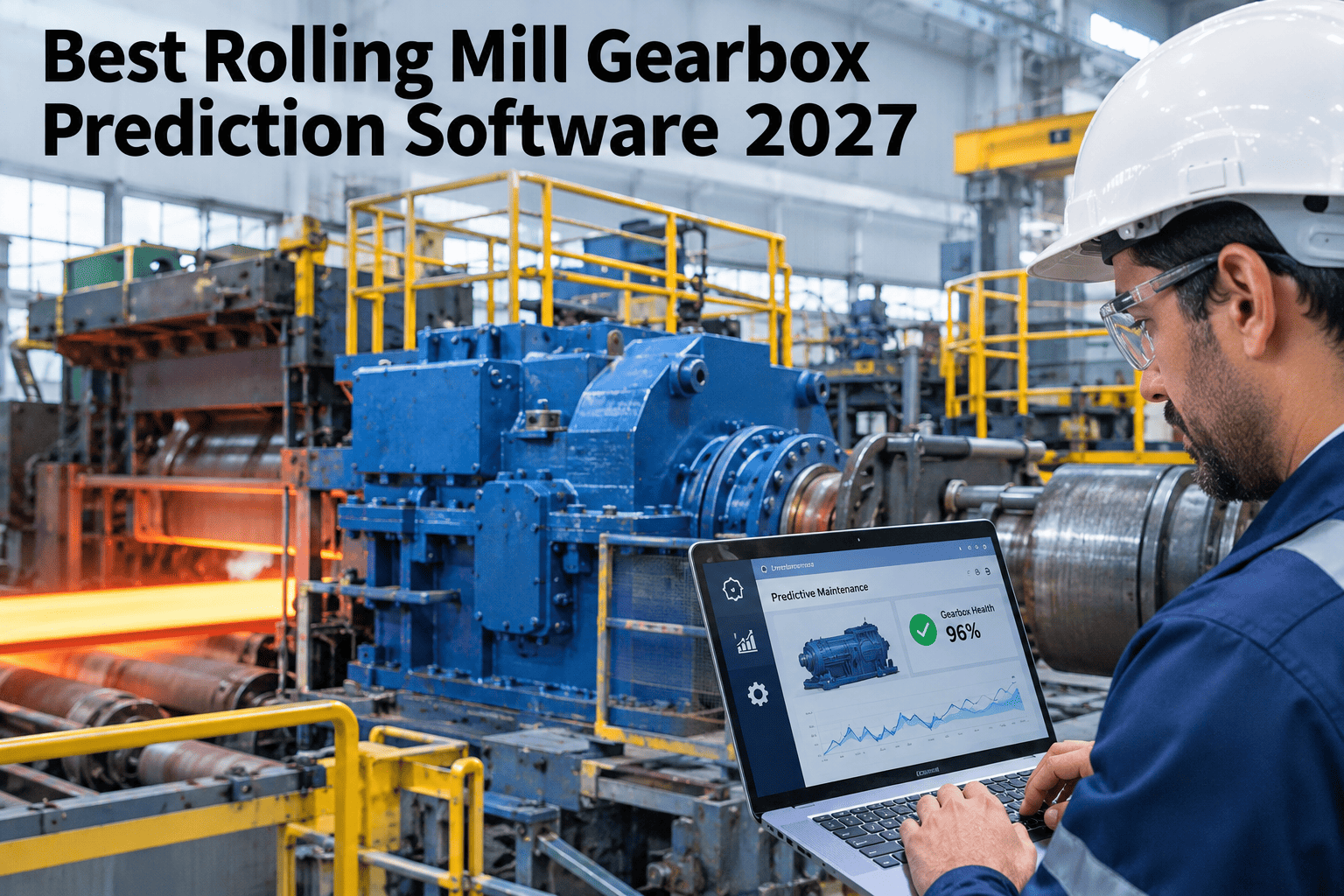
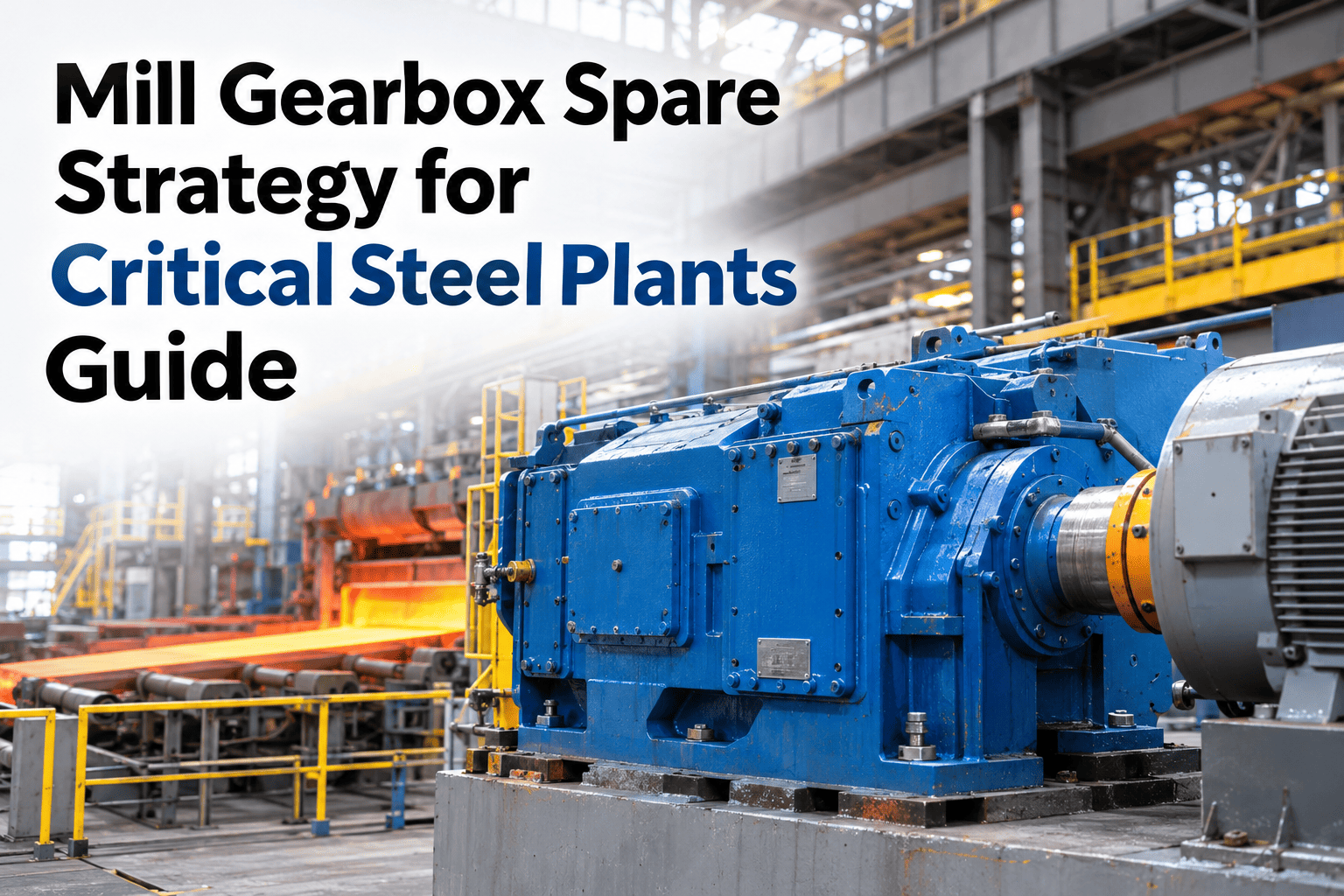
Mill gearbox spare strategy for critical steel plants weighs full-gearbox spare versus component-spare economics against storage requirements and swap-out planning.
Why This Decision Is Really About Risk, Not Just Cost
A full spare gearbox costs real money to buy and store, but it also means a catastrophic failure turns into a planned swap measured in days instead of an emergency rebuild measured in weeks. Component sparing costs less up front but assumes the failure that happens is one the stocked components can actually fix, which isn't always true for a true catastrophic gearbox failure. The right answer depends on how critical that specific mill is to overall output and how confident the plant is in its ability to predict failure far enough ahead to order a component spare in time.
Full Spare Against Component Spare
| Factor | Full-gearbox spare | Component spare |
|---|---|---|
| Upfront cost | High | Moderate to low |
| Storage requirement | Significant dedicated space | Standard parts storage |
| Swap time after failure | Days | Can be weeks if damage is extensive |
| Protects against | Any failure mode, including catastrophic | Known, predictable wear patterns only |
What Should Actually Drive the Choice
See the Economics for Your Own Mill
Share your mill's criticality, lead times and current failure history, and iFactory AI will help model which spare strategy fits best.
The Spare That Sat Unused for Six Years, Then Paid for Itself
Picture a plant that invested in a full spare gearbox for its primary finishing mill, the bottleneck that capped the whole plant's output, and watched that spare sit untouched in storage for six years while colleagues occasionally questioned whether the capital could have been better spent elsewhere. In year seven, a sudden bearing cage failure destroyed the running gearbox in a way no monitoring system could have given more than a few hours' warning for. The swap to the spare took four days. The alternative, sourcing and rebuilding a replacement from scratch, would have cost the plant an estimated six to eight weeks of lost output on its bottleneck mill.
Six years of holding cost on that spare was real money. It was also, in the end, a small fraction of what eight weeks of lost output on the plant's most critical mill would have cost, which is the entire argument for treating this as a risk calculation rather than a pure cost-minimization exercise.
How Better Failure Prediction Shifts the Balance
The whole case for a full spare rests partly on the assumption that failure can happen with little warning, justifying the cost of being ready for anything. Better monitoring and failure prediction narrows that uncertainty, which can shift some mills from needing a full spare toward a well-planned component strategy, since a failure predicted weeks in advance gives enough lead time to order and stage the specific components actually needed rather than stocking an entire spare gearbox against an unpredictable catastrophic event.
What Swap-Out Planning Needs Regardless of Strategy
Whichever sparing strategy a plant chooses, the swap-out itself needs its own plan: a defined crew, the specialized equipment needed to pull and reinstall a gearbox of that size, and a rehearsed sequence that minimizes downtime once the spare, full or component, is actually available. A spare sitting ready with no practiced swap procedure still costs a plant far more downtime than necessary when the moment actually arrives.
Mistakes That Undercut a Spare Strategy
What a Plant Reliability Director Would Check First
What Steel Plant Owners Ask About Spare Strategy
Get the Spare Decision Right for Your Mill
Book a session with iFactory AI to model full-spare versus component-spare economics for your own critical mills.