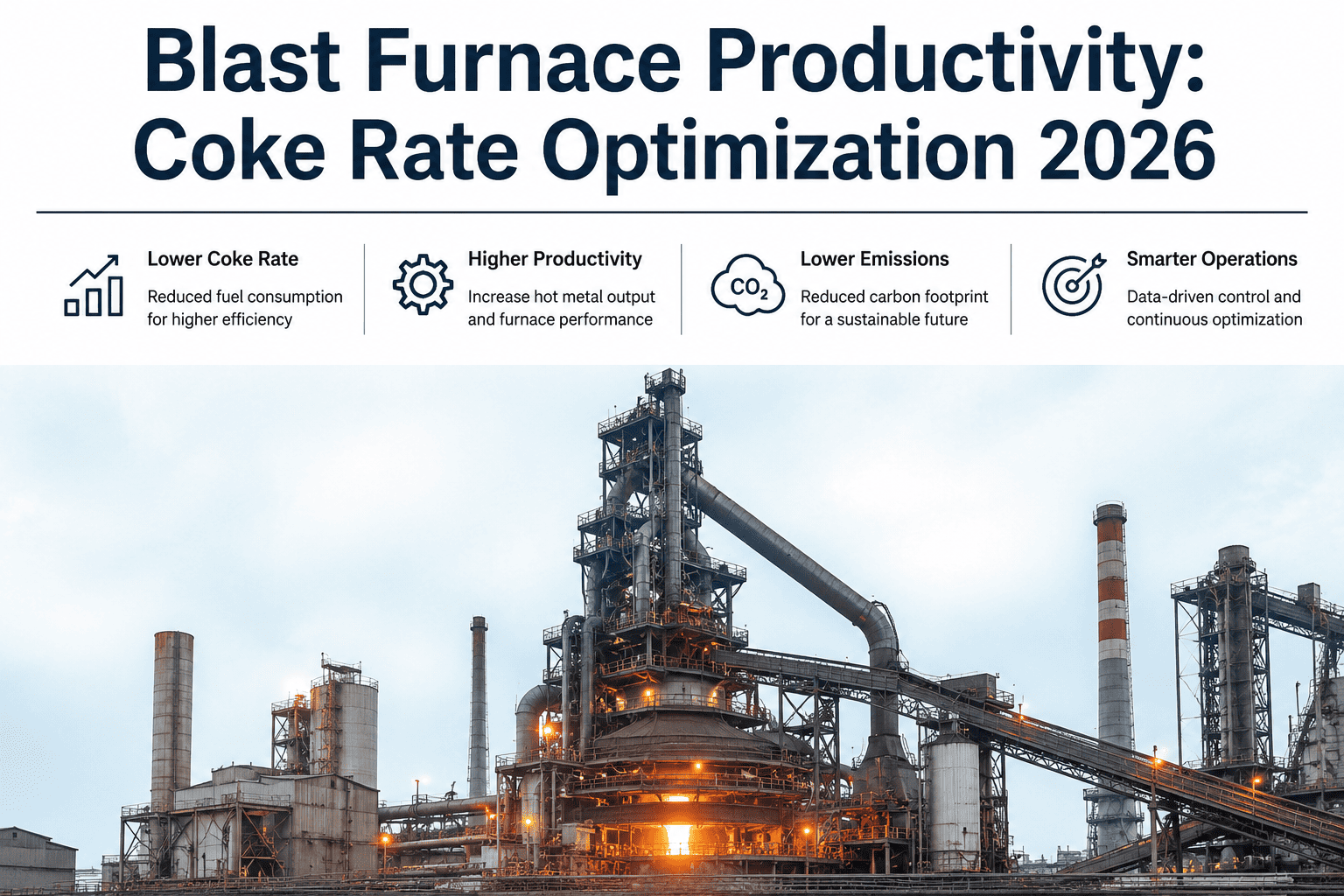
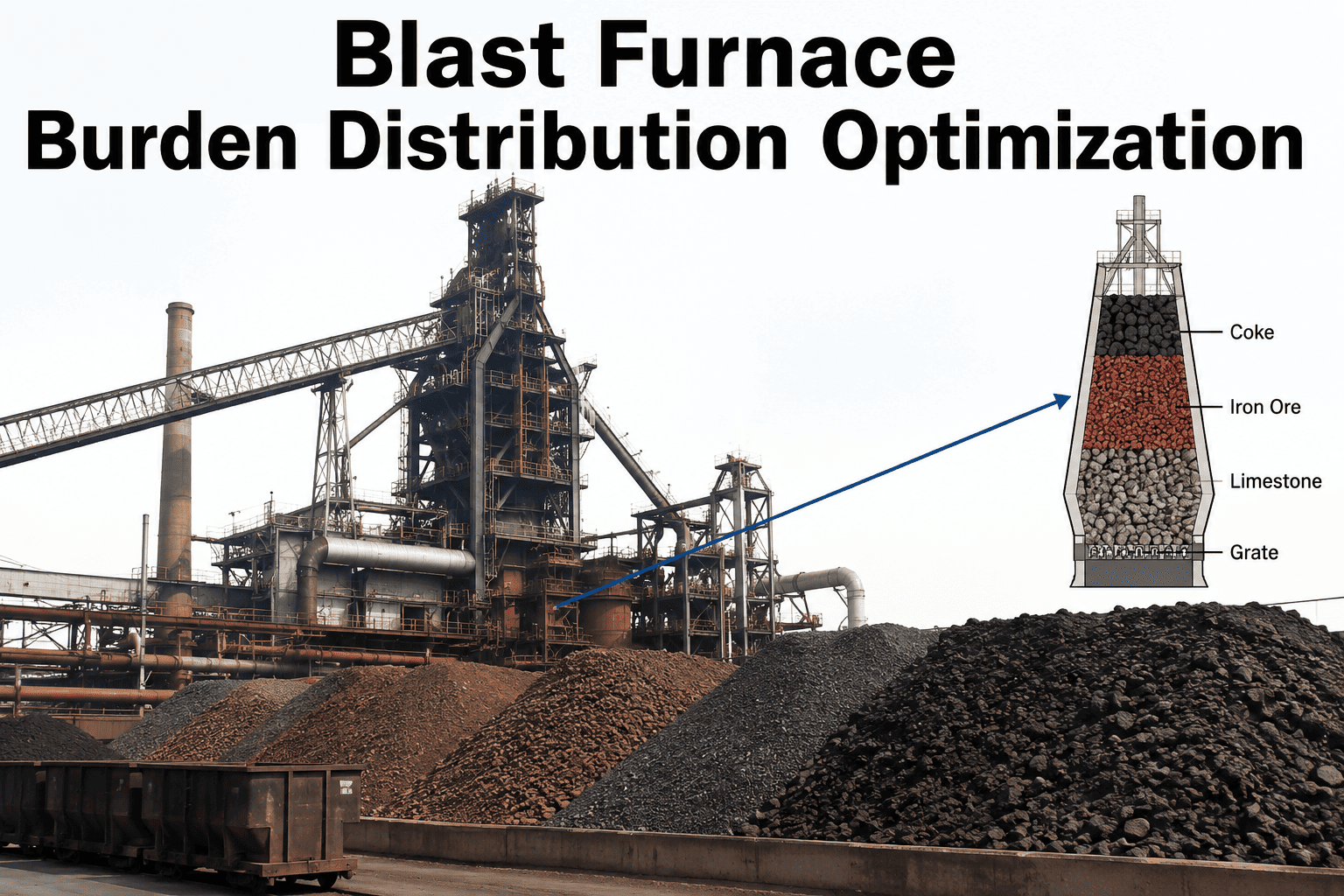
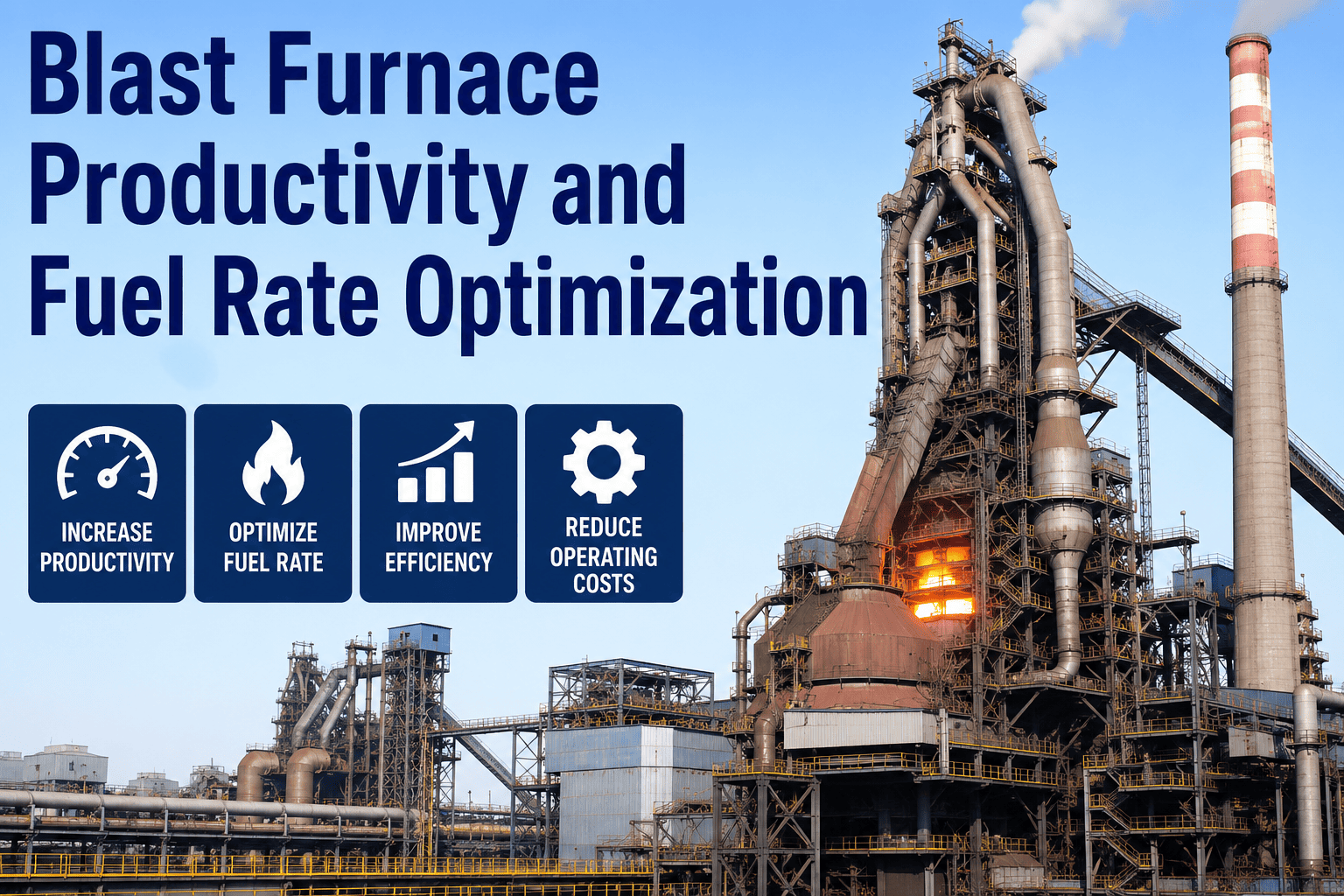
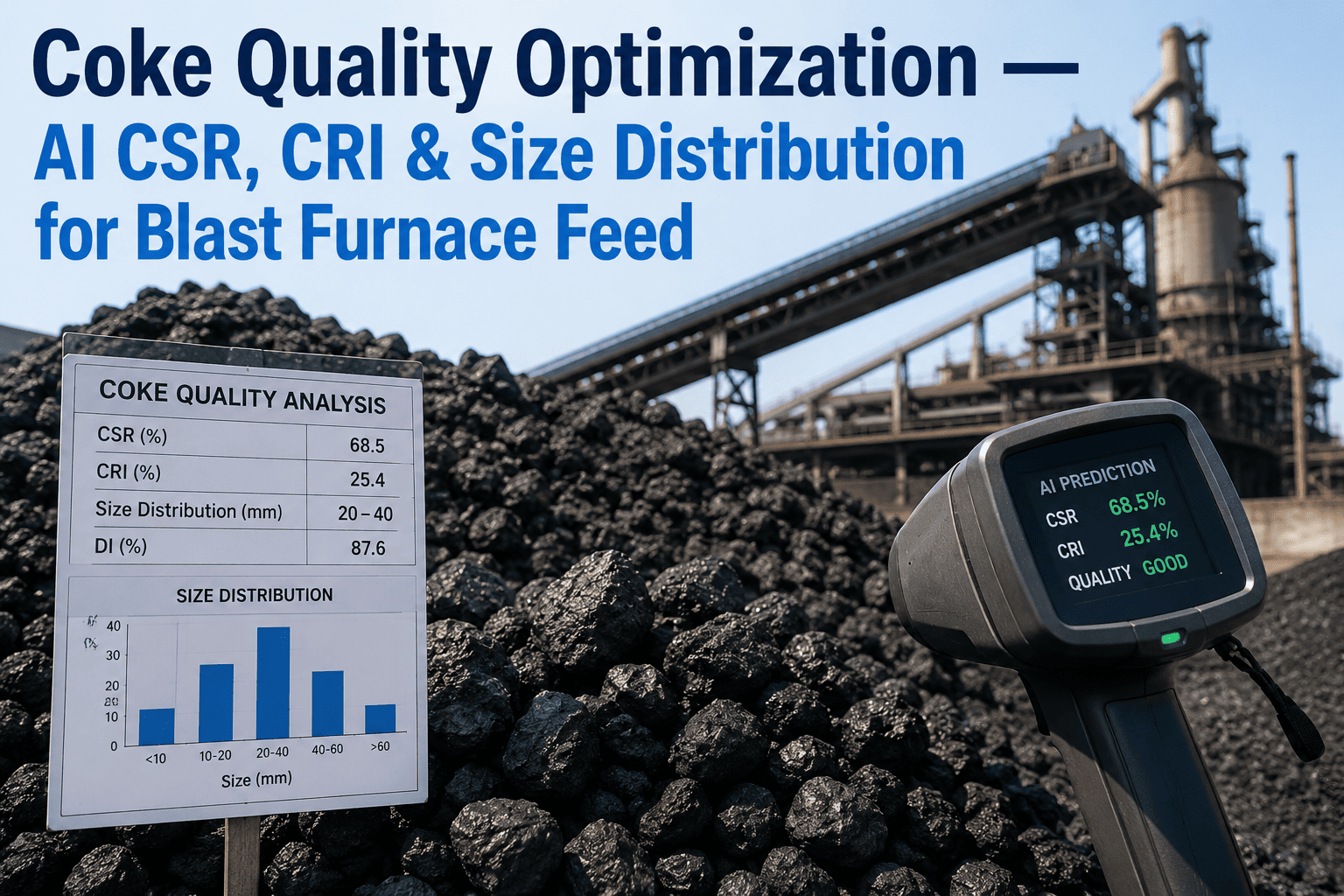
In modern blast furnace operations, pulverized coal injection (PCI) stands as a cornerstone technology for reducing metallurgical coke consumption and lowering CO2 emissions. However, achieving an optimal coke replacement ratio—typically between 0.85 and 0.95 kg coke per kg coal—requires precise control over injection uniformity, raceway combustion dynamics, and burden descent stability. Without AI-driven analytics, operators often face suboptimal PCI rates, leading to either incomplete coal combustion (causing unburnt char carryover) or excessive coke consumption that negates cost benefits. Our AI platform analyzes real-time sensor data from tuyere-level injection lances, raceway temperature profiles, and top gas composition to dynamically adjust PCI setpoints. This ensures consistent hot metal quality, minimized slag foaming, and maximized coke savings. For a tailored assessment of your PCI system's AI readiness, Book a Demo with our process engineering team today.
AI-Driven PCI Optimization for Maximum Coke Replacement
Leverage machine learning to balance injection rates, raceway stability, and burden permeability for sustained furnace performance.
Injection Uniformity Index
Our AI computes a real-time uniformity score across all tuyere lances, flagging deviations >5% that indicate clogging or uneven coal distribution. This ensures consistent raceway temperatures and prevents localized chilling.
Coke Replacement Ratio Predictor
Using historical PCI rates and hot metal silicon content, the model forecasts the optimal coke replacement ratio under current burden conditions, enabling proactive adjustments to coal blend or injection pressure.
Raceway Combustion Efficiency
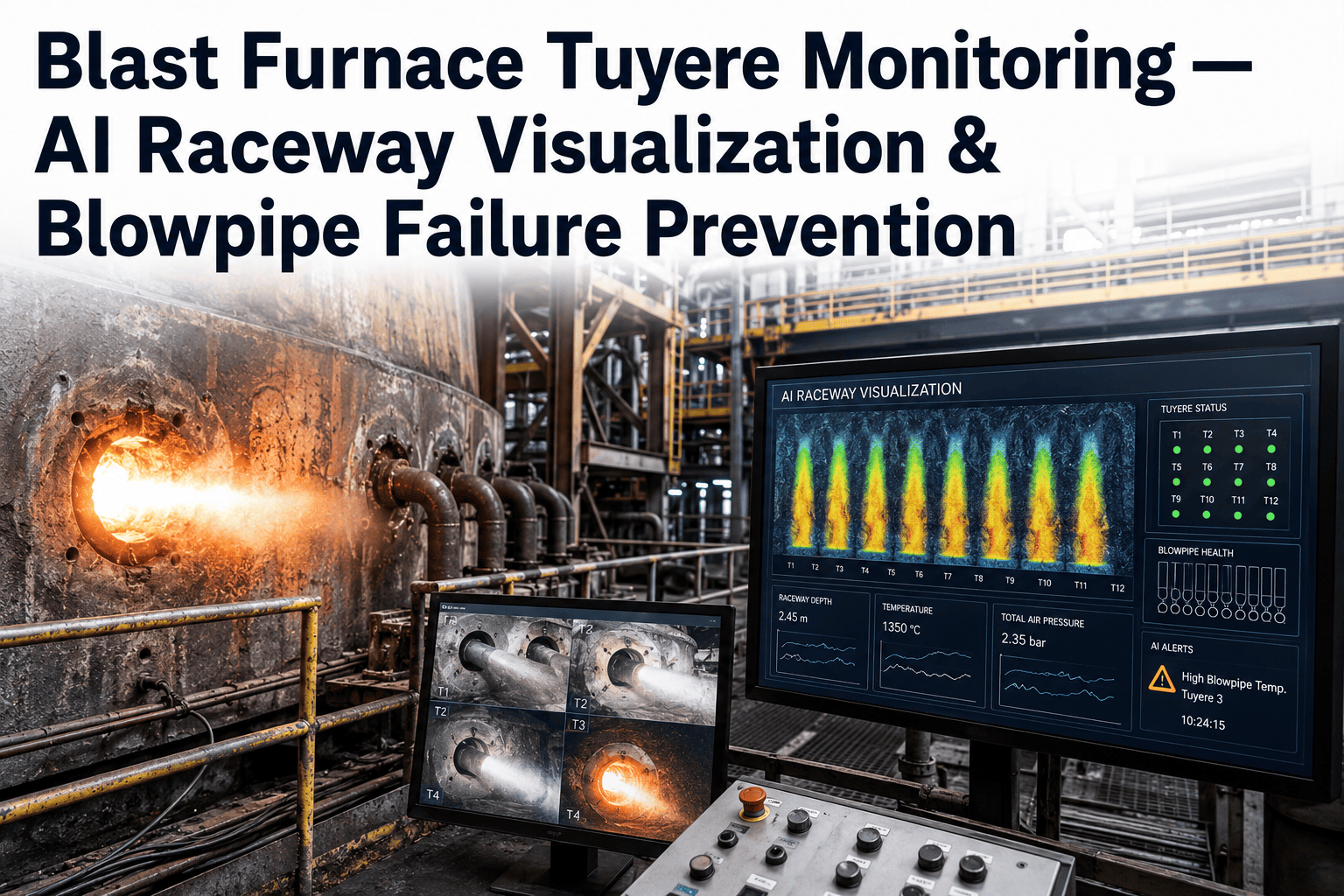
By analyzing raceway temperature profiles and off-gas CO/CO2 ratios, the AI detects incomplete combustion events and recommends corrective actions like adjusting oxygen enrichment or coal particle size.
Burden Descent Stability Monitor
Sensors track burden descent rate and pressure drop across the stack. The AI correlates PCI rate changes with descent anomalies, preventing slips or hanging that degrade productivity.
Ready to Maximize Your PCI ROI?
Our AI-driven optimization has delivered measurable results in over 50 blast furnaces worldwide. Schedule a consultation to see how your operation can benefit.
Technical Deep Dive: AI Models for PCI Optimization
Our AI framework integrates three core models: a Gradient Boosting Regressor for predicting coke replacement ratio, a Long Short-Term Memory (LSTM) network for forecasting raceway temperature trends, and a Reinforcement Learning agent for real-time PCI rate adjustment. The regressor uses features like coal volatile matter, ash content, blast temperature, and oxygen enrichment level to estimate the replacement ratio with a mean absolute error below 0.02. The LSTM model processes 30-minute windows of temperature data from 20 tuyeres, identifying early signs of combustion instability up to 15 minutes before conventional alarms. The RL agent is trained on historical data to maximize a reward function that balances coke savings against burden descent stability, using a penalty for hot metal quality deviations. All models are retrained weekly on new operational data to adapt to changing coal sources and furnace conditions.
Implementation requires integration with existing PLCs and DCS systems via OPC-UA or MQTT protocols. Our edge computing nodes perform inference at sub-second latency, ensuring that control recommendations are actionable within the blast furnace's natural response time of 2-5 minutes. The system also provides a dashboard for process engineers to visualize injection uniformity as a heatmap, raceway temperature contours, and predicted vs. actual coke replacement ratios. Alerts are generated for any parameter exceeding 3-sigma thresholds, with recommended corrective actions ranked by expected impact on overall furnace stability.
Step-by-Step AI Integration for PCI Systems
Data Audit & Sensor Mapping
We inventory all existing sensors (tuyere pressure, temperature, flow meters) and identify gaps. Typically, we recommend adding 2-3 additional thermocouples per tuyere for better raceway resolution.
Model Calibration with Historical Data
Using 6-12 months of historical PCI data, we train initial models. We perform feature engineering to capture interactions between injection rate, coal quality, and blast parameters.
Edge Deployment & Real-Time Inference
Our edge devices are installed in the control room, connected to the DCS. They run inference every 10 seconds and send recommendations to the operator console.
Continuous Learning & Adaptation
Weekly retraining incorporates new data, and the RL agent's policy is updated monthly. Performance dashboards track key KPIs like replacement ratio, combustion efficiency, and hot metal quality.
PCI Optimization: Traditional vs. AI-Driven Approach
| Parameter | Traditional | AI-Driven |
|---|---|---|
| Injection Rate Adjustment | Manual, based on hourly silicon checks | Dynamic, sub-minute adjustments using ML |
| Coke Replacement Ratio | 0.80-0.85 | 0.90-0.95 |
| Raceway Temp Variability | +/- 50°C | +/- 15°C |
| Hot Metal Si Std Dev | 0.12% | 0.04% |
| Unburnt Char Carryover | 3-5% | <1% |
Frequently Asked Questions
How does AI improve injection uniformity across multiple tuyeres?
Injection uniformity is critical because uneven coal distribution leads to localized cooling, incomplete combustion, and increased coke consumption. Our AI model analyzes pressure and temperature data from each tuyere lance every 10 seconds. It calculates a uniformity index based on the coefficient of variation (CV) of coal flow rates. When the CV exceeds 5%, the system flags the specific tuyere and recommends cleaning or adjustment. Additionally, the AI correlates uniformity with downstream parameters like raceway temperature and burden descent rate, enabling predictive maintenance of injection lances. This approach has been shown to reduce tuyere-level variability by 40% within the first month of deployment. For a deeper dive into your specific configuration, Book a Demo.
What data is required to train the coke replacement ratio model?
The model requires at least six months of operational data including: hourly PCI rate (t/h), coal proximate and ultimate analysis (volatile matter, ash, fixed carbon, sulfur), blast temperature, oxygen enrichment level, hot metal silicon and sulfur content, slag basicity, and top gas composition (CO, CO2, H2). Additional features like burden distribution parameters and hearth liquid levels can improve accuracy. Our data ingestion pipeline automatically cleans and aligns these heterogeneous data streams, handling missing values through temporal interpolation. The model is trained using a gradient boosting algorithm with 20-fold cross-validation, achieving an R-squared value of 0.92 on held-out test data. For assistance with data preparation, Contact Support.
Can the AI system handle changes in coal source or quality?
Yes, the system is designed to adapt to changing coal sources through its continuous learning framework. When a new coal batch arrives, the model automatically incorporates its proximate analysis into the feature set. The reinforcement learning agent adjusts its policy to account for differences in combustion characteristics, such as higher volatile matter leading to faster devolatilization. In our field trials, the system maintained a coke replacement ratio above 0.9 even when coal volatile matter varied between 25% and 35%. The model also provides alerts when coal quality deviates beyond historical ranges, prompting operators to adjust injection pressure or oxygen enrichment. For a pilot program to test adaptability with your coal blends, Book a Demo.
What is the expected ROI from implementing AI-driven PCI optimization?
Typical ROI is realized within 6-9 months through a combination of reduced coke consumption, improved hot metal quality, and lower maintenance costs. On average, our clients achieve a 10-15% reduction in coke rate (kg coke per ton hot metal) while increasing PCI rate by 5-10%. For a 2 million ton per year blast furnace, this translates to annual savings of $3-5 million in coke costs alone. Additional savings come from reduced refractory wear due to more stable raceway temperatures and fewer burden slips. The system also reduces variability in hot metal silicon, lowering downstream steelmaking costs. We provide a detailed ROI calculator during the demo. To get a customized estimate, Book a Demo.
How does the system integrate with existing blast furnace control systems?
Integration is achieved through standard industrial communication protocols such as OPC-UA, Modbus TCP, and MQTT. Our edge computing appliance connects to the plant's DCS or PLC network via a dedicated VLAN, ensuring no interference with critical control loops. The system reads sensor data and writes recommended PCI setpoints to a secure data table that operators can review before applying. We also provide a REST API for integration with higher-level MES or ERP systems. The entire integration process typically takes 2-3 weeks, including network configuration, data validation, and operator training. Our team provides 24/7 support during the first month of operation. For technical integration details, Contact Support.
Transform Your PCI Operations with AI
Join industry leaders who have already optimized their coke replacement ratio and furnace stability. Our experts are ready to discuss your specific challenges.