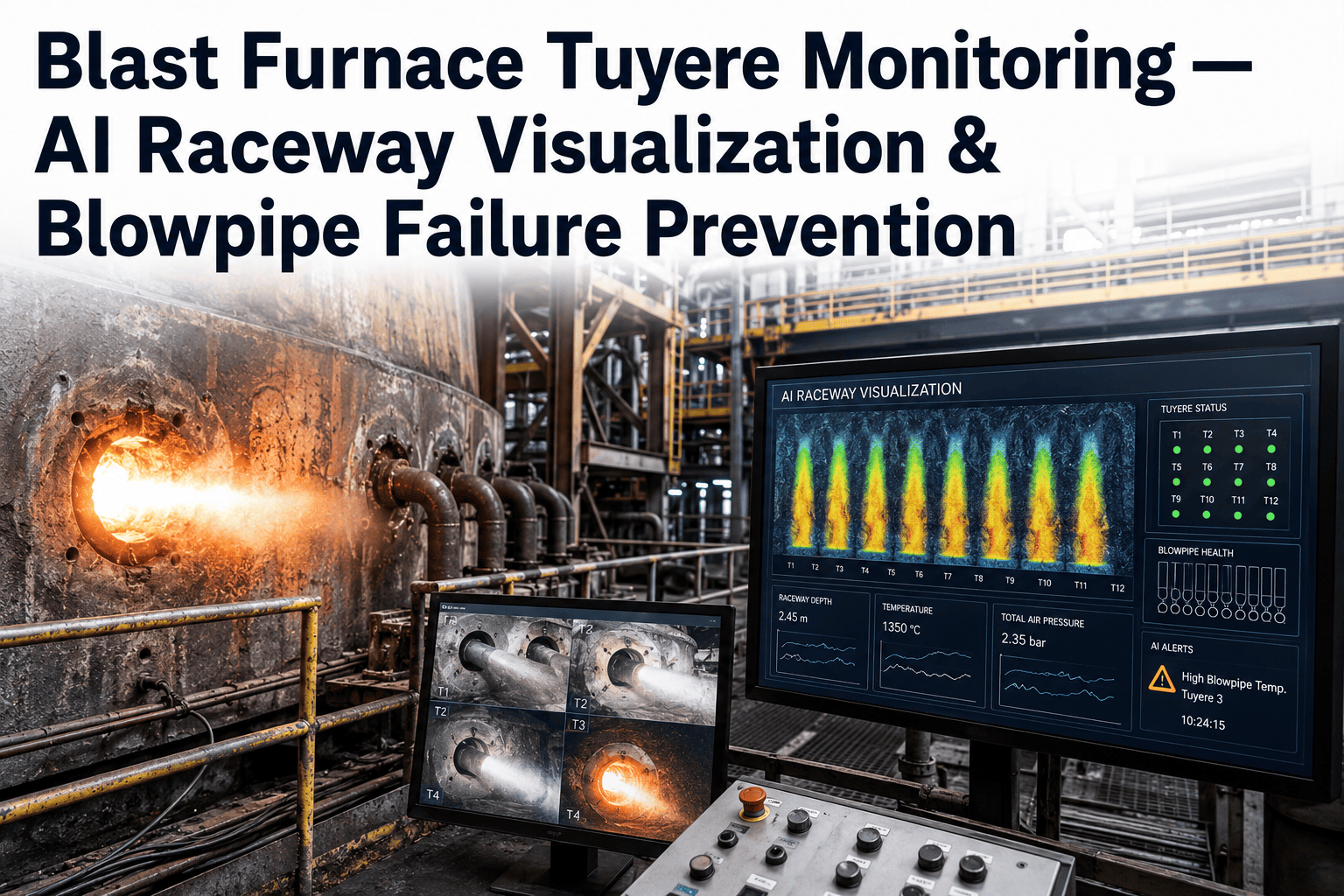
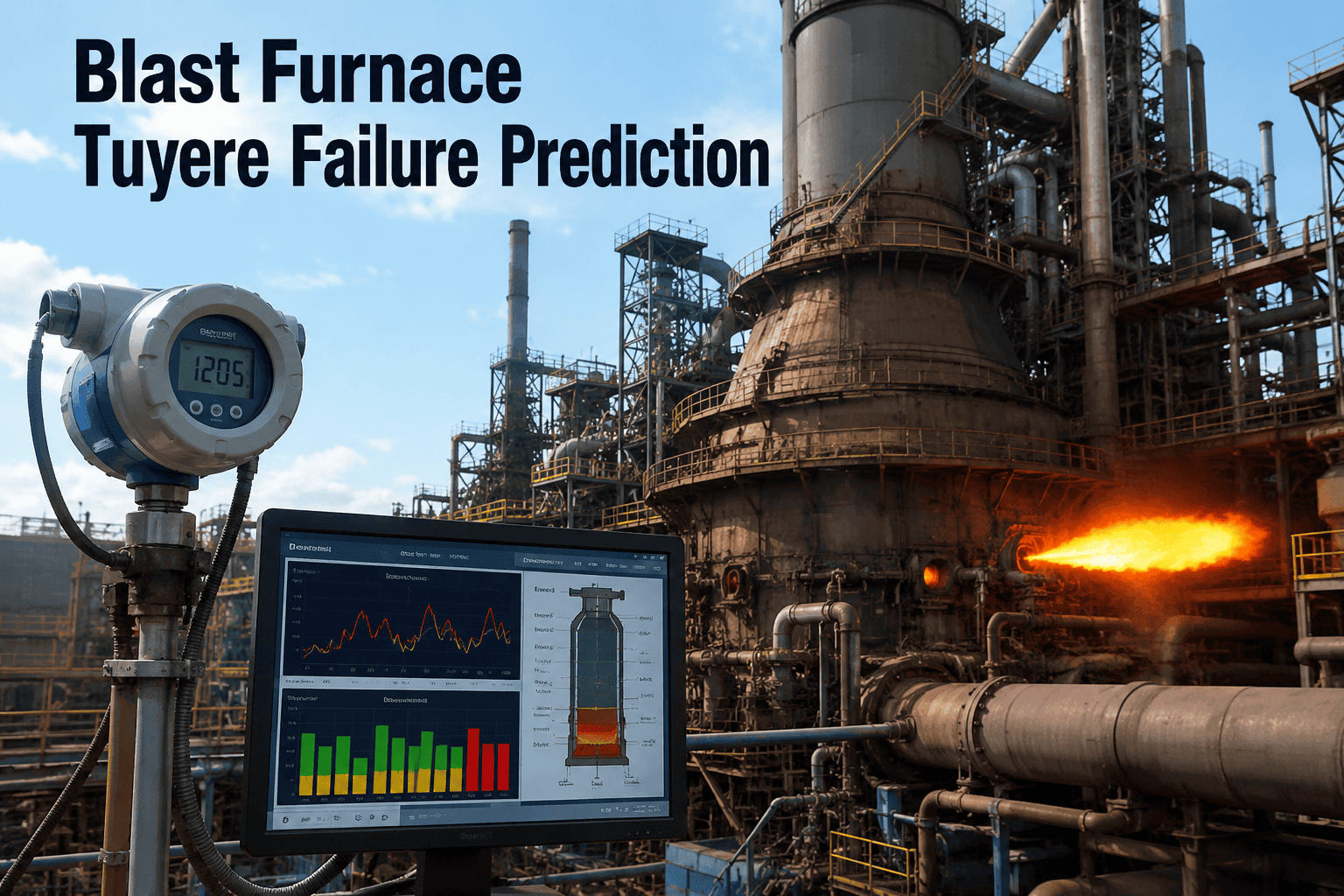
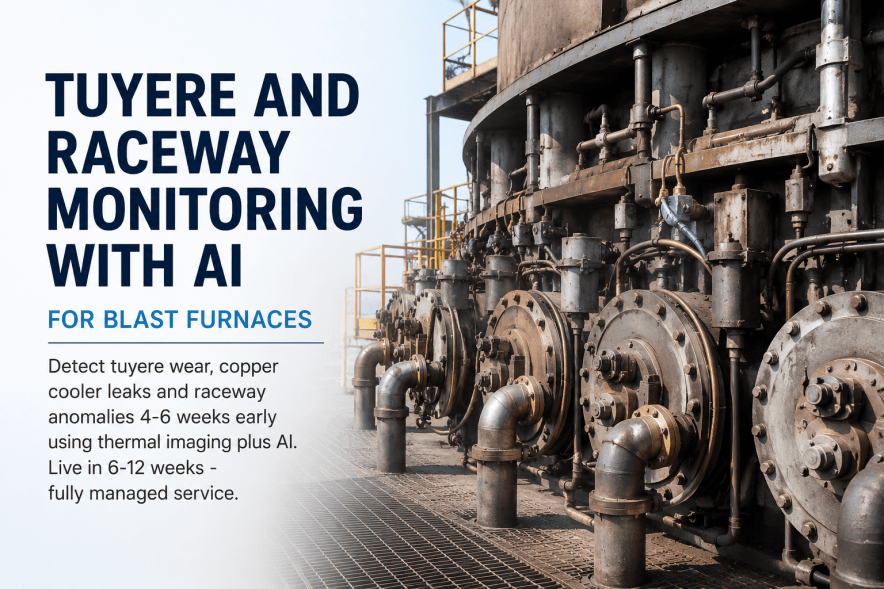
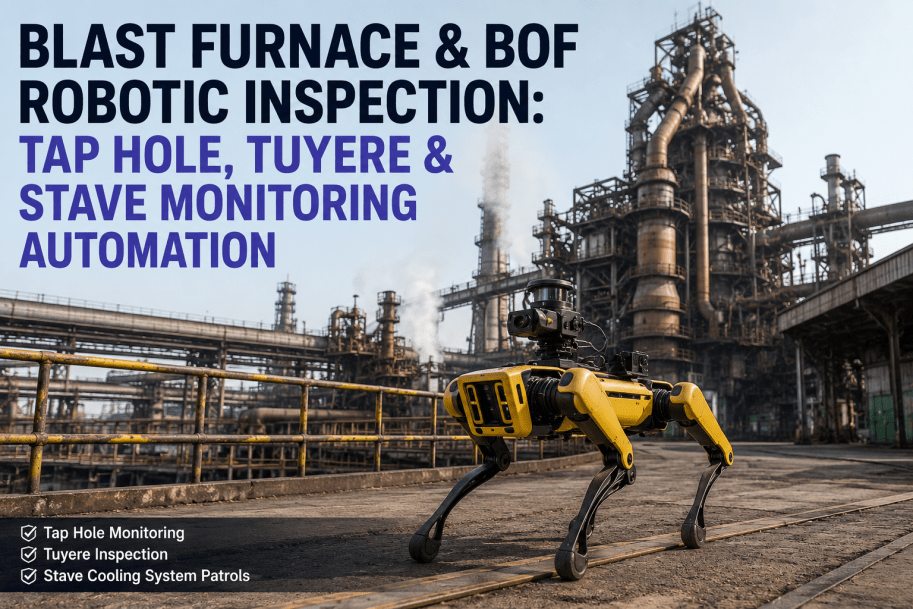
Reliability engineers running blast furnace campaigns know that tuyere burnout rarely gives more than a few minutes of warning through conventional monitoring, yet the financial and safety stakes of that failure are enormous. Roughly 62 percent of tuyere replacements across steel plants still happen as unplanned emergency changes, each one triggering a shutdown that can run $800,000 to $1.2 million in lost production before the furnace is back on blast. Water leaking into the raceway during a burnout chills the hearth, wastes coke energy, and introduces a real explosion risk that no reliability program can afford to treat as routine. AI-powered raceway visualization and per-unit blowpipe temperature tracking now give reliability teams 7 to 14 days of advance warning on failing tuyeres instead of a sudden alarm. Teams ready to map this against their own 20 to 40 tuyere fleet can book a demo and see live raceway condition scoring.
TUYERE RELIABILITY · RACEWAY MONITORING · 2026
Know Which Tuyere Fails Next, Weeks Before It Does
Per-unit cooling water trending and raceway thermal imaging catch scale buildup and copper thinning long before burnout forces an emergency blowdown.
62%
of blast furnace tuyere replacements across the industry are still unplanned emergency changes — each one a preventable reliability gap, not an unavoidable failure.
Warning Signs a Manual Inspection Cycle Misses
Tuyere failure follows a predictable degradation curve, but the signals live in per-unit data streams that shift-based visual checks cannot capture consistently. This is exactly where individual asset tracking closes the gap.
Cooling
Outlet Temperature Drift
A slow rise in per-tuyere outlet temperature signals scale buildup or reduced flow days before any visible symptom appears on the furnace floor.
Thermal
Raceway Imaging Anomaly
Thermal imaging of the peep-sight detects coke quality degradation and hanging burden conditions that stress individual tuyeres unevenly.
Flow
Circumferential Imbalance
Blast distribution imbalance across the tuyere ring correlates with wall heat load patterns that predict which units are under the most stress.
Pressure
Blowpipe Vibration Pulsation
Abnormal vibration and pressure pulsation at the blowpipe flags loose connections or refractory erosion before a leak develops.
Planned Replacement vs Emergency Burnout: The Cost Gap
Condition-Based Replacement
Scheduled during planned hold
Service life extended 3-4x with condition-based programs
Emergency Burnout Replacement
$800K-$1.2M per 6-hour shutdown
Plus water chilling damage and explosion risk exposure
RELIABILITY ENGINEERING · BLAST FURNACE
Stop Discovering Failures From the Furnace Floor
See how per-unit tuyere tracking and raceway visualization would have flagged your last three burnouts weeks in advance.
The Tuyere Reliability Timeline
1
Baseline Registry
Every tuyere logged as an individual asset with installation date, cooling circuit ID, and service hours.
2
Continuous Monitoring
Outlet temperature, flow rate, and raceway thermal imaging stream in per unit, around the clock.
3
Early Warning Window
Failing units are flagged 7 to 14 days ahead, giving time to stage a spare and plan the swap.
4
Planned Swap Window
Replacement happens during a scheduled production hold instead of an unplanned blowdown.
Matching Detection Method to Failure Mode
Not every tuyere failure looks the same, and the right monitoring signal depends on which mode is actually developing. Reliability programs that track all four modes catch far more failures before they reach the raceway.
Rolling Out a Condition-Based Program in Four Steps
Step 1
Instrument Audit
Confirm which tuyeres already have flow meters and identify gaps before any new sensor spend is committed.
Step 2
Baseline Registry
Log installation date, cooling circuit, and service hours for every tuyere as an individual tracked asset.
Step 3
Alert Validation
Cross-check early model alerts against manual inspections to build operator trust before reducing inspection frequency.
Step 4
Spares Alignment
Tie predicted replacement timing to copper tuyere procurement, closing the 8 to 12 week lead-time gap that forces emergency buys.
Frequently Asked Questions
How much advance warning does per-unit monitoring actually give us?
Per-unit outlet temperature trending combined with raceway thermal imaging typically identifies a failing tuyere 7 to 14 days before burnout, giving reliability teams enough lead time to stage a spare, schedule a planned production hold, and avoid an emergency shutdown entirely. The exact window depends on failure mode, since scale-driven degradation trends more gradually than a sudden mechanical impact event. Plants running condition-based replacement programs report 3 to 4 times longer average tuyere service life as a direct result of this lead time.
Do we need to replace our existing water flow meters and sensors?
In most cases the existing per-tuyere water flow meters already installed on the cooling circuit provide enough data to start, since the platform layers analytics on top of that stream rather than requiring new hardware. Thermal imaging for raceway condition scoring can be added incrementally during a scheduled inspection window without any furnace downtime. Teams unsure what their current instrumentation supports can check compatibility through
support before committing to a rollout plan.
What is the actual cost difference between planned and emergency tuyere replacement?
A condition-based planned replacement is executed during a scheduled production hold at a fraction of the cost of an emergency change, while an unplanned burnout typically forces a 6-hour shutdown costing $800,000 to $1.2 million in lost production alone. That figure does not include the added coke energy wasted from hearth chilling when cooling water enters the furnace during a burnout, or the safety exposure from a high-temperature water-metal interaction. Reliability teams can
book a demo to model the annualized savings against their own burnout history.
How does this handle spare parts planning across a 20 to 40 tuyere fleet?
Every tuyere is tracked as an individual asset record with installation date, cooling performance history, and predicted replacement timing, which feeds directly into spare copper tuyere inventory planning. This closes the common gap where a planned replacement is delayed because the correct spare was not staged in time, especially given that copper tuyere procurement lead times can run 8 to 12 weeks. Fleet-level visibility also helps prioritize which units to inspect first during the next scheduled hold.
Can this system distinguish between a real leak and a sensor anomaly?
Yes, the model correlates multiple independent signals including outlet temperature, flow rate, and raceway thermal imaging rather than relying on any single sensor reading, which significantly reduces false alarms. A genuine water leak typically shows a consistent pattern across two or more of these signals simultaneously, while an isolated sensor fault tends to show an inconsistent single-signal spike. This multi-signal approach is what allows reliability engineers to trust an alert enough to act on it without a manual re-inspection every time.
BLAST FURNACE · TUYERE LIFECYCLE
Turn Every Tuyere Into a Tracked Asset
Join reliability teams already cutting unplanned tuyere replacements by more than 60 percent with condition-based lifecycle tracking.