A mill test certificate pulls together chemical composition, mechanical properties, dimensional data, and heat identity into a single document a customer relies on to verify what they're actually receiving. Assembling that document manually means someone pulling numbers from a lab report, a rolling mill dimensional check, and a heat tracking log, then transcribing all of it into a certificate template without a single typo — and doing that correctly, every time, for every heat, is a rare standard to hold for very long. A transcription error on a certificate isn't just an embarrassing correction; it's a document a customer may use for their own compliance or engineering decisions. AI-based certificate generation pulls directly from the source test data instead of a manual re-entry step, producing a certificate that's both faster and inherently more accurate. See what automated certificate generation looks like against your actual test data.
Every Manual Transcription Step Is a Chance for a Certificate Error
A mill test certificate is only as accurate as its slowest, most manual step. AI-based generation pulls directly from source test data instead of relying on manual re-entry.
the typical number of separate data sources a single mill test certificate has to pull together accurately
typical time to manually assemble and check a single certificate before it can be released to a customer
time to generate the same certificate automatically once source test data is connected directly
What Feeds Into a Single Certificate
Every certificate is really an assembly of test data from several separate systems, each with its own format and its own source of manual error.
Chemical Composition
Ladle and product analysis results from the lab information system, verified against the heat's specification limits.
Mechanical Properties
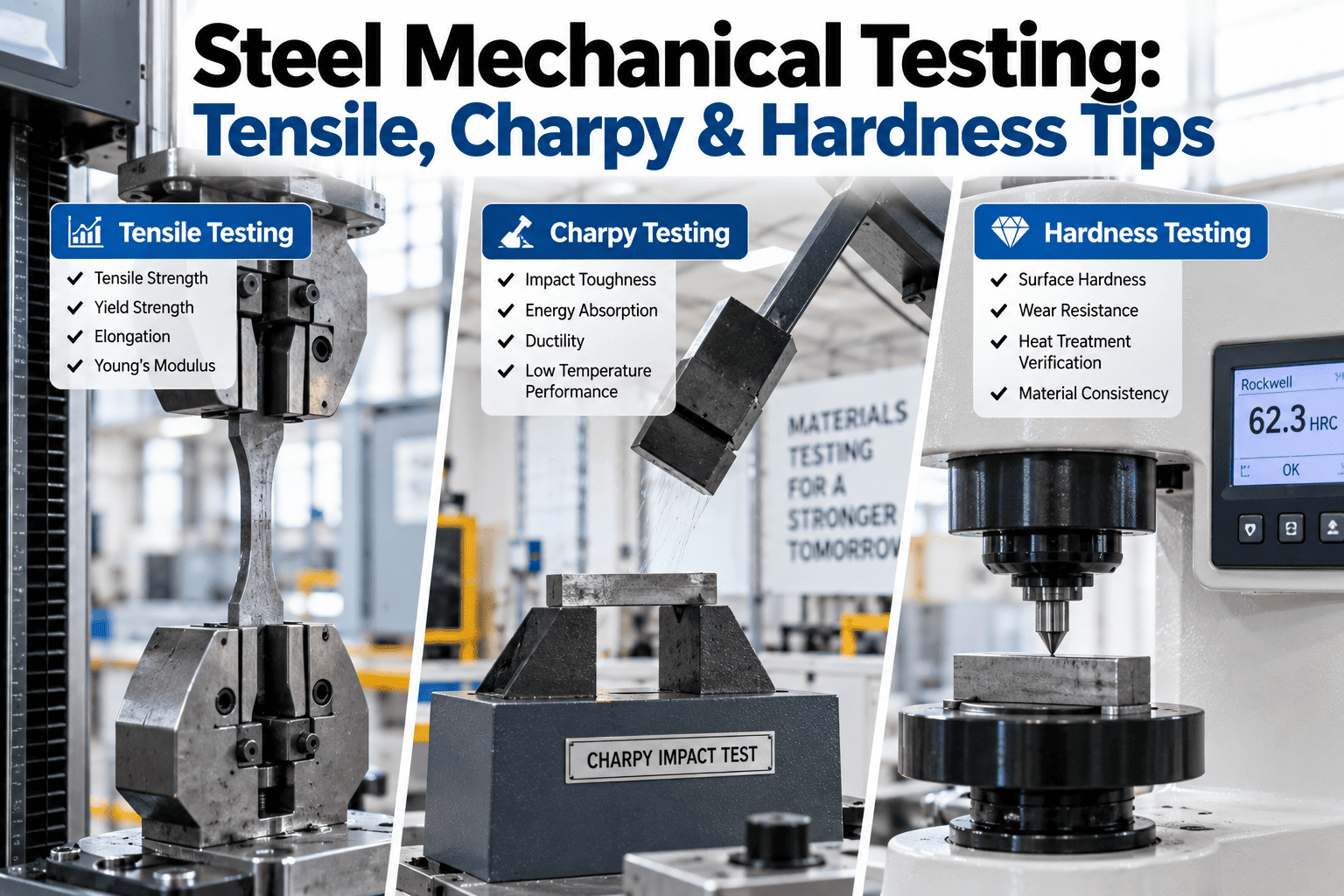
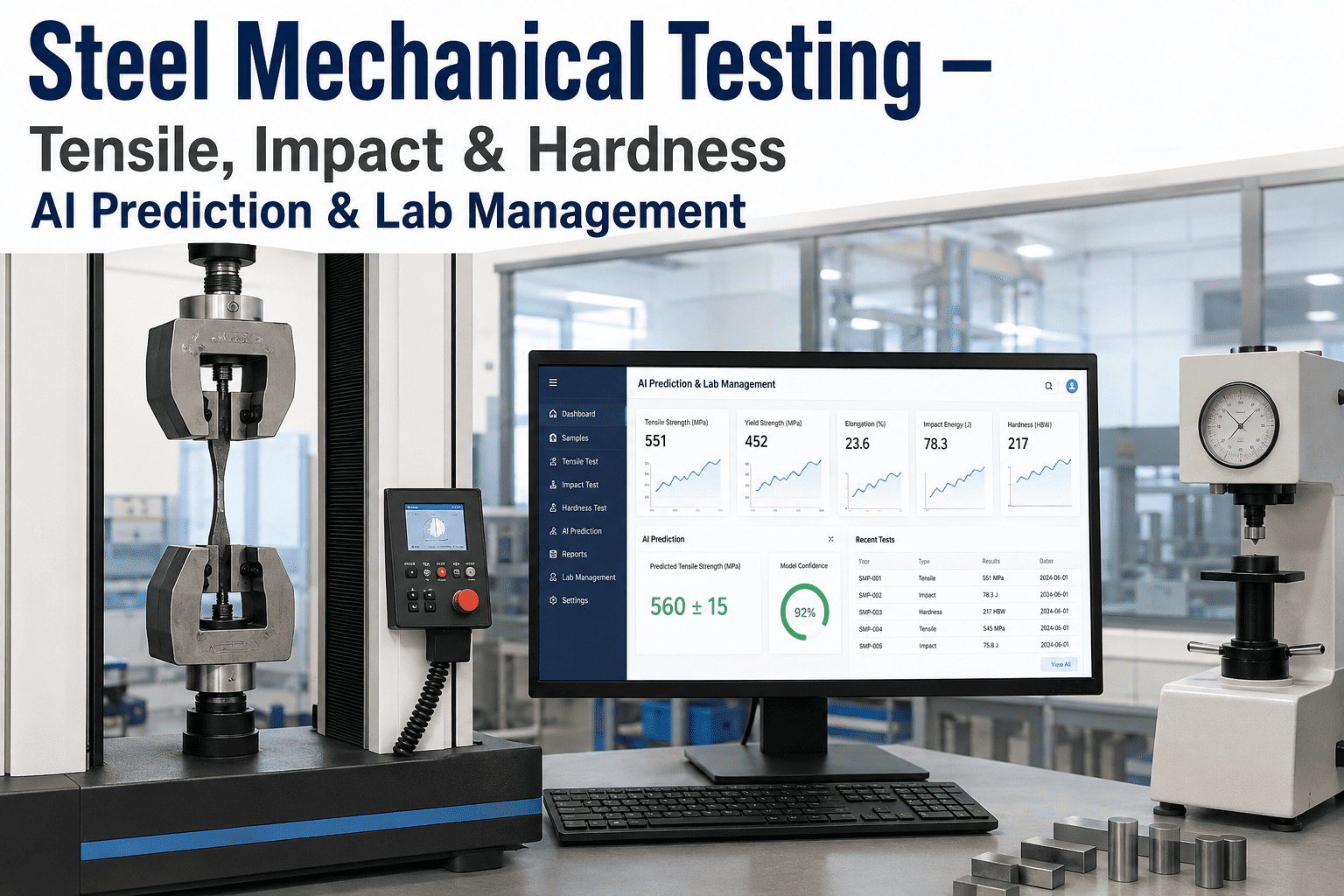
Tensile, yield, and elongation test results from mechanical testing equipment, matched to the correct sample and heat.
Dimensional Data
Rolling mill dimensional measurements confirming the product meets its specified size and tolerance requirements.
Heat & Batch Identity
Heat number, production date, and specification standard, tying the entire certificate back to a single traceable production event.
Auto-Generated Mill Test Certificate
All four data sources are pulled directly and assembled into a certificate ready for digital verification and customer delivery, with no manual re-entry step in between.
See What Your Certificate Process Looks Like Automated
iFactory reviews your current certificate generation workflow to show exactly where manual data entry is slowing releases and introducing risk.
Manual vs. Automated Certificate Generation
The difference between manual and automated generation shows up most clearly in speed and error rate, both of which directly affect how quickly product can ship.
What It Takes to Automate Certificate Generation
Connecting existing test data sources into a single certificate workflow is largely an integration project rather than a system replacement.
Connect the source systems
Lab information systems, mechanical testing equipment, and dimensional inspection data are connected directly, eliminating the manual export-and-retype step between each source and the final certificate.
Map data to certificate templates
Specification-specific certificate templates are configured to pull the correct fields automatically based on the product standard and customer requirements for that particular order.
Add digital verification
Generated certificates include a digital verification method, letting a customer confirm authenticity directly rather than relying on a signature or stamp alone.
What Changes When Certificates Generate Automatically
Figures reflect typical outcomes within the first two quarters after automating certificate generation across a steel producer's quality documentation workflow.
A Quality Manager's View on Certificate Automation
We had a dedicated person whose entire job was assembling certificates from three different systems, and even with careful double-checking we'd occasionally catch a transposed number before it went out, which meant we knew some had probably gotten through uncaught over the years. Automating the pull directly from source data didn't just save time, it removed an entire category of error we'd been managing manually for years.
The Bottom Line on Certificate Automation
A mill test certificate is a compliance document a customer relies on directly, and every manual transcription step between the source test data and the final certificate is a chance for that document to be wrong. Automating the pull from lab, mechanical, and dimensional data sources doesn't just speed up release times — it removes the transcription risk entirely, producing a certificate that's faster and inherently more accurate at the same time.
Frequently Asked Questions
Can this work with our existing lab information and testing systems?
Certificate automation typically connects to whatever lab information system, mechanical testing software, and dimensional inspection tools a facility already uses, pulling data directly from those systems rather than requiring their replacement. Book a review to see how this connects to your specific systems.
How does digital verification actually work for a customer receiving the certificate?
A digitally verified certificate typically includes a unique reference that a customer can check against the original record, confirming the certificate they received matches what was actually generated rather than relying solely on a signature or company stamp, which is much easier to reproduce fraudulently than a digital record tied to source data.
What happens if source test data is incomplete or fails a specification check?
Automated generation is built to flag missing or out-of-specification data before a certificate is issued, rather than silently generating a certificate with a gap, ensuring that any data quality issue gets caught and resolved before the document reaches a customer.
Can certificate templates be customized for different customer or standard requirements?
Yes — different customers and product standards often require slightly different certificate formats or additional fields, and automated generation typically supports multiple templates that pull from the same underlying source data, applying the correct format based on the order's specification requirements.
Does automating this reduce the quality team's ability to review before release?
Automation removes the manual transcription step, not the review step — most implementations still include an approval checkpoint before a certificate is finalized, but that review focuses on confirming the data itself rather than catching typos introduced during manual re-entry. Talk to a specialist about configuring an approval workflow that fits your quality process.
Stop Retyping Test Data Into Certificates
Book a 30-minute assessment. iFactory reviews your certificate workflow and shows exactly how automated generation would work with your existing test data.