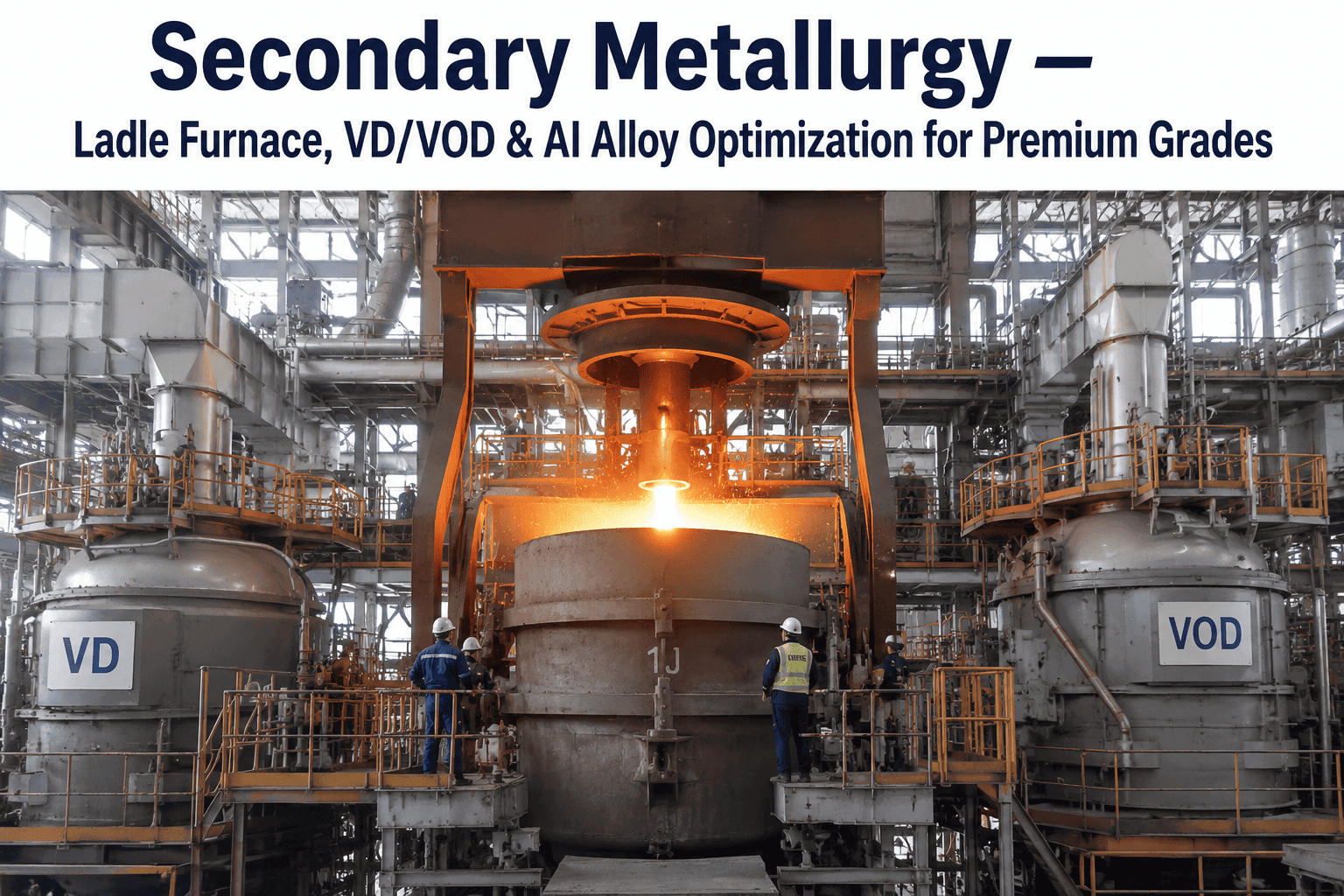
Secondary metallurgy is where a heat of steel stops being a generic melt and becomes a specific grade with guaranteed chemistry, cleanliness, and mechanical properties, and it is also where the tightest customer specifications collide with the narrowest operating windows in the entire steelmaking process. Ladle furnace heating, vacuum degassing, and VOD treatment each demand precise sequencing of alloy additions, gas stirring, and vacuum timing, and a single missed step can push an entire heat outside specification for automotive, energy, or aerospace-grade steel. Process engineers typically manage this through operator experience and static process recipes, which struggle to account for the heat-to-heat variability that comes from scrap mix, tap chemistry, and refractory condition. AI-driven process optimization from iFactory models each treatment stage in real time to recommend alloy additions and timing adjustments specific to the actual condition of every heat.
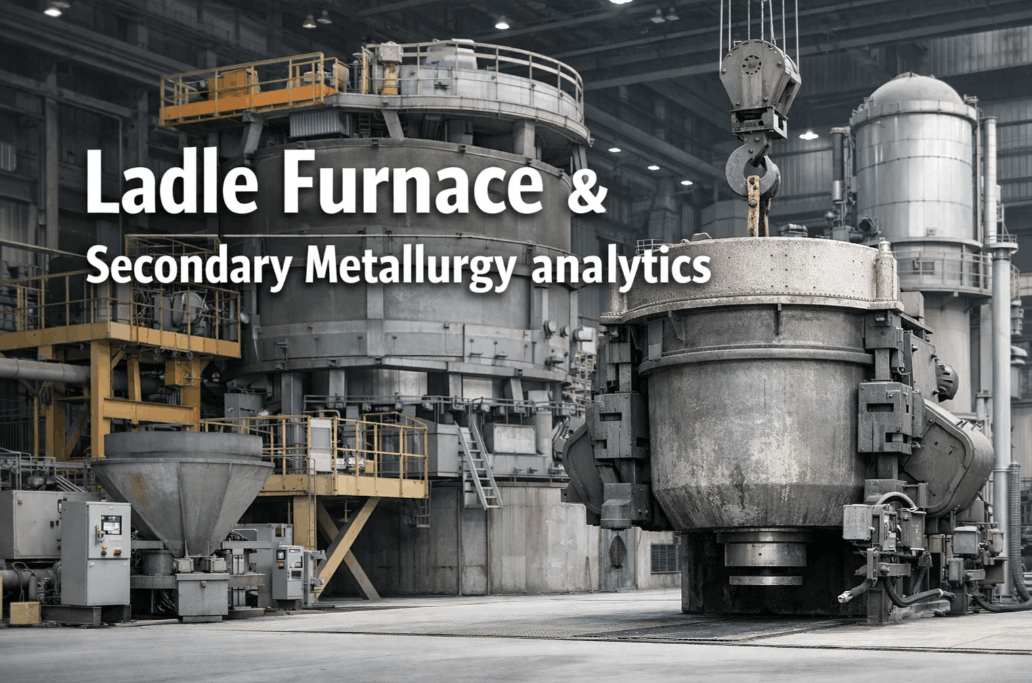
Ladle Furnace
Vacuum Degassing
VOD Treatment
Secondary Metallurgy AI Optimization for Ladle Furnace, VD, and VOD Operations
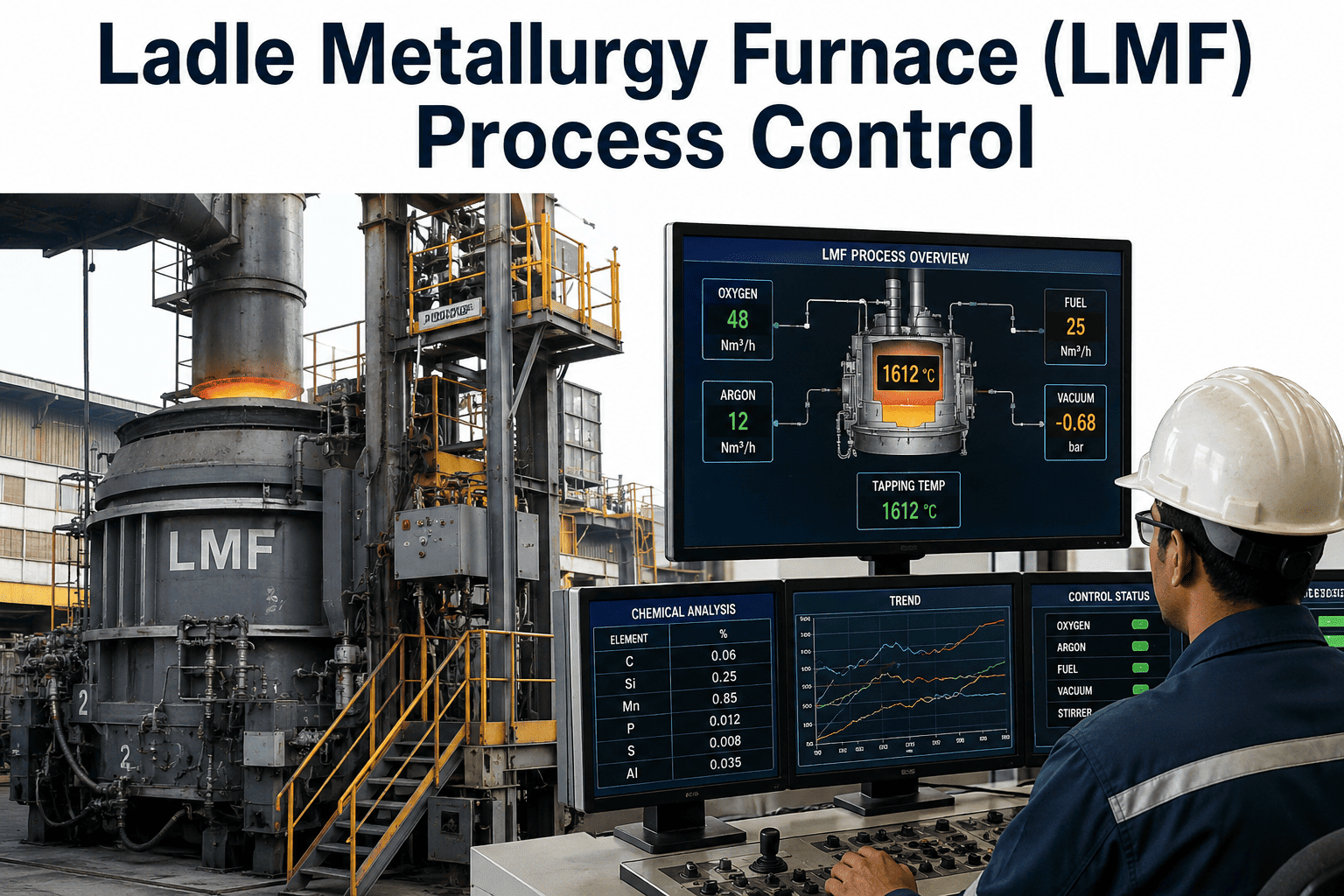
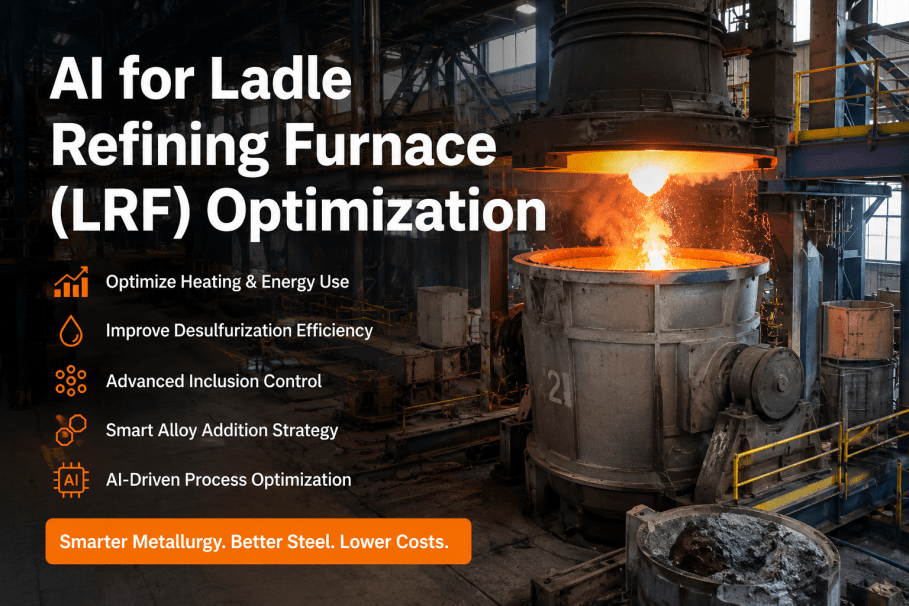
iFactory analyzes tap chemistry, alloy recovery patterns, and vacuum treatment data heat by heat, recommending precise alloy additions and stirring adjustments to hit ultra-low sulfur, controlled nitrogen, and clean inclusion targets consistently across every grade in your product mix.
15-25%
Typical reduction in alloy overuse from AI-guided addition planning
30-60 Min
Ladle furnace treatment time where small errors compound quickly
3-8%
Heats typically requiring rework or downgrade from chemistry misses
The Treatment Sequence: Where Precision Matters Most
Each secondary metallurgy station in the sequence carries a different risk profile and a different decision window, and process engineers who understand where the tightest margins sit can focus attention where it matters most. AI models trained on your furnace's own heat history help surface which specific step of a given heat is trending away from target before the treatment sequence moves past the point where correction is still cheap and easy.
Stage 1
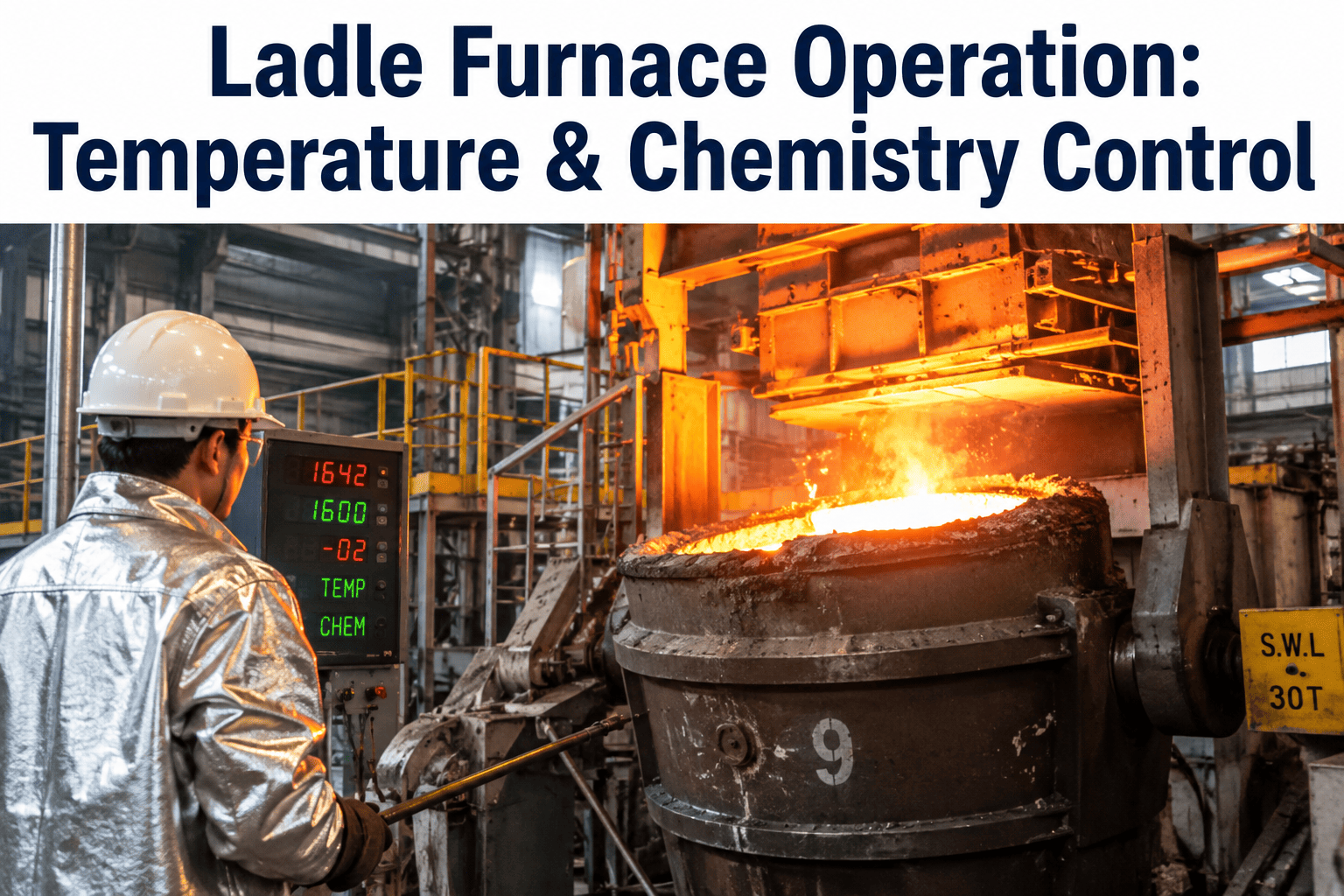
Ladle Furnace Heating and Alloying
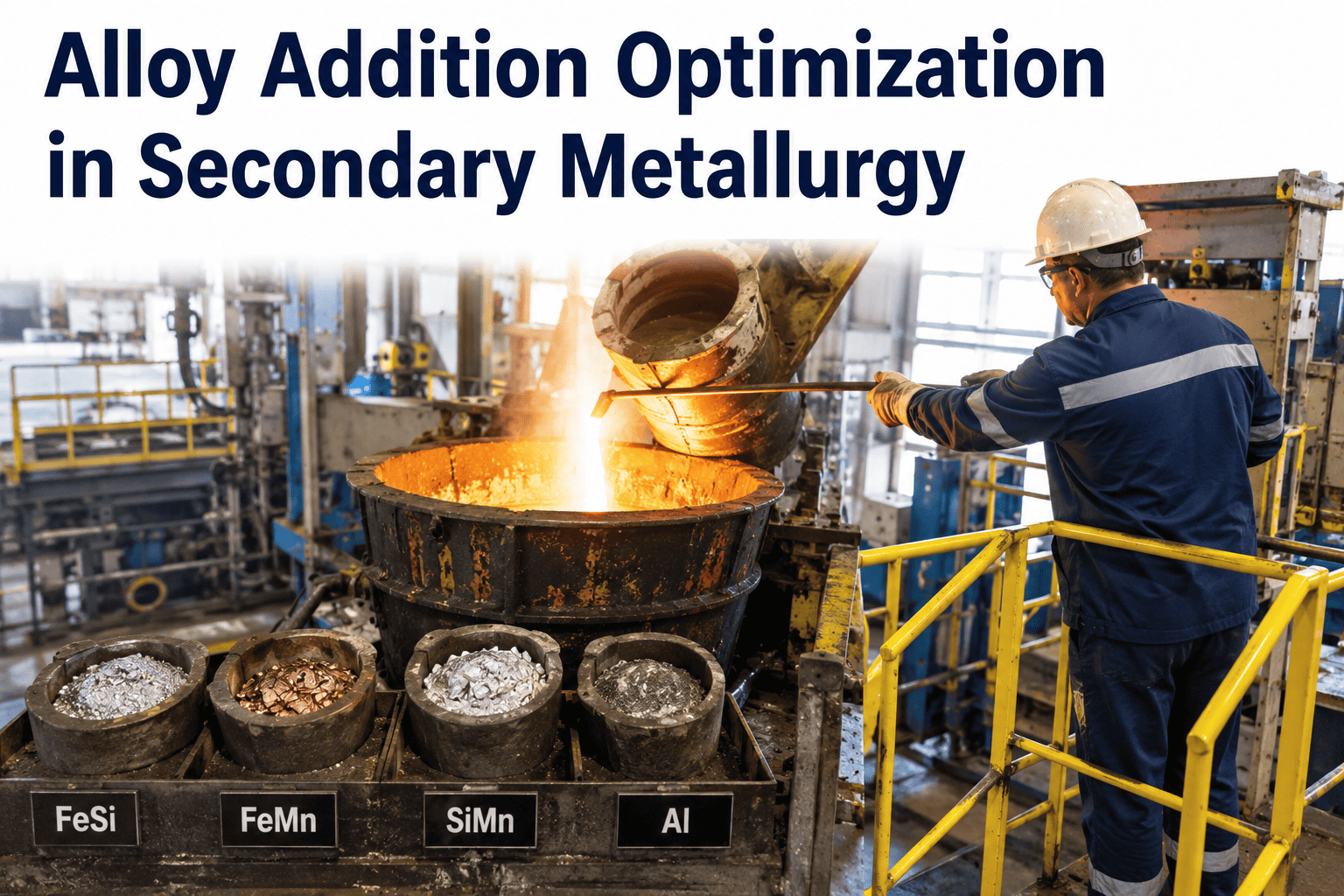
Arc reheating and bulk alloy additions establish base chemistry, with AI cross-referencing tap sample results against target grade to recommend precise addition quantities rather than relying on standard recipe amounts alone.
Stage 2
Argon Stirring and Homogenization
Stirring intensity and duration are modeled against ladle geometry and refractory wear to achieve chemical and thermal homogeneity without excessive reoxidation risk from an overly aggressive stir pattern.
Stage 3
Vacuum Degassing (VD/RH)
Vacuum hold time and pressure profile are optimized against measured hydrogen and nitrogen levels, with AI flagging heats trending toward insufficient degassing before the vacuum cycle ends.
Stage 4
VOD Decarburization and Trim
Oxygen blowing rate and vacuum sequencing for ultra-low carbon grades are continuously adjusted based on real-time off-gas analysis, reducing the risk of carbon or chromium oxidation overshoot in stainless and specialty grades.
Verification Checklist: What AI Confirms Before Every Heat Leaves the Station
Sulfur Target Confirmation
Predicted final sulfur level compared against grade specification before the heat is cleared to proceed, accounting for desulfurization efficiency trends specific to current slag chemistry.
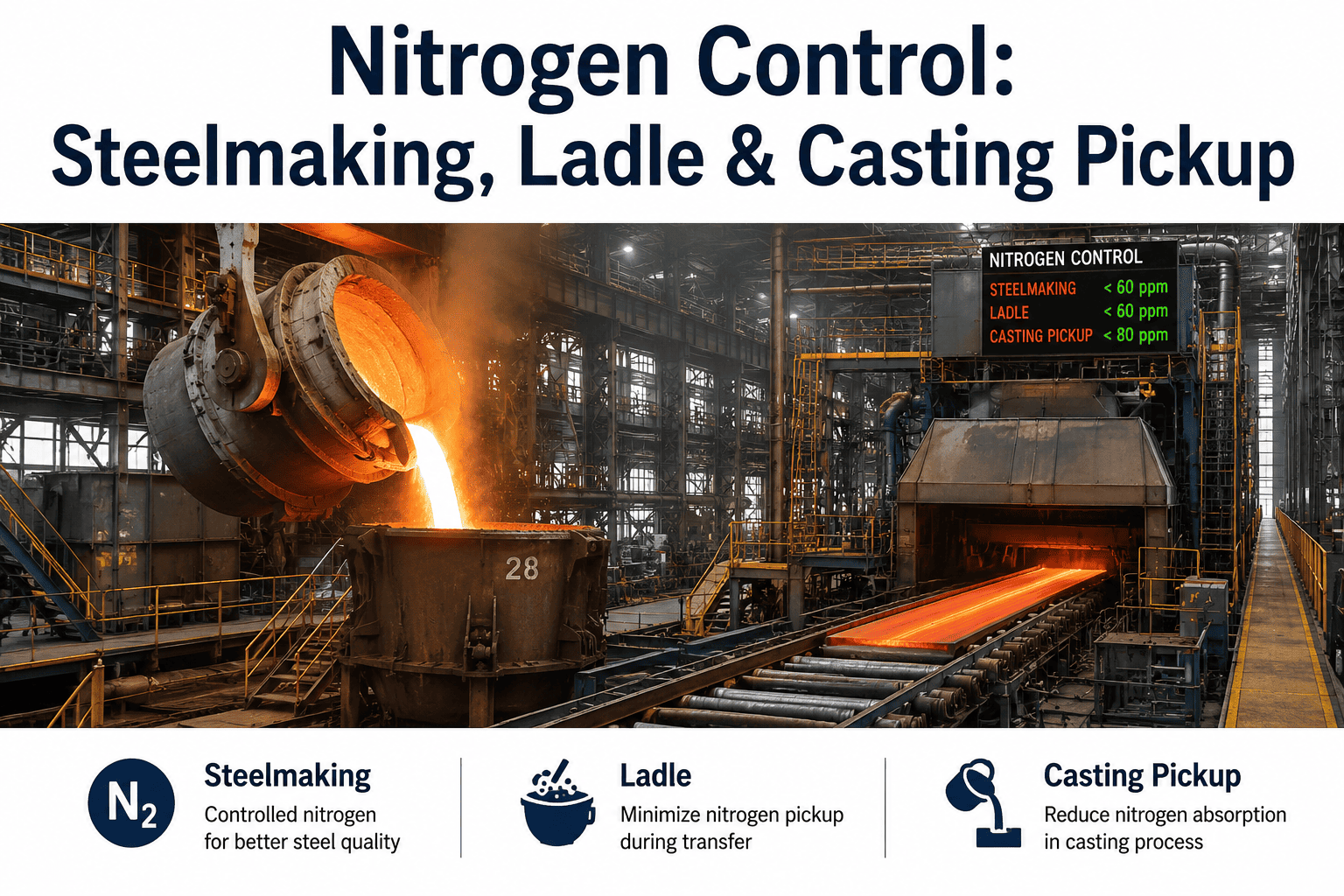
Nitrogen Pickup Risk
Nitrogen pickup risk during transfer and casting estimated from current stirring pattern and open-eye exposure time, flagging heats at risk of exceeding nitrogen-sensitive grade limits.
Inclusion Cleanliness Trend
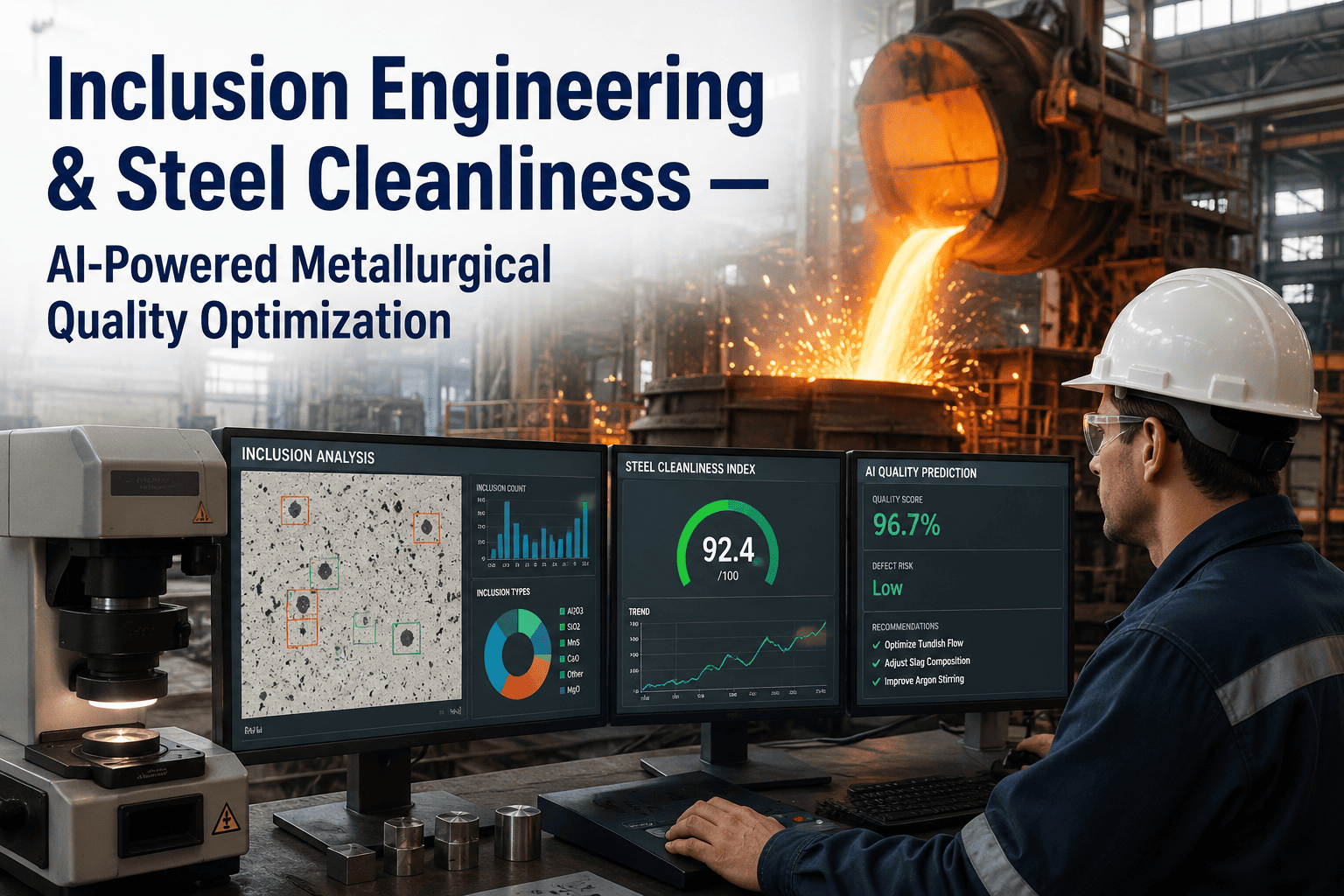
Calcium treatment effectiveness and inclusion modification progress tracked against historical cleanliness outcomes for the specific grade being produced in this heat.
Temperature Drop Prediction
Expected temperature loss through remaining transfer and casting steps modeled to confirm the heat will arrive at the tundish within the required casting temperature window.
Model Your Ladle Furnace and VOD Treatment Before Your Next Premium Grade Campaign
iFactory connects to your existing tap sample, alloy addition, and vacuum system data to build heat-specific chemistry and cleanliness predictions, giving your process engineers a clear signal on which heats need attention before they leave the secondary metallurgy bay.
Comparing Recipe-Based Treatment to AI-Guided Heat-Specific Optimization
Scroll to compare approaches
Before and After AI-Guided Secondary Metallurgy
Before AI Optimization
Alloy additions based on standard recipes that do not account for individual heat variability
Off-grade chemistry discovered after treatment is complete, requiring rework or grade downgrade
Alloy overuse common as a safety margin against uncertain recovery rates
After iFactory AI Optimization
Alloy additions calculated specifically for each heat's actual chemistry and recovery trend
Chemistry deviations flagged during active treatment while correction remains straightforward
Alloy consumption reduced through precise, data-driven addition planning rather than blanket safety margins
Expert Perspective
Premium grade production lives and dies on the secondary metallurgy floor, and for years our biggest frustration was finding out about a chemistry miss only after the lab sample came back, by which point our options were limited. What the AI model gave us was a live prediction during the treatment itself, essentially telling us where this specific heat was heading before we committed to the next step. We have cut our off-grade rework rate on our lowest-sulfur automotive grades by nearly half, and just as importantly, our alloy consumption per ton has come down because we are no longer padding every addition with a safety margin built for the worst-case heat instead of the actual one in front of us.
— Process Engineer, Specialty Steel Producer · 14 Years in Secondary Metallurgy
Frequently Asked Questions
Q: Does the AI model replace the metallurgist's judgment on the ladle furnace floor?
No, the model is designed to support the metallurgist and operator with a data-driven recommendation, not to remove human judgment from the treatment sequence. The system surfaces a prediction and a recommended action, and the final addition and timing decisions remain with the operating team, who retain full authority to override the recommendation based on conditions the model may not fully capture.
Book a Demo to see how the recommendation interface works in practice.
Q: How does iFactory handle the wide variety of grades produced through the same ladle furnace?
The model is trained separately on the historical treatment data for each grade family, recognizing that a stainless VOD trim sequence behaves very differently from a low-sulfur automotive grade treatment. This grade-specific calibration is what allows the same platform to give accurate recommendations across a wide and varied product mix without treating every heat with a single generic model.
Q: What data does iFactory need to build an accurate secondary metallurgy model?
The platform typically uses tap sample chemistry, alloy addition records, stirring and vacuum system logs, off-gas analysis where available, and final lab chemistry results, all of which most secondary metallurgy stations already capture as part of standard process control. Historical heat records spanning a representative range of grades and conditions allow the initial model to be calibrated accurately before live deployment.
Q: Can this reduce alloy costs without compromising chemistry compliance?
Yes, reduced alloy overuse is one of the most consistently reported benefits, since heat-specific addition planning replaces the blanket safety margins that operators often add when working from a static recipe without a clear read on actual recovery conditions. Chemistry compliance typically improves alongside this reduction because the model is actively predicting the outcome rather than assuming a worst-case scenario.
Contact our team to discuss expected savings for your specific grade mix.
Q: How quickly can a secondary metallurgy AI model be deployed and trusted operationally?
Most facilities see an operational model within four to six weeks of data access, though operator trust typically builds gradually over the following months as the recommendations are validated against actual lab results heat after heat. Facilities with more complete historical data records generally see faster model accuracy improvements during this early calibration period.
Bring Heat-Specific AI Precision to Your Ladle Furnace and VOD Operations
iFactory helps process engineers hit ultra-low sulfur, controlled nitrogen, and clean inclusion targets consistently across your premium grade portfolio, reducing rework, alloy overuse, and chemistry miss risk heat after heat.