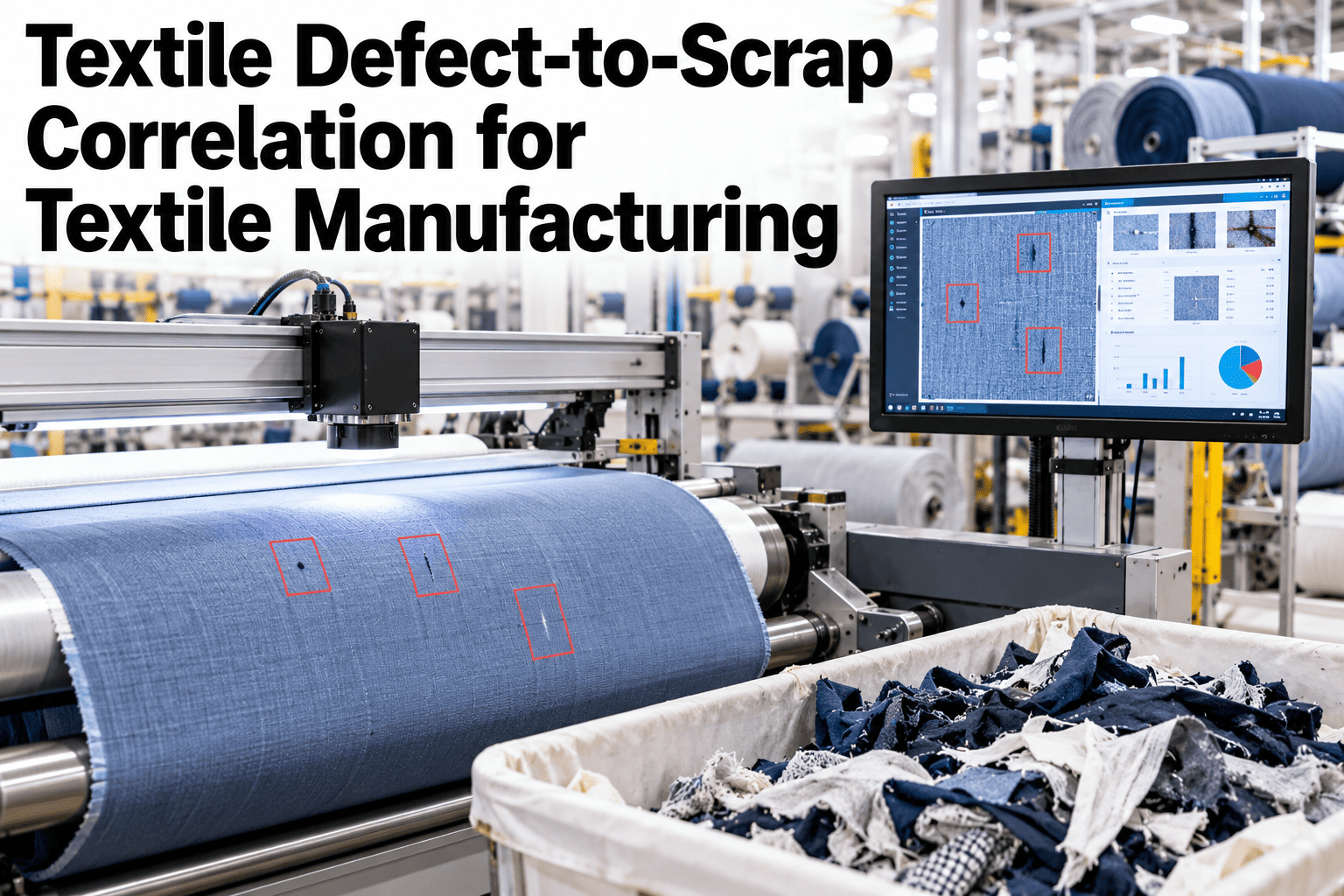
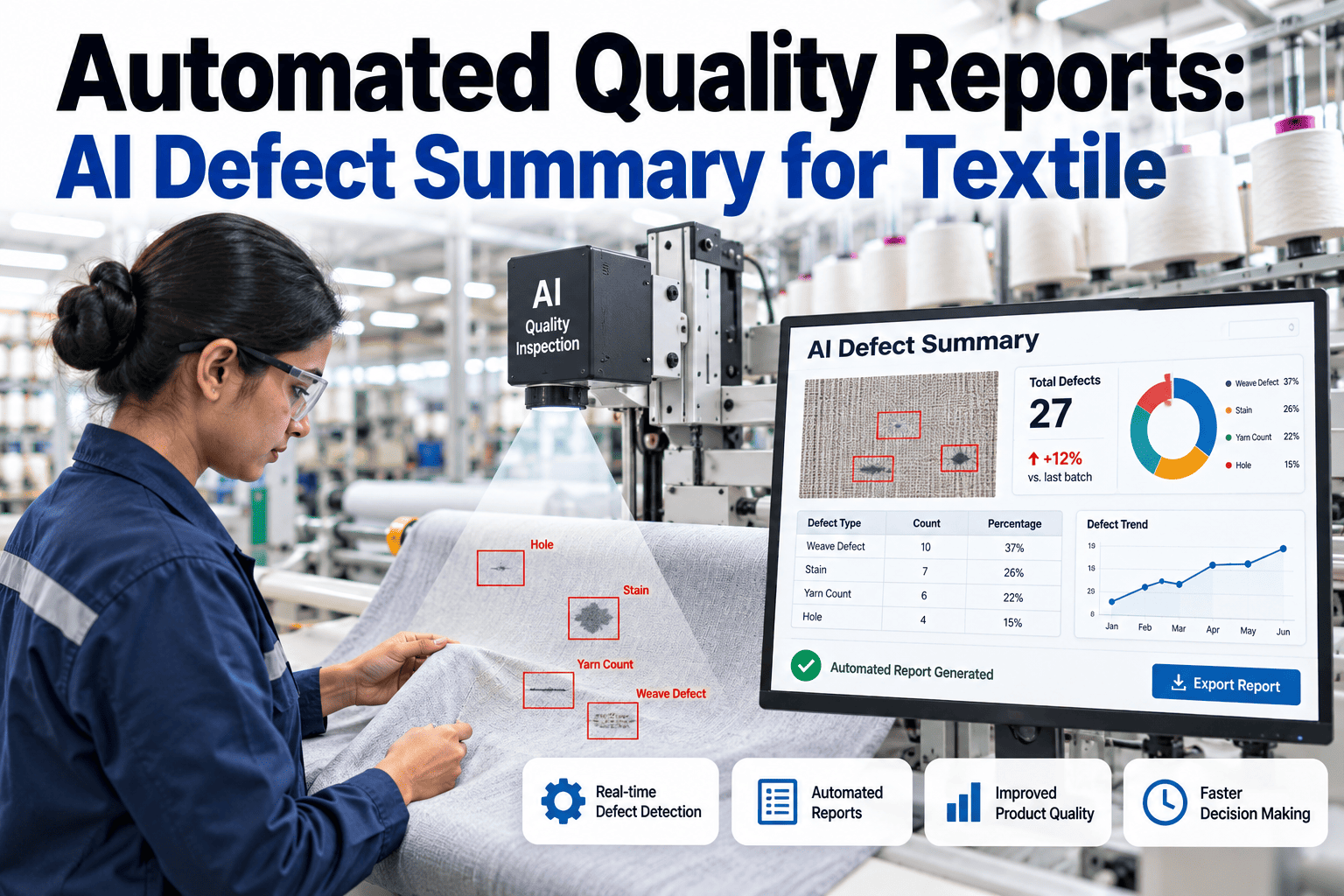
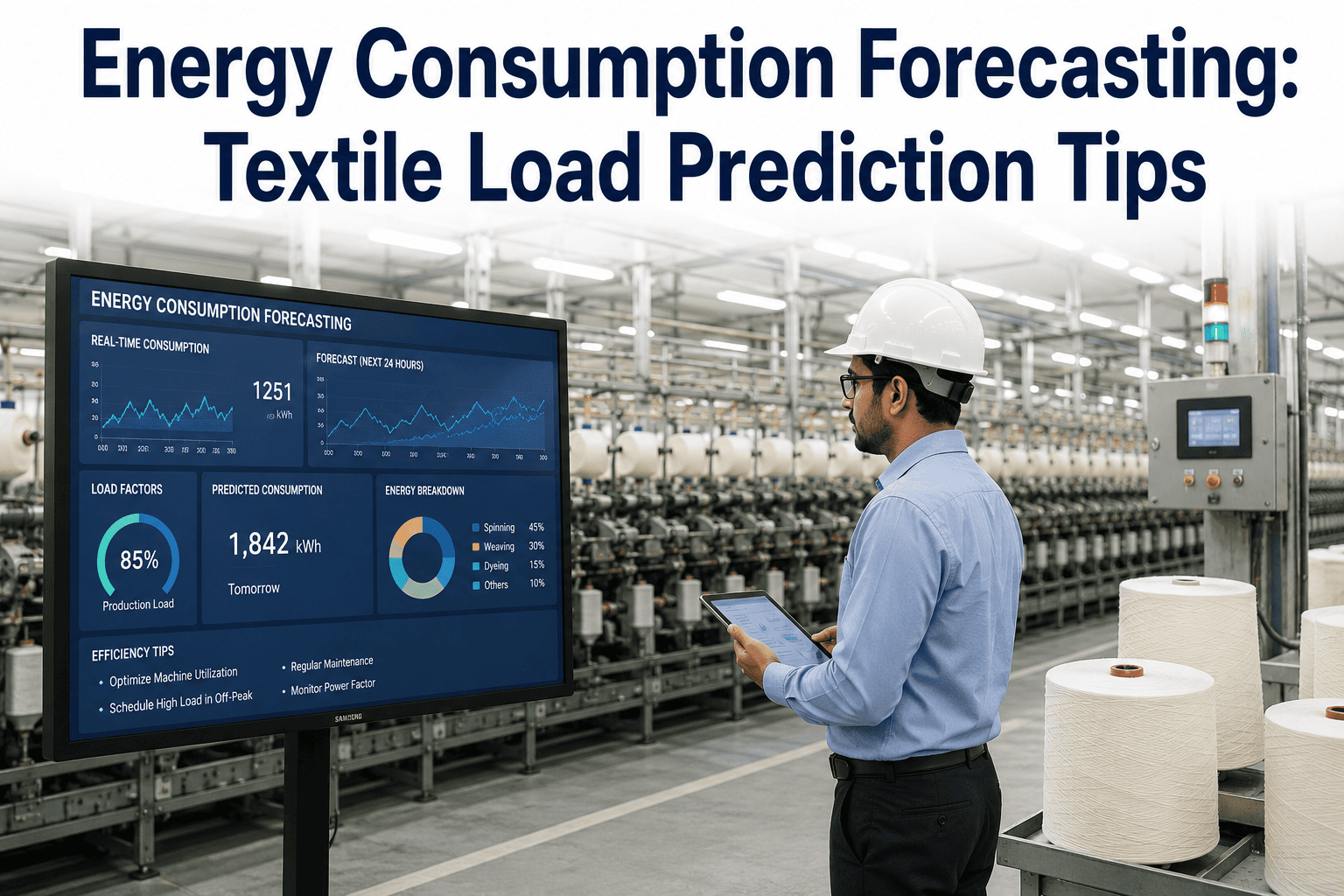
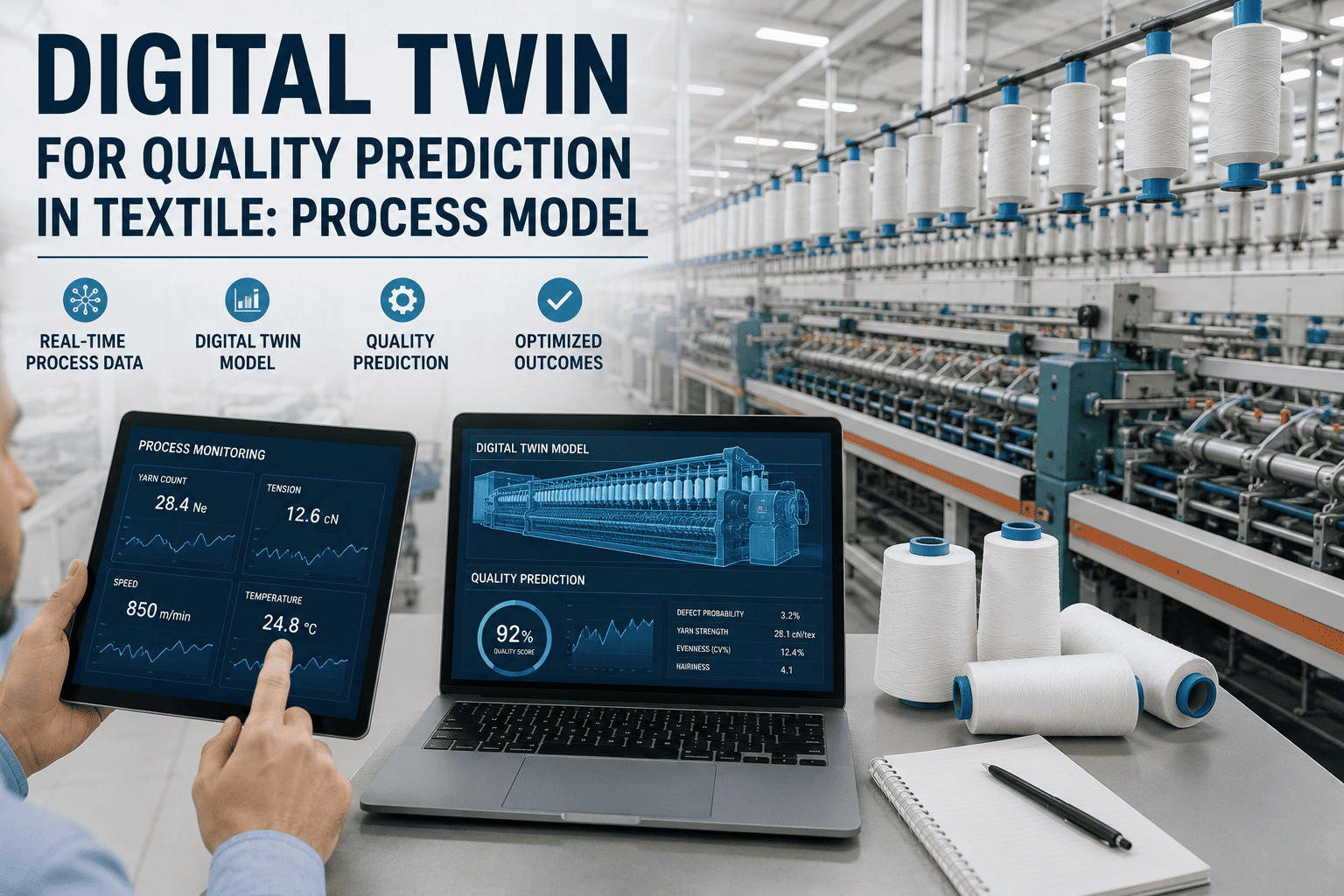
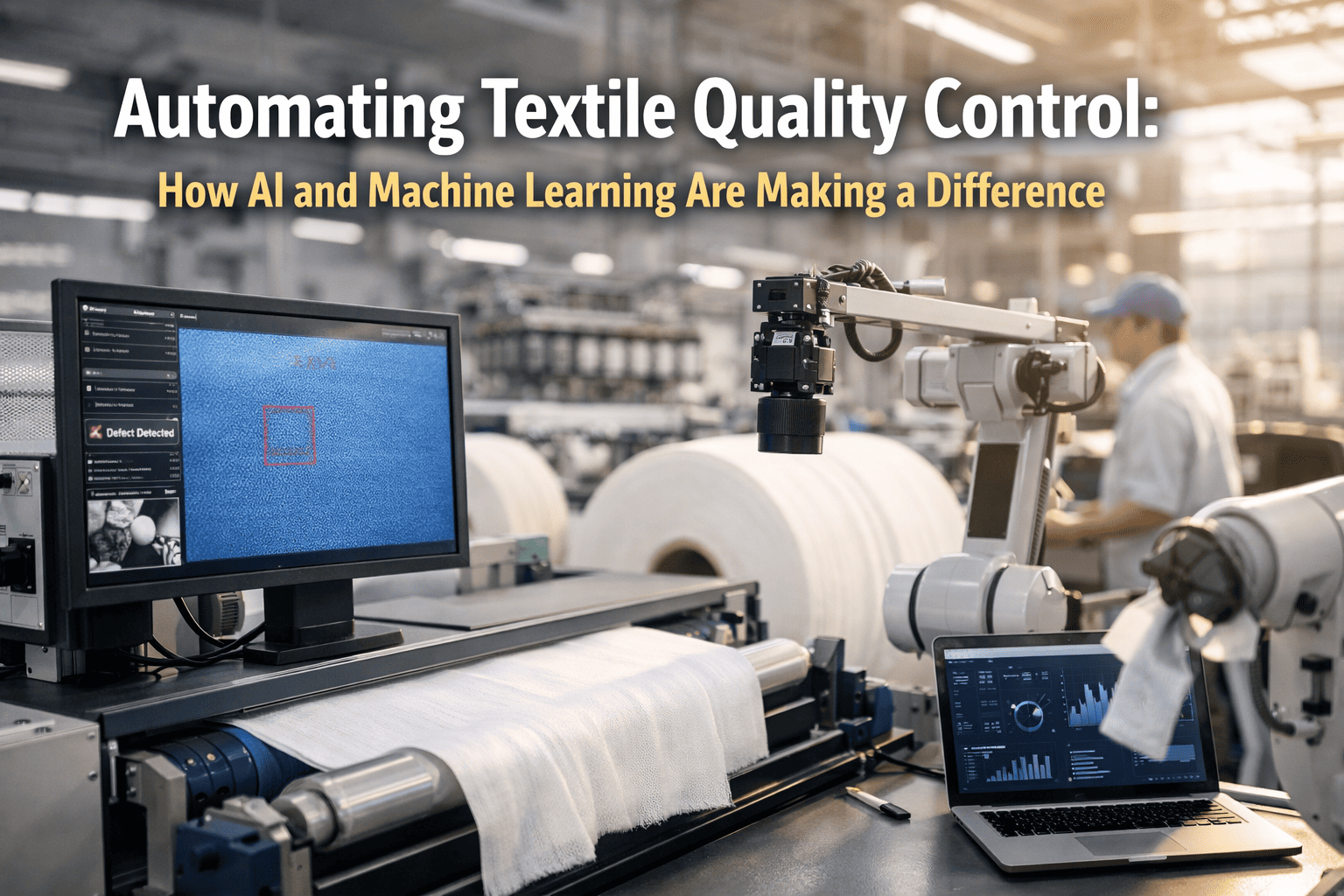
By the time a fabric roll fails final inspection, the machine settings that caused the defect were locked in hours or even days earlier, which means traditional quality control is always reviewing a decision it can no longer change. Machine learning models trained on a mill's own process history flip that timing by correlating input parameters, tension, temperature, speed, humidity, dye concentration, against the output quality that eventually resulted, then flagging when a current combination of settings is drifting toward a historically bad outcome while there's still time to adjust it. This isn't about replacing an experienced line operator's judgment, it's about giving that operator a warning several steps earlier than their own senses would ever catch it. Mills exploring how a yield prediction model would work against their own process data can start that conversation with iFactory's support team.
Your Defect Was Predictable Two Hours Before Anyone Actually Saw It
iFactory correlates live process parameters against your historical output quality, flagging drift toward a defect-prone combination while there's still time for an operator to adjust, not just log the result afterward.
Why Final Inspection Alone Can Never Prevent a Defect
Final inspection is a genuinely necessary safety net, but by design it only catches defects after they've already happened, which means every rejected roll represents fabric, time, and machine capacity that's already been spent. A prediction model built on parameter correlation shifts the intervention point upstream, to the moment settings start drifting rather than the moment a customer would have found the flaw.
Operators React to Symptoms, Not Causes
A visible defect at the loom is already a downstream symptom of a parameter combination that started drifting well before it became visible to the naked eye.
Good Process Knowledge Stays in One Operator's Head
An experienced technician's intuition about which settings tend to cause problems rarely gets documented in a form that transfers to a new hire or a different shift.
Multiple Parameters Interact in Ways No One Tracks Manually
Tension alone might be fine and temperature alone might be fine, but the specific combination of both drifting together is often what actually produces the defect.
Historical Data Sits Unused in the Machine Logs
Most modern looms and dye jets already log the parameters a prediction model needs, but that data rarely gets connected to quality outcomes in a way anyone analyzes.
What a Quality Prediction Model Actually Needs to Work
Building a reliable prediction model isn't about exotic algorithms, it's about connecting the right data sources consistently enough that a genuine correlation between inputs and outcomes can be learned.
| Data Type | Example Parameters | Typical Source |
|---|---|---|
| Machine Process Data | Tension, speed, temperature, pressure | Machine PLC or sensor logs |
| Material Input Data | Fiber lot, yarn count, dye batch | Purchasing and receiving records |
| Environmental Data | Humidity, ambient temperature | Facility sensors |
| Output Quality Data | Defect type, location, severity | Inspection and QC records |
From Historical Correlation to a Live Intervention
A prediction model only creates value once its output reaches an operator in time to act on it, and the path from raw data to a real intervention follows a consistent sequence.
Connect Process and Quality Data Together
Historical machine parameters matched against the eventual inspection outcome for the same production run.
Train the Model on Genuine Historical Patterns
Identifying which parameter combinations have actually preceded defects in this specific mill's own production history.
Score Live Production Continuously
Comparing current settings against the learned defect-prone patterns in real time, not in a batch report reviewed the next day.
Alert the Operator With Enough Lead Time to Adjust
A specific, actionable warning delivered while there's still a real window to correct the setting before output is affected.
Catch the Defect Before It Ever Reaches the Loom
iFactory builds prediction models from your own process and quality history, giving operators a real warning window instead of a rejection report after the fact.
A Composite Scenario: The Dye Batch Pattern Nobody Had Connected
A composite dye house had experienced a recurring shade variation problem for years, with technicians developing a rough, unofficial sense that certain days were simply "bad shade days" without ever pinning down why. A model trained on eighteen months of combined dye recipe, water temperature, and final shade measurement data found a specific pattern nobody had documented: a particular dye supplier's batches consistently required a slightly longer dwell time at a specific temperature range than the standard recipe called for.
Once the model began flagging incoming batches from that supplier automatically, operators adjusted dwell time proactively rather than discovering the shade issue after the fact. Shade-related rejections tied to that supplier's material dropped substantially within the following quarter, and the mill used the same finding to renegotiate its incoming specification agreement with the supplier directly.
Common Mistakes in Textile Quality Prediction Projects
Starting Without Enough Historical Data
A model trained on only a few weeks of production rarely has enough defect examples to learn a genuinely reliable pattern.
Connecting Process Data Without Quality Outcomes
Machine parameter logs alone are useless for prediction unless they're matched against what quality result actually followed.
Delivering Predictions Too Late to Act On
An alert that reaches an operator after the affected material has already run through the machine provides no real intervention value.
Ignoring Operator Feedback on the Model's Alerts
A model that flags too many false positives quickly gets ignored, so tuning based on floor feedback is essential to sustained adoption.
Is Your Mill Ready to Build a Quality Prediction Model
Your machines already log process parameters digitally
Existing PLC or sensor data is the starting foundation most prediction models are built from.
Quality inspection results are recorded consistently
Defect type, severity, and timing need to be captured reliably enough to match back against the process data.
You have at least several months of combined historical data
A meaningful sample of both good and defective outcomes is what lets the model learn a genuine pattern rather than noise.
Operators are willing to act on an early warning
The entire value of the model depends on someone actually adjusting a setting when the prediction flags a risk.
Frequently Asked Questions
How much historical data do we need before a prediction model actually works?
Most reliable models need at least six to twelve months of combined process and quality data, though the exact amount depends heavily on how frequently defects occur, since a model needs enough real defect examples, not just good outcomes, to learn what actually precedes a problem. A process with a very low natural defect rate may need a longer collection window simply to accumulate enough negative examples for the model to learn from. Mills wanting help assessing whether their current data is sufficient can talk to iFactory support.
Does this replace the need for experienced operators and their judgment?
No, and framing it that way tends to create resistance rather than adoption. The model is designed to surface a pattern earlier than an operator's own senses would catch it, giving that operator additional lead time to apply the judgment they already have, not to replace the decision-making itself. Most successful deployments treat the model as an early-warning layer that experienced staff still act on using their own expertise.
What happens if the model gives a false alarm?
Some false positives are normal, especially early in a model's deployment, and the right response is tuning the model's threshold based on real floor feedback rather than abandoning the tool after the first inaccurate alert. A well-tuned model balances catching genuine risk against alert fatigue, and that balance typically improves over the first several weeks of live operation as more real-world feedback gets incorporated.
Can a prediction model account for multiple parameters interacting at once?
Yes, and this is actually one of the strongest advantages a model has over manual monitoring, since it can learn that a specific combination of tension and temperature drifting together predicts a defect even when neither parameter alone would trigger a manual alarm threshold. Book a demo to see how multi-parameter correlation gets built around your specific process data.
How often does a quality prediction model need to be retrained?
Retraining on a regular cadence, typically every few months, keeps the model current as raw material sources, equipment condition, and process settings evolve over time. A model left untouched for a year or more risks drifting away from the mill's current reality, especially after a significant equipment change or a shift to a new supplier that behaves differently than the data it was originally trained on.
Give Your Operators a Warning Before the Defect, Not a Report After It
iFactory builds quality prediction models from your own process history, turning parameter drift into an early, actionable alert.