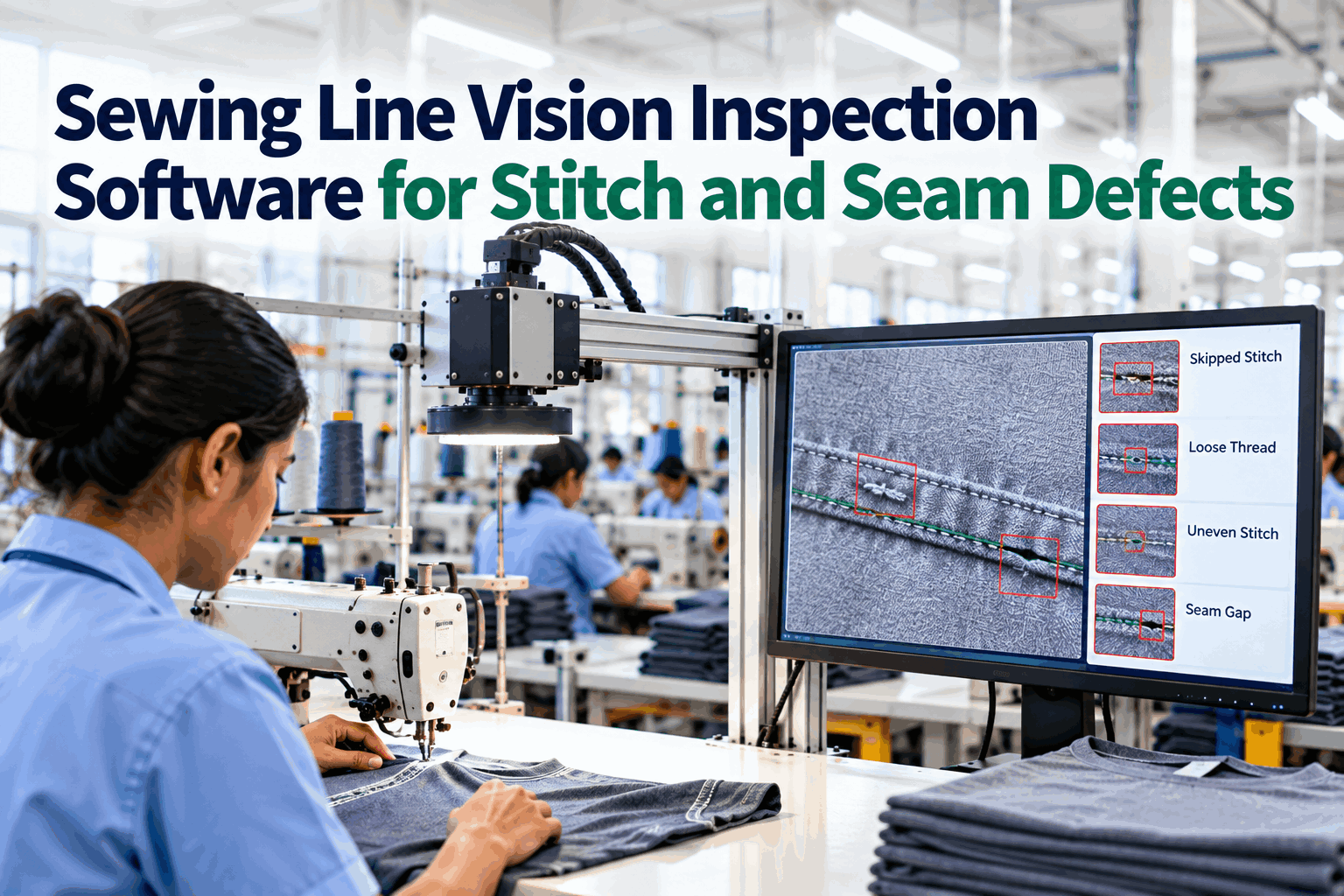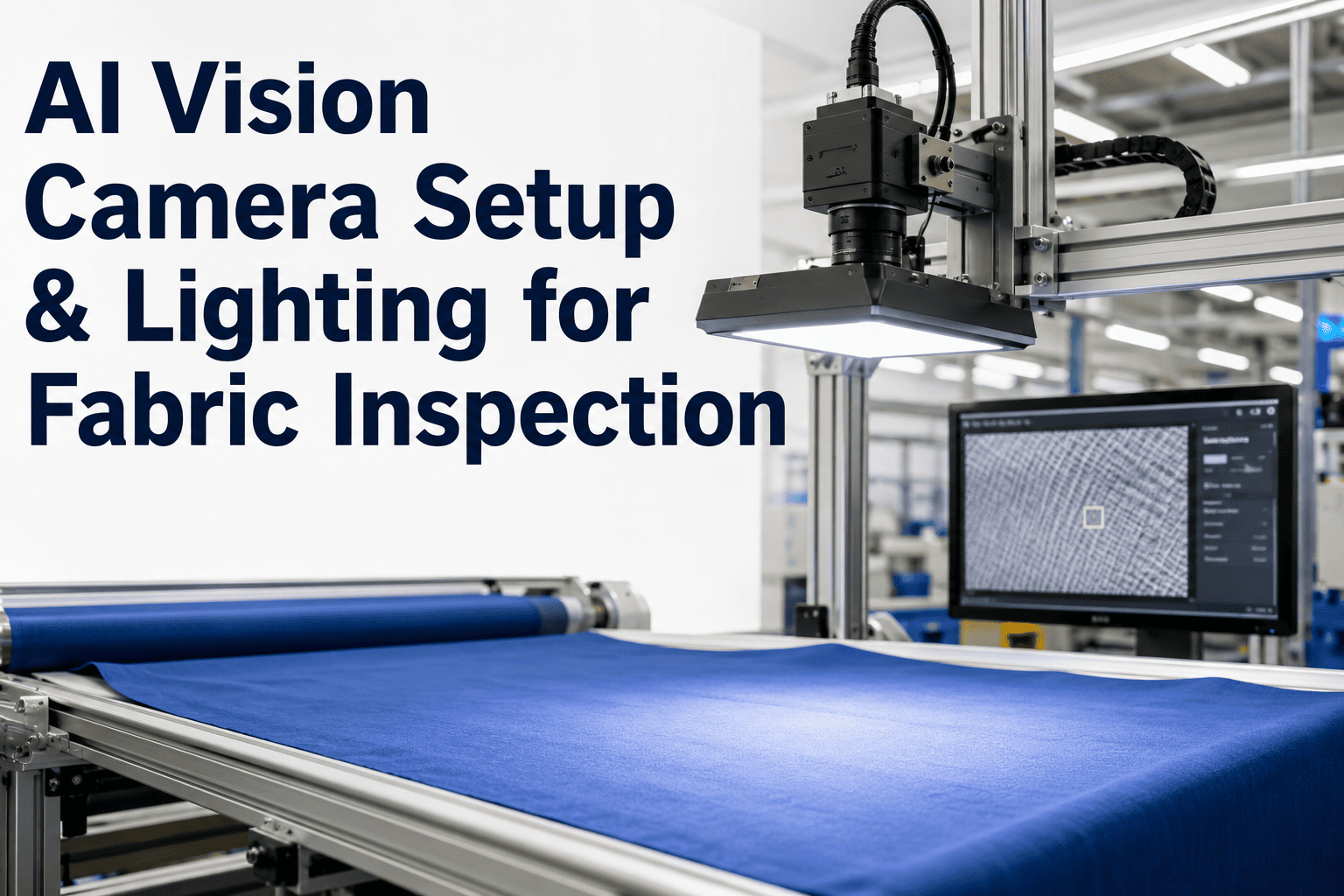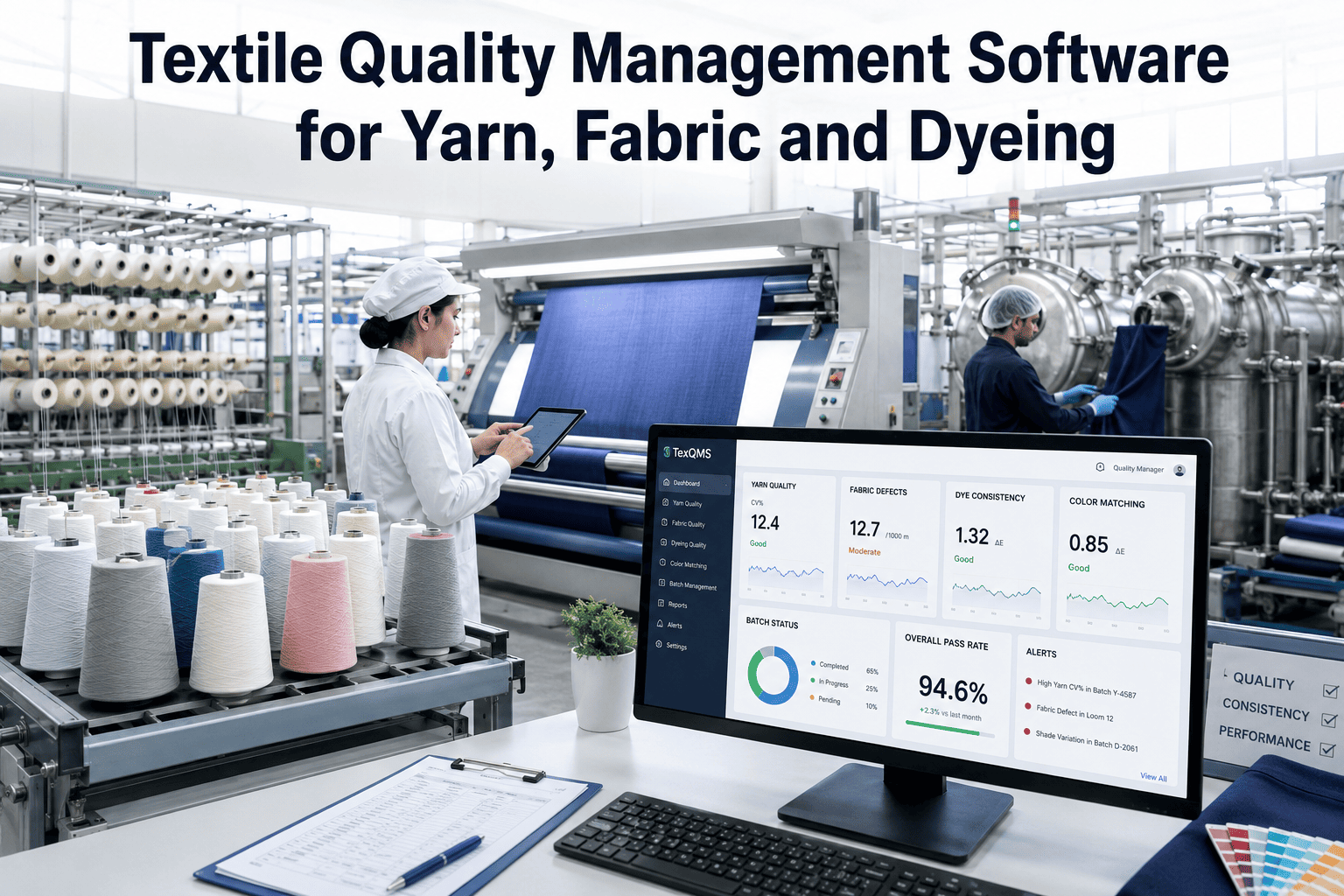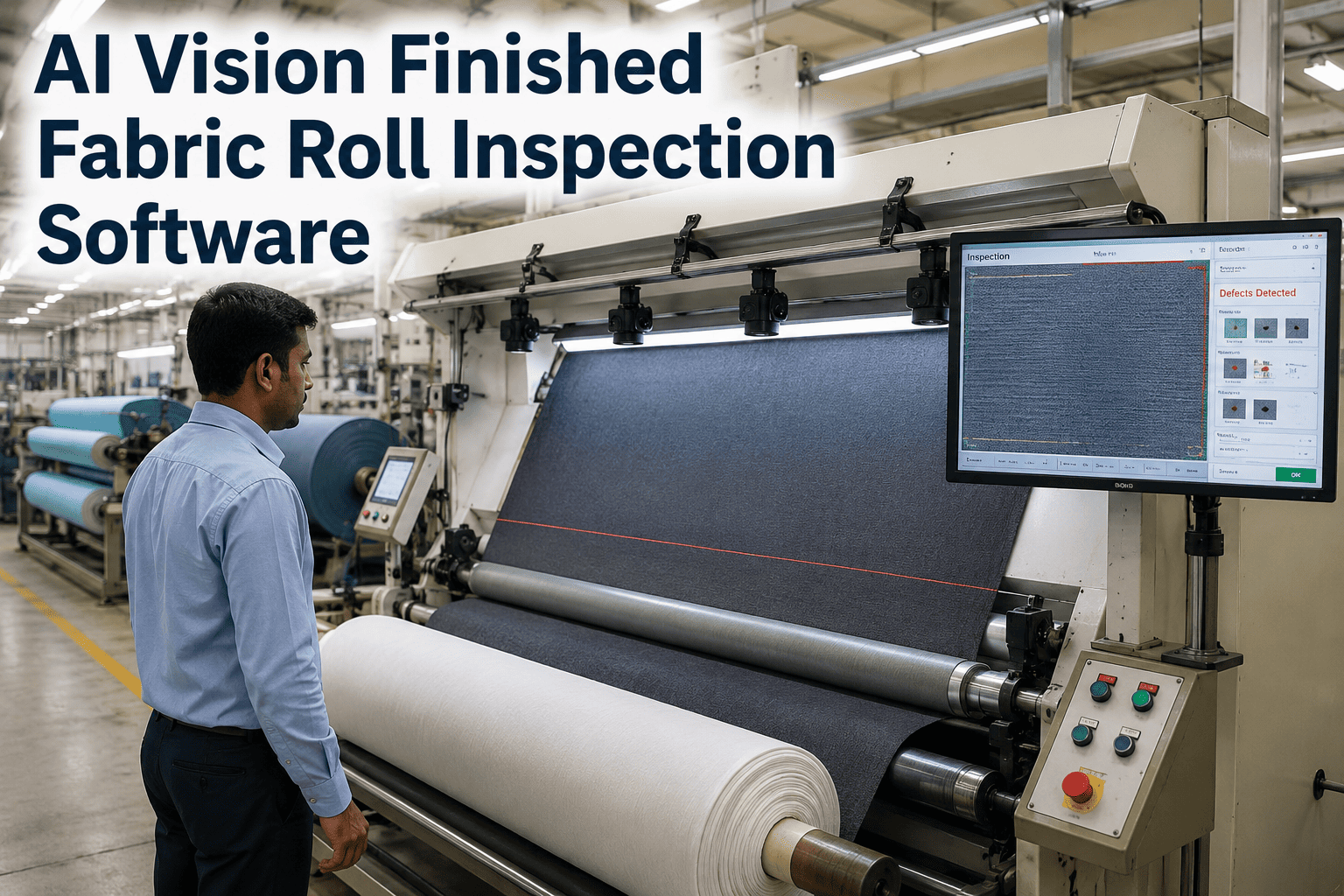
Finished fabric rolls leaving the inspection frame carry the final verdict on weeks of spinning, weaving or knitting, dyeing, and finishing work, yet most mills still rely on two or three human checkers standing under a four point inspection lamp trying to catch stains, slubs, shade bands, holes, and edge damage on fabric moving at 15 to 25 meters per minute. Fatigue sets in within the first ninety minutes of any shift, and defect catch rates fall sharply after that point, which means a large share of what actually ships is inspected less carefully than the first roll of the day. iFactory's AI vision inspection platform mounts high resolution line scan cameras directly at the finished goods roll stand, analyzes every centimeter of fabric in real time, and generates a permanent, timestamped quality record for every roll before it is packed. Book a Demo to see the camera catching defects your current process is missing today.
Every Fabric Roll Tells the Truth Under an AI Camera — Most Mills Just Never Ask It the Right Questions
iFactory's AI vision system inspects every finished fabric roll for stains, holes, shade variation, slubs, and edge damage at full production speed, scores the roll automatically, and stores audit-ready evidence for every shipment.
What Happens Between the Finishing Line and the Shipping Carton Right Now
Manual roll inspection is a skilled, exhausting job performed against the clock, and the numbers below explain why defect leakage keeps happening even at mills with experienced inspection teams and well documented quality procedures.
Defect Categories iFactory's Camera Recognizes on Every Roll, Every Time
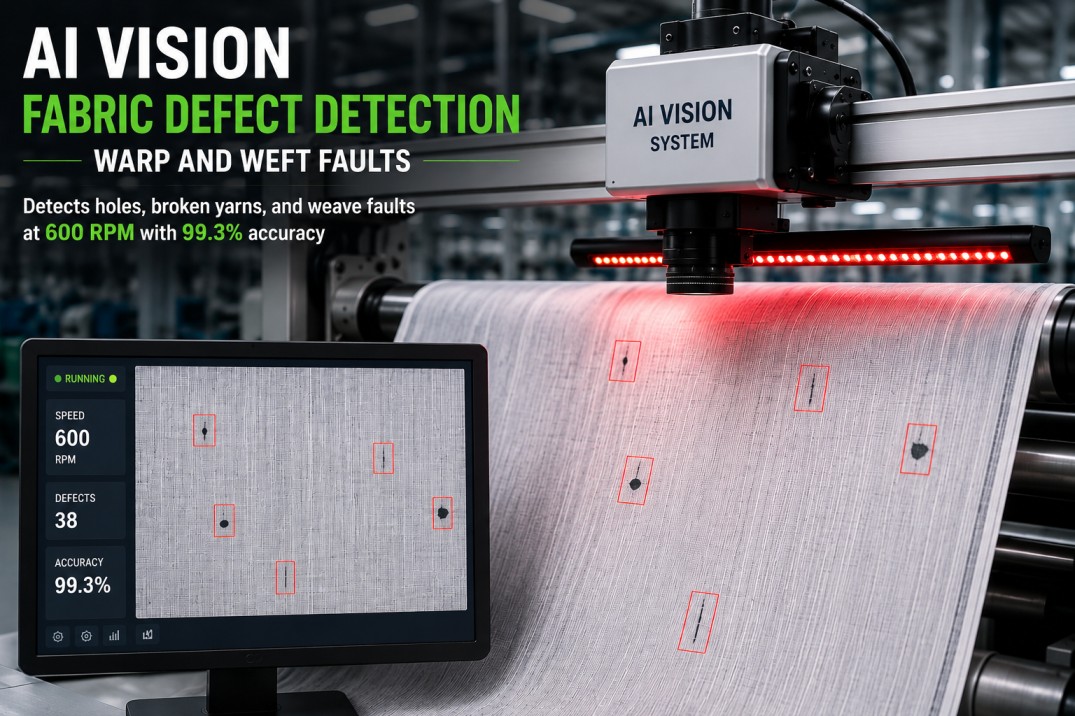
iFactory's vision models are trained separately for woven, knitted, and technical fabrics because each construction produces different defect signatures at the pixel level. The categories below are recognized automatically, classified by severity, and mapped to the exact meter position on the roll so the cutting team knows precisely where the flaw sits before the fabric ever reaches the cutting table.
Stains and Oil Marks
Water stains, oil drips from machine parts, rust marks, and chemical spotting are flagged by contrast and color deviation analysis even on patterned or textured grounds.
Holes and Tears
Pinholes, needle breaks, snags, and tears as small as one millimeter are detected using edge and texture discontinuity models tuned per fabric weight.
Shade and Color Variation
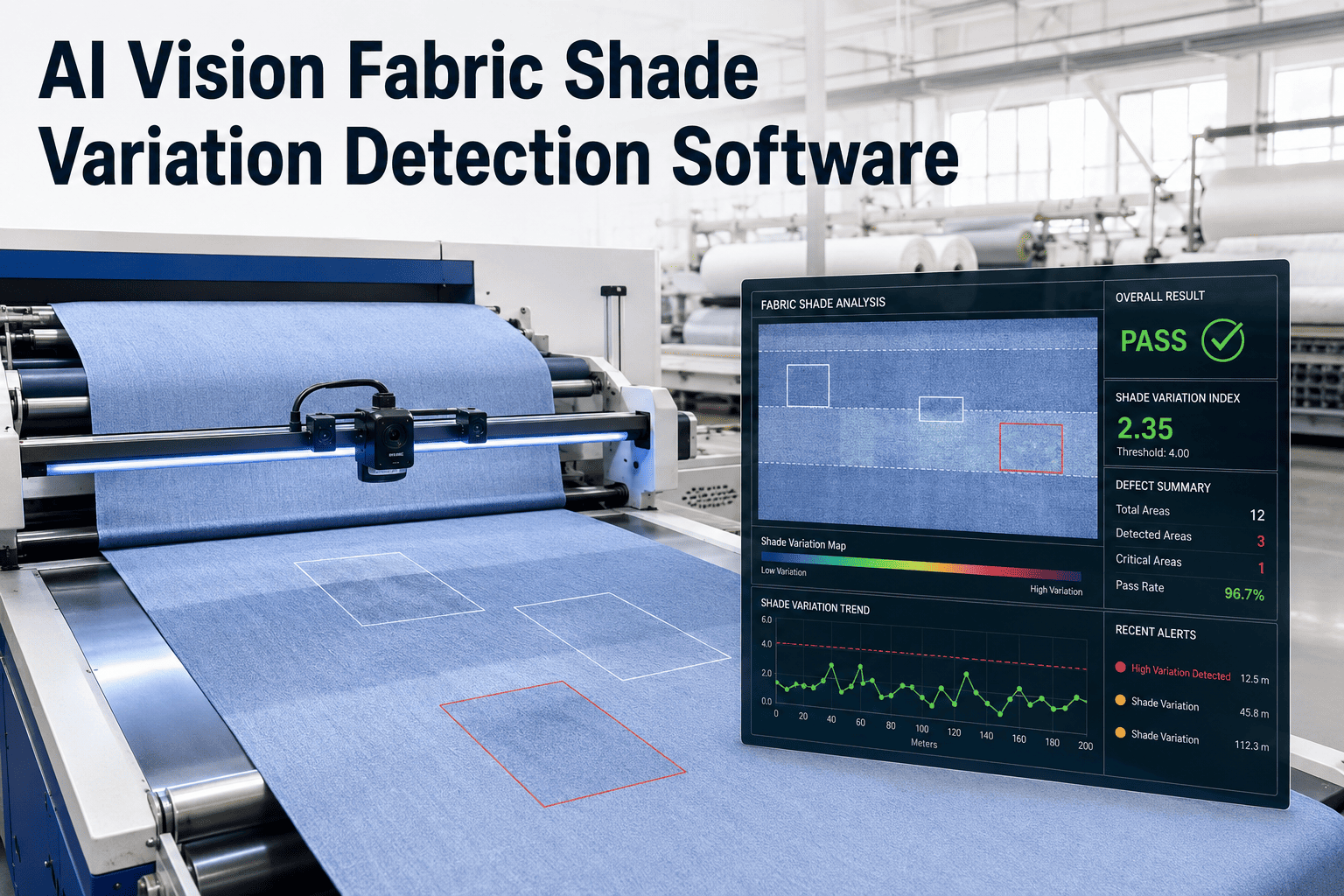
Side to side, end to end, and batch to batch shade banding is measured against the approved standard using calibrated color difference values, not visual judgment.
Weaving and Knitting Faults
Slubs, missing ends, broken picks, dropped stitches, and needle line faults are matched against a defect library built from real production history.
Edge and Selvedge Damage
Curling, fraying, uneven selvedge width, and tenter frame pin marks are measured continuously along both edges of the roll.
Print and Pattern Defects
Registration errors, color bleed, and pattern misalignment on printed fabrics are checked against the master repeat automatically.
Your Best Inspector Cannot Watch Fabric Move at 20 Meters a Minute for Eight Hours Straight — A Camera Can
iFactory's AI vision system runs continuously, never loses focus, and applies the exact same standard to roll one and roll one thousand of the shift. See it running on your fabric.
From Roll Stand to Quality Record — The Four Stage Inspection Flow
The AI vision workflow is built to slot into an existing finishing line without slowing it down or requiring a change in how operators load and unload rolls. Each stage below runs automatically once the camera is commissioned on a line.
Continuous Image Capture
Line scan cameras positioned above and, where needed, below the fabric capture full width, high resolution images synchronized to the actual fabric speed, so there is no blur even on fast running lines.
Real Time Defect Detection
Every frame is analyzed by deep learning models trained on the fabric construction and finish being run, flagging defects the moment they appear rather than after the roll is fully wound.
Severity Scoring and Grading
Each defect is scored against configurable four point or ten point grading systems and rolled up into an automatic quality grade for the whole roll, replacing subjective grader judgment.
Digital Roll Record and Routing
A defect map, grade, and timestamped image record is stored against the roll ID, and the system recommends whether the roll ships as first quality, gets routed for mending, or is downgraded.
Measured Outcomes From AI Vision Deployments on Finishing Lines
These figures reflect sustained results reported by mills after AI vision inspection replaced or supplemented manual checking on finished goods lines, measured over a minimum of three months of production.
How AI Vision Inspection Compares to Standard Lamp Inspection
The table below lays out the practical differences mills report once an AI vision system runs alongside or in place of a manual inspection frame, scroll sideways on smaller screens to see every column.
| Factor | Manual Lamp Inspection | iFactory AI Vision |
|---|---|---|
| Defect Catch Rate | 60-70% | 90-95% |
| Consistency Across Shifts | Varies by inspector fatigue | Identical standard, every roll |
| Inspection Speed Limit | 10-15 m/min reliable | Matches line speed up to 25+ m/min |
| Quality Record | Paper log, subjective grade | Digital defect map with images |
| Shade Measurement | Visual estimate | Calibrated color difference values |
Questions Mills Ask Before Installing AI Vision Inspection
The Fabric Rolling Off Your Finishing Line Right Now Is Being Judged By a Tired Inspector or an AI Camera — One of Them Never Blinks
iFactory's AI vision inspection platform gives every roll the same careful, consistent check regardless of shift, speed, or time of day, and leaves you with proof of the quality you shipped. Book a demo and bring your own fabric samples.