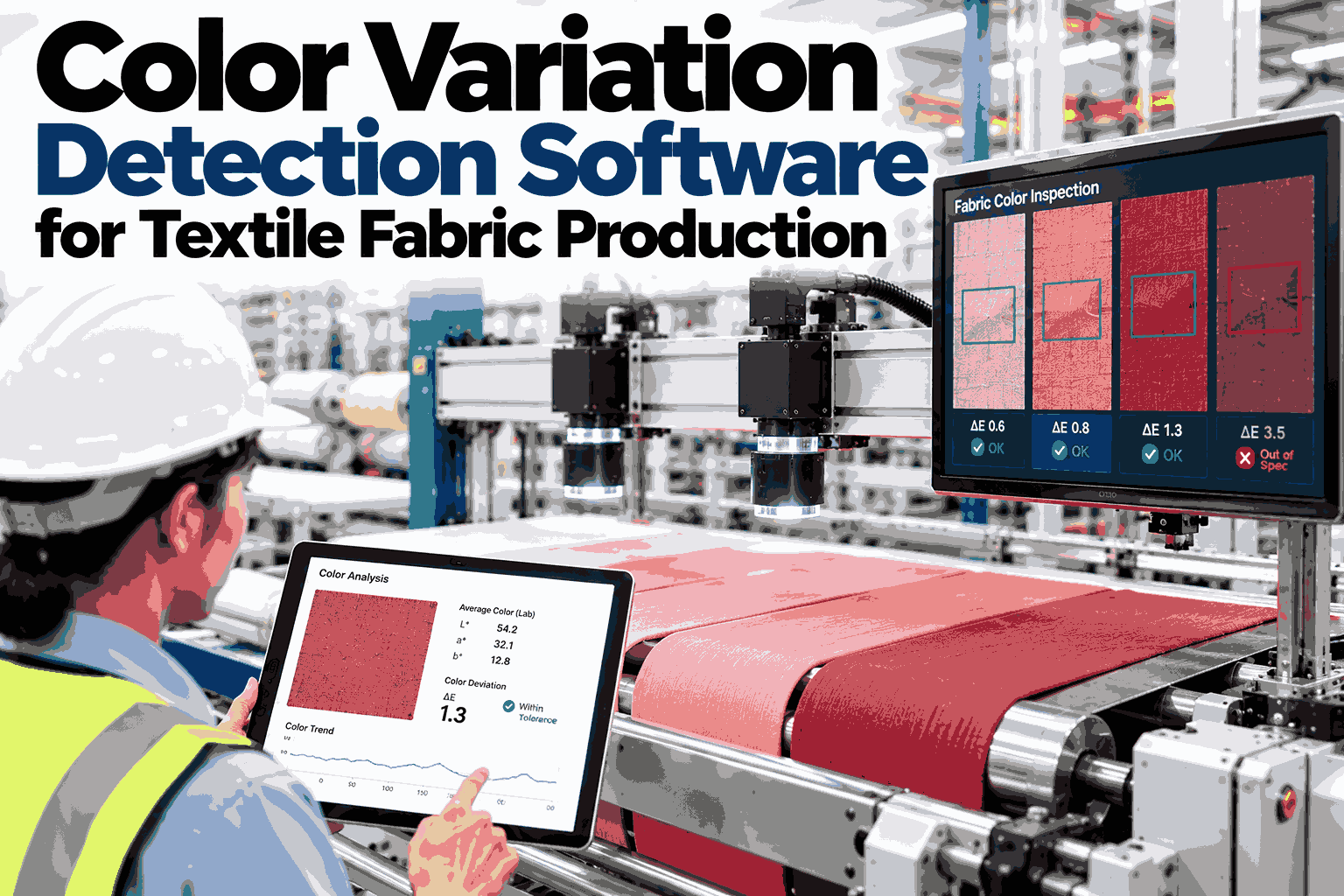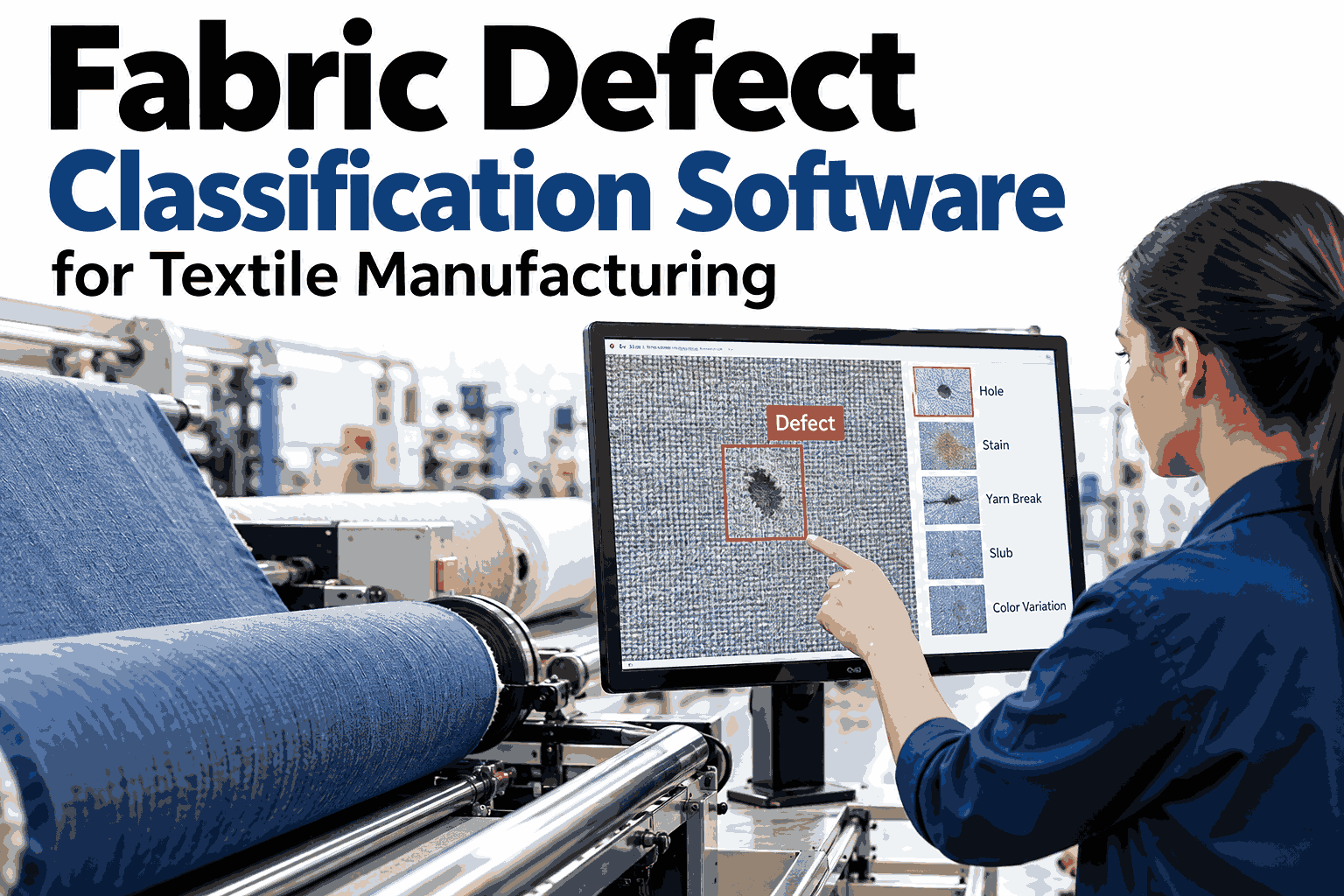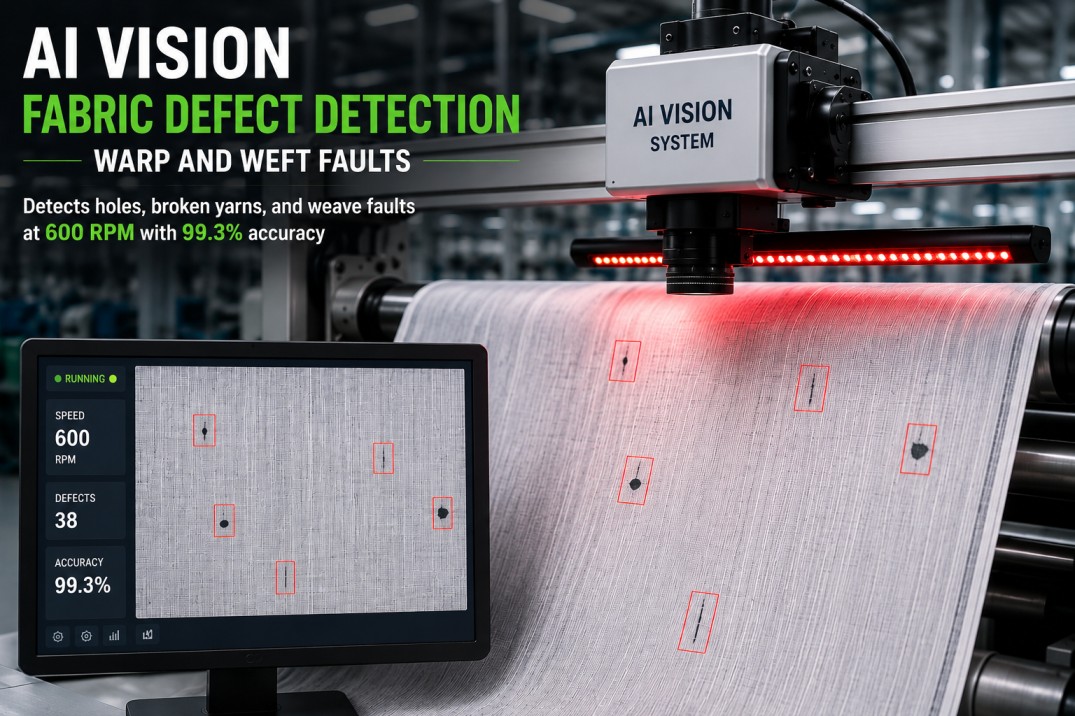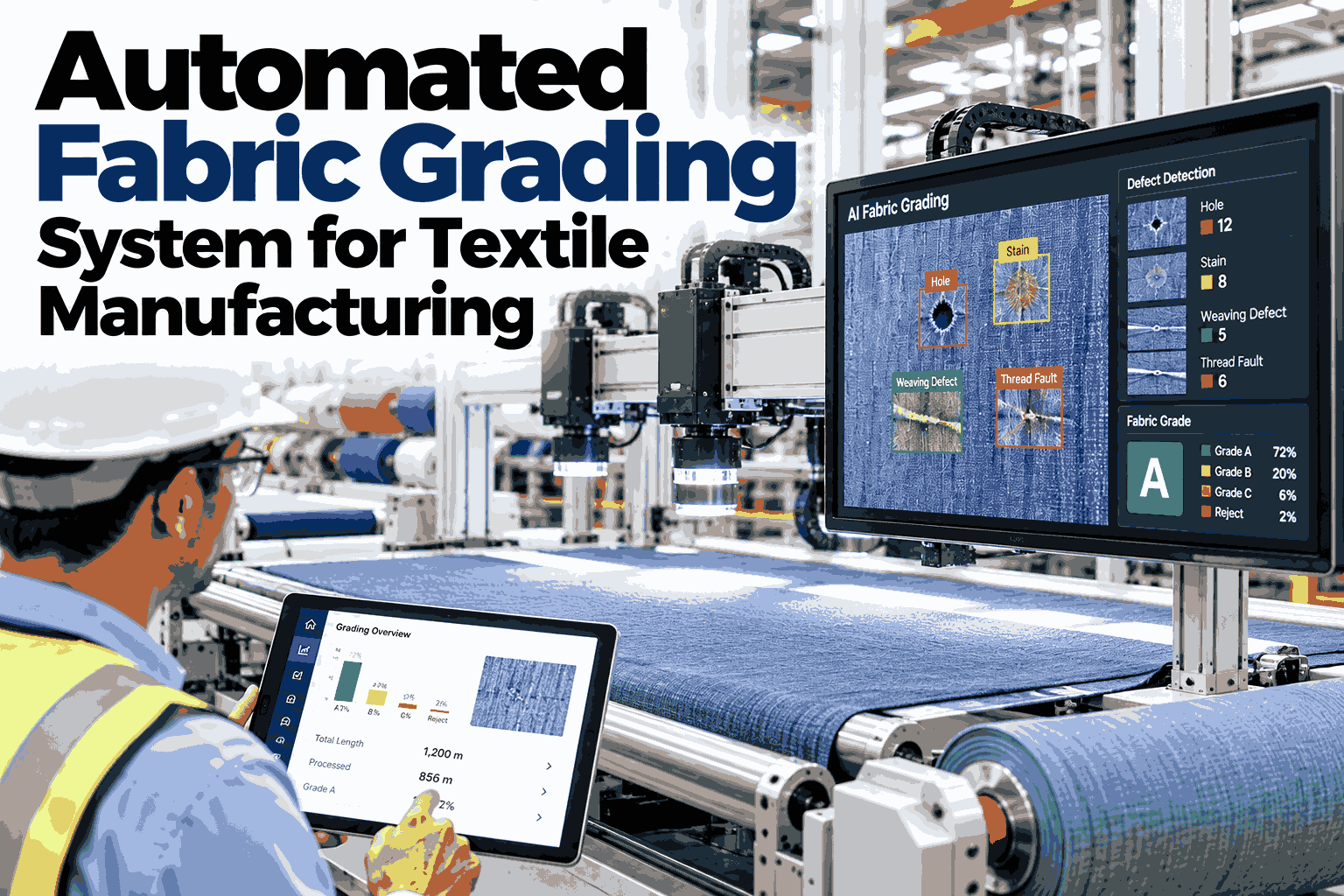
A fabric roll that leaves the mill with an undetected defect rarely stays a small problem, because the flaw travels through dyeing, cutting and sewing before anyone notices it, and by then the cost shows up as a rejected lot, a delayed shipment or a buyer chargeback. Automated fabric grading closes that gap by scanning every yard, classifying each flaw and applying the four-point scoring rules the same way on every roll, shift after shift. For textile teams comparing options in 2026, the quickest way to judge the fit is to watch a live grading walkthrough built around your own fabric types.
Grade Every Yard of Fabric Before It Becomes Someone Else's Problem
iFactory AI turns fabric inspection into a continuous, camera-based process that detects defects, classifies them, scores each roll and records the result for full traceability.
The Same Defect Costs More Every Step Further Down the Line
Fabric grading is the checkpoint that decides whether a roll is first quality, needs a discount, or should never reach the cutting table at all. The earlier a flaw is caught, the cheaper it is to deal with.
This staircase is illustrative, but the pattern is real. Every process step adds labour, dye, energy and time to a fabric that may already be compromised.
Automated grading does not remove skilled people from the process. It gives them consistent evidence, so their time goes into decisions instead of staring at moving cloth.
How the Four-Point System Turns Defects Into a Grade
The four-point system, described in ASTM D5430, assigns penalty points to each defect based on its length. A larger flaw earns more points, and a single linear yard is capped at four points no matter how many flaws it contains.
Roll quality is then expressed as points per 100 square yards, so rolls of different length and width can be compared on equal terms.
Many buyers treat about 40 points per 100 square yards as a common acceptance limit, while stricter programs set lower limits. Always confirm the threshold in your own buyer agreement.
Scoring One Roll From Scan to Pass or Fail
Numbers make the system easier to trust. Here is a simple roll, scored the way the software calculates it in the background.
Applying the formula, 52 x 36 x 100 equals 187,200, and 120 x 60 equals 7,200. Dividing the first by the second gives 26 points per 100 square yards.
This roll passes comfortably. A roll scoring above the marker would be flagged for downgrade, rework or supplier review, and the system records that decision automatically.
Find Out How Your Rolls Would Score
Share a few typical fabric styles and see how automated grading would handle your defect types, widths and buyer limits.
Where a Camera Line Beats a Tired Eye, and Where People Still Matter
The comparison is not about replacing inspectors. It is about giving them a consistent first pass so judgment calls are made on real data.
These meters are a directional comparison, not measured data. The takeaway is a partnership: software handles volume and repeatability, people handle exceptions.
What the System Learns to Recognise Across Fabric Types
A woven shirting, a jersey knit and a printed finish fail in very different ways. Good grading software organises defects by where they originate, so the fix reaches the right department.
Classification matters as much as detection. A stain and a hole may be the same size, yet they point to different machines, different causes and different corrective actions.
| Defect class | Usual source | What vision looks for | Grading handling |
|---|---|---|---|
| Broken end | Warp tension or yarn breakage at the loom | Line break along the length of the cloth | Scored by length, tagged to the loom |
| Dropped stitch | Needle or yarn feed fault in knitting | Vertical ladder or run in the knit | Scored by length, tagged to the machine |
| Oil or dye stain | Machine contact or chemical splash | Local colour or tone change | Scored by size, flagged for cut-around |
| Shade variation | Dye bath or finishing inconsistency | Gradual colour drift across the roll | Flagged for lot review and grouping |
| Hole | Mechanical damage or severe yarn fault | Open gap in the fabric structure | Maximum points, marked for removal |
From Roll Loading to a Recorded Grade in Five Steps
Automated grading works as a simple chain. Each step hands clean information to the next, so nothing depends on memory or handwriting.
Because the software shows defect images with their position in the roll, inspectors can confirm or override a call in seconds, and that feedback improves future accuracy.
Give Every Roll a Passport That Follows It Through the Plant
Once grading is digital, each roll carries a record of what was found and where. That record becomes valuable long after inspection ends.
When a buyer questions a shipment, the team can show the exact roll, the exact defects and the exact decision, instead of searching through paper sheets.
This is where grading stops being a gate and becomes a feedback loop, because defect patterns trace back to causes that production can fix. Teams that want to explore this kind of roll-level reporting can arrange a plant-specific review with the iFactory team.
A Practical Rollout Path and a Readiness Checklist
Most textile teams do best with a staged start on one line, followed by expansion once the numbers are trusted.
Before you start, a short readiness check keeps the pilot focused and the results easy to read.
What Textile Teams Ask Before Automating Fabric Grading
See Automated Fabric Grading Working on Your Own Fabric
Book a session with iFactory AI to review your defect types, grading rules and roll data, and see how textile quality software can fit your inspection floor.