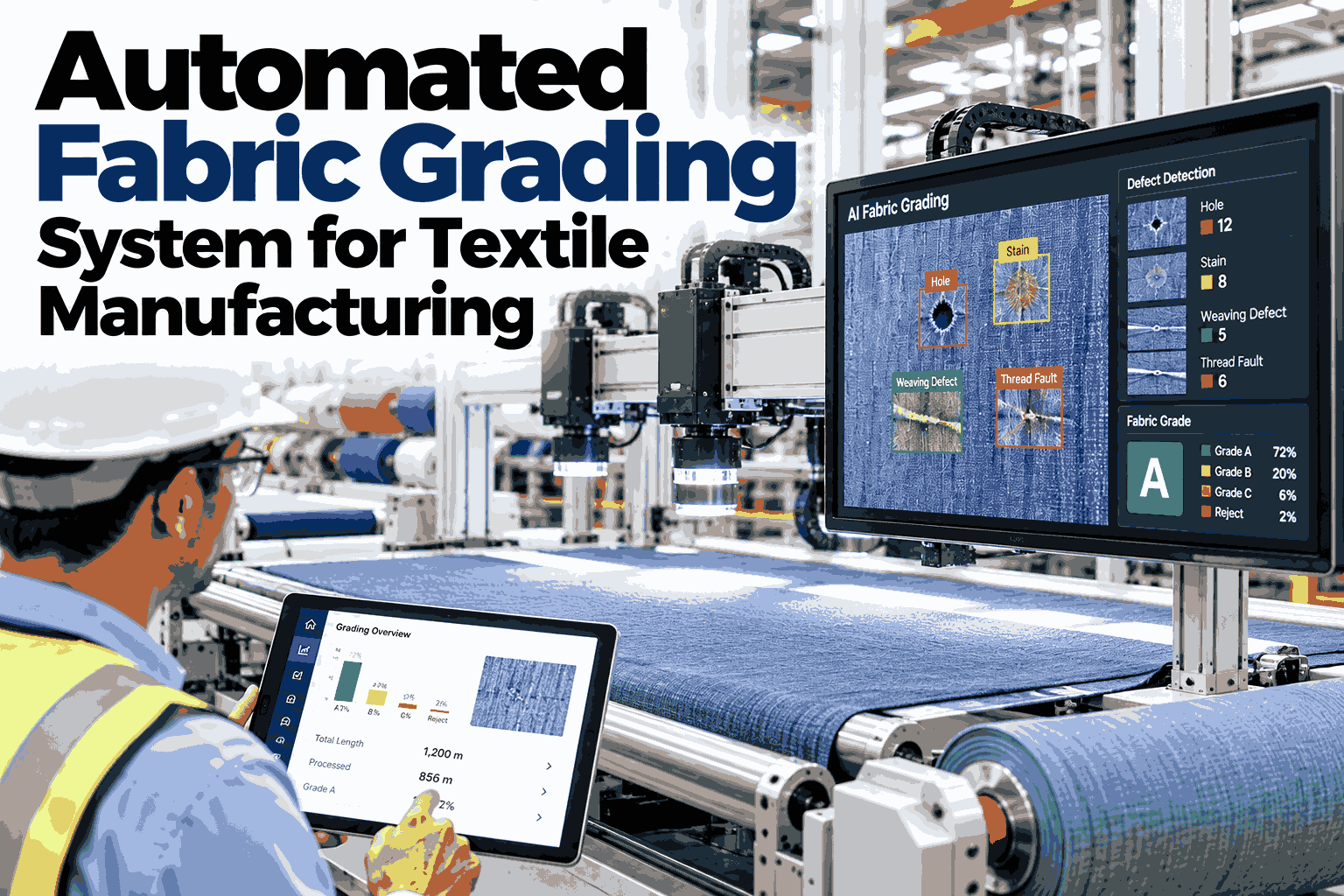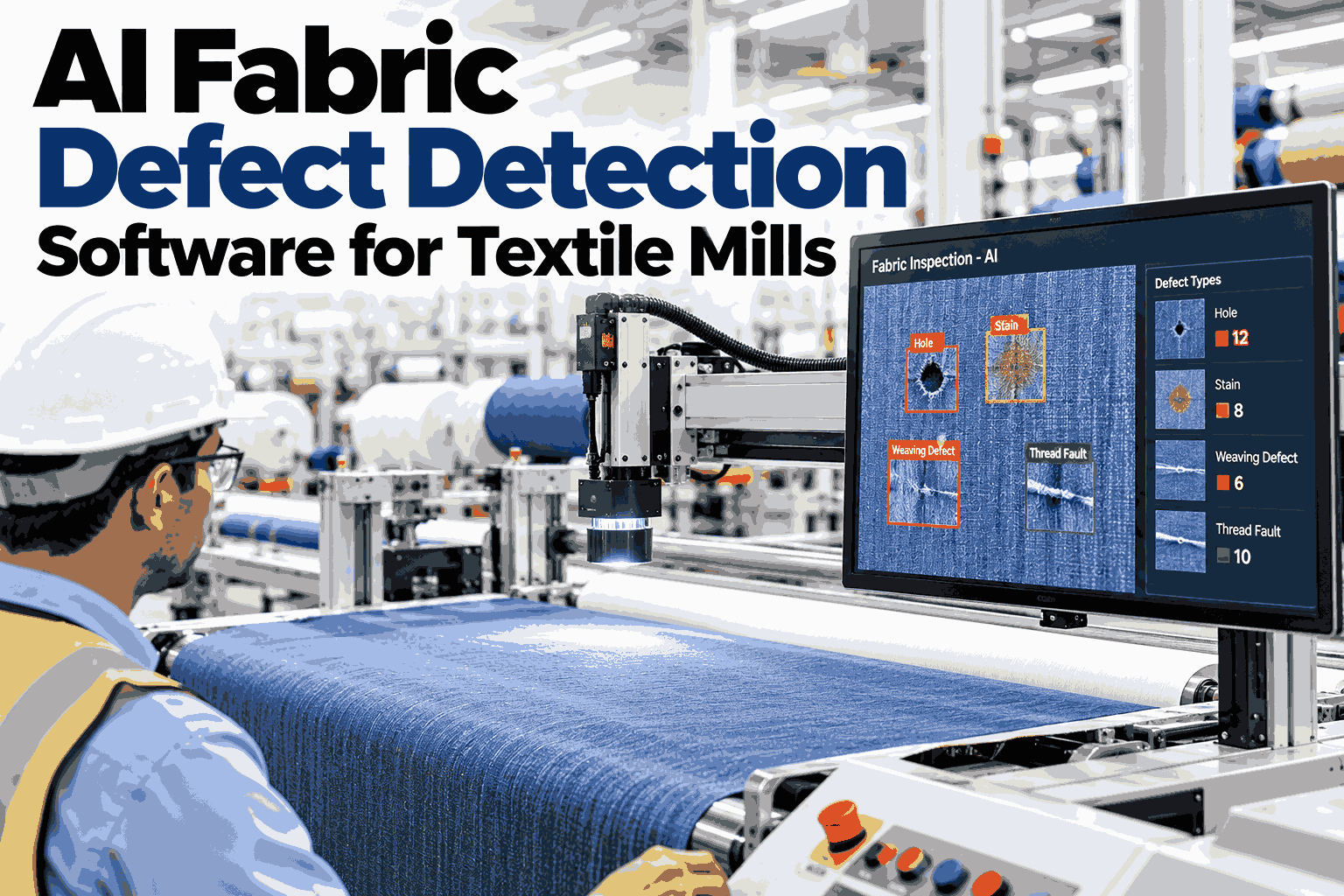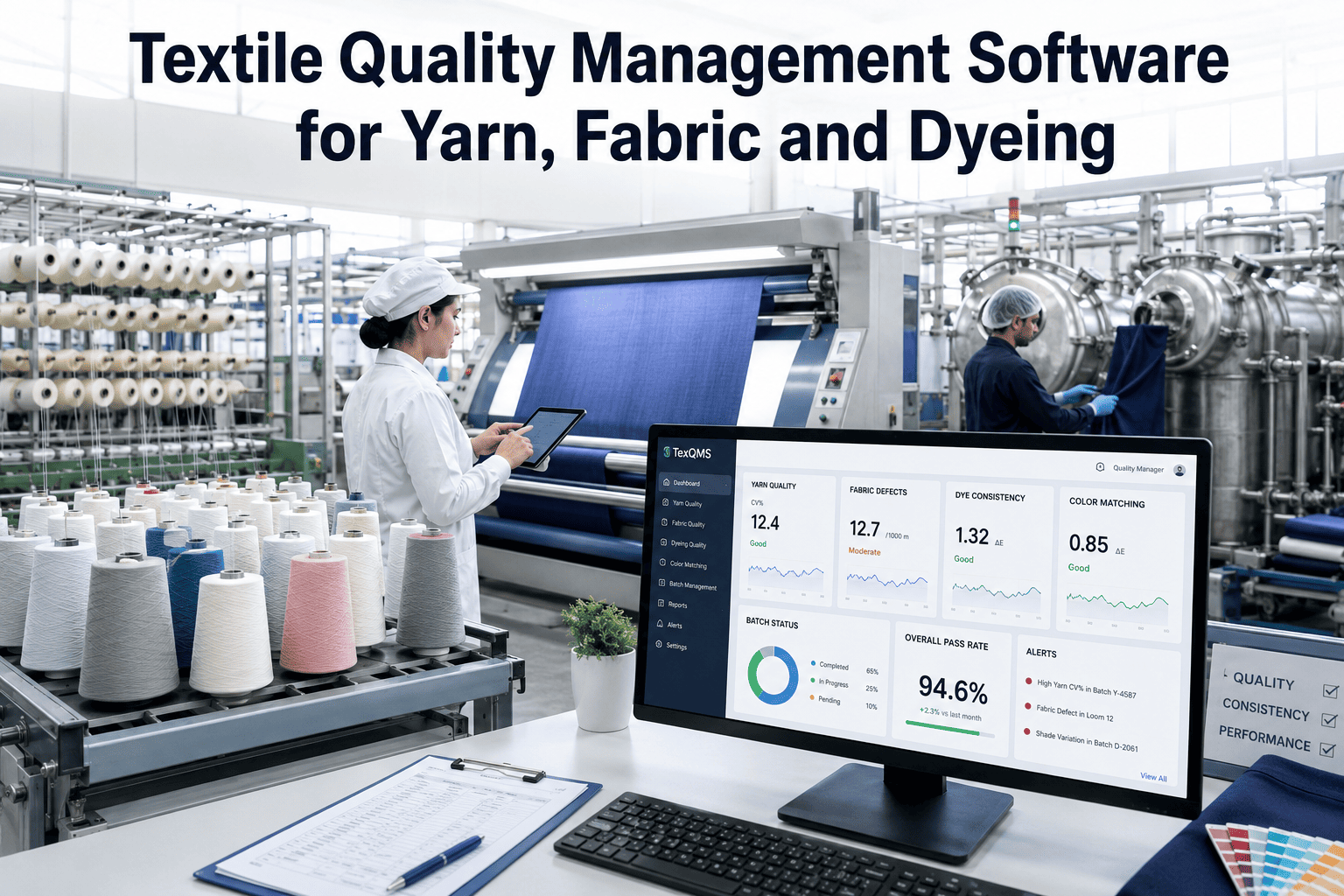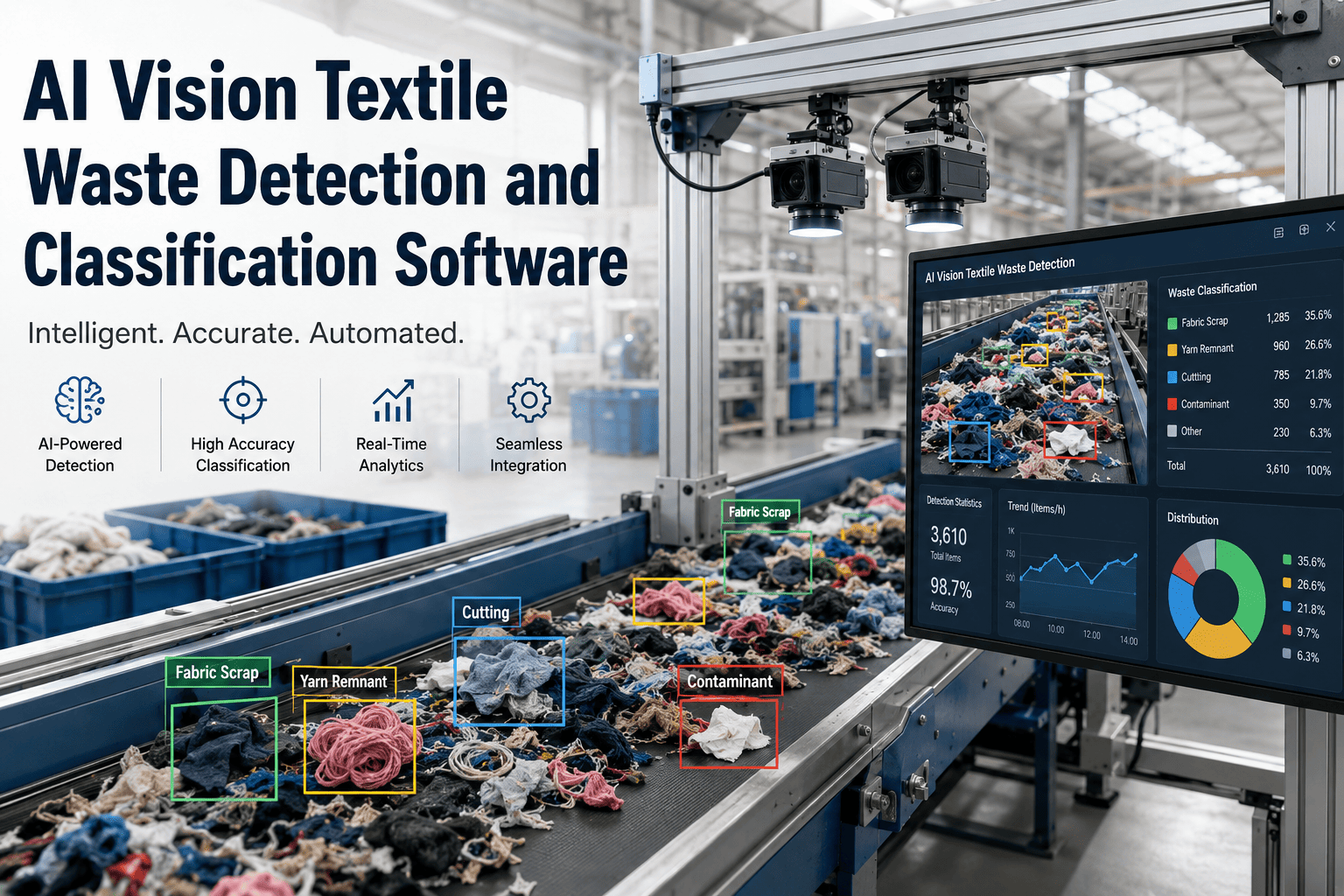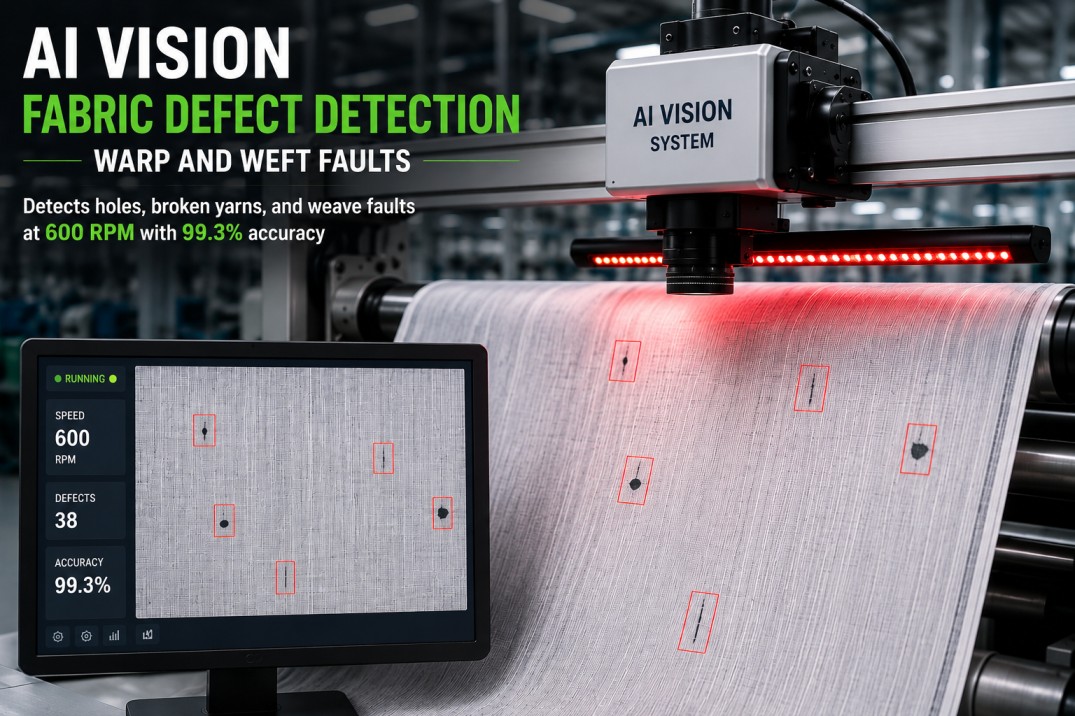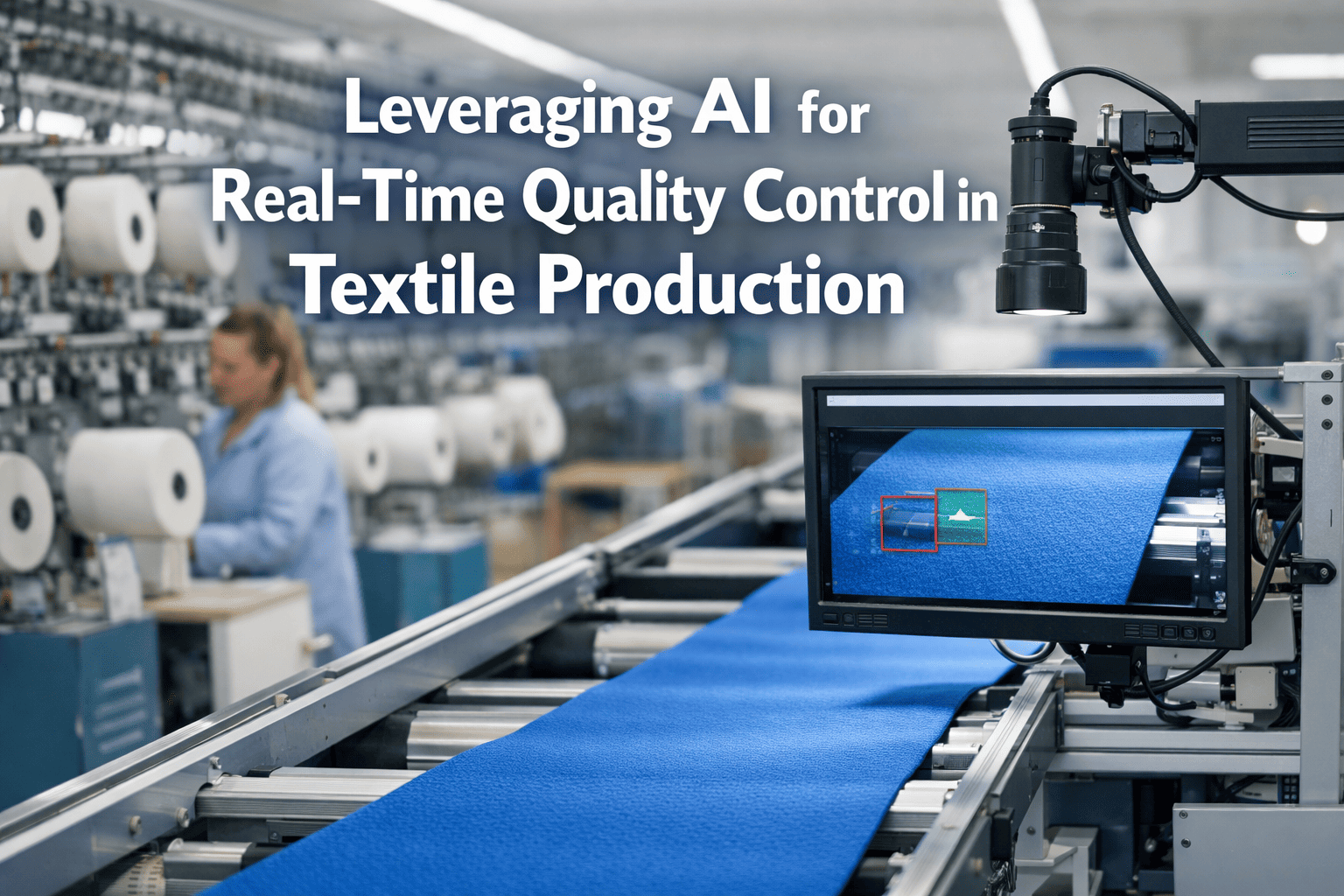
Most textile mills can already spot a flaw on a moving roll, but far fewer can say what kind of flaw it is. That gap decides whether a fault becomes a grading deduction, a loom adjustment, or a repeat complaint from the same buyer. Fabric defect classification sorts every fault into a named type, so weave, yarn, and surface problems each trace back to the right process stage. Mills building that discipline can review how iFactory AI labels faults on real fabric rolls before committing to a rollout.
Name Every Fabric Fault the Moment It Appears on the Roll
iFactory AI classifies weave, yarn, and surface faults by type, size, and position, so quality teams grade faster and process teams know exactly which machine to fix.
Weave Faults
Broken endsMissed picksFloatsReed marksStarting marksYarn Faults
SlubsNepsThick and thin placesBarreContaminationSurface Faults
HolesStainsOil spotsPillingShade variationDetection Tells You Something Is Wrong. Classification Tells You What.
A camera that only flags "defect found" creates a stop signal, not a decision. The value appears when the system also says what the fault is, how big it is, and where it sits on the roll. Each of those answers feeds a different person in the mill.
Detect
Spot an anomaly in the fabric image while the roll is moving, without slowing the inspection line.
Classify
Assign a named type such as float, slub, or oil spot, rather than a generic flaw marker.
Grade
Convert type, length, and position into penalty points that match the buyer's grading rules.
Act
Send the cause to the loom, spinning, or dyeing team while the fault is still repeating.
Textile quality is also unusually sensitive to this distinction. Two faults can look similar on a roll but come from completely different machines, and treating them the same wastes time on the wrong fix.
Three Families of Fabric Faults
A workable classification scheme starts with a small number of families. Each family points to a different part of the mill, which is what makes the label useful rather than decorative.
Faults created by the loom or knitting machine
Broken ends leave a missing warp thread. Missed picks leave a gap across the width. Floats appear when threads skip their interlacing. Reed marks show as fine streaks along the length. These almost always trace to tension, shedding, or machine setting.
Faults carried in from the yarn itself
Slubs are thick lumps, neps are tiny tangles, and thick or thin places change the fabric's density. Barre shows as repeating stripes when yarn lots differ. Contamination, such as foreign fibers, can ruin a dyed batch.
Faults added late, during dyeing and finishing
Holes, stains, and oil spots often come from handling or machine contact. Pilling reflects fiber behavior after finishing. Shade variation across the width or along the length signals dye bath or process drift.
Within each family, mills usually add their own sub-types and severity bands, because a stain that is acceptable on a dark fabric can be a reject on a white one. See classification running on a live fabric feed to understand how those local rules are set.
Where an Unclassified Defect Costs the Most
The same fault becomes more expensive the later it is understood. This relative scale is illustrative, but the direction is consistent across textile operations.
See Your Own Fabric Faults Classified
Book a 30-minute session and iFactory AI will walk through how your weave, yarn, and surface faults would be labeled, graded, and routed to the right team.
Grading Rolls with the Four-Point System
Many buyers grade rolls with the four-point system, which converts each fault into penalty points based on its length. Classification makes the count automatic and consistent from one inspector to the next.
Manual grading depends on how long an inspector chooses to measure a fault and whether a borderline flaw is counted. Automated classification applies the same rule to every roll, which reduces disputes at the receiving end.
From Camera Frame to Classified Fault
Behind a classified fault is a short chain of steps. Each one affects how trustworthy the final label is.
Imaging under controlled light
Consistent lighting matters more than camera count. Backlight shows holes and thin places, while front light shows stains and surface texture.
Pattern-aware analysis
The model learns the normal pattern of each fabric, so a printed or textured design is not mistaken for a defect.
Type and size labeling
Each flagged area receives a defect type, a length, and a position across the width and along the roll.
Grade calculation
Labels convert to penalty points under the grading system the buyer specifies, with a running total per roll.
Feedback to the process
Repeating faults raise an alert for the relevant machine, so the cause is addressed while production continues.
Mapping Each Fault Back to Its Process Stage
A label is only useful if it points to a stage. This matrix shows where common faults usually start, so teams know where to look first.
| Fault | Spinning | Weaving or Knitting | Dyeing and Finishing | First Check |
|---|---|---|---|---|
| Broken end | Possible | Primary | Warp tension and yarn strength | |
| Float | Primary | Shedding and harness setting | ||
| Slub | Primary | Yarn clearer settings | ||
| Barre | Primary | Possible | Possible | Yarn lot mixing |
| Oil spot | Primary | Possible | Machine lubrication points | |
| Shade variation | Possible | Primary | Dye bath and temperature control | |
| Pilling | Possible | Primary | Finishing and fiber blend |
A Composite Scenario: The Reject Pile Labeled "Other"
Consider a woven fabric mill whose weekly reject report grouped a large share of faults under a single "other" heading. Inspectors were busy, and detailed labeling slowed the line.
Once the biggest labeled group turned out to be a repeating float on two looms, the fix was a shedding adjustment rather than a broad quality review.
How iFactory AI Handles Textile Classification
iFactory AI brings classification, grading, and process feedback together, so the label on the screen becomes an action on the floor.
Type-Aware Labels
Faults are named across weave, yarn, and surface families, with sub-types tuned to your fabrics.
Pattern Learning
Printed, striped, and textured designs are learned as normal, which cuts false alarms.
Automatic Grading
Penalty points are calculated per roll under the grading system each buyer requires.
Repeat Fault Alerts
A fault that recurs at the same position triggers a notice for the machine owner.
Human Review Loop
Uncertain faults go to an inspector, and each decision improves later labeling.
Roll Traceability
Every roll keeps its fault map, so a buyer query can be answered with evidence.
iFactory AI arrives pre-configured on an NVIDIA server that ships racked and ready with software pre-loaded. Rack it, connect power and Ethernet, and fabric classification begins. Scope covers cabling, network, ERP and MES integration, inspector training, and 24×7 remote monitoring.
Six Questions to Ask Any Fabric Classification Software
Vendors can look alike in a demo. These questions separate software that labels faults from software that only draws boxes around them.
Does it name faults or only flag them?
Ask to see a roll report with defect types, sizes, and positions listed.
Can it handle patterned fabrics?
Test it on your busiest print or weave, not a plain sample.
Does it match your grading rules?
The four-point, ten-point, or a custom buyer scheme should all be supported.
How does it treat uncertain cases?
Look for a review step instead of a forced guess.
Does it connect to the process?
A label should reach the machine owner, not stay inside a report.
Who runs it after go-live?
Check for training and remote monitoring so quality does not depend on one person.
Frequently Asked Questions
How is defect classification different from defect detection?
Detection finds that something is wrong on the fabric. Classification goes further by naming the type, measuring its size, and recording its position. That extra detail drives grading and tells process teams which machine to inspect. Watch a classified roll walkthrough to see the difference.
Can it work on printed or patterned fabrics?
Yes, provided the system learns the normal pattern first. Printed, striped, and textured designs are taught as acceptable variation, so only real departures are flagged. Complex prints usually need more sample rolls during the pilot phase to reach stable accuracy.
Does it support the grading system our buyers use?
Classification output can be converted into the four-point system, other point-based schemes, or a custom buyer rule set. Because every fault carries a type, length, and position, the same data can be graded differently for different customers without re-inspecting the roll.
What happens when the system is not sure about a fault?
Uncertain faults are routed to an inspector instead of being forced into a category. The inspector's decision is recorded and used to refine later labels, so accuracy improves on the exact fabrics your mill runs. Ask the support team how review thresholds are set for your lines.
How long does a rollout take?
A typical turnkey deployment goes live in six to twelve weeks. The first weeks cover hardware, networking, and data connections, the middle weeks teach your fabrics and defect types in a pilot, and the final weeks cover go-live and inspector training.
Turn Every Fabric Fault into a Clear Next Step
iFactory AI classifies weave, yarn, and surface faults, grades each roll, and tells the right team what to fix. Book a walkthrough to see it against your own fabrics and buyer rules.