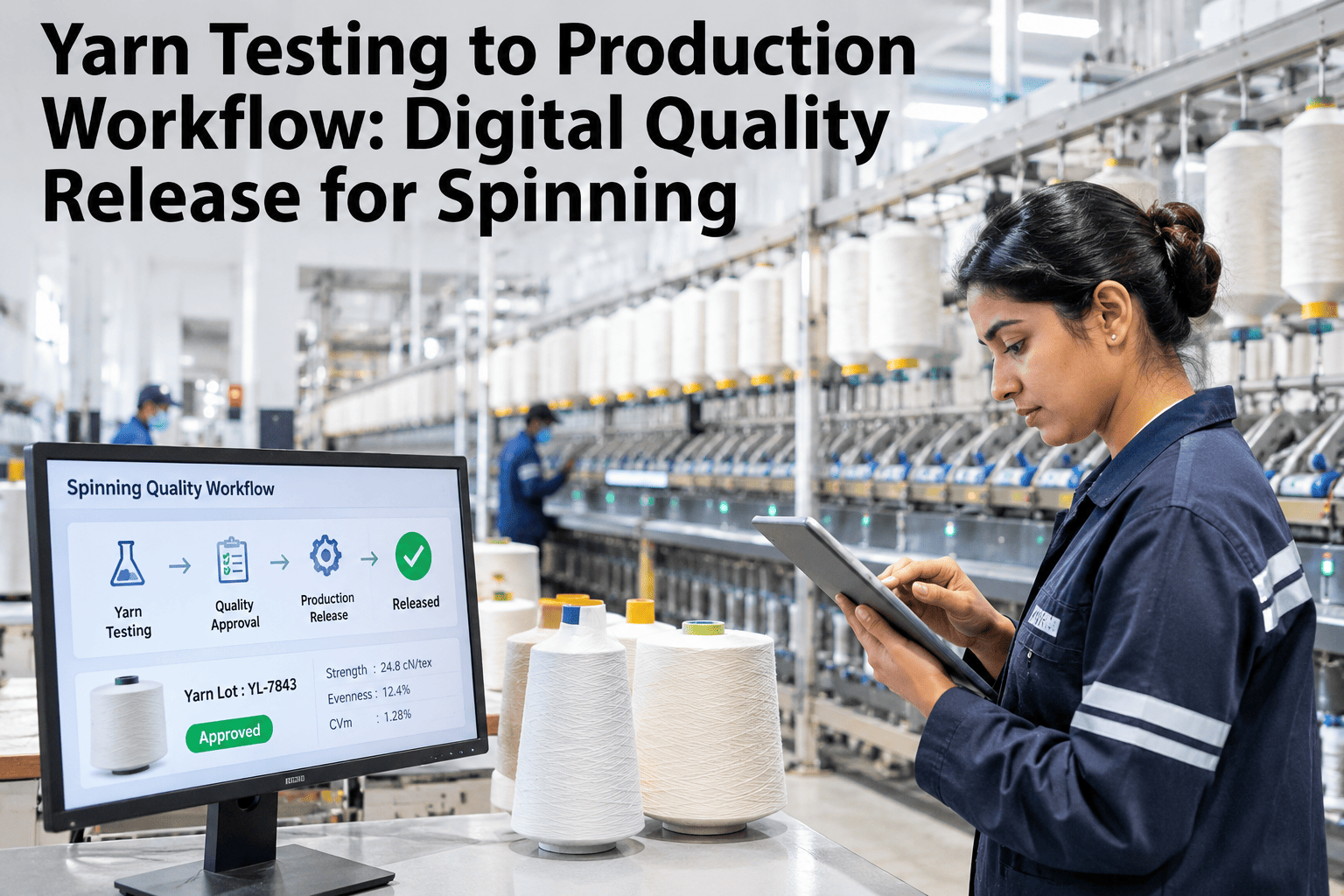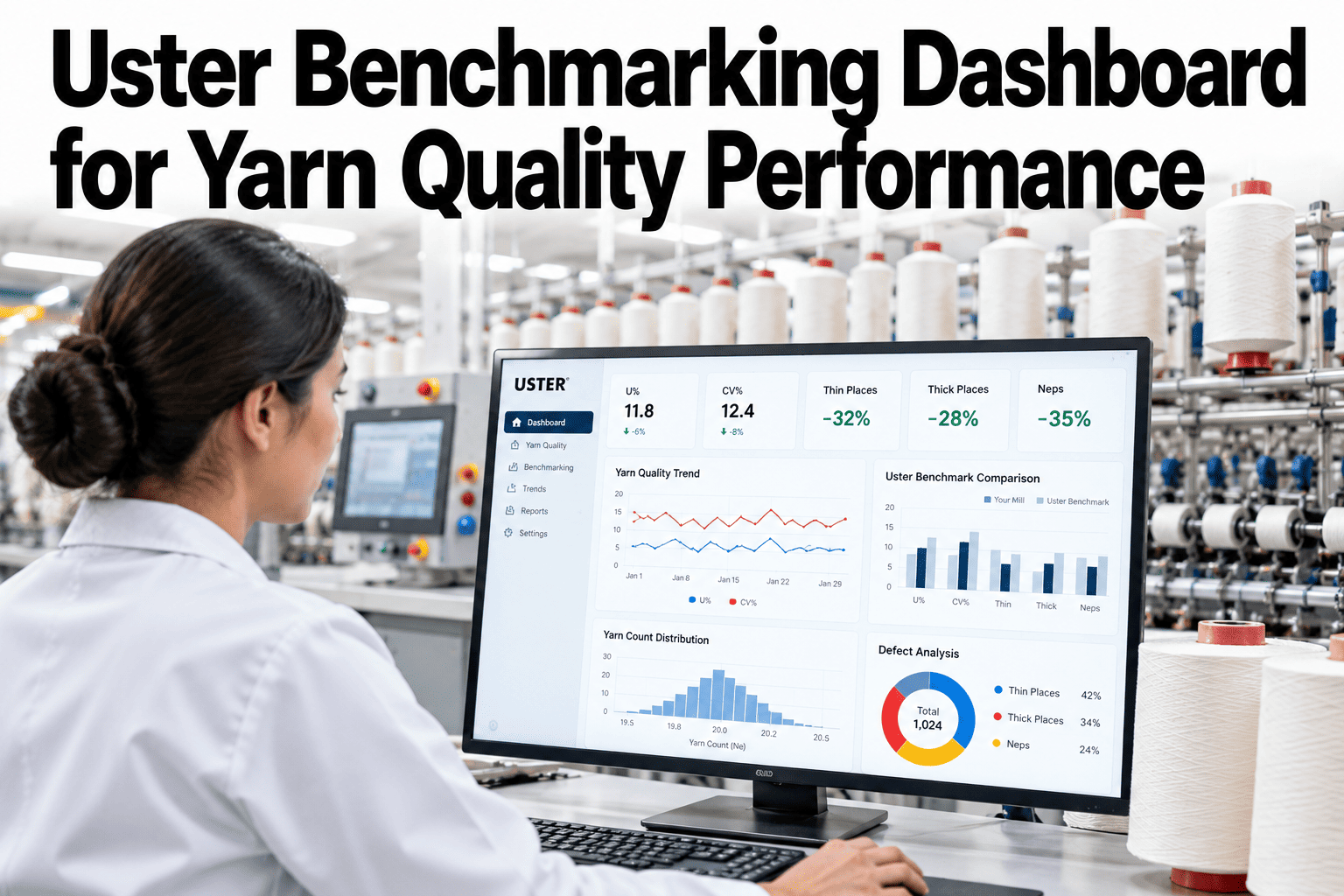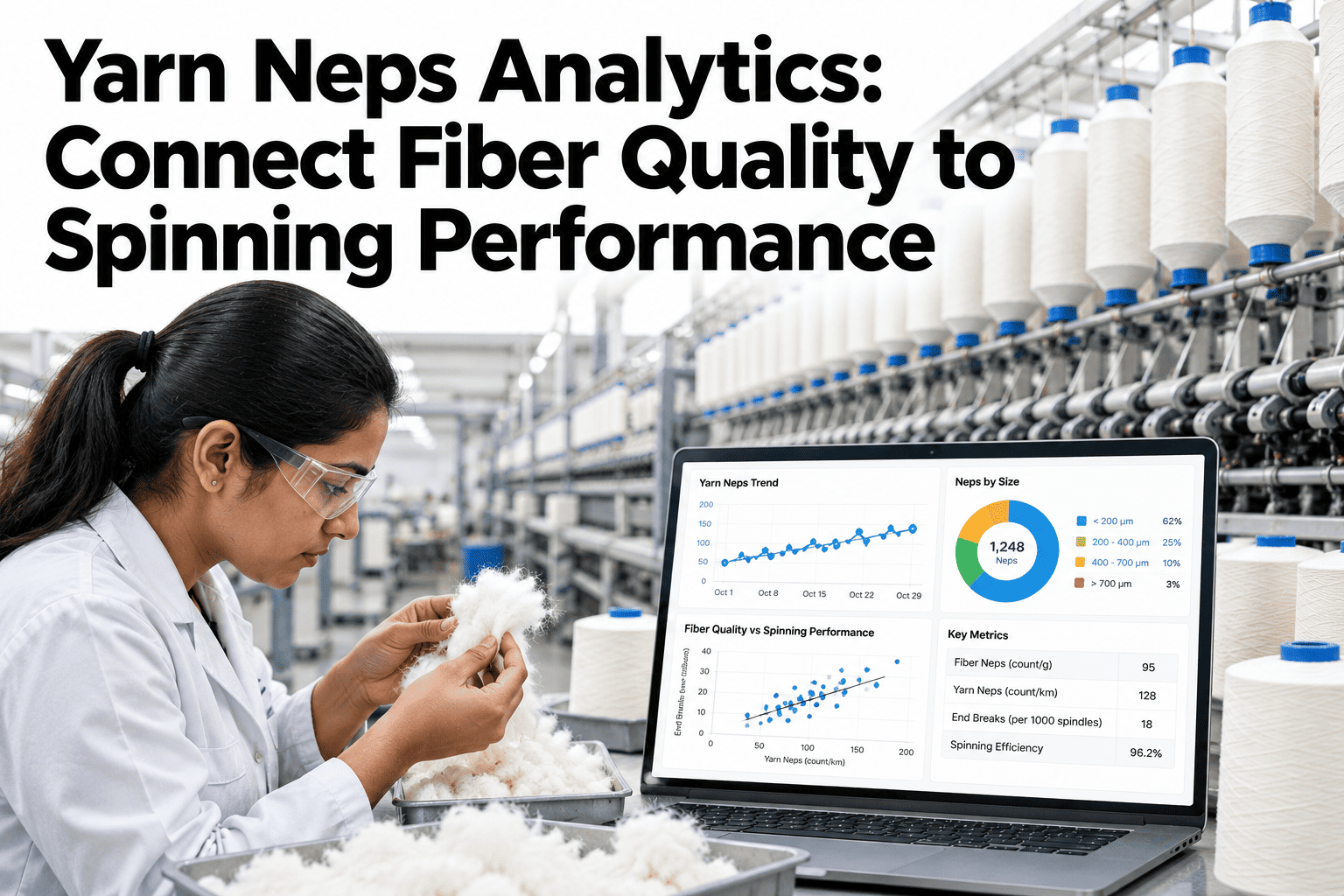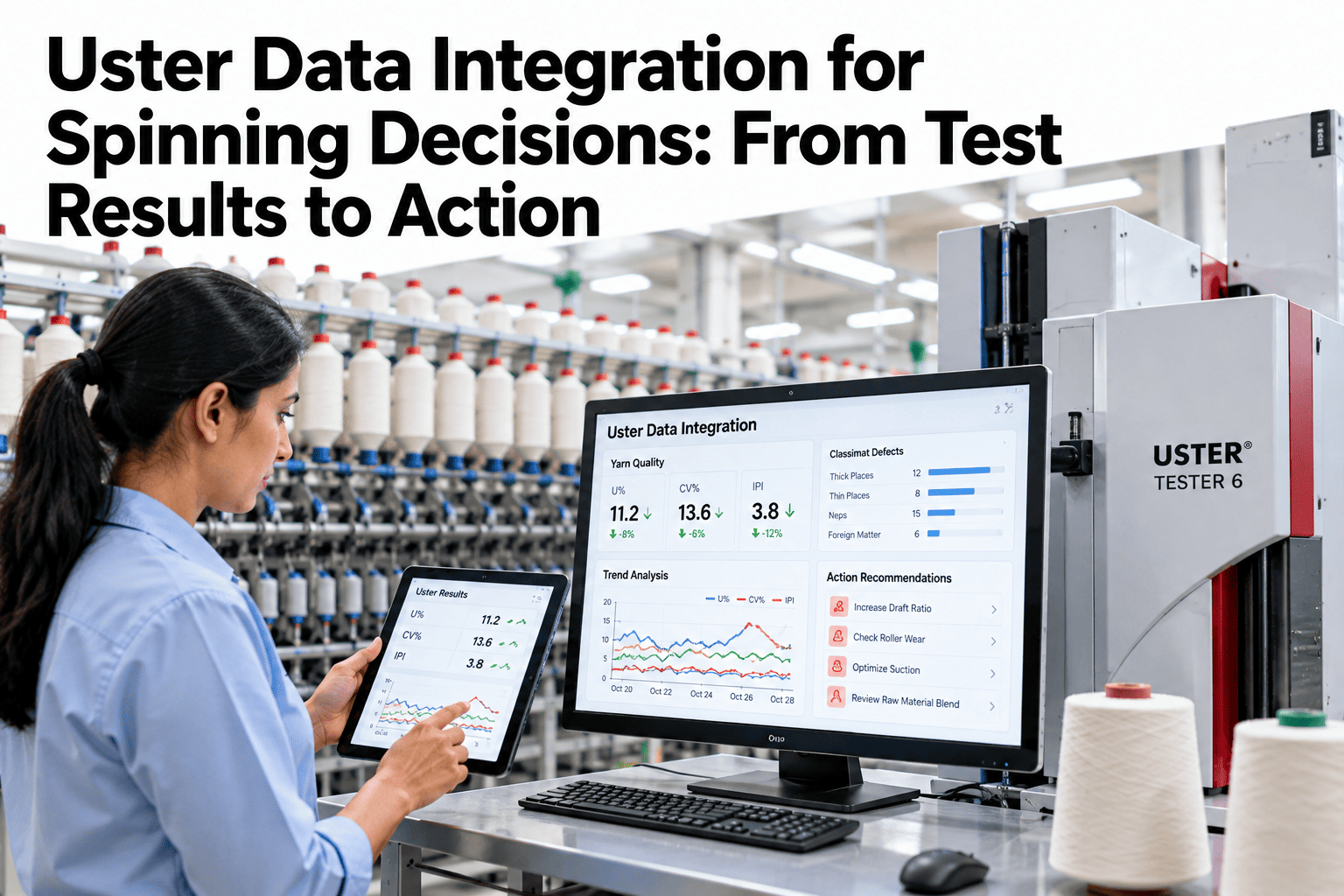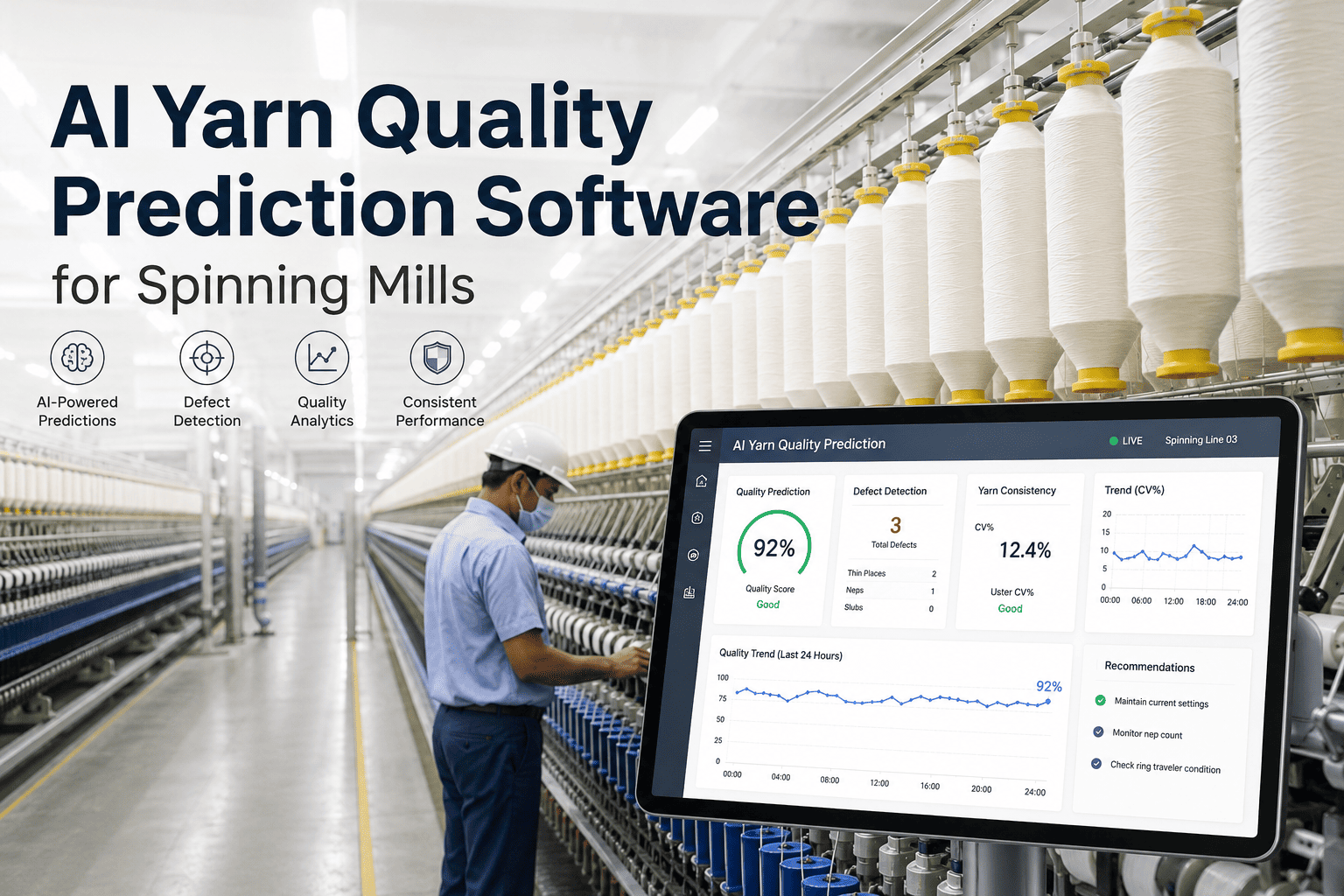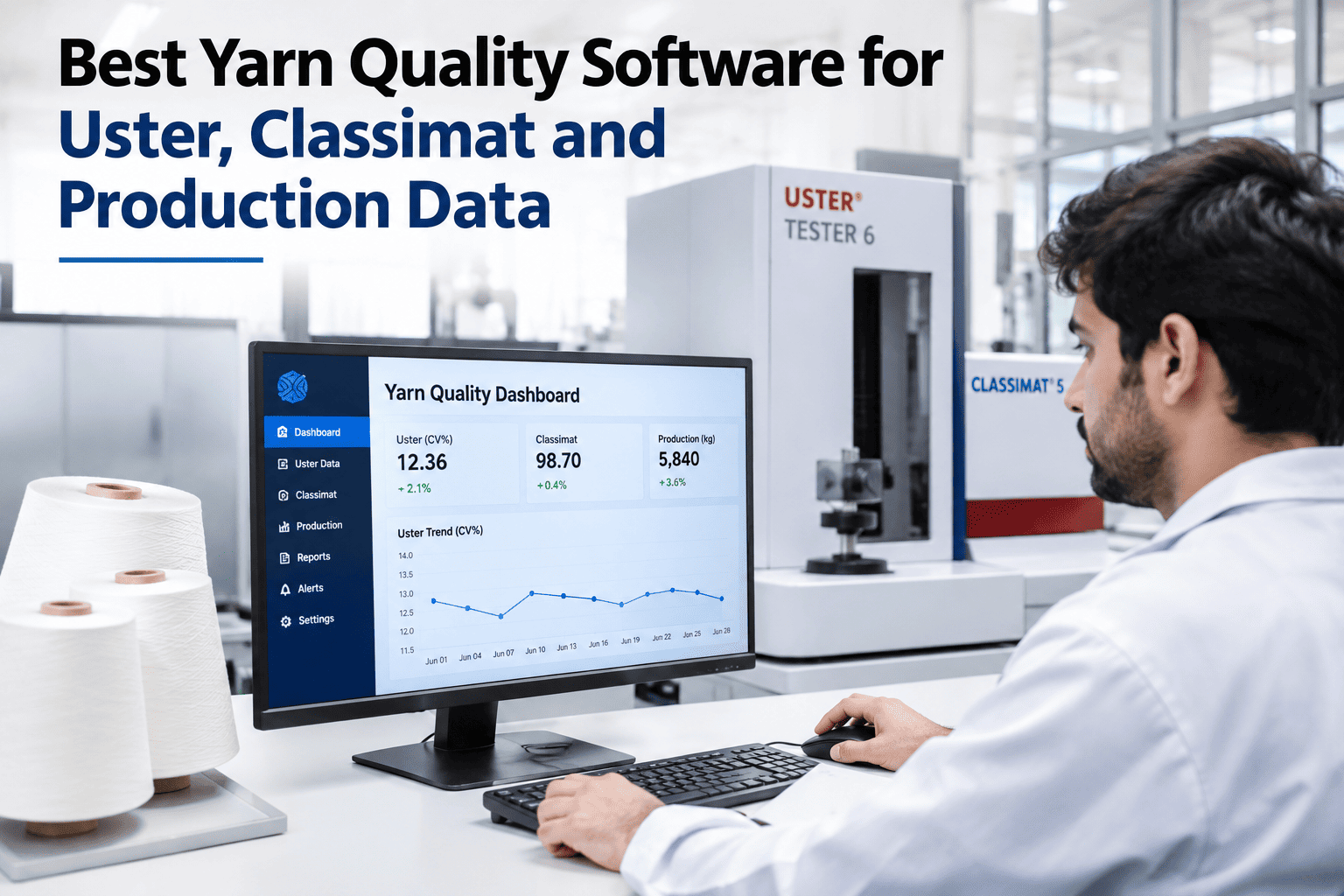
Uster and Classimat generate detailed yarn quality data, but in most mills that data stays inside the lab's own software, disconnected from the machine and production records that would explain why a specific result came out the way it did. Yarn quality software earns its keep by pulling Uster and Classimat data together with machine, shift and lot information so a quality result becomes something a mill can act on, not just file. Spinning mills comparing software for this can review a connected Uster and Classimat setup against their own lab with iFactory AI.
Uster and Classimat Data Shouldn't Stay Locked Inside the Lab
iFactory AI connects Uster and Classimat results to machine, shift and lot data, correlation and benchmarking that turn lab output into production decisions.
What Stays Siloed Without a Connected Platform
Uster and Classimat software is excellent at generating detailed test results, but neither is designed to automatically correlate those results against which machine, shift or lot produced the yarn — that connection has to be built separately.
What a Connected Platform Actually Adds
| Capability | Siloed lab software | Connected platform |
|---|---|---|
| Machine correlation | Not available without manual cross-reference | Automatic — results tied to machine and shift |
| Benchmarking | Compare only within the lab's own history | Compare across machines, shifts and lots |
| Traceability | Separate from production records | Linked to the lot it came from |
See What Connecting Your Lab Data Would Reveal
Share recent Uster and Classimat exports and a short session will show what correlation with production data uncovers.
A Composite Scenario: The Correlation the Lab Software Couldn't Show
A mill's Uster results showed a specific spindle group consistently testing slightly worse than others, but the lab software had no way to connect that pattern to anything beyond the raw numbers. Pulling the same Uster data into a connected view alongside machine and maintenance records immediately showed that spindle group was overdue for a roller replacement, a correlation obvious once the two data sources sat side by side but invisible while they stayed separate. Fixing the rollers brought that group's results back in line with the rest of the mill — a connection iFactory AI's team can help build between your own lab and production systems.
Why Benchmarking Across Machines Matters More Than a Single Pass/Fail
A single Uster result passing its specification tells you that one test passed. Benchmarking results across machines and shifts shows whether some equipment or crews consistently produce better quality than others, a pattern that only becomes visible once results are compared systematically rather than reviewed one at a time.
Frequently Asked Questions
Turn Your Lab Data Into Production Decisions
iFactory AI connects Uster and Classimat results to machine, shift and lot data for correlation and benchmarking. Book a walkthrough with your own lab.