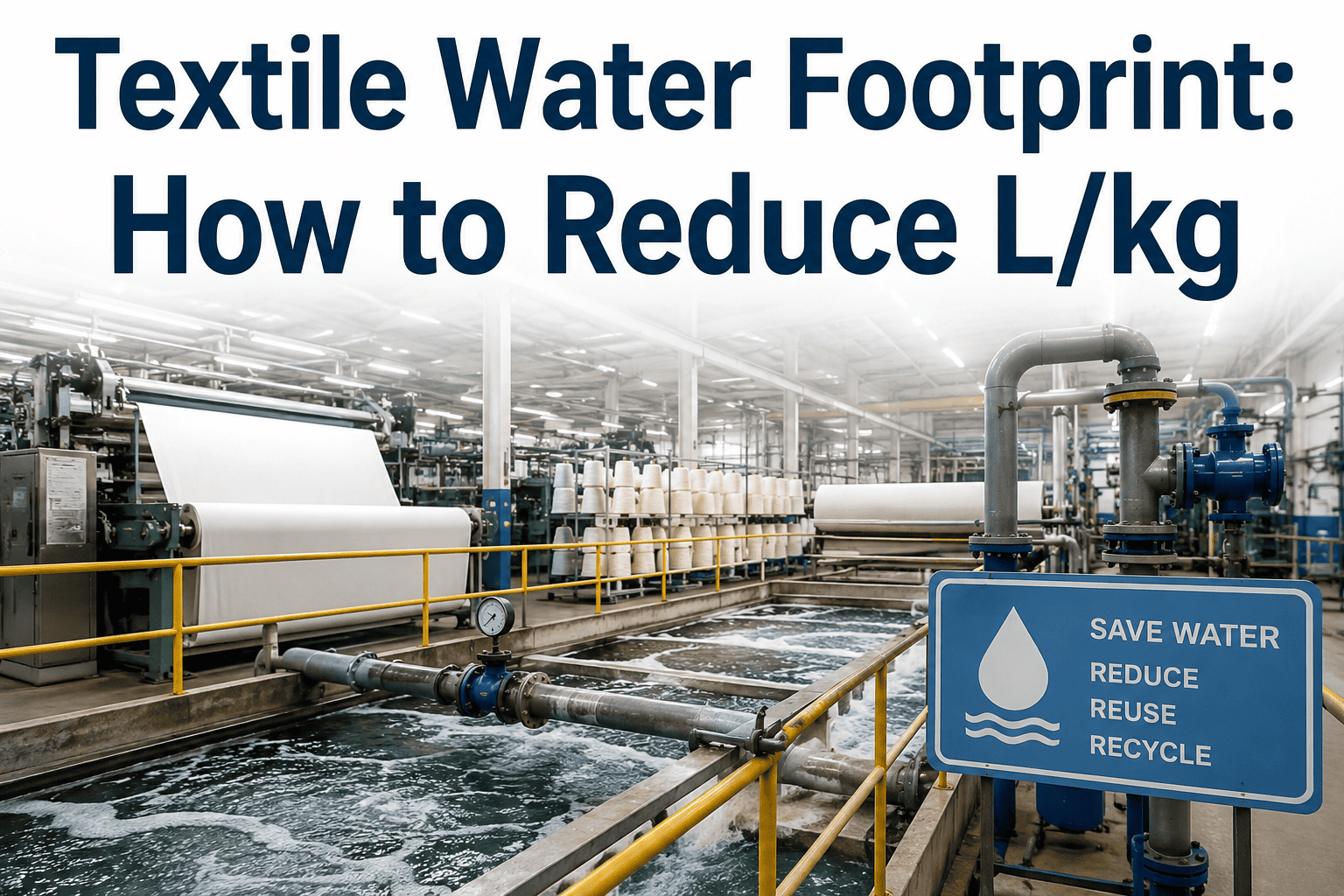
A single kilogram of dyed fabric can consume anywhere from 50 to well over 150 liters of water once dyeing, washing, and rinsing are all counted, and in water-stressed regions that number has become the single biggest regulatory and reputational risk a dye house carries. Zero liquid discharge compliance is no longer a future requirement in many manufacturing regions — it is the current condition for operating a license, and mills that treat water management as an afterthought inevitably find themselves scrambling under audit pressure. iFactory gives dye houses the real-time water tracking needed to manage consumption, recycling, and compliance as one connected system rather than three separate reports.
Dye House Water Management: Consumption, Recycling, and ZLD Compliance
Water footprint per kilogram of fabric, membrane treatment performance, and condensate recovery all need to be visible together — not buried in separate utility, effluent, and production reports.
Where Water Actually Goes in a Dye House — And Where It's Wasted
Water consumption in a dye house rarely comes from one obvious source. It accumulates across pretreatment rinses, the dye bath itself, multiple post-dye washing stages, and steam generation, and most of the recoverable water sits in the stages mills think about least: rinse water and condensate.
30-35%
Pretreatment Rinsing
Multiple hot and cold rinse cycles after desizing, scouring, and bleaching
25-30%
Dye Bath and Post-Dye Wash
Dye liquor preparation plus soaping and fixation rinse stages
15-20%
Steam Generation and Condensate Loss
Boiler feed water where uncaptured condensate is discharged rather than returned
15-20%
Utility, Cleaning and Miscellaneous
Floor washdown, equipment cleaning, and general facility utility use
Zero Liquid Discharge: What Compliance Actually Requires
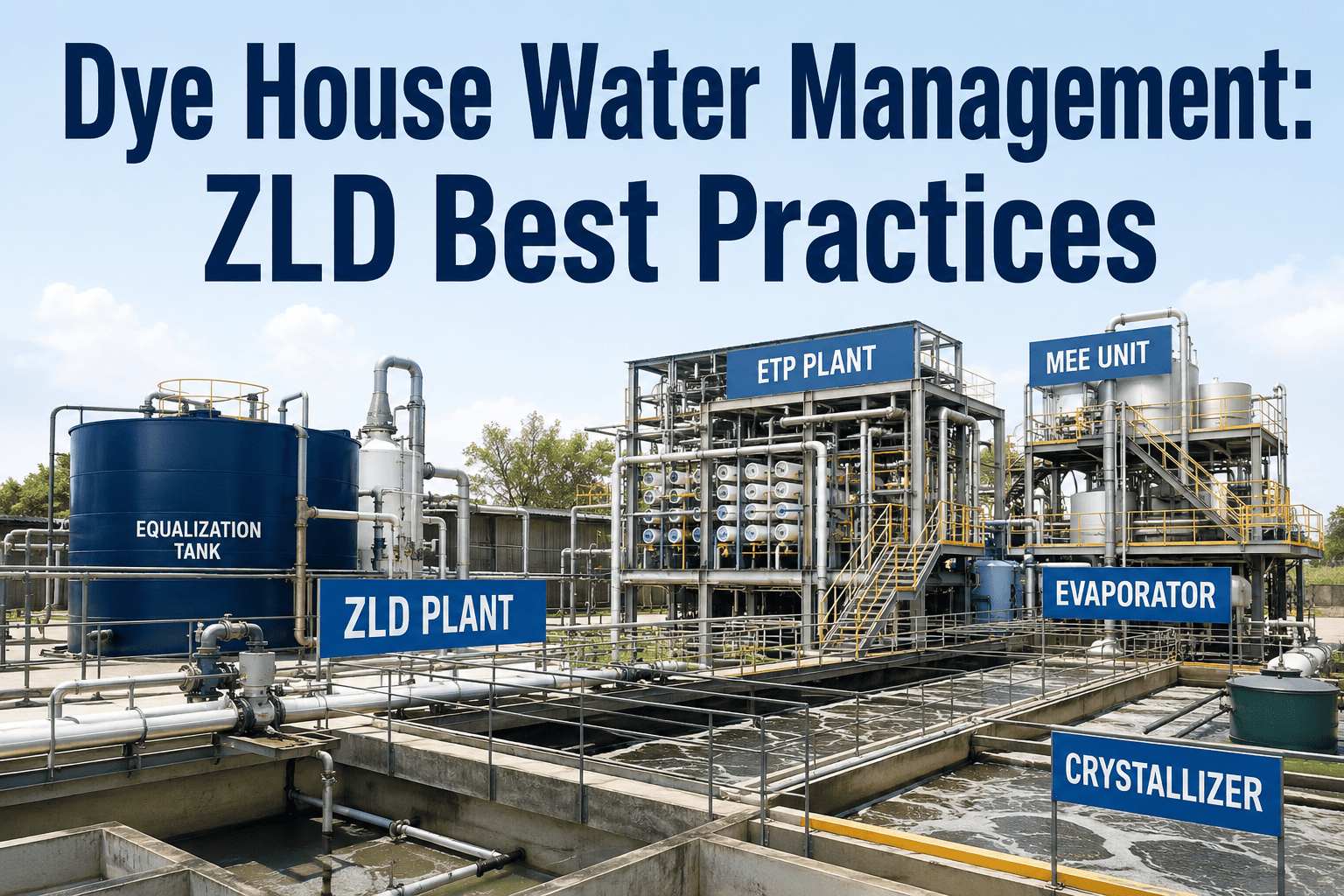
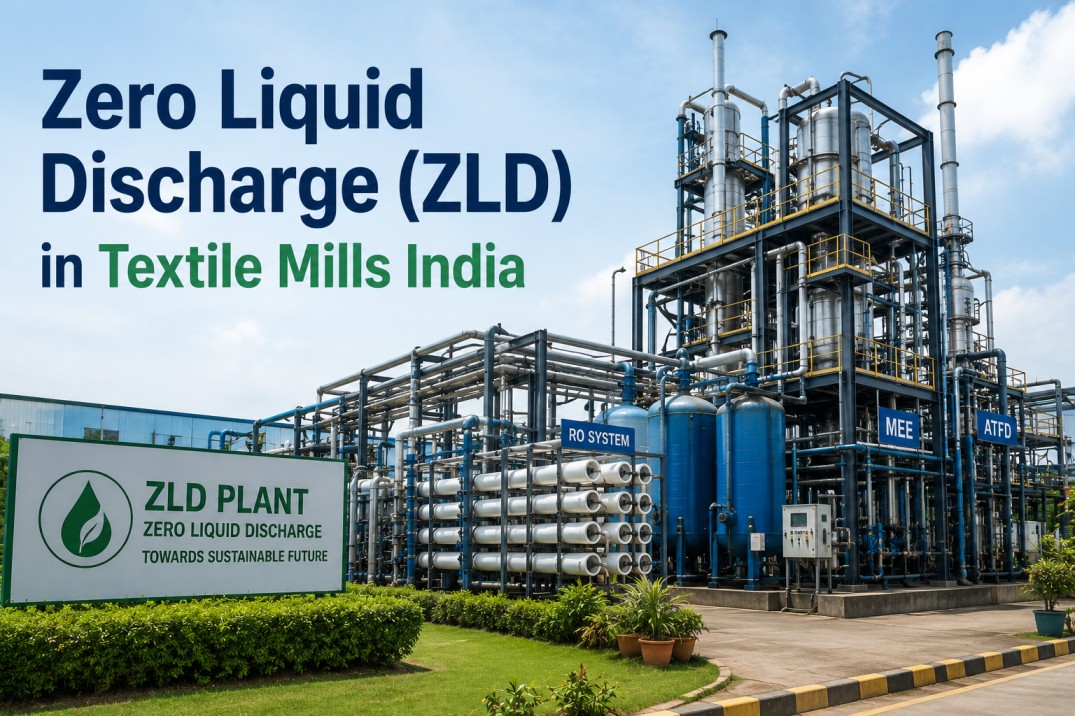
ZLD compliance means treating effluent to a standard where all water is either recycled back into the process or evaporated, leaving no liquid discharge to the environment. Reaching that standard requires a multi-stage treatment train, and skipping stages to save capital cost usually just relocates the cost into non-compliance penalties and shutdown risk later.
Scroll to view treatment stages
Before and After: What Changes When Water Is Actively Managed
Without Active Water Monitoring
Water consumption is tracked monthly at the utility meter level, with no visibility into which specific process stage is driving usage
Condensate from steam generation is discharged rather than captured, wasting both water and the thermal energy it carries
Membrane treatment performance is checked reactively, often only after a compliance report flags an exceedance
Recycled water quality is assumed rather than measured batch by batch before reintroduction to the dye bath
With iFactory Water Management
Water use is tracked per process stage and per kilogram of fabric produced, isolating exactly where consumption exceeds target
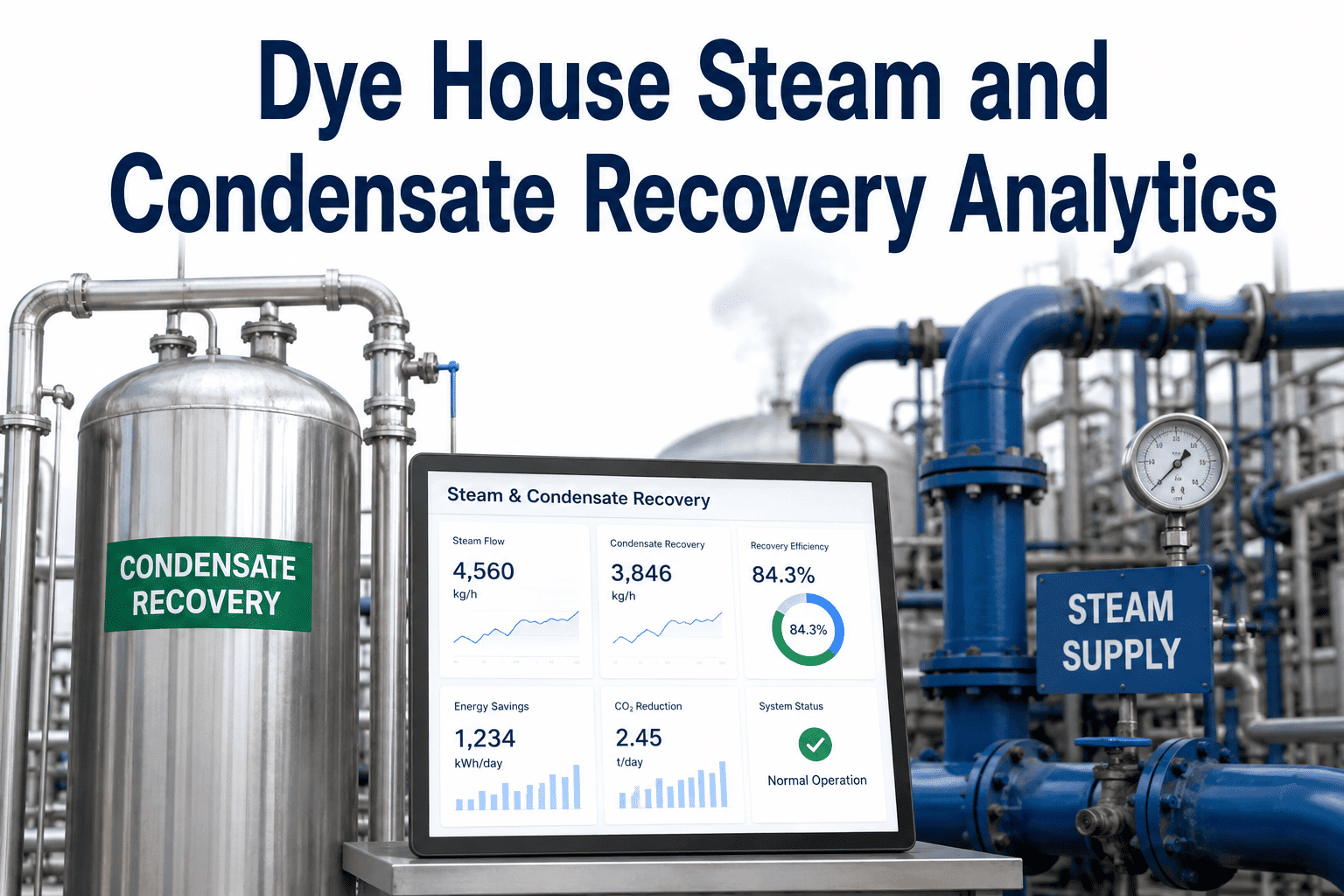
Condensate recovery rate is monitored continuously, flagging leaks or bypassed traps that silently increase both water and fuel cost
Membrane performance — flux rate, rejection rate, and fouling trend — is tracked continuously to schedule cleaning before failure
Recycled water quality is verified against process-specific tolerance before reuse, protecting shade consistency in the next dye batch
Turn Your Water Compliance Reporting Into a Real-Time Dashboard
iFactory connects meters, membrane sensors, and condensate recovery data into one continuously updated view, so compliance reporting reflects what's actually happening on the floor rather than a monthly reconstruction.
Conducting a Water Audit: The Questions That Reveal the Biggest Savings
A structured water audit almost always finds savings opportunities that a monthly utility bill review never surfaces, because the bill only shows total consumption, not where it went. The most valuable audits ask process-specific questions rather than facility-wide ones.
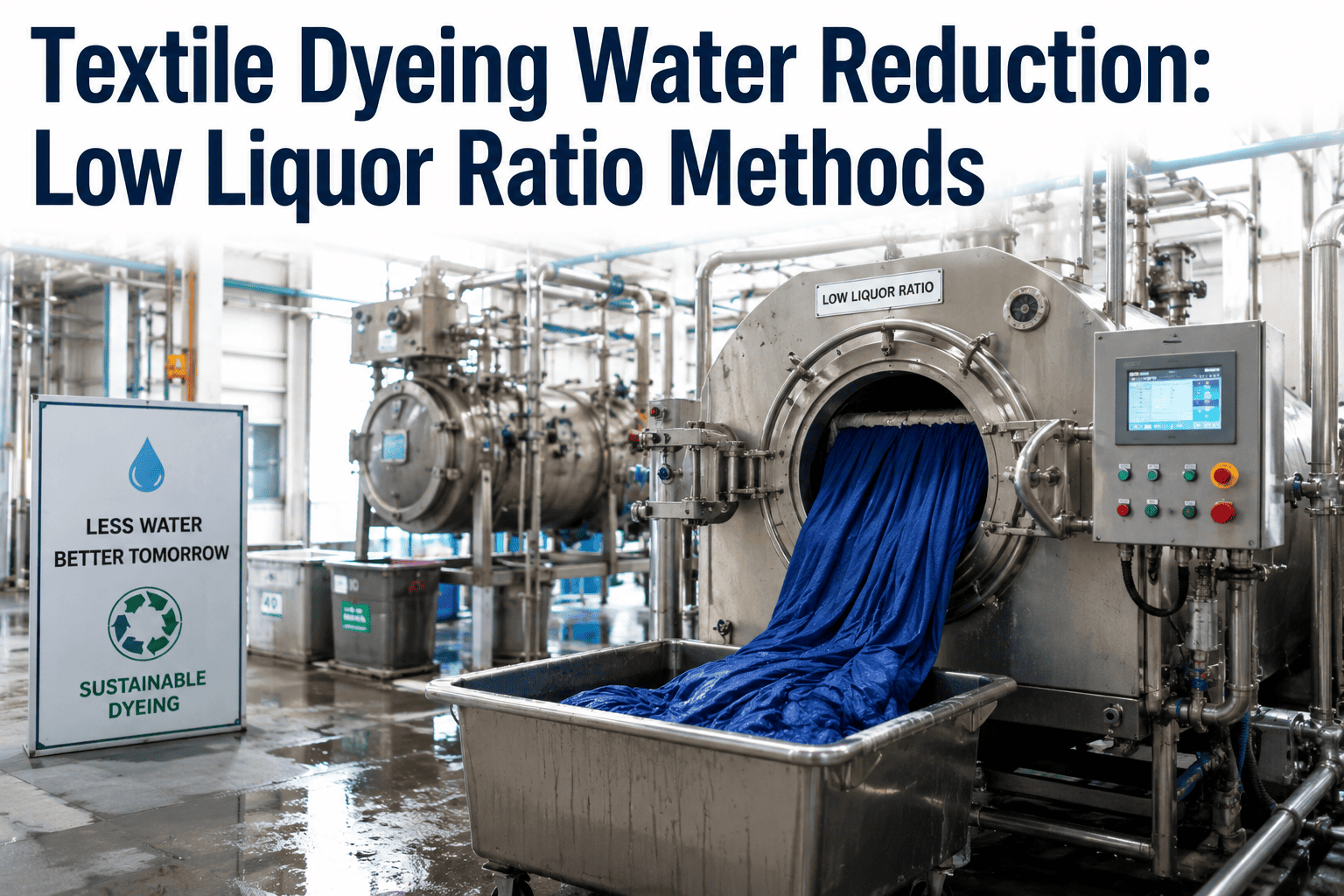
How many rinse cycles does each fabric type actually need? Over-rinsing "just to be safe" is one of the most common and easiest sources of water waste to correct once measured.
What percentage of steam condensate is currently being recovered? Recovering condensate saves both water volume and the heat energy already embedded in it.
Is RO reject water being evaporated, discharged, or partially reused? This single answer often determines whether a facility is close to ZLD or far from it.
How often is membrane performance tested against baseline? A fouled membrane silently reduces recovery rate long before it triggers a visible alarm.
Frequently Asked Questions
Q: What water footprint per kilogram of fabric should a dye house be targeting?
Water footprint varies significantly by fabric type, dyeing method, and equipment age, but many modern dye houses with active recycling programs target somewhere in the range of 40 to 70 liters per kilogram, compared to well over 100 liters per kilogram in facilities without recycling infrastructure. The right benchmark depends on your specific process mix, so the most useful target is measured against your own facility's historical baseline rather than an industry-wide average that may not reflect your equipment or fabric portfolio.
Q: How does membrane filtration fit into a zero liquid discharge system?
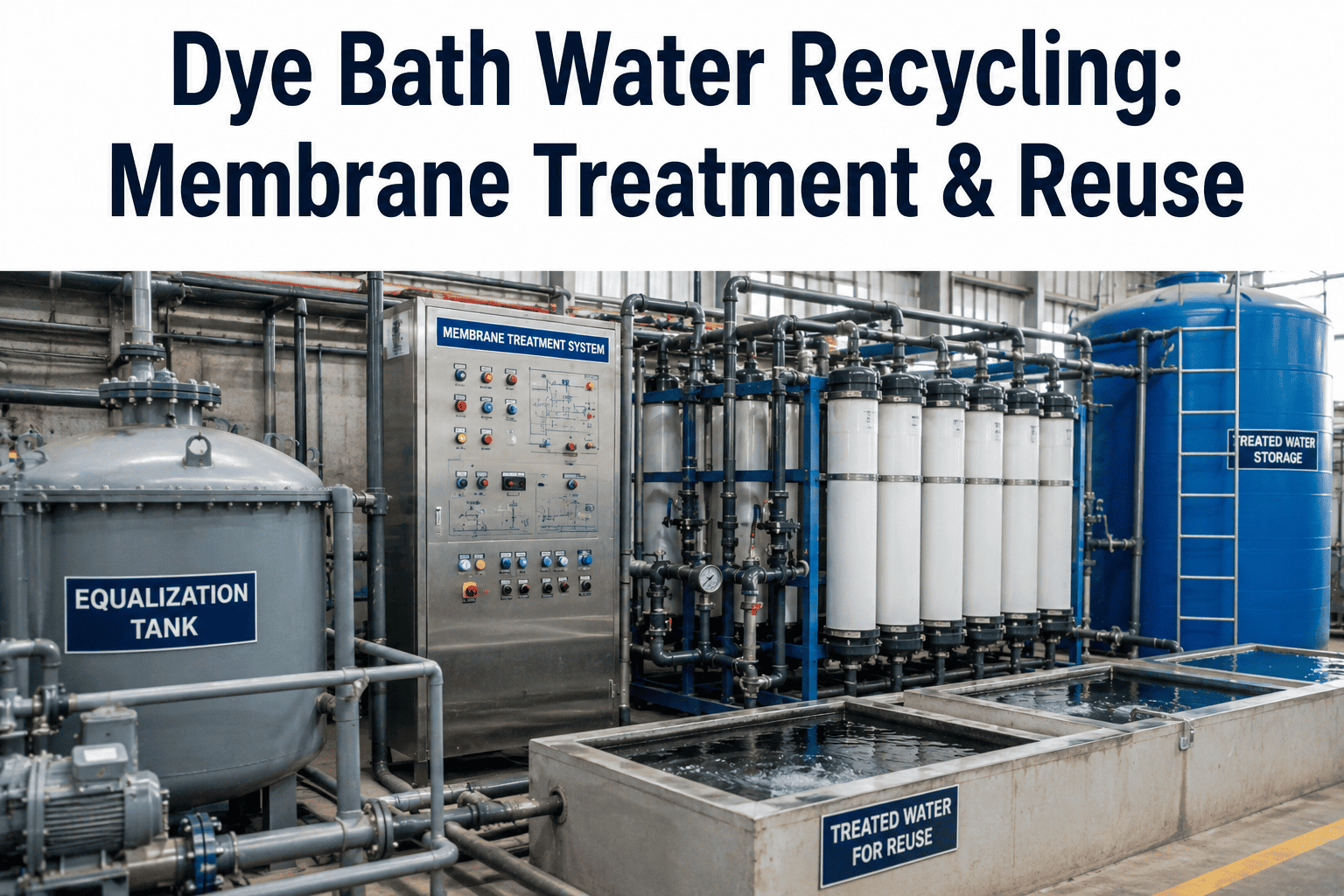
Membrane filtration, typically ultrafiltration followed by reverse osmosis, is the stage that recovers the largest single share of reusable water in a ZLD system, separating clean permeate from a concentrated reject stream. The reject stream still contains dissolved salts and residual contaminants and must move to an evaporation or crystallization stage to reach true zero discharge, since membranes alone cannot eliminate the final concentrated fraction.
Contact our team to review which membrane configuration fits your effluent characteristics.
Q: Can recycled water be safely reused in the dye bath without affecting shade consistency?
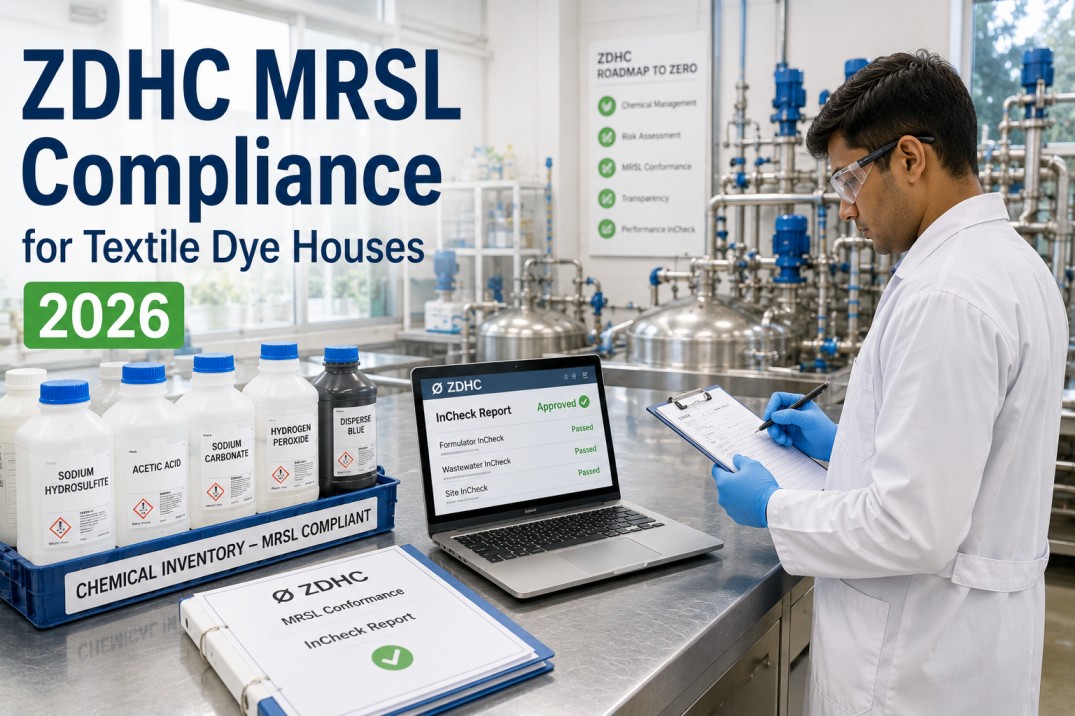
Yes, provided the recycled water is tested for hardness, residual salts, and pH before reintroduction, since these parameters can interact with dye chemistry and shift shade outcomes if left unchecked. Mills that verify recycled water quality batch by batch, rather than assuming consistency from the treatment system, avoid the shade variation issues that discourage some facilities from adopting recycling more aggressively.
Q: What is the most overlooked source of recoverable water in a typical dye house?
Steam condensate is consistently the most overlooked recovery opportunity, since it is often discharged as wastewater when it is actually clean, hot water that carries recoverable thermal energy alongside its volume. Facilities that install condensate return lines and monitor recovery rate typically capture savings on both water consumption and fuel use simultaneously.
Q: How can continuous monitoring help avoid ZLD compliance violations?
Continuous monitoring catches membrane fouling, condensate loss, or discharge exceedances while they are still developing trends rather than after a regulatory inspection identifies them as violations.
Book a demo to see how iFactory correlates water treatment performance data with your compliance thresholds in real time.
Manage Water Consumption, Recycling, and Compliance as One System
iFactory brings your meters, membrane sensors, and effluent data together so your dye house can hit ZLD targets with confidence rather than end-of-month reconstruction.