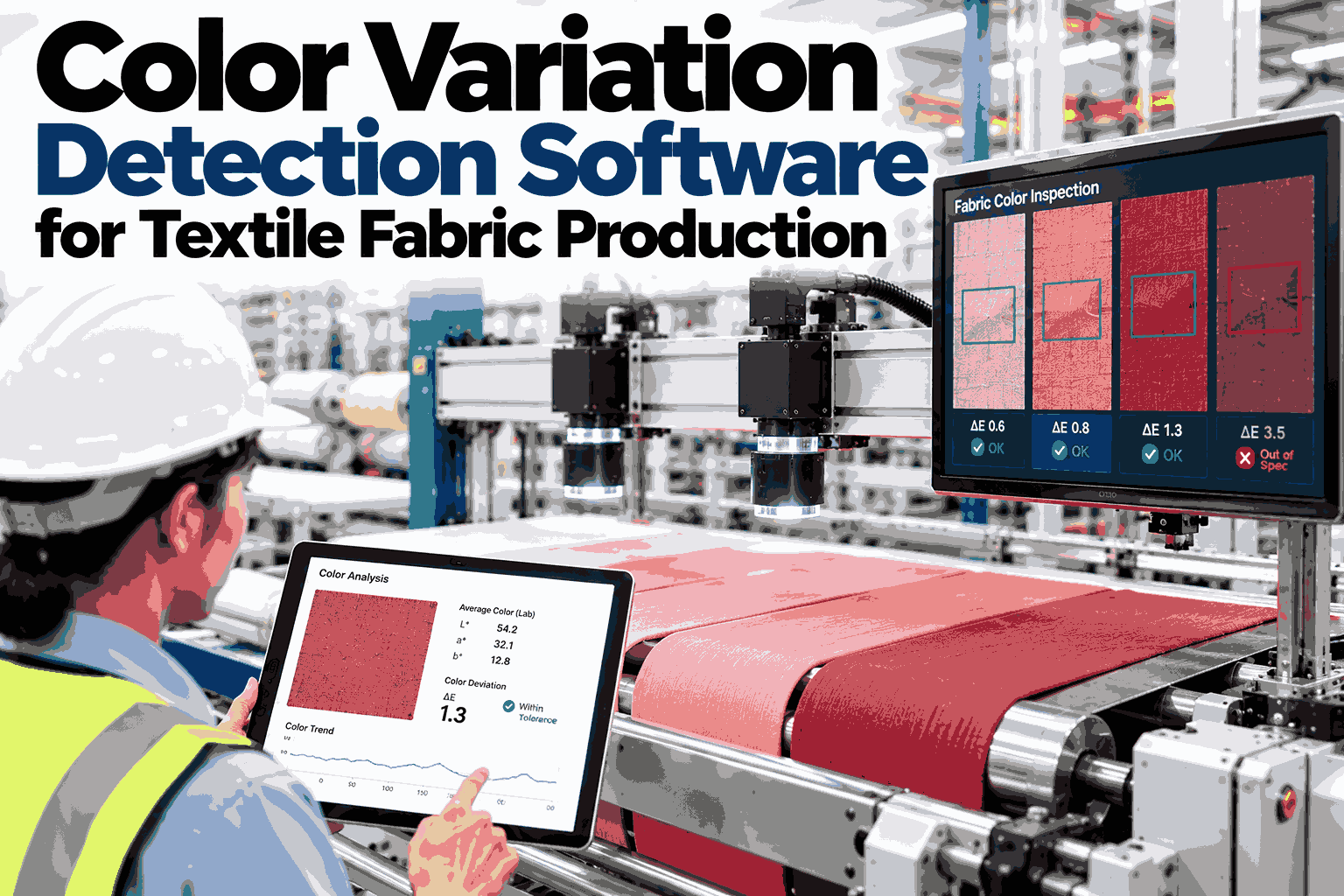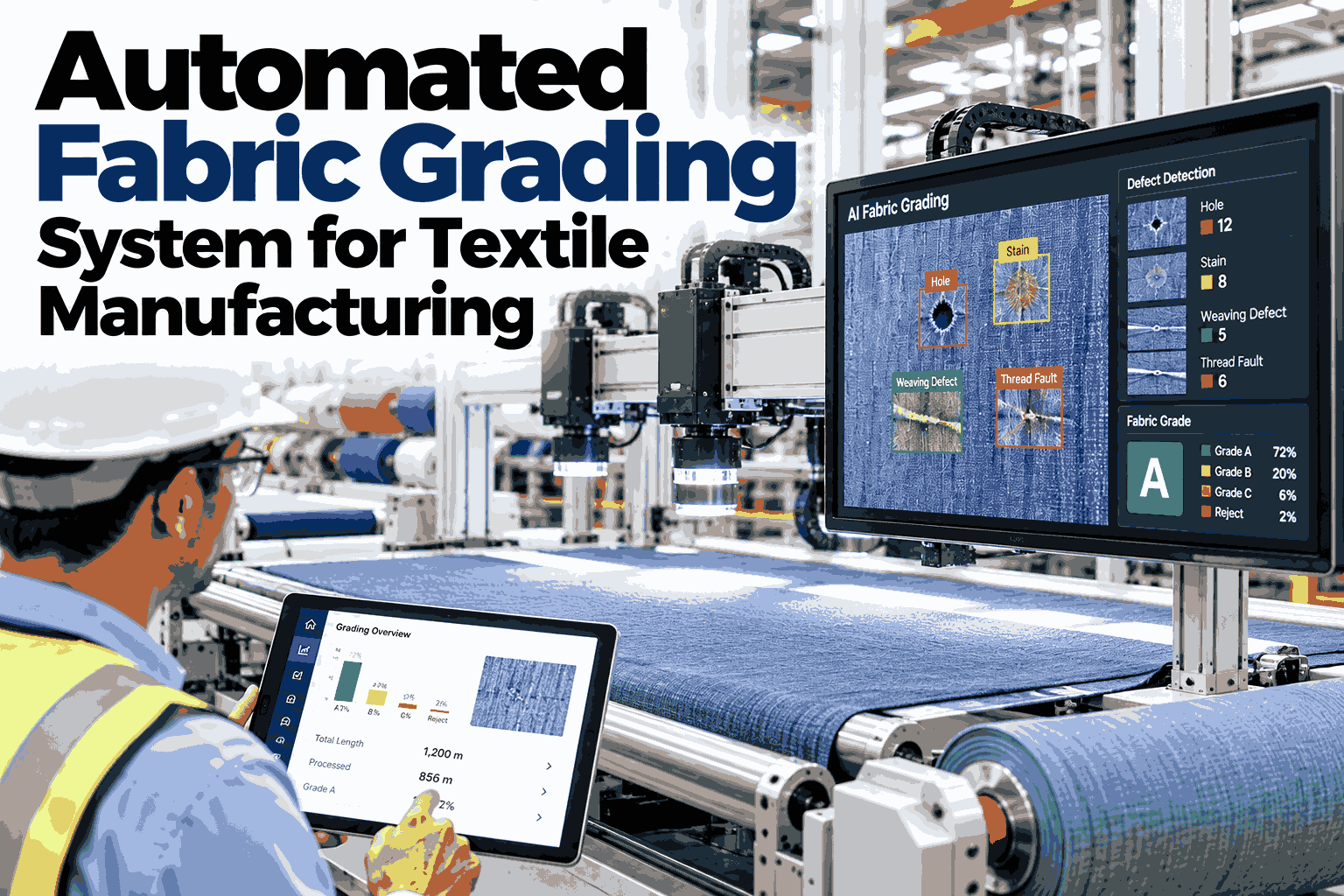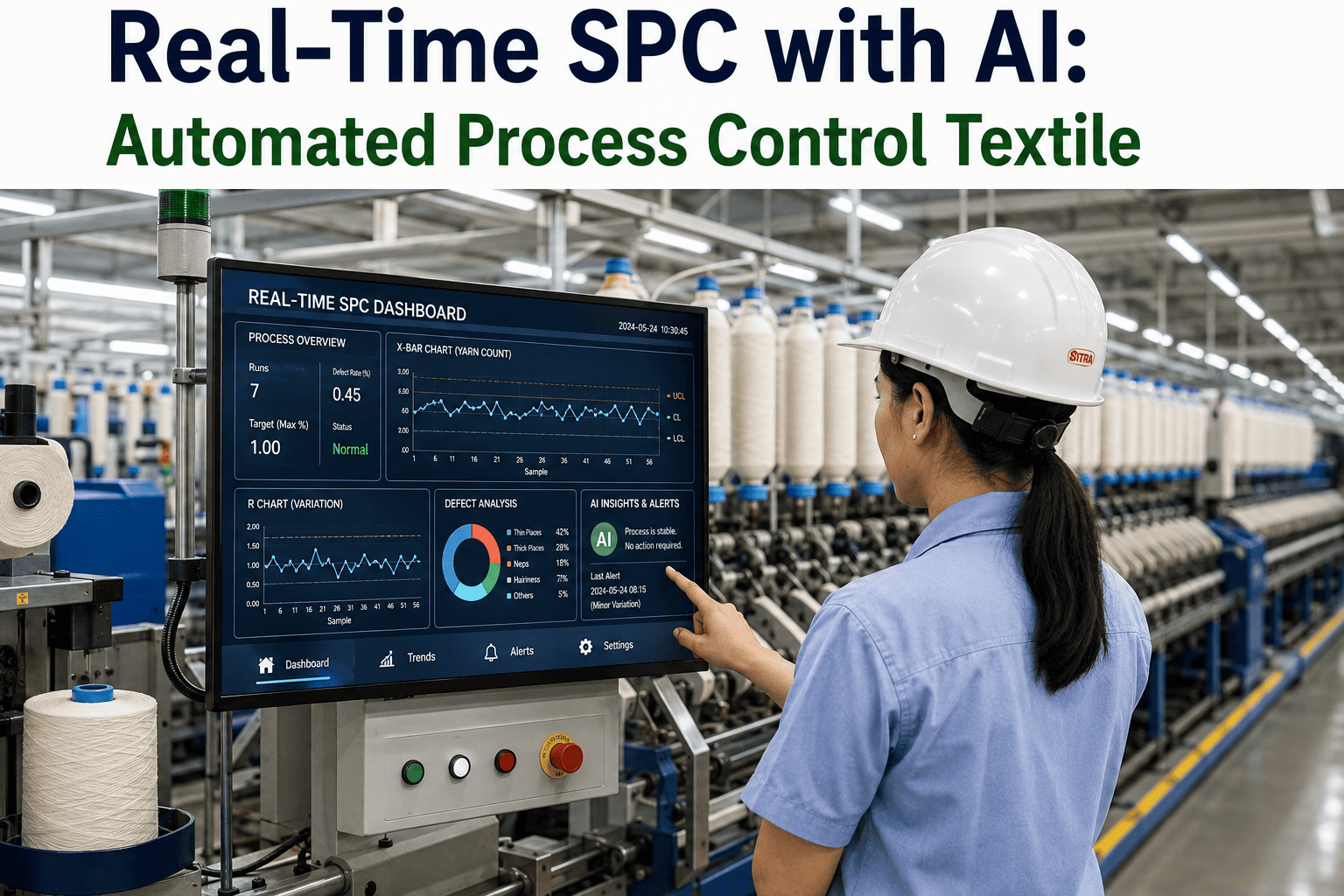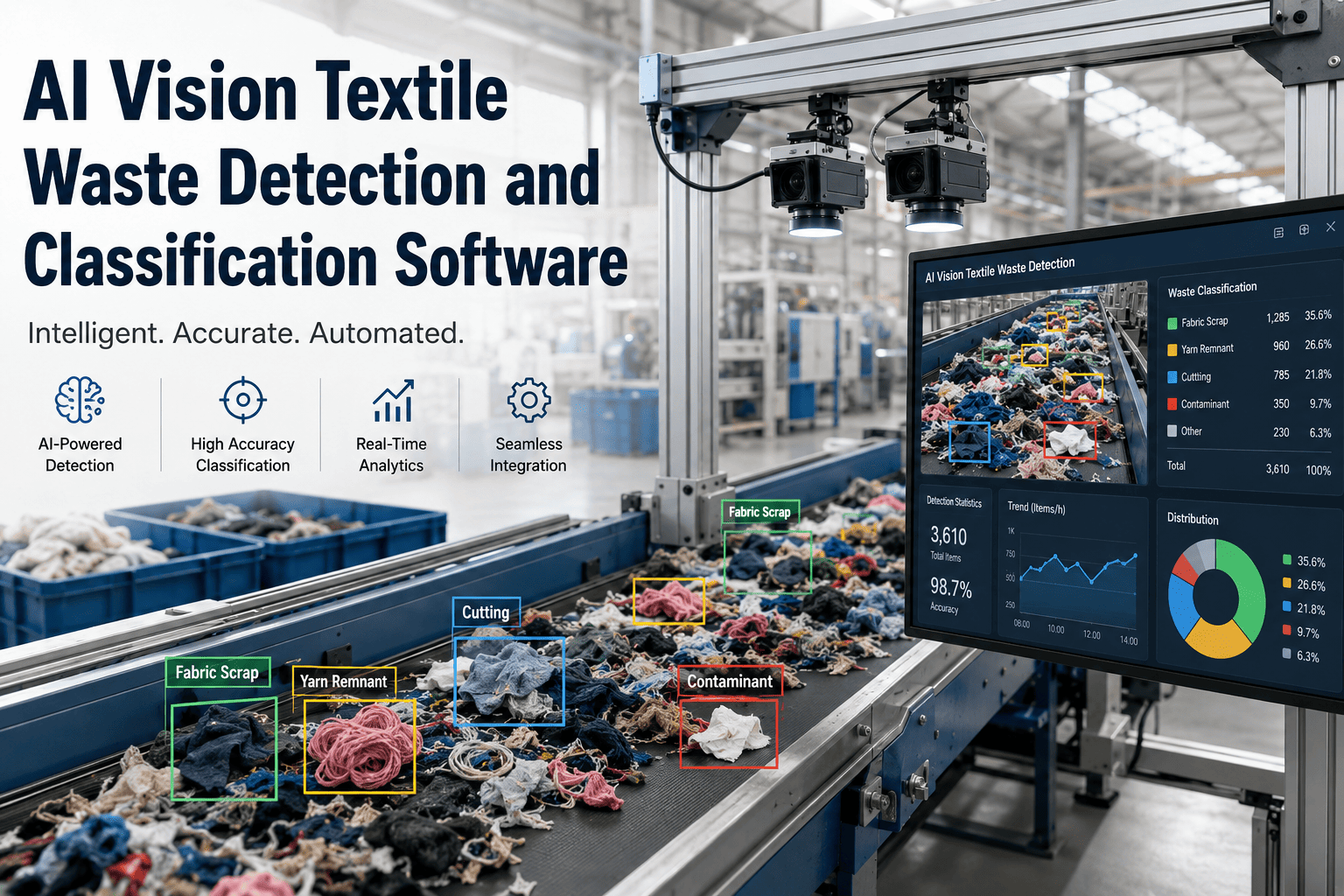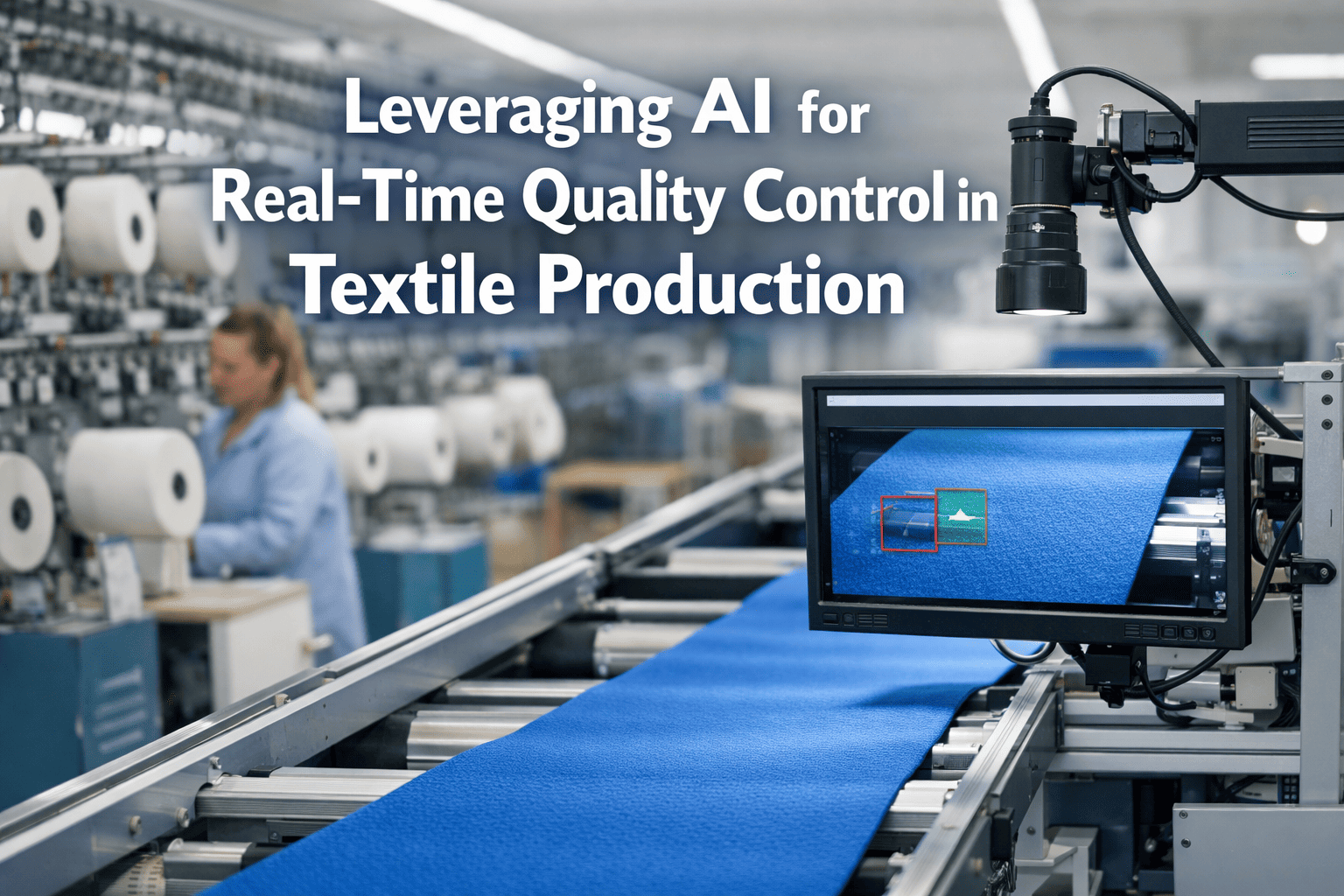
Fabric inspection is one of the last textile steps that still depends heavily on human eyes, and it is also one of the hardest to staff well. Inspectors tire, attention drifts, and the best ones are often stuck watching cloth pass by for hours. Labor optimization does not mean removing people from the process. It means putting their time where judgment matters. Mills planning that change can see how iFactory AI frees inspectors for higher-value work without lowering quality standards.
Stop Spending Your Best Inspectors on Watching Cloth Go By
iFactory AI takes over the continuous scanning on fabric inspection lines, so skilled people spend their shift on review, root cause, and customer decisions.
Where Inspection Labor Actually Goes
Most mills measure inspection by the number of inspectors, not by what those inspectors do with each minute. Break the shift apart and a pattern appears: the largest share is spent on the least skilled task.
Automation targets the scanning slice first, since it is repetitive, tiring, and easy to measure. Measuring and record keeping follow, because a system that already sees the fault can also log its size and position.
Why Attention Fades Over a Shift
Studies of visual inspection work have long shown that sustained watching of a repetitive scene reduces detection over time. Breaks help, but the effect returns. This chart shows the general shape, not a measured result.
Find Out How Many Inspection Hours You Could Redeploy
Book a 30-minute session and iFactory AI will map your current inspection stations, speeds, and shifts to show where automated scanning could return skilled hours to your team.
Three Labor Models for Fabric Inspection
Mills do not jump from fully manual to fully automatic in one step. Most pass through an assisted stage, and the right place to stop depends on fabric variety and volume.
| Task | Manual Inspection | AI-Assisted | Automated with Review |
|---|---|---|---|
| Spotting faults | Inspector, by eye | Inspector, helped by alerts | Vision system |
| Naming fault type | Inspector judgment | System suggests, inspector confirms | System labels, uncertain cases reviewed |
| Measuring length | Tape or ruler | System measures | System measures |
| Grading the roll | Manual point count | Automatic count | Automatic count with audit trail |
| Records | Paper or typed entry | Semi-automatic | Automatic roll report |
| Inspector focus | Watching the cloth | Watching and confirming | Reviewing and root cause |
From Watching to Deciding: How Inspector Roles Change
The strongest case for automation is not fewer people but better use of the people already trained. Each familiar task has a more valuable version waiting.
What an Automated Inspection Station Looks Like
A station does not need to be complex. The path from roll to report follows five stops, and each one removes a manual handoff.
Unwind
The roll feeds at a steady speed with even tension.
Scan
Cameras and lighting cover the full fabric width.
Label
Each fault receives a type, size, and position.
Review
A person confirms the cases the system flags as unsure.
Report
The roll leaves with a grade and a traceable fault map.
A Worked Staffing Example
Every mill has different numbers, so this example uses assumed values to show the method. Replace them with your own speeds and volumes.
Scorecard: Measuring Whether Labor Is Better Used
Without measures, a new system is judged by feel. These six give a clear before and after.
Meters per inspector-hour
Shows real throughput, including handling time.
Grade consistency
Compare grades across inspectors and shifts for the same fabric.
Escaped defect rate
Faults found after the roll left inspection.
False reject rate
Good cloth marked as a fault, which wastes fabric.
Buyer dispute rate
Claims where the fault map settles the question.
Time to root cause
How fast a repeating fault is traced to its source.
How iFactory AI Supports Textile Inspection Teams
iFactory AI is built as a stack, so each layer relies on the one beneath it and gives the team something usable on its own.
Insight
Repeating faults are linked to machines, shifts, and fabric lots for root cause work.
Grading and traceability
Rolls are graded to your buyer rules and keep a stored fault map.
Classification
Faults are named by type, size, and position, with unsure cases sent for review.
Capture
Imaging runs across the full width at line speed under steady lighting.
iFactory AI arrives pre-configured on an NVIDIA server that ships racked and ready with software pre-loaded. Rack it, connect power and Ethernet, and automated fabric inspection begins. Scope covers cabling, network, ERP and MES integration, inspector training, and 24×7 remote monitoring.
Frequently Asked Questions
Will automated inspection replace our inspectors?
The aim is to change what inspectors do, not remove them. Continuous scanning moves to the system, while people review uncertain faults, audit grades, and trace causes. Most mills find that experienced inspectors become more valuable once their time is no longer used up watching cloth. Walk through a redeployment plan with the team.
How do we know the system is as accurate as our best inspector?
Run it alongside manual inspection during the pilot and compare results on the same rolls. Track escaped defects and false rejects separately, since both matter. Accuracy should be judged on your own fabrics, not on a generic benchmark, and the review step covers cases where the system is unsure.
Does it work on every fabric type?
Coverage depends on lighting, fabric width, and how well the system has learned each pattern. Plain and lightly textured fabrics are usually quickest to stabilise, while complex prints need more sample rolls. Most mills begin with their highest-volume fabrics and extend coverage as results build.
What happens to the paperwork and buyer reports?
Each roll gets an automatic grade and a stored fault map, so records no longer depend on handwritten sheets. When a buyer questions a grade, the map and the recorded fault data can be shared. Ask the support team about report formats for your customers.
How long before we see a labor benefit?
A turnkey rollout goes live in six to twelve weeks. The pilot period shows scanning time falling first, with measuring and record keeping following. The larger gains, such as faster root cause work and fewer disputes, tend to build over the months after go-live as the data accumulates.
Put Your Inspectors Where Their Judgment Counts
iFactory AI handles the continuous scanning, grading, and records, so your team can focus on review and root cause. Book a walkthrough to see it against your own stations and fabrics.