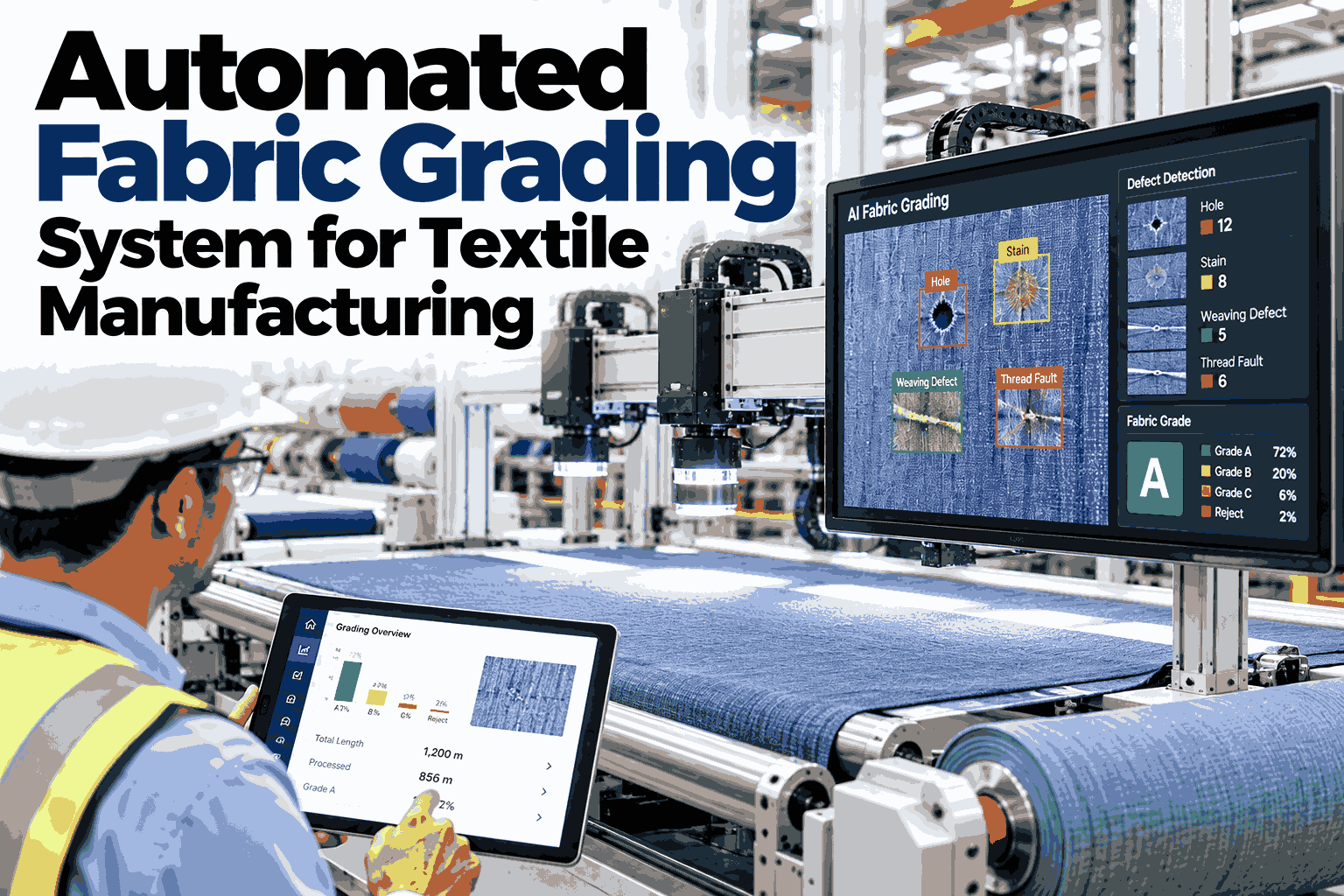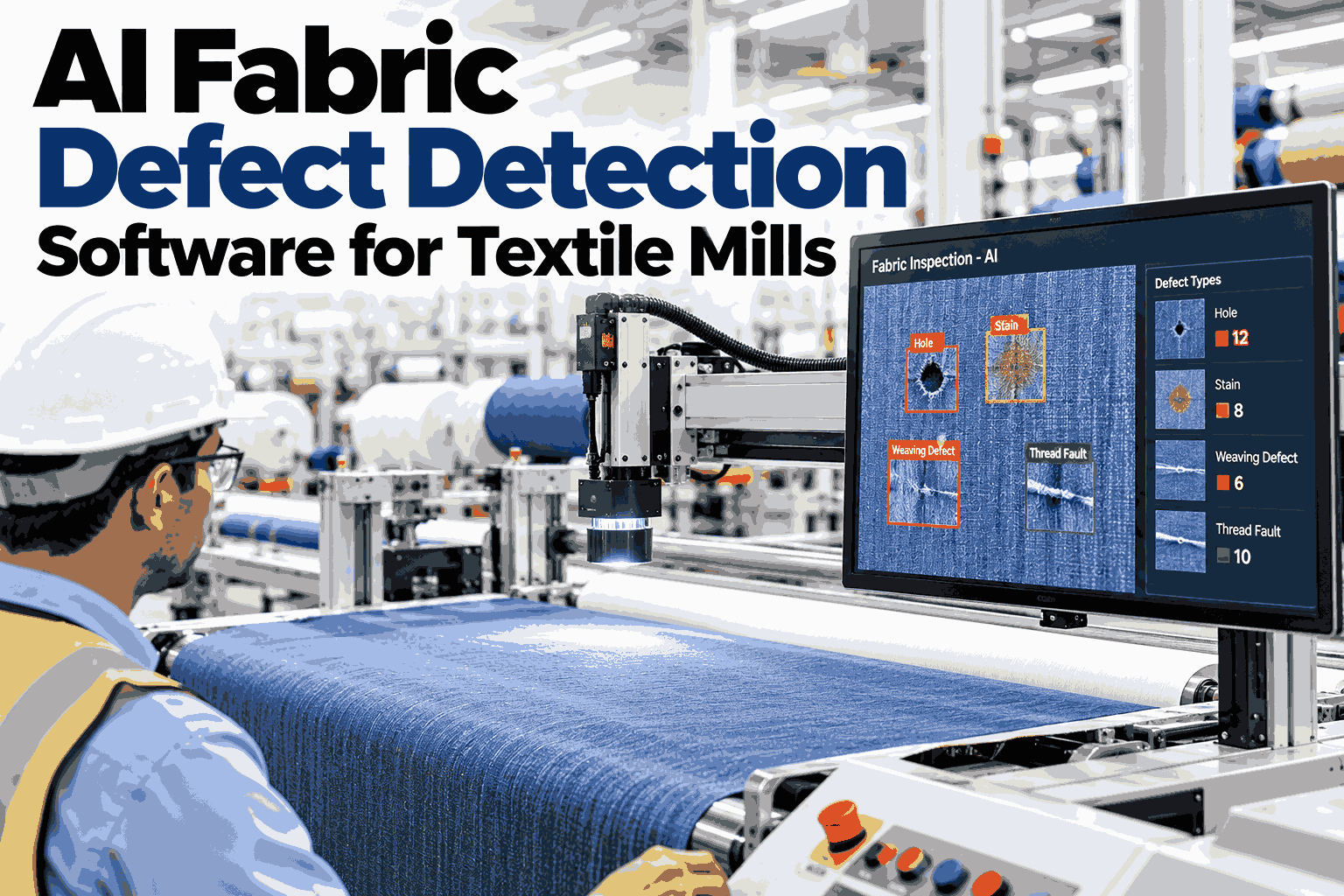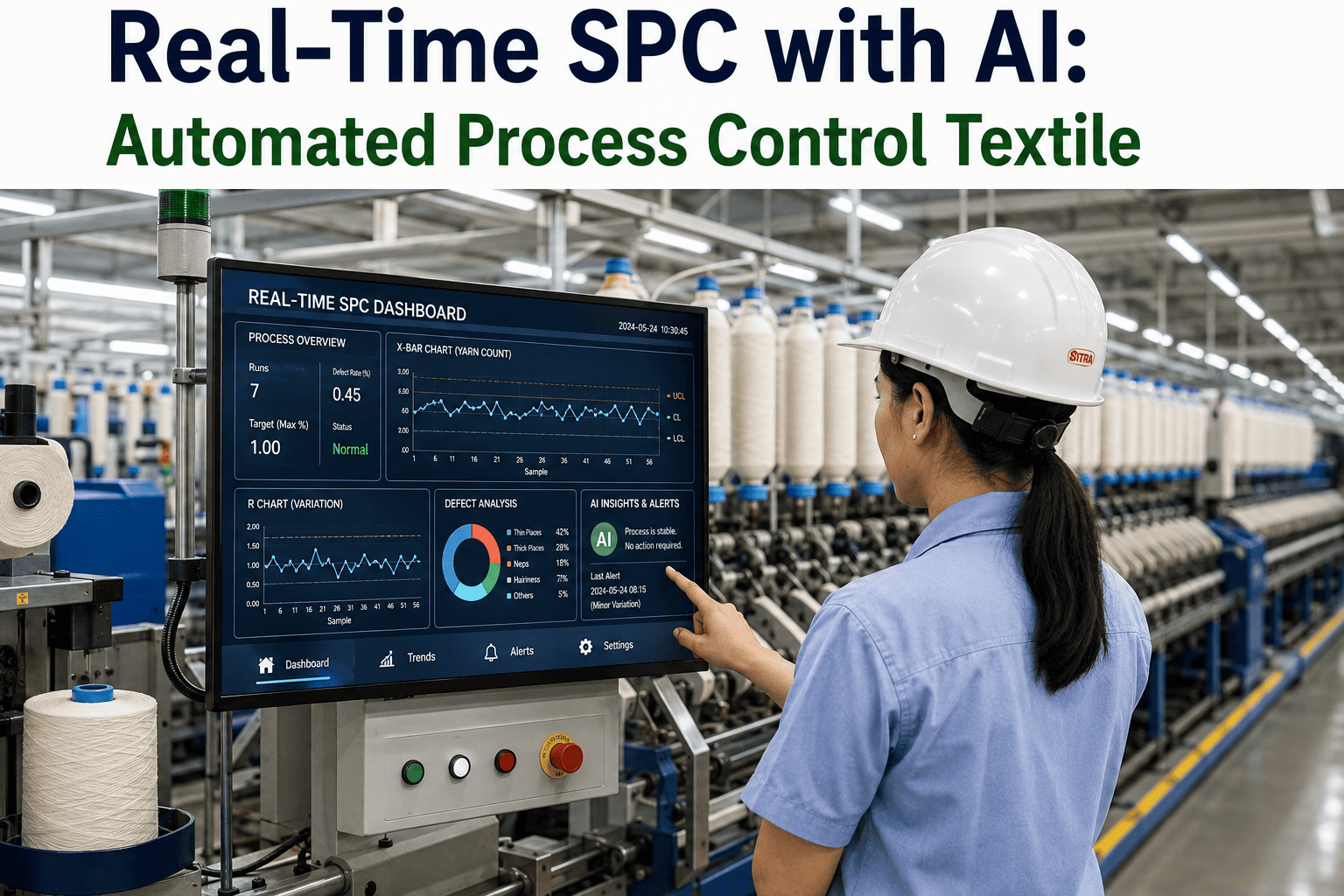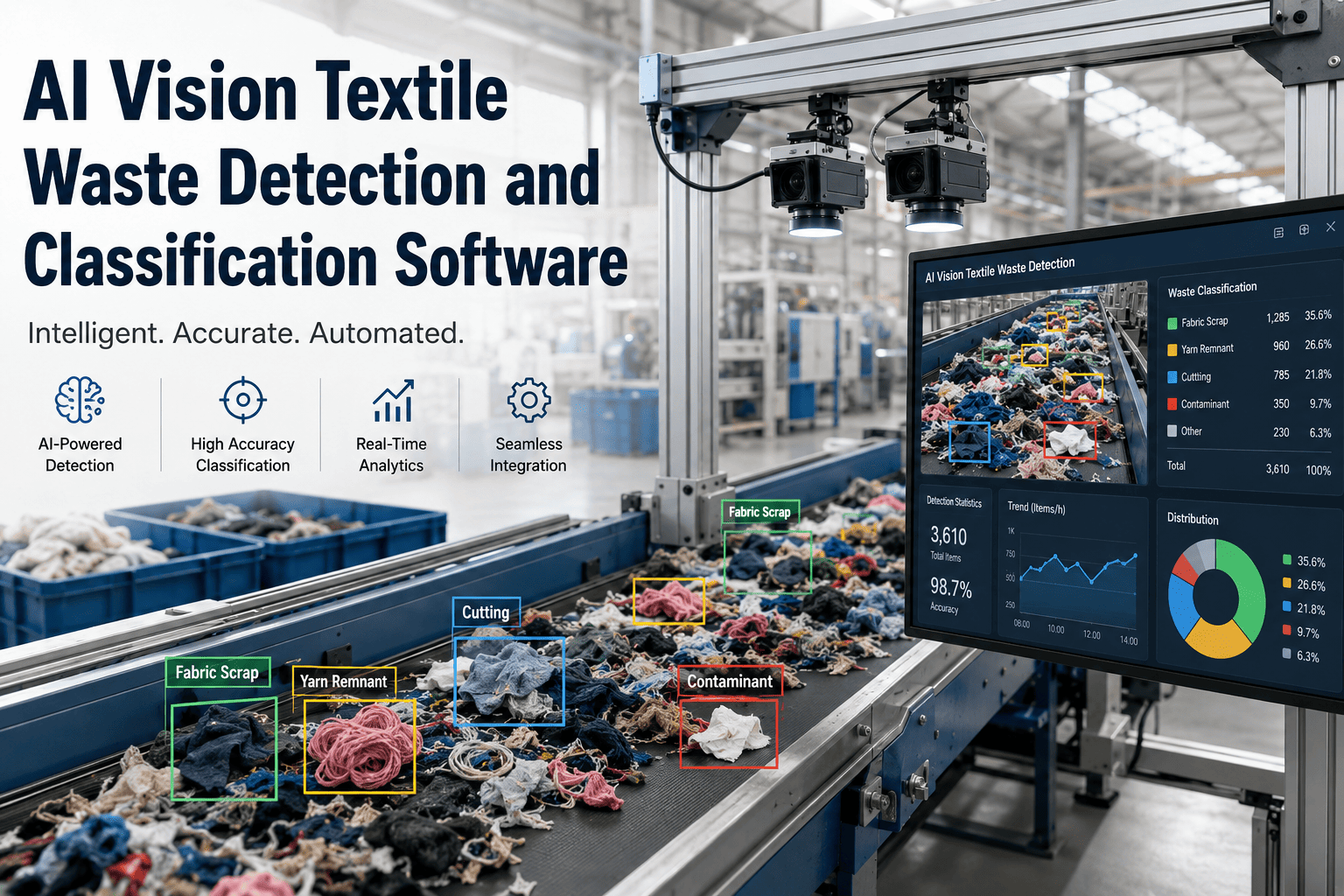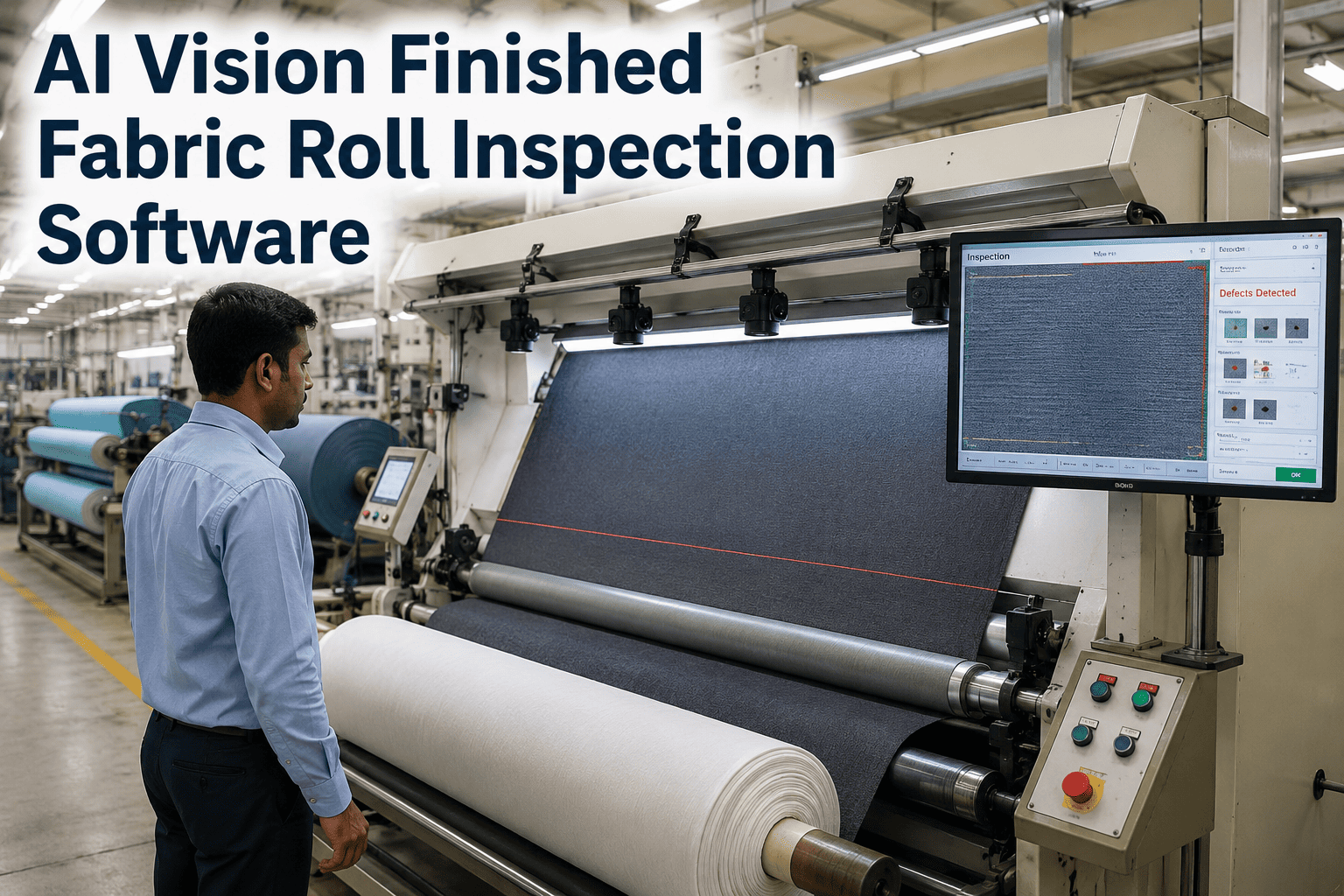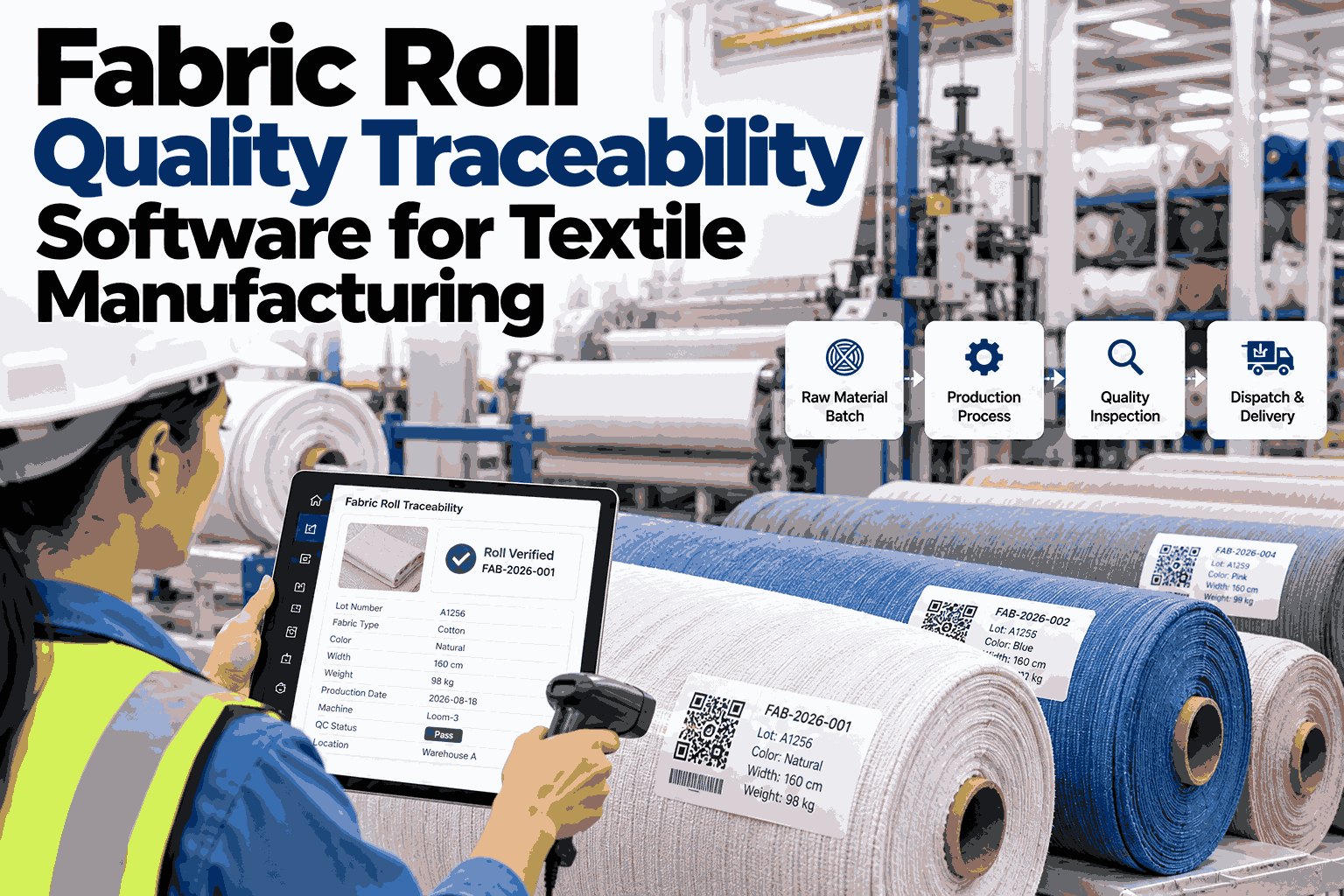
When a buyer reports a shade shift, or a cutting team finds a run of weak rolls, the first question is rarely about the defect itself. It is about where that cloth came from, which loom wove it, which yarn lot fed it, which shift ran the machine and which other rolls share the same history. Plants that cannot answer in minutes tend to quarantine far more stock than necessary, just to stay safe. Fabric roll quality traceability links every roll to its full history from yarn to shipment, and the easiest way to judge the fit for your own looms is to see the roll history screens in a live session with the iFactory AI team.
Know Exactly Where Every Roll Came From and Where It Went
iFactory AI connects loom, lot and shift data with inspection results, so each fabric roll carries a searchable quality record that shortens investigations and limits losses.
Five Questions Most Mills Struggle to Answer Quickly
Traceability sounds like an audit topic, yet its real value shows up on ordinary bad days. A complaint arrives, and the clock starts on finding what is affected and what is not.
None of these questions is hard in principle. They are slow because the answers live in different places, written by different people, in different formats.
Loom, Lot and Shift: The Links That Make a Roll Searchable
Good traceability does not need dozens of fields. It needs a few reliable keys captured at the right moment, then carried forward without retyping.
Read the diagram from the outside in. A buyer order contains dye lots, each dye lot contains rolls, and each roll can be traced to the loom, yarn and shift that made it.
When all three keys are stored with inspection results, a defect stops being a surprise and becomes a pattern that someone can fix.
A Defect Heat Map Shows Which Loom and Shift Need Attention
Once roll scores are linked to loom and shift, the quality office can see hotspots at a glance. The grid below is an example, with each cell showing points per 100 square yards.
Two cells stand out: Loom 4 on Shift B and Loom 5 on Shift C. A supervisor can walk straight to those machines and ask what changed, instead of reviewing every roll.
Want to See Your Own Looms on a Map Like This?
Bring a sample of roll data and the team will show how loom, lot and shift views could look for your plant.
How Traceability Narrows a Recall From Hundreds of Rolls to a Handful
Without linked records, the safe response to a quality scare is to hold everything that might be affected. That protects the buyer, yet it ties up cash and delays good orders.
The numbers above are an example, but the logic is real. Each filter removes rolls that are provably unaffected, so the hold list shrinks to the rolls that truly share the cause.
This is also where inspection photos help. Storing the image of each flagged defect lets a quality manager confirm the issue in seconds without pulling the physical roll.
What Each Team Adds to the Roll Record Along the Way
A roll history is built by many hands. The aim is that each department captures its part once, at the point of work, and everyone downstream can read it.
Notice that the last lane feeds back into the first. When a claim is linked to a roll, the cause can be traced to the loom or lot, and the fix lands where the defect began.
The Roll Record Fields That Answer the Most Questions
Teams often worry that traceability means endless data entry. In practice, a short list of well-chosen fields covers most investigations.
| Field | Captured at | Question it answers | Typical user |
|---|---|---|---|
| Roll ID | Doffing or first inspection | Which exact piece of cloth are we discussing? | Everyone |
| Loom or machine | Production | Is the defect tied to one machine? | Production manager |
| Yarn lot | Beam or creel loading | Did a material change cause the shift in quality? | Procurement and quality |
| Shift | Production | Does the pattern follow time or handover? | Supervisor |
| Defect list and grade | Inspection | What was found, and how severe was it? | Quality office |
| Dye lot | Wet processing | Which rolls were processed together? | Dyeing manager |
Because inspection feeds the defect fields automatically, the extra work for operators is limited to confirming a few identifiers, not retyping results.
Faster Answers for Buyers and Clearer Numbers for Managers
The most visible benefit is response time. Compare how a buyer complaint travels through a paper-based search and through a digital roll record.
This comparison is illustrative, not a promise of exact timing. Your own result depends on how complete the records are and how many systems feed them.
These six measures give a plant a simple scorecard. Review them weekly, and the conversation moves from opinions to trends. If you want to compare them with your current reporting, you can ask the support desk about report setup for your plant.
A Practical Way to Add Traceability Without Stopping Production
Traceability works best when it is built from the bottom up. Start by capturing reliable data, connect it, and only then ask the system to guide decisions.
Most teams begin with one product family and one inspection point. Once the data proves useful, they extend the same record to dyeing, cutting and buyer reporting.
iFactory AI is designed to sit alongside your existing production tools, so your people keep familiar routines while the record builds in the background.
What Textile Teams Ask Before Starting Roll Traceability
Turn Scattered Roll Records Into One Searchable Quality History
Talk with iFactory AI about linking loom, lot, shift and inspection data, so your next quality question gets an answer in minutes instead of days.