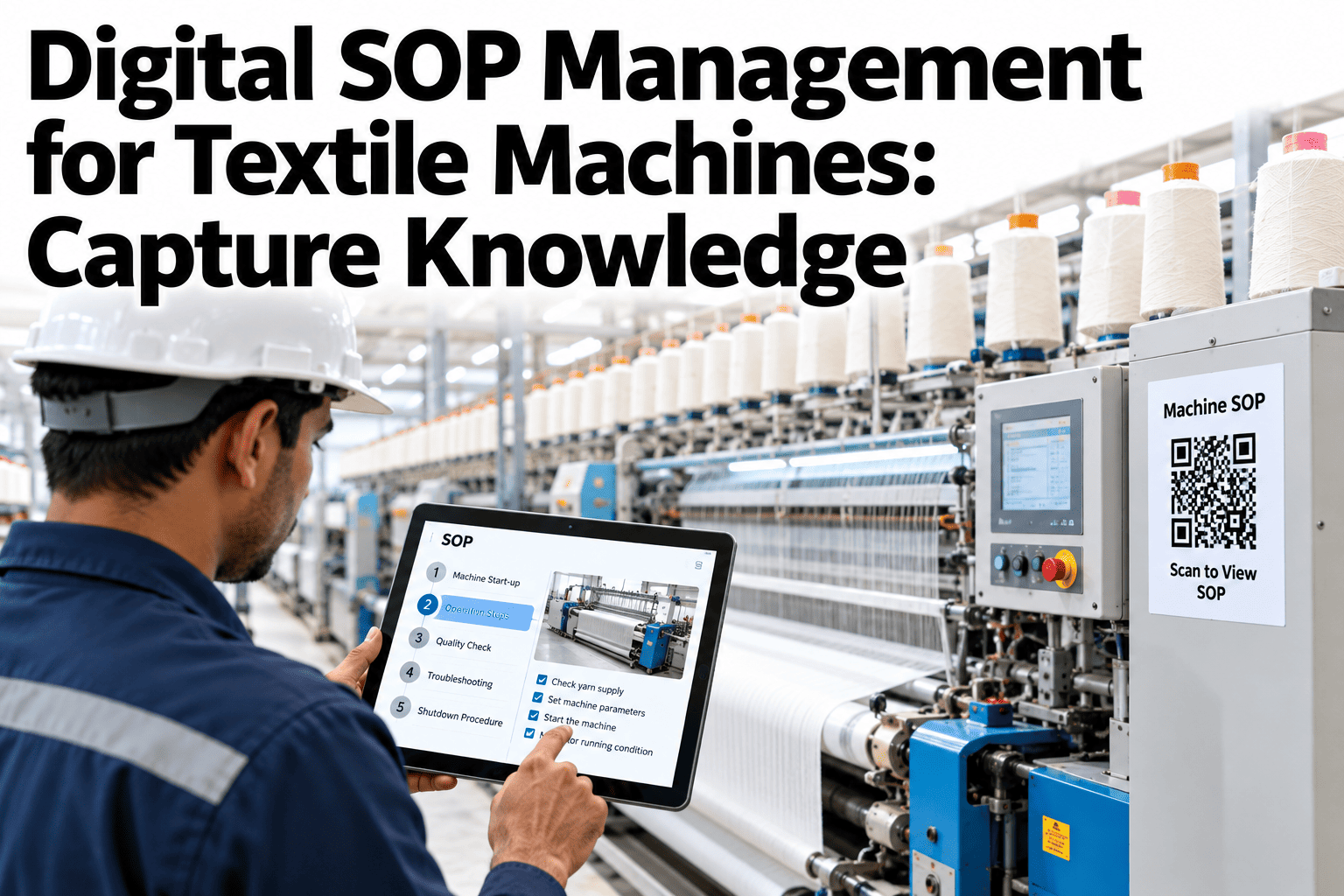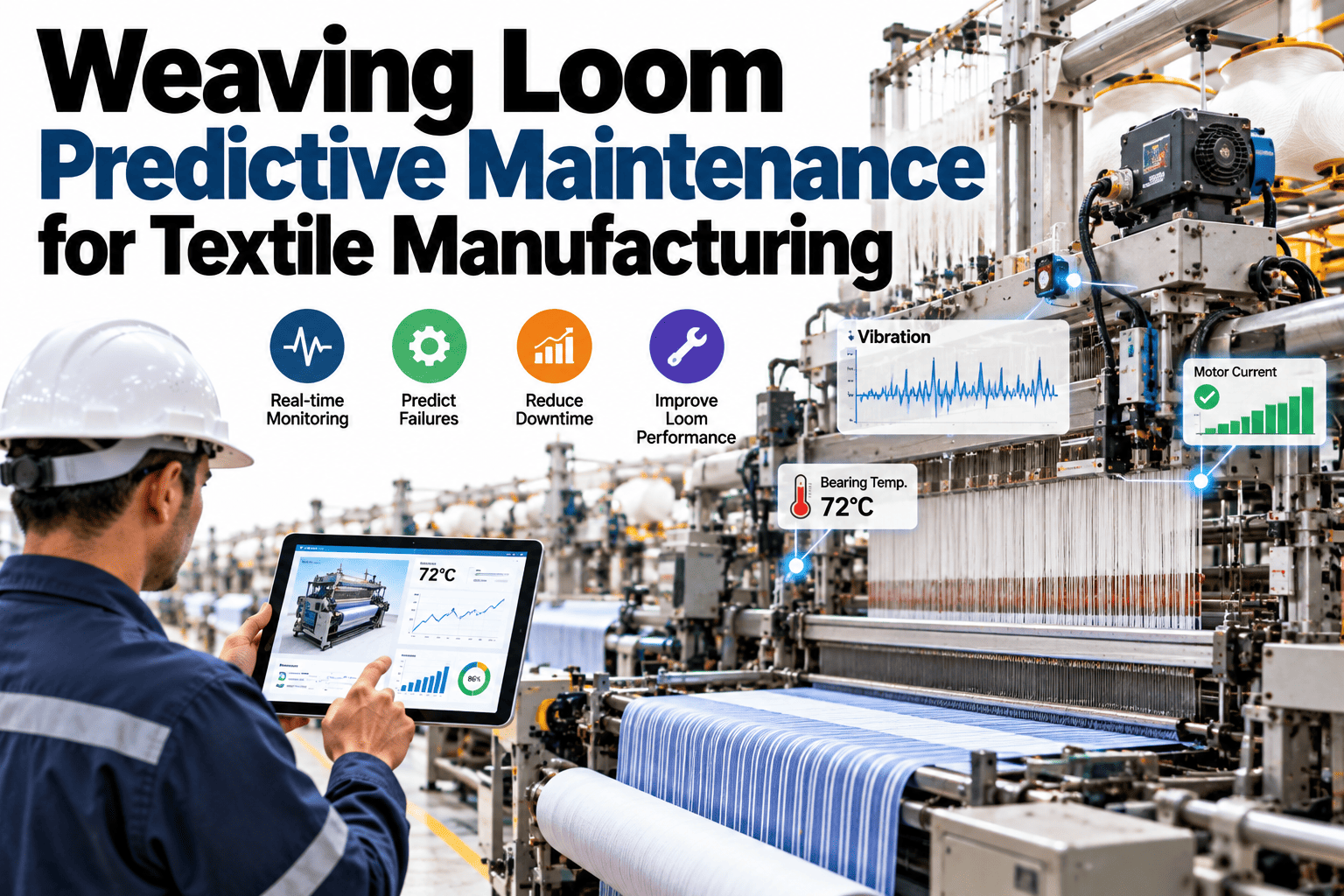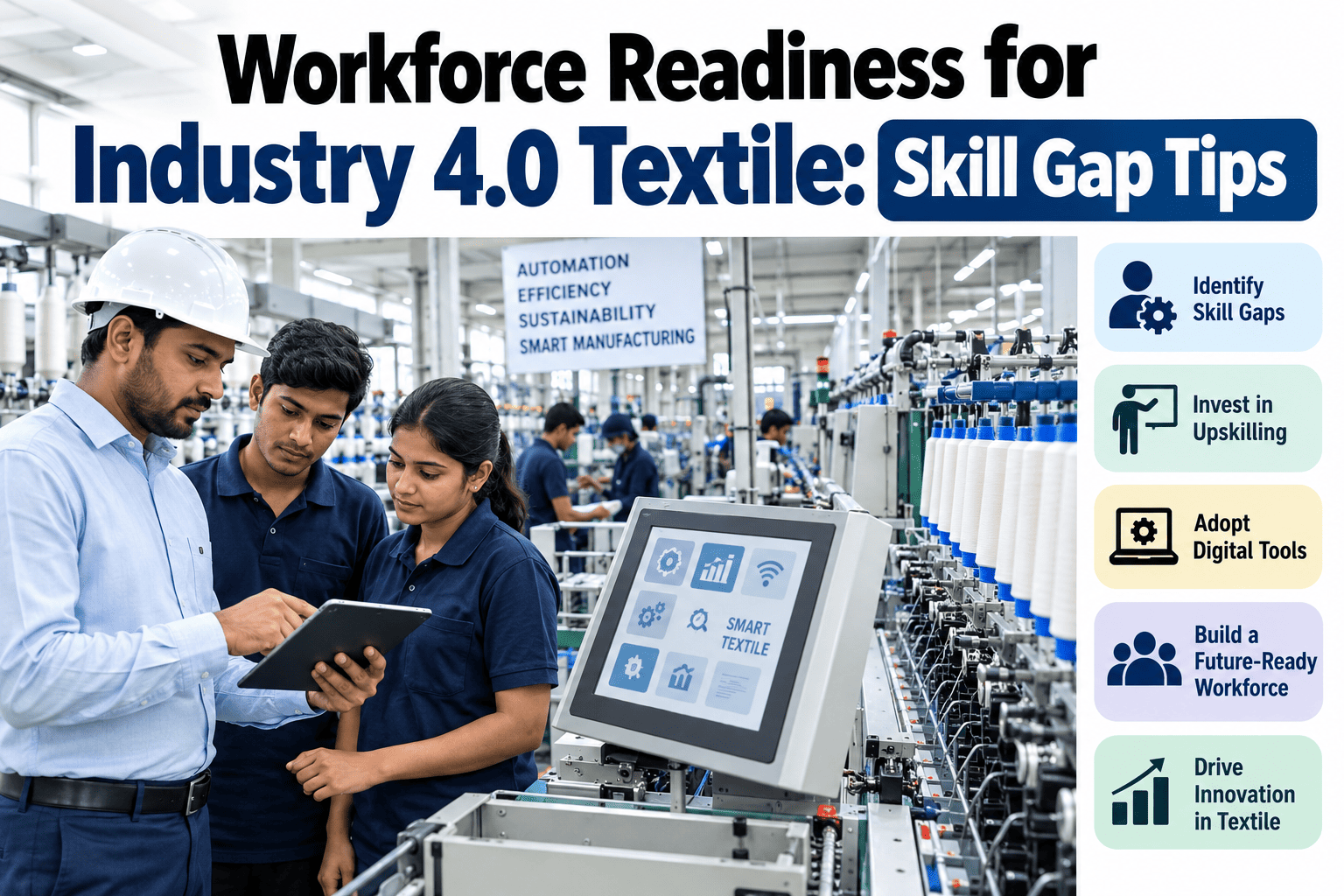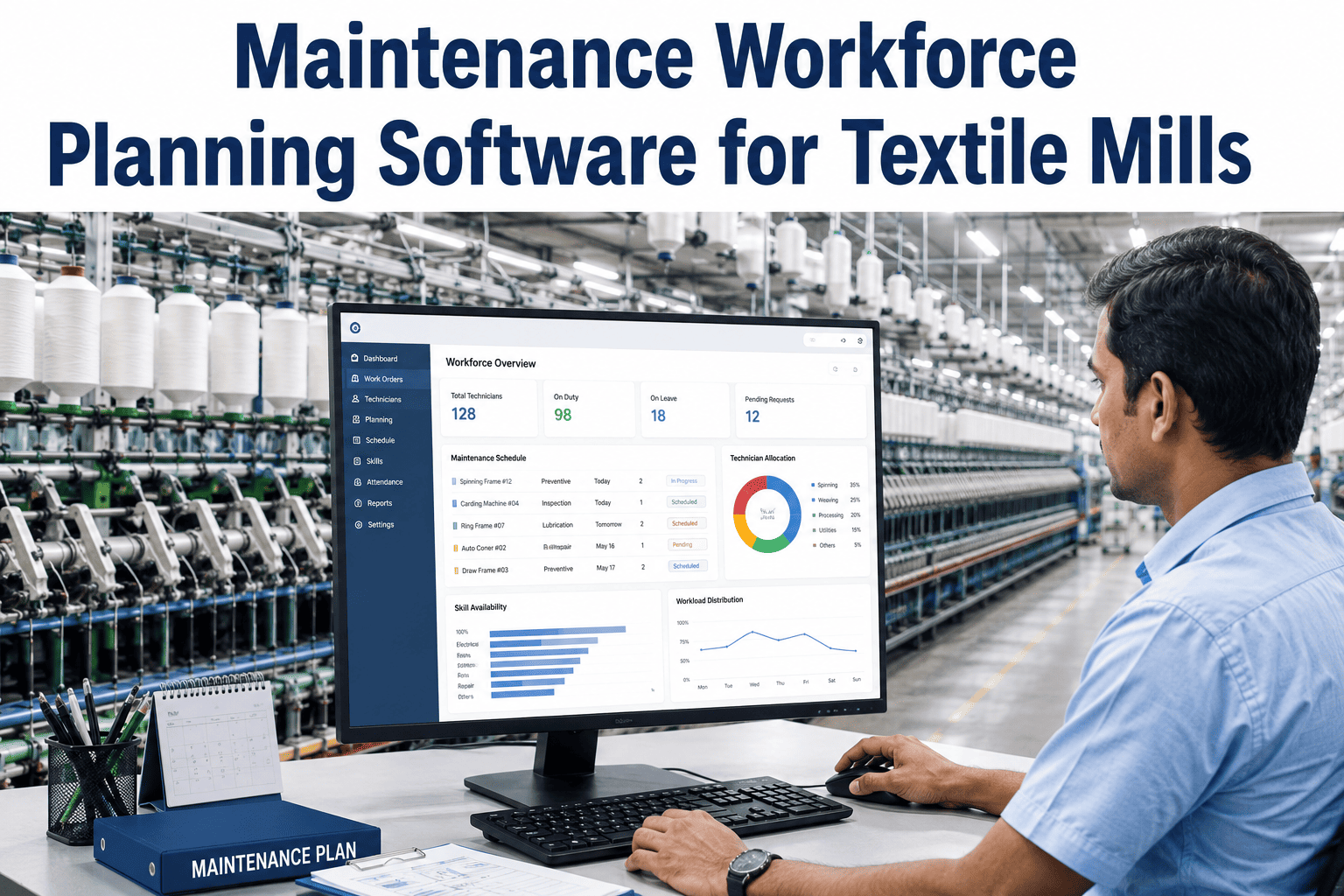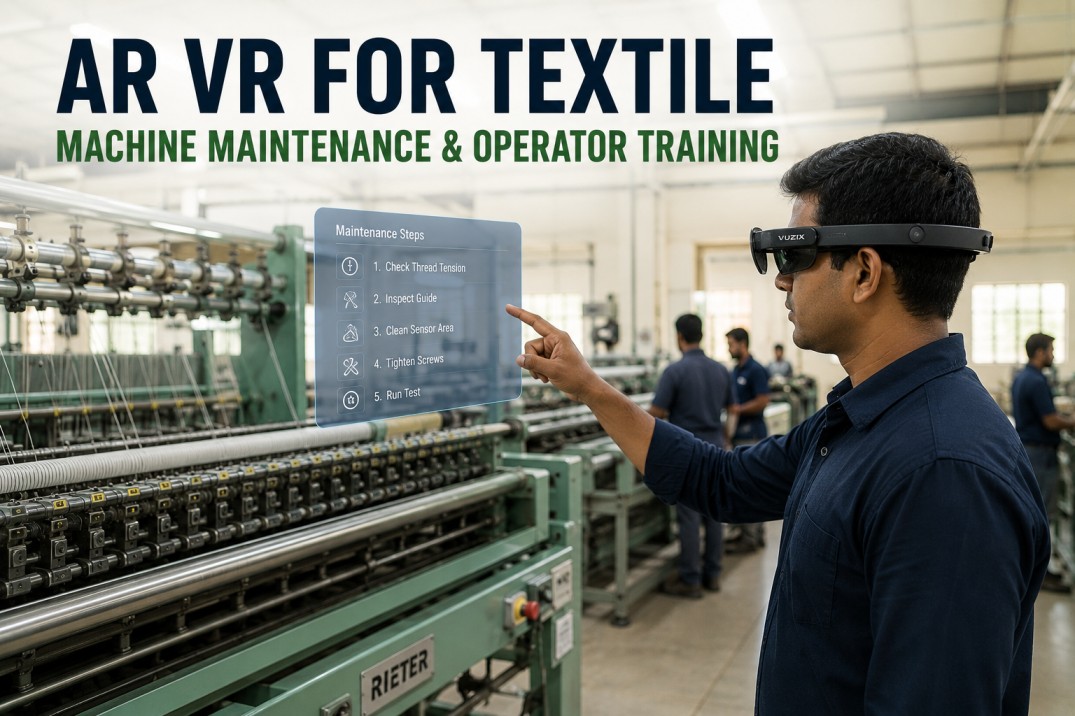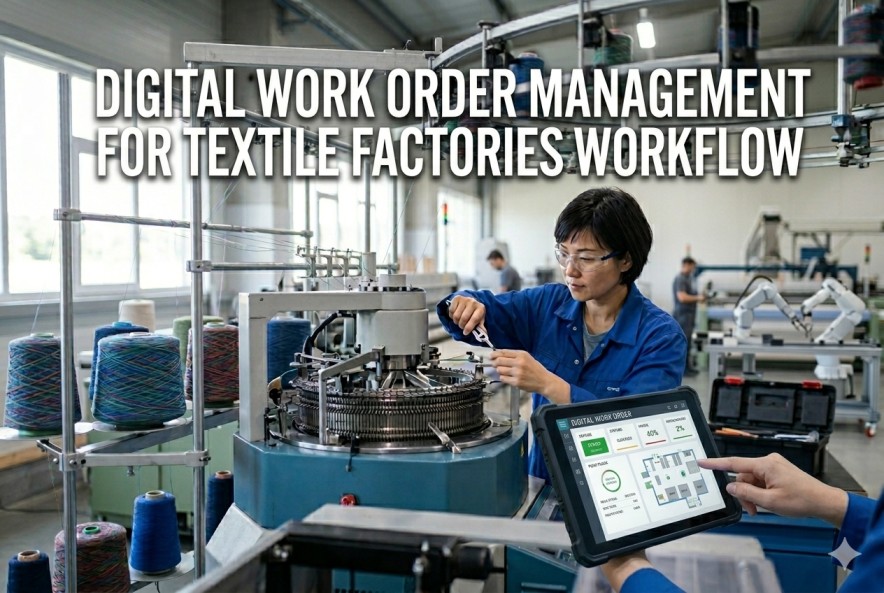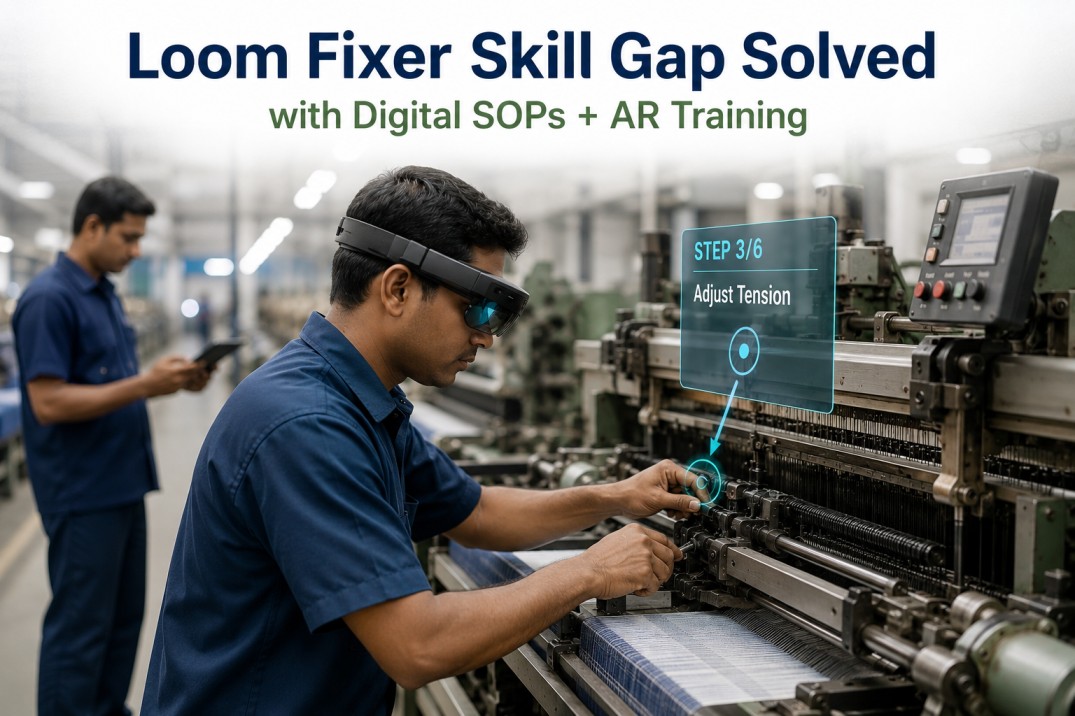
The average loom fixer carries 22 years of unwritten knowledge — and 53 percent of America's textile technicians are over 45. When a master fixer retires, their expertise in diagnosing shed timing faults, adjusting let-off tension by sound, and spotting rapier wear patterns walks out the door permanently. iFactory Digital SOP & Training Platform captures tribal knowledge into machine-specific video workflows, AR-guided procedures, and skill-certification tracks — cutting new technician on-ramp time from 16 weeks to 6. Book a demo to see how mills using digital training reduce loom downtime from human error by 40 percent and preserve critical expertise across generations.
Don't Let Your Best Loom Fixer Retire With Their Knowledge Intact.
iFactory's digital training platform captures machine-specific expertise into searchable, video-based SOPs and AR-guided workflows — deployable on any device, in any language, within 14 days.
The Loom Fixer Gap Is Accelerating Faster Than Your Training Pipeline
Three converging trends — an aging workforce, rapid automation adoption, and unstructured on-the-job training — are creating a structural shortage of qualified loom fixers that no traditional hiring strategy can solve.
The Five Critical Loom Fixer Competencies Most Mills Are Losing
A 2024 workforce needs assessment identified the specific technical skills where the gap between retiring expertise and incoming capability is widest. These five areas account for 68 percent of all escalation requests on the weaving floor.
Shed Geometry & Timing Diagnosis
Setting correct shed opening angle, depth, and timing for different fabric constructions. Master fixers calibrate by visual and auditory cues that take years to develop — and cannot be learned from a manual.
Retiring within 5 yrs: 68% of expertsTension Let-Off Calibration
Adjusting mechanical and electronic let-off systems for yarn type, beam diameter change, and fabric density. The tactile knowledge of correct tension feel is one of the most difficult skills to document.
Retiring within 5 yrs: 71% of expertsRapier & Projectile Wear Assessment
Identifying micro-wear on grippers, rapiers, and projectile components before they cause pick insertion faults. Expert fixers detect wear patterns invisible to standard inspection — preventing defects before they occur.
Retiring within 5 yrs: 64% of expertsPLC & Drive System Troubleshooting
Diagnosing faults in programmable logic controllers, servo drives, and electronic let-off systems. As looms become more automated, the gap between mechanical-only fixers and digital-capable technicians widens.
Retiring within 5 yrs: 59% of expertsFabric Defect Root-Cause Analysis
Tracing defects like stop marks, reediness, and weft bars back to specific mechanical or process causes. Expert fixers distinguish between yarn-origin and machine-origin defects — a skill that directly impacts first-quality yield.
Retiring within 5 yrs: 66% of expertsTraditional Shadowing vs. Digital SOP Training — Measured Side by Side
The industry standard of pairing a new hire with a retiring fixer for 12 to 16 weeks is no longer viable when the retiring fixer leaves in 8 weeks. Digital training compresses the curve without sacrificing depth.
Turn Your Master Fixer's Expertise Into a Reusable Digital Asset
iFactory's digital platform records, structures, and deploys your most experienced technicians' knowledge into searchable SOPs, video guides, and AR-assisted workflows — accessible to every fixer on every shift.
How Digital Training Transfers Expertise in Four Phases
Moving from unstructured tribal knowledge to standardized, repeatable training requires a structured capture-and-deploy cycle. The iFactory platform guides each phase from the master fixer's brain to the new technician's hands.
Capture
A master fixer performs each procedure while wearing a head-mounted camera or using a mobile device. Their verbal explanation, hand positioning, tool selection, and decision logic are recorded in full — preserving not just the steps but the reasoning behind each action.
1 hr records ~8 SOPsStructure
Raw footage is edited into step-by-step modules with text overlays, safety callouts, tool lists, and expected outcomes. Each SOP is tagged by machine model, defect type, and skill level — creating a searchable knowledge base accessible from any device on the floor.
2 hrs to produce 1 SOPDeploy
New technicians access SOPs via tablet, smartphone, or AR headset at the machine. Step-by-step guidance includes video playback, safety alerts, and confirmation checkpoints. For complex repairs, an AR overlay highlights the exact component location and tool angle.
Available same-day on any deviceTrack & Certify
Each technician's progress through SOP modules is tracked. Skill assessments at each level unlock certification badges. Managers see real-time dashboards showing which team members are competent in which procedures — and where skill gaps remain across the workforce.
Full competency in 6 weeks avgMeasured Impact of Digital SOP Training Across 12 Mills
Deploying digital SOPs and structured training programs across weaving departments produced consistent, measurable improvements in technician performance, machine uptime, and quality outcomes.
| Metric | Before Digital SOPs | After Digital SOPs | Improvement |
|---|---|---|---|
| Time to full technician competency | 16 weeks | 6 weeks | 62% faster |
| First-attempt repair成功率 | 62% | 89% | +27 points |
| MTTR (Mean Time to Repair) | 47 min | 22 min | 53% reduction |
| Unplanned loom downtime per shift | 38 min | 19 min | 50% reduction |
| Human-error-related stoppages | 4.2 per week | 2.5 per week | 40% reduction |
| New technician training cost per hire | $18,400 | $7,200 | 61% savings |
| Fabric first-quality yield | 82% | 91% | +9 points |
| Knowledge preservation rate (post-retirement) | 0% | 94% | Permanent asset |
The Structured Path From Apprentice to Master Loom Fixer
Digital training enables a formal progression framework that replaces the unstructured years-of-experience model with defined competency levels, measurable assessments, and clear advancement criteria.
- Basic loom safety and lockout procedures
- Warp and weft replenishment
- Machine start/stop sequence
- Recognizing common defect types
- Using digital SOP interface
- Warp break repair and piecing
- Basic shed timing adjustment
- Drop wire and heald frame setup
- Let-off tension calibration
- Minor reed and rapier maintenance
- Advanced shed geometry optimization
- PLC and drive system diagnostics
- Rapier wear analysis and replacement
- Defect root-cause investigation
- Style change and machine reconfiguration
- New machine commissioning
- Cross-machine-type expertise
- SOP creation and peer training
- Process improvement leadership
- Certification assessment authority
Frequently Asked Questions
How do digital SOPs capture the diagnostic intuition that master fixers develop over decades?
During the capture phase, the fixer narrates their diagnostic process aloud — what they look for first, how they eliminate possibilities, and which subtle cues (sound pitch changes, vibration feel, visual wear patterns) signal specific root causes. This decision logic is embedded into the SOP as branching paths: "If you observe X, proceed to step 5; if Y, skip to step 9." The result is a living knowledge base that preserves not just procedures but the expert's entire diagnostic framework.
Can the platform handle multiple loom brands and models in the same mill?
Yes. SOPs are tagged by machine make, model, year, and even specific serial number ranges. A mill running Picanol Optimax-i, Sulzer, and Dornier looms creates separate SOP libraries for each platform. The fixer's mobile or AR device automatically surfaces the correct procedure based on the machine QR code or NFC tag they scan. Multi-language support is built in, with current deployments supporting English, Spanish, Turkish, Vietnamese, and Mandarin.
What equipment is needed on the shop floor for technicians to access digital SOPs?
The platform works on any device with a web browser: ruggedized shop-floor tablets, existing smartphones, handheld scanners, or AR headsets like the RealWear Navigator. No fixed workstations are required. The platform is deployed via a lightweight PWA (Progressive Web Application) that caches SOPs for offline access in areas with limited connectivity. iFactory provides device recommendations based on your shop floor environment during the 14-day deployment.
How long does the knowledge capture process take from a master fixer's time?
A master fixer typically spends 6 to 8 hours total across two to three sessions recording their most critical procedures. The entire capture phase is completed within one week — no extended time away from their normal duties. After capture, iFactory's production team handles editing, structuring, and deployment, delivering a complete library of 40 to 60 SOPs within 14 business days. The fixer's only ongoing involvement is a 30-minute review session to validate the final SOPs before they go live.
What is the measurable ROI for a typical weaving mill with 30 to 50 looms?
Based on deployment data across 12 mills, a 40-loom facility reduces annual unplanned downtime by 1,200 hours, cuts technician training costs by $11,200 per new hire, and improves fabric first-quality yield by 9 points. The combined annual savings from these three categories alone average $186,000 per mill. At a deployment investment of approximately $28,000 for a 40-loom facility, the payback period is under 8 weeks. Knowledge preservation — the permanent capture of retiring expertise — delivers compounding value beyond these direct savings.
Can digital SOPs be updated as machine configurations or procedures change?
Yes. Any technician can flag an SOP for revision when a process changes, a new part is introduced, or a better method is discovered. The master fixer or department lead reviews the proposed update, records a replacement segment if needed, and publishes the revised SOP — typically within 48 hours. Version history is preserved, so you can track how procedures have evolved over time. This ensures the knowledge base remains accurate and current, unlike paper manuals that become outdated the day after printing.
Preserve Your Floor's Expertise Before It Walks Out the Door
Stop rebuilding knowledge with every retirement. iFactory Digital SOP & Training Platform captures your master fixers' expertise, trains new technicians 62 percent faster, and cuts human-error downtime by 40 percent. ROI in under 8 weeks.