New sensors, dashboards, and AI-driven quality systems get installed on a textile factory floor far more often than the workforce is actually prepared to use them well, and that gap is quietly responsible for more failed digital transformation projects than any technology limitation ever is. A mill can invest heavily in machine monitoring and still see almost no improvement if line supervisors don't trust the data enough to act on it, or if operators were never actually shown how a new alert changes their daily routine. Workforce readiness isn't a training afterthought to schedule once the system goes live, it's the variable that determines whether the investment pays back at all. Mills planning a rollout that wants to get the people side right from the start can talk it through with iFactory's support team.
The Technology Isn't the Hard Part. Getting Your Floor to Trust It Is.
iFactory pairs every rollout with a structured readiness plan that closes specific skill gaps by role, so your Industry 4.0 investment gets adopted by the people running the floor, not left unused after the installation team leaves.
Why Skill Gaps Sink Rollouts That Look Technically Sound
A digital transformation project can pass every technical milestone, sensors installed, dashboards live, data flowing correctly, and still fail to change a single operational outcome if the people meant to act on that data don't trust it or don't know what action it's asking for. This gap shows up differently by role, which is exactly why a single generic training session rarely closes it.
Operators Don't Trust an Unfamiliar Alert
A machine operator who has run a loom by feel for years may quietly dismiss a digital alert that contradicts their own judgment, especially without a clear explanation of what the alert is actually detecting.
Supervisors Struggle to Interpret Aggregated Data
A line supervisor comfortable managing people can still find a new dashboard's trend charts and capability scores unfamiliar territory without dedicated interpretation training.
Maintenance Teams Get Alerts With No Clear Workflow
A predictive maintenance flag that doesn't map to a defined response process just becomes another notification to ignore during a busy shift.
Leadership Assumes Readiness Instead of Assessing It
Rollouts planned around the technology timeline alone routinely skip the honest assessment of where each role actually stands before go-live.
The Three Skill Dimensions That Actually Matter
Workforce readiness for Industry 4.0 isn't one skill, it's a combination of three distinct capabilities that develop at different rates and need different kinds of support.
Digital Literacy
Basic comfort navigating a tablet, dashboard, or digital work order interface, which most modern workforces already carry from personal smartphone use but still needs confirming, not assuming.
Data Interpretation
The ability to read a trend line, a capability score, or an alert and translate it into what action, if any, it actually calls for on the floor.
System Confidence
Trust built through repeated, successful use of the system rather than a single training session, which is why confidence often lags the other two skills even after literacy and interpretation improve.
Building an Upskilling Program by Role
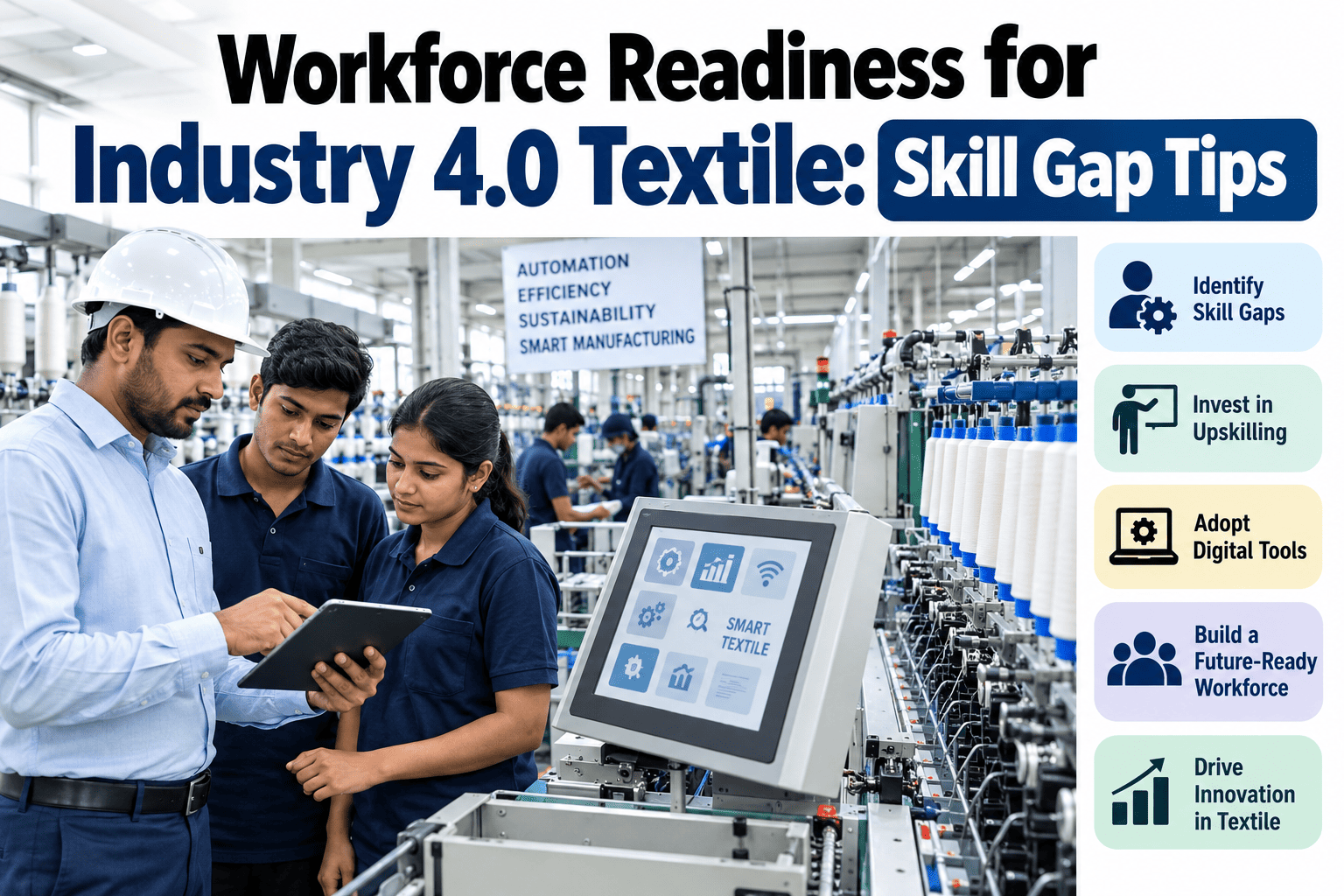
A readiness program that treats every role the same wastes training time on skills a group already has while leaving their actual gap unaddressed. Structuring training around the specific dimension each role needs most produces faster, more durable adoption.
Assess Each Role Honestly Before Rollout
A short, practical assessment across digital literacy, data interpretation, and system confidence for each role group, not a single company-wide survey.
Target Training to the Actual Gap
Operators typically need interpretation support, supervisors need dashboard fluency, and maintenance teams need workflow clarity, not identical generic sessions.
Pair Every New Tool With a Defined Response
An alert without a documented next step trains people to ignore it, so every notification needs a clear owner and action from day one.
Build Confidence Through Early Wins
Sharing a specific, visible example of the system catching something a shift would otherwise have missed does more for adoption than another training slide.
Don't Let Skill Gaps Undercut a Technically Sound Rollout
iFactory builds a role-specific readiness plan alongside every deployment, so operators, supervisors, and maintenance teams actually trust and use the system from week one.
A Composite Scenario: The Dashboard Nobody Looked At
A composite mill rolled out a real-time downtime dashboard across its spinning department with strong technical execution, sensors reporting correctly and data updating live within seconds of any stoppage. Three months later, an internal review found supervisors were still filling out the same paper downtime logs they'd used for years, treating the dashboard as an IT project rather than a tool for their own daily decisions.
A follow-up assessment revealed the gap wasn't technical resistance, it was that supervisors had never been shown how to translate the dashboard's trend view into the specific conversations they needed to have during shift handover. A focused two-week program built around that exact translation, using the supervisors' own recent downtime data as training material instead of generic examples, changed adoption dramatically. Within a month, paper logs had been retired entirely and supervisors were referencing dashboard trends unprompted during daily production meetings.
Common Mistakes in Workforce Readiness Planning
Treating Training as a One-Time Event
A single launch-day session rarely builds the sustained confidence needed for a role to trust a new system under real production pressure.
Using the Same Content for Every Role
Operators, supervisors, and maintenance teams need different skills reinforced, and generic training leaves each group's actual gap unaddressed.
Never Assessing Readiness Before Go-Live
Assuming readiness instead of measuring it means gaps only surface after the rollout, when they're far more disruptive to address.
No Defined Workflow Behind New Alerts
A notification with no clear owner or next step gets learned as noise within the first few weeks, regardless of how accurate the underlying data is.
Is Your Mill Ready to Build a Role-Specific Readiness Plan
You can name the specific roles a new system will touch
A clear list of affected roles, from operators to supervisors to maintenance, is the starting point for any targeted plan.
You're willing to assess readiness honestly before rollout
A short, practical assessment per role reveals gaps far more reliably than assuming digital comfort based on age or tenure.
Every new alert or dashboard has a defined response owner
Deciding who acts on what, and how, before go-live prevents the notification-as-noise problem from ever taking hold.
Leadership is willing to invest in training beyond launch day
Sustained confidence-building, not a single session, is what actually determines whether adoption sticks past the first month.
Frequently Asked Questions
Which role typically has the biggest skill gap during an Industry 4.0 rollout?
It varies by mill, but machine operators most often need the most support with data interpretation specifically, since they're frequently comfortable with basic digital literacy from personal device use but haven't previously needed to translate a trend chart or capability score into an operational decision. Line supervisors, meanwhile, often need more support building system confidence than literacy, since their gap tends to be trust in a new tool rather than difficulty using it. Mills wanting a role-by-role readiness assessment can start that conversation with iFactory support.
How long does it realistically take to close a workforce skill gap?
Digital literacy gaps often close within days for most modern workforces, but data interpretation and system confidence develop more slowly and typically need several weeks of guided, repeated use before they become durable habits rather than something people revert away from under production pressure. Programs that pair training with early, visible wins using the team's own real data tend to build confidence noticeably faster than generic training content alone.
Should workforce readiness training happen before or after the system goes live?
Both, ideally. An initial readiness assessment and baseline training before go-live prevents the worst early trust gaps, while a shorter follow-up program two to four weeks after launch, built around the team's own live data rather than generic examples, is often what actually closes the interpretation and confidence gaps that only become visible once the system is in daily use.
How do we know if a rollout is failing because of technology or because of workforce readiness?
A useful signal is whether the system is technically functioning correctly, data flowing, alerts firing, dashboards updating, while operational outcomes still aren't improving; that pattern almost always points to a readiness or adoption gap rather than a technology problem. Watching whether people are actually referencing the new tool unprompted in daily conversations, like shift handovers or production meetings, is often a more reliable adoption indicator than login counts or dashboard view statistics alone.
Can a small mill with limited training resources still build an effective readiness program?
Yes, and a smaller mill often has an advantage here since role-specific training can happen in smaller, more personalized groups without the coordination overhead a large facility faces. The core principles, honest role-specific assessment, targeted rather than generic training, defined alert workflows, and early visible wins, scale down effectively even with a modest training budget. Book a demo to see how a readiness plan gets scoped around your team size and roles.
Give Your Rollout the People Plan It Needs to Actually Work
iFactory builds a role-specific workforce readiness plan into every deployment, so your Industry 4.0 investment gets trusted and used, not just installed.