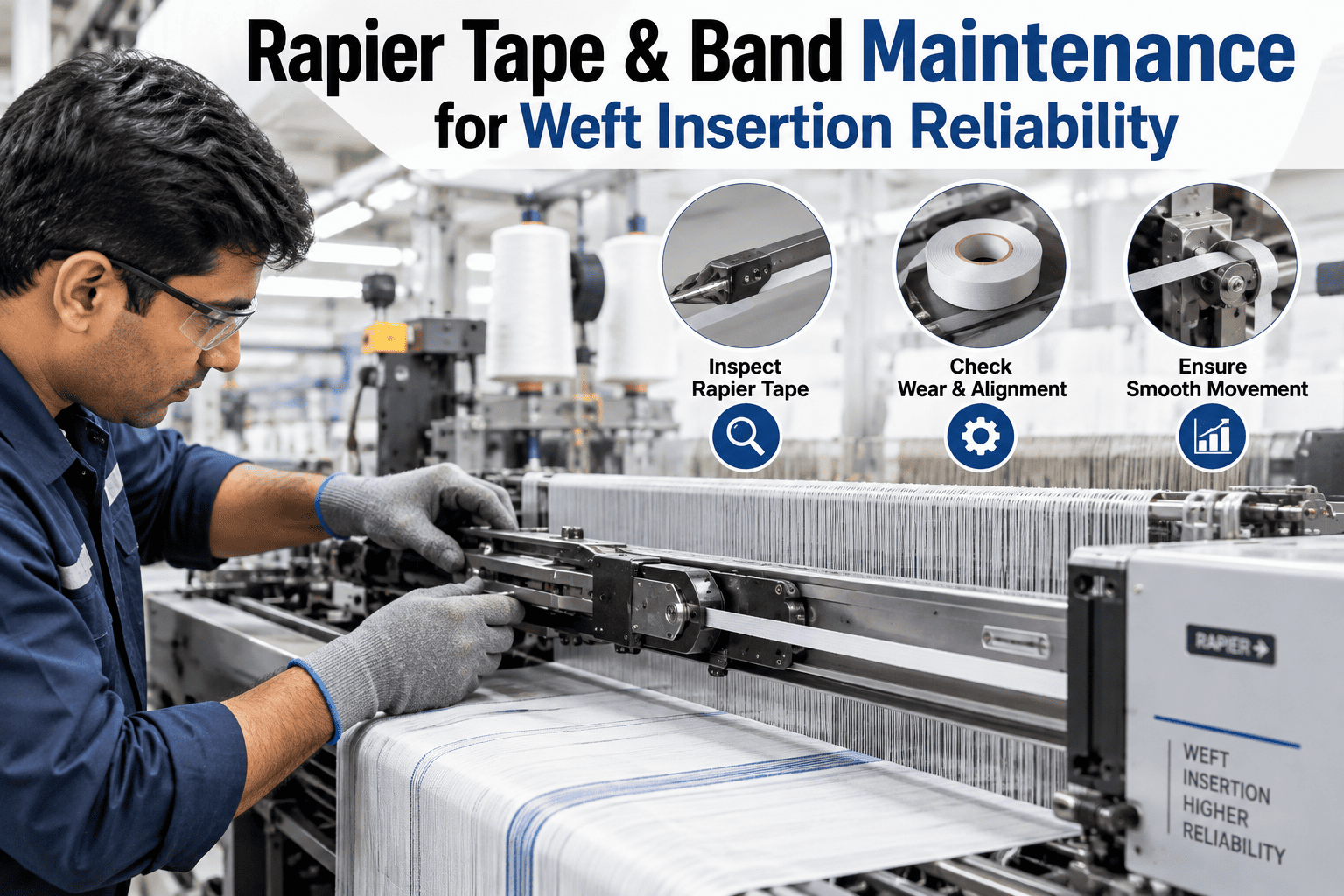
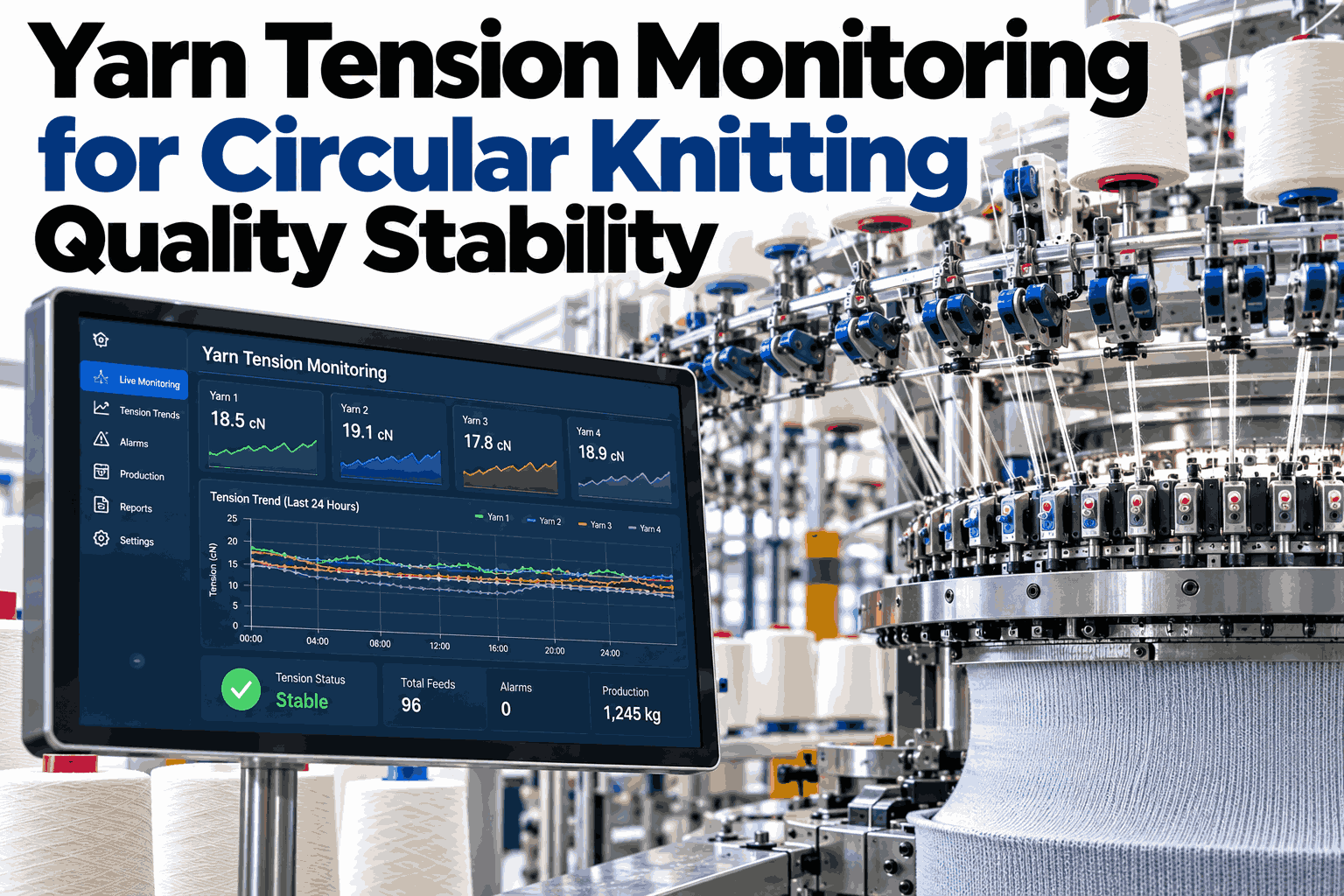
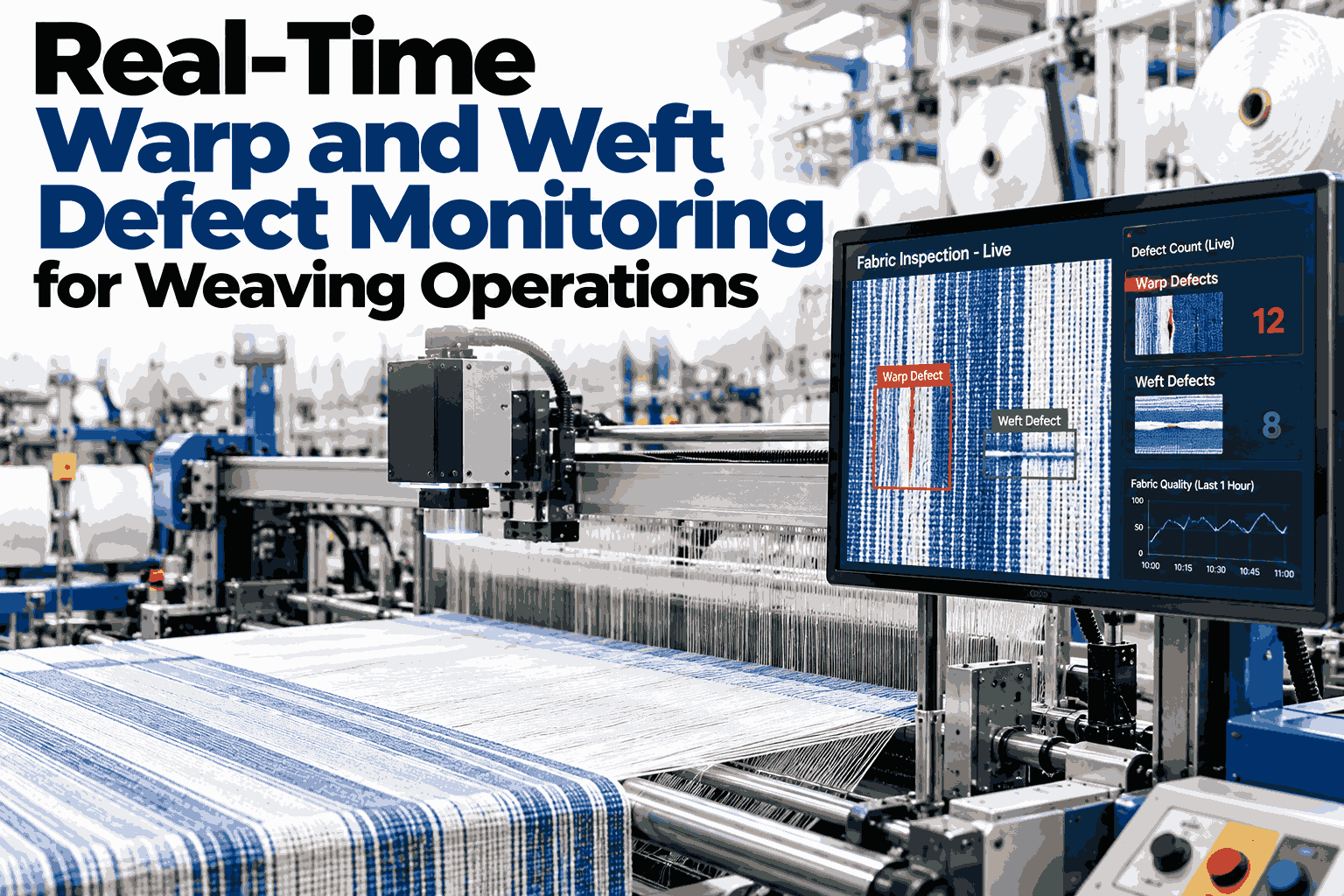
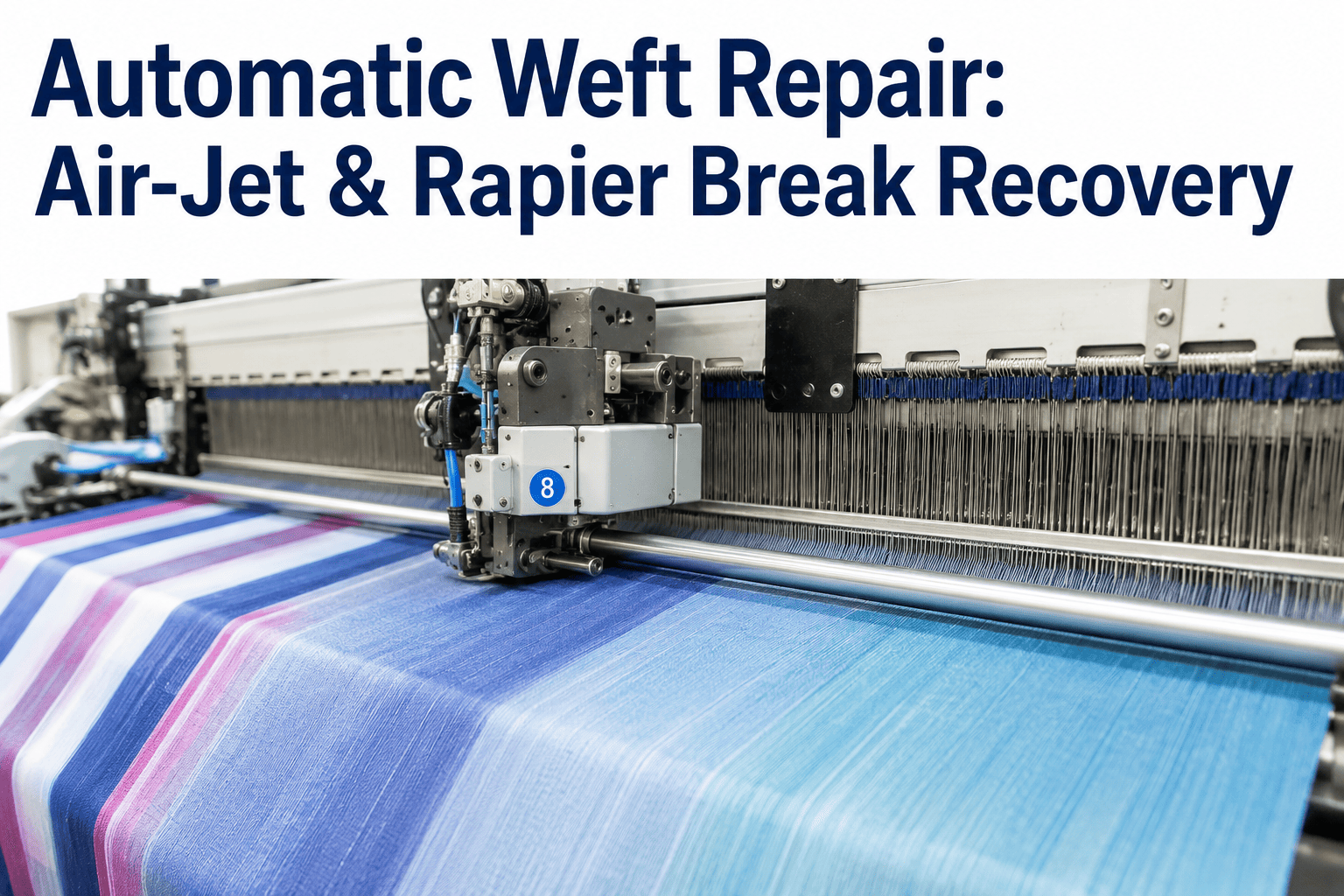
A worn rapier tape rarely announces itself with a dramatic failure. It shows up first as a slightly inconsistent weft insertion, a pick that lands a fraction of a millimeter off its intended position, or an intermittent insertion fault that an operator clears and forgets about because the loom starts running again within seconds. This gradual, easy-to-dismiss failure pattern is exactly why tape condition is one of the most commonly overlooked maintenance variables on a rapier loom, even at mills that are otherwise disciplined about preventive maintenance on the rest of the machine. By the time a tape or band actually breaks mid-shift, it has usually been degrading for days or weeks, quietly contributing to fabric defects and insertion faults that get logged under vague causes because nobody connected them back to the tape's actual condition. Rapier tape and band maintenance is one of the most underinvested areas of loom upkeep precisely because the failure mode is gradual rather than sudden, and a maintenance program built around fixed replacement intervals rather than actual condition data either replaces tapes too early, wasting money, or too late, after insertion quality has already suffered. To see how condition-based tape monitoring can tighten insertion reliability on your looms, you can book a demo with iFactory.
RAPIER LOOMS · TAPE & BAND CONDITION · WEFT INSERTION
Catch Rapier Tape Wear Before It Shows Up as an Insertion Fault
iFactory monitors rapier tape and band condition continuously, flagging degradation before it causes insertion faults, fabric defects, or an unplanned mid-shift failure.
THE WEAR PROGRESSION
How Rapier Tape Condition Actually Degrades Over Its Service Life
Tape and band wear follows a recognizable progression, though the pace varies significantly based on fabric type, insertion speed, and tape material. Understanding where a given tape sits in this progression is far more useful for maintenance planning than relying on a fixed calendar-based replacement schedule alone. A tape running a heavy, abrasive fabric at high insertion speed can move through these stages in a fraction of the time it takes an identical tape running a lighter fabric at moderate speed, which is precisely why a single fixed replacement interval applied uniformly across a mixed production mix tends to serve neither extreme well.
New Condition
Consistent insertion timing, no visible surface wear, full guide contact across the tape width.
Early Surface Wear
Minor surface polish or light abrasion visible under inspection, insertion performance still within normal range.
Measurable Degradation
Timing variation becomes detectable, edge fraying or thinning begins, occasional insertion faults start appearing.
Accelerating Failure Risk
Insertion faults increase in frequency, fabric defects begin appearing, tape replacement should be scheduled immediately.
End of Service Life
Breakage risk is high, continued operation risks an unplanned mid-shift failure and downstream fabric damage.
REPLACEMENT DECISION CRITERIA
Signals That Should Trigger a Tape or Band Replacement
Relying solely on a fixed replacement interval means either discarding tapes with significant useful life left or running degraded tapes past the point where they are already affecting fabric quality. The criteria below give a more precise basis for the replacement decision. In practice, no single criterion is decisive on its own, and the most reliable replacement decisions combine at least two of the four signals below, since any one signal in isolation can occasionally produce a false positive from an unrelated cause, such as a temporary yarn quality issue mimicking a tape-related timing shift.
Insertion Timing Variance
A measurable increase in the variance of weft insertion timing compared to the tape's baseline performance when new is often the earliest reliable indicator of wear.
Visible Surface Condition
Fraying at the edges, surface cracking, or thinning visible during routine inspection indicates the tape has entered the accelerating wear phase.
Insertion Fault Frequency
A rising trend in insertion fault stops attributable to a specific tape, tracked over its service life, is a direct performance signal worth acting on.
Fabric Defect Correlation
Defects appearing specifically on the picks associated with a particular tape's insertion cycle point directly back to that tape's condition as the root cause.
Move From Calendar-Based to Condition-Based Tape Replacement
iFactory tracks the real condition signals that predict tape failure, so replacement decisions are based on actual wear, not a generic interval.
SELECTING THE RIGHT TAPE
Matching Tape Material and Construction to Your Actual Production Mix
Tape selection is often treated as a one-time decision made years ago and rarely revisited, even as a mill's fabric mix and production speeds change over time. The comparison below outlines how different tape characteristics trade off against common production priorities. Revisiting this decision periodically, particularly after a significant shift in product mix or a move to higher insertion speeds, often reveals that the tape specification chosen years ago for a different production profile is no longer the best fit and is quietly costing money through excessive replacement frequency or under-protecting against the fabrics now running most often.
MEASURED IMPACT
Results From Mills That Moved to Condition-Based Tape Monitoring
The figures below reflect outcomes from rapier weaving operations that adopted continuous tape condition tracking after previously relying on fixed replacement schedules or reactive replacement after failure.
41%
Reduction in Insertion-Related Fabric Defects
Catching degrading tapes before they affected insertion consistency prevented a meaningful share of defects previously attributed to other causes.
18%
Extension in Average Useful Tape Life
Condition-based replacement avoided discarding tapes with remaining useful life under a conservative fixed interval schedule.
57%
Fewer Unplanned Mid-Shift Tape Failures
Early detection of accelerating wear allowed tapes to be scheduled for replacement during planned maintenance instead of failing mid-production.
FREQUENTLY ASKED QUESTIONS
Questions Weaving Maintenance Teams Ask About Tape Monitoring
How is tape condition actually measured without physically removing the tape for inspection?
Condition is inferred primarily through insertion timing analysis, monitoring the precise timing and consistency of each weft insertion cycle and detecting the subtle variance that develops as a tape wears, combined with periodic visual inspection data captured during routine maintenance windows without requiring tape removal. This timing-based approach catches degradation earlier than visual inspection alone, since measurable timing variance often precedes visible surface wear by a meaningful margin, giving maintenance teams a longer window to schedule replacement before insertion quality is actually affected. The system builds a baseline for each tape when new and tracks deviation from that baseline over its service life.
Book a demo to see how timing-based condition monitoring works.
Does this work across different rapier loom brands and tape types, or is it tied to a specific manufacturer?
The monitoring approach is designed to work across the major rapier loom platforms in common use, since it relies on standard insertion timing and control signals available on most modern rapier looms rather than a proprietary interface specific to one manufacturer, and it accommodates the range of tape materials and constructions used across different fabric types and production speeds. Configuration during setup accounts for the specific loom model, tape type, and typical fabric mix at your mill to establish accurate baseline expectations for what normal insertion timing looks like on your specific equipment.
Contact support to confirm compatibility with your specific loom models.
How much lead time does the system typically give before a tape needs replacement?
Typical lead time between the first detectable degradation signal and the point where replacement becomes urgent ranges from one to three weeks of normal production, depending on the specific tape material, fabric being run, and insertion speed, giving maintenance planners a realistic window to schedule the replacement during a planned stop rather than reacting to an unplanned failure. This window is not fixed and narrows for tapes running at higher insertion speeds or heavier fabric loads, which is why the system provides an estimated remaining service window rather than a single fixed number that would not account for these variables.
Book a demo to see how lead time estimates are calculated for your production mix.
Can tape condition data help us decide whether to switch tape suppliers or specifications?
Yes, tracking actual service life and wear progression by tape specification and supplier over time builds an objective performance comparison that is far more reliable than anecdotal impressions from the floor, which often reflect a single bad batch or an unusually demanding fabric run rather than genuine supplier performance differences. Mills running multiple tape specifications simultaneously, whether intentionally for comparison or simply due to inventory mix, can use this data to make a genuinely evidence-based purchasing decision the next time a tape contract or specification is up for renewal.
Contact support to discuss supplier performance comparison reporting.
Is this system also useful for training operators to recognize early tape wear during routine checks?
Yes, many mills use the condition data alongside operator training, showing floor staff what the timing variance and visual wear signals actually look like at each stage of the progression so operators develop a more informed eye during their own routine checks, rather than relying solely on the automated system to catch every case. This combination of automated monitoring and better-trained visual inspection tends to produce the most reliable outcome, since operators who understand what they are looking for become a genuine second layer of detection rather than simply running the tape until it fails or the system flags it.
Book a demo to see the operator-facing condition reporting.
Stop Guessing When a Tape Is About to Fail
iFactory tracks the real wear signals that predict rapier tape and band failure, giving your maintenance team a real lead-time window instead of a fixed calendar guess.