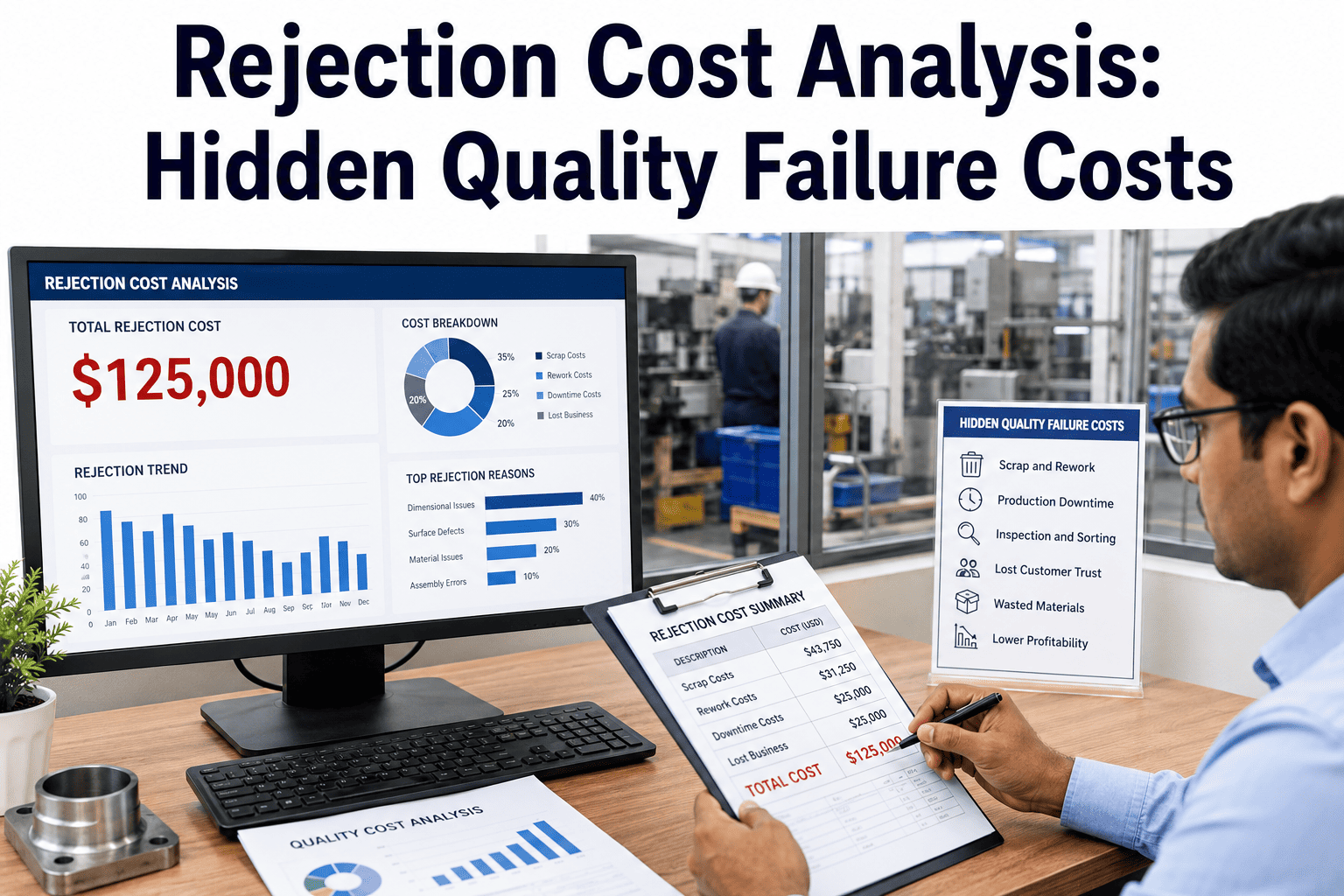
Ask a mill manager what fabric rejection costs and most will quote the value of the rejected material itself, a number pulled straight from the fabric cost sheet. That number is real, but it's also the smallest piece of what a rejection actually costs once rework labor, machine time, delivery delays, and customer compensation are added in honestly. The rest of that cost hides in departments that never file it under quality at all, which is exactly why so many mills chronically underinvest in the process improvements that would prevent it. A complete rejection cost picture changes which quality investments get approved, because the payback math looks very different once the hidden costs are counted. Teams that want help building a full cost-of-quality model around their own rejection data can start with iFactory's support team.
The Fabric Cost of a Rejection Is Just the Tip of What It Actually Costs
iFactory tracks rework labor, machine time, delivery delay, and downstream compensation against every rejection, so quality investment decisions get made against the true cost of poor quality instead of the fabric cost sheet alone.
The Four Cost Buckets Most Rejection Reports Miss
Cost of poor quality frameworks generally split into internal failure costs, discovered before a shipment leaves the factory, and external failure costs, discovered after a buyer has the goods in hand. Most mills track only the first category, and only part of it, which means the real cost of a rejection is consistently underestimated in every planning conversation that follows.
Rework Labor Cost
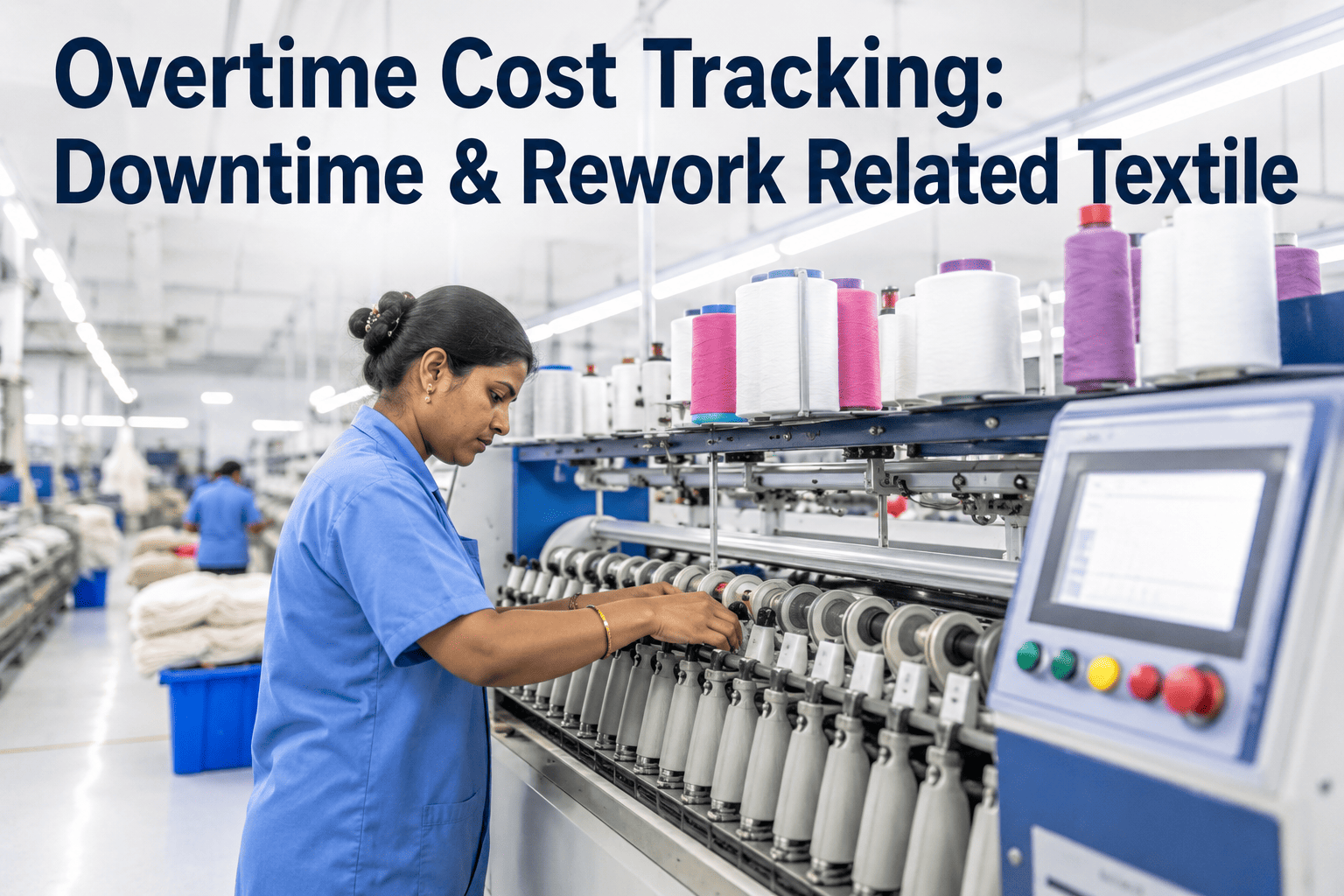
Mending, spotting, and repair work pulls skilled operators off regular production, and that labor cost rarely gets attributed back to the specific rejection that caused it.
Excess Material Consumption
Re-cutting garment parts to replace a rejected panel consumes additional fabric beyond the original marker plan, a cost that shows up in yield reports without ever being tied to quality.
Machine and Line Downtime
Every minute a machine or sewing line sits idle waiting on a quality decision or replacement material is capacity that could have produced saleable output.
External Failure and Reputation Cost
Buyer claims, returns, and the harder-to-quantify cost of a damaged supplier reputation tend to be the largest bucket and the one least often measured at all.
Calculating What a Rejection Actually Costs
A defensible rejection cost figure combines several data points that most factories already track separately but rarely combine into a single number per rejected lot.
| Cost Component | What It Captures | Where the Data Usually Lives |
|---|---|---|
| Fabric Value | Cost of the rejected material itself | Fabric cost sheet, purchase records |
| Rework Labor | Wages for mending, spotting, repair hours | Time and attendance, production logs |
| Excess Consumption | Additional fabric issued for re-cutting | Cutting room issue records |
| Machine Downtime | Idle capacity while awaiting rework or replacement | Line efficiency and downtime logs |
| Delay Penalties | Contractual costs for missed delivery dates | Order contracts, logistics records |
| External Claims | Buyer compensation, returns, replacement shipments | Customer service and claims logs |
Why Hidden Costs Change What Gets Approved
A quality improvement project that looks marginal when justified only against fabric value can look compelling once the full cost picture is on the table, and that shift in the math is often the difference between a project getting funded or shelved for another year.
Fabric-Only Justification Undersells the Case
A defect detection upgrade that saves a modest amount in rejected fabric value alone often struggles to clear a capital approval threshold.
Adding Labor and Downtime Reveals the Real Number
The same project, evaluated against rework labor and idle machine time avoided, frequently shows a payback period several times faster.
External Failure Cost Tips the Decision
Factoring in even a conservative estimate of avoided buyer claims and reputation risk usually makes the investment case difficult to argue against.
Stop Approving Quality Projects Against Only a Third of the Real Cost
iFactory captures rework labor, downtime, and delay data alongside every rejection, giving you the full cost of poor quality picture instead of just the fabric line item.
A Composite Scenario: The Project That Almost Didn't Get Funded
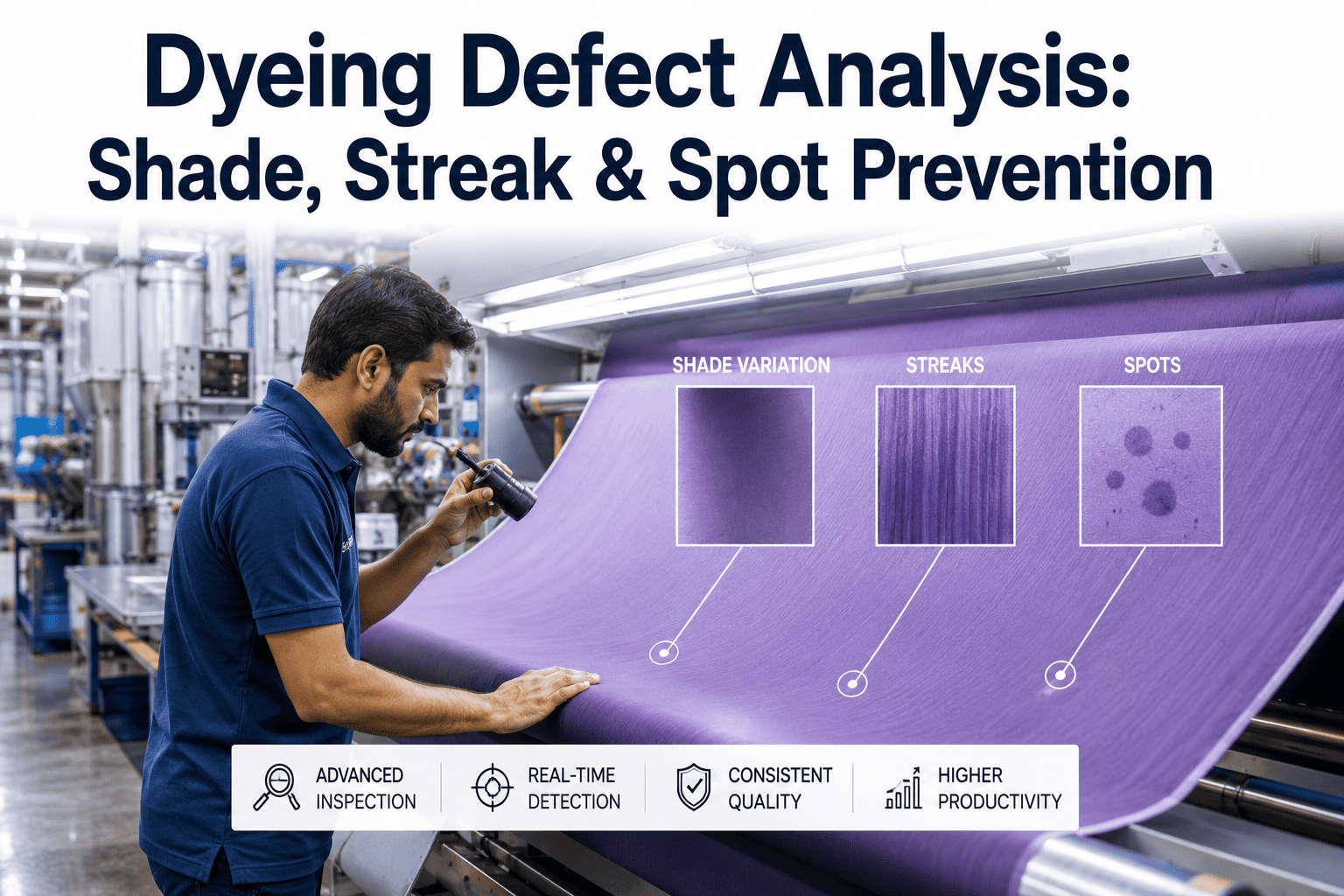
A denim manufacturer's quality team proposed an automated shade-matching camera system for its finishing line after a run of shade-variation rejections, but the initial business case, built only against the value of rejected fabric, projected a payback period long enough that finance nearly shelved it in favor of other capital priorities.
Before the final review, the team rebuilt the case using actual rework labor hours logged against those specific rejections, the excess fabric consumed in re-cutting affected panels, and a documented buyer claim from the previous quarter tied to a shade mismatch that had already shipped. The revised total cost came in at nearly four times the fabric-only figure, and the same camera investment that had looked marginal now showed a payback period well inside the finance team's normal threshold.
Common Mistakes in Rejection Cost Accounting
Stopping at Fabric Value
Using only the raw material cost of a rejection systematically understates the true financial impact and weakens every improvement business case built on it.
Never Tying Downtime Back to Quality
Machine idle time caused by a quality hold often gets logged as a generic efficiency loss rather than attributed to the rejection that actually caused it.
Excluding External Failure Cost Entirely
Buyer claims and reputation cost are harder to quantify than internal rework, which leads many factories to leave them out of the model altogether rather than estimate them conservatively.
Calculating Cost Once a Year Instead of Continuously
An annual cost of quality review misses the pattern-level insight that comes from seeing which specific defect types are driving cost month over month.
Is Your Rejection Cost Data Complete Enough to Trust
You track rework labor hours against specific rejections
Time attendance data alone isn't enough unless it can be tied back to which rejection actually caused the extra hours.
Your cutting room records excess consumption from re-cutting
Excess fabric issued to replace rejected panels needs its own line item, separate from normal wastage allowances.
Delivery delay costs are documented per affected order
Contractual penalty clauses and expedited shipping costs both belong in the model whenever a rejection pushes a delivery date.
Finance and quality teams agree on how external costs are estimated
A conservative, agreed-upon method for estimating claims and reputation cost is more useful than leaving that category out because it's imprecise.
Frequently Asked Questions
Why isn't fabric value alone a good enough measure of rejection cost?
Fabric value only captures the raw material lost, ignoring the labor spent on rework, the machine and line capacity sitting idle while a quality issue is resolved, and any downstream delay or claim cost the rejection triggers further along the order. Most cost of poor quality studies find the true total running three to five times higher than fabric value alone once these categories are added honestly, which is a large enough gap to change which improvement projects actually get funded. Mills wanting help structuring this calculation can reach out to iFactory support for guidance specific to their production data.
How do we estimate external failure costs like buyer claims and reputation impact?
External costs are harder to pin down precisely, but a conservative, consistent estimation method is far more useful than excluding the category entirely. Most factories start with documented claims data, including compensation paid, replacement shipments, and any expedited freight costs tied to a specific rejection, then apply a modest reputation or future-order-risk factor agreed on jointly by finance and quality leadership rather than leaving that value at zero by default.
Should rejection cost be calculated per lot or aggregated monthly?
Both views serve a purpose, but per-lot calculation is what actually enables root cause analysis, since it lets a quality team trace cost back to a specific machine, shift, or supplier rather than seeing only a monthly total. Monthly aggregation is useful for reporting trends to leadership, but the underlying detail needs to exist at the lot level or the pattern-finding value of the whole exercise is lost.
How does a complete cost model change how improvement projects get approved?
Capital approval processes typically compare a project's cost against its projected savings, and a project justified only against fabric value routinely shows a payback period too long to clear a normal approval threshold. The same project, evaluated against the full cost including labor, downtime, and delay, often shows a payback period several times faster, which is frequently the deciding factor in whether a quality investment gets funded at all. Book a demo to see how a complete cost model gets built around your own rejection history.
What's the fastest way to start building this kind of cost model without a major system overhaul?
Start with the rejection categories already causing the most volume, and connect just two or three additional data sources, typically rework labor hours and excess fabric consumption, since those two alone usually reveal the majority of the hidden cost gap. A full external failure cost model and automated per-lot tracking can be layered in afterward once the initial numbers make the case for further investment in the tracking system itself.
See the Full Cost of Every Rejection, Not Just the Fabric Line Item
iFactory connects rework labor, downtime, delay, and claims data to every rejection, giving your team the complete cost of poor quality picture behind every improvement decision.