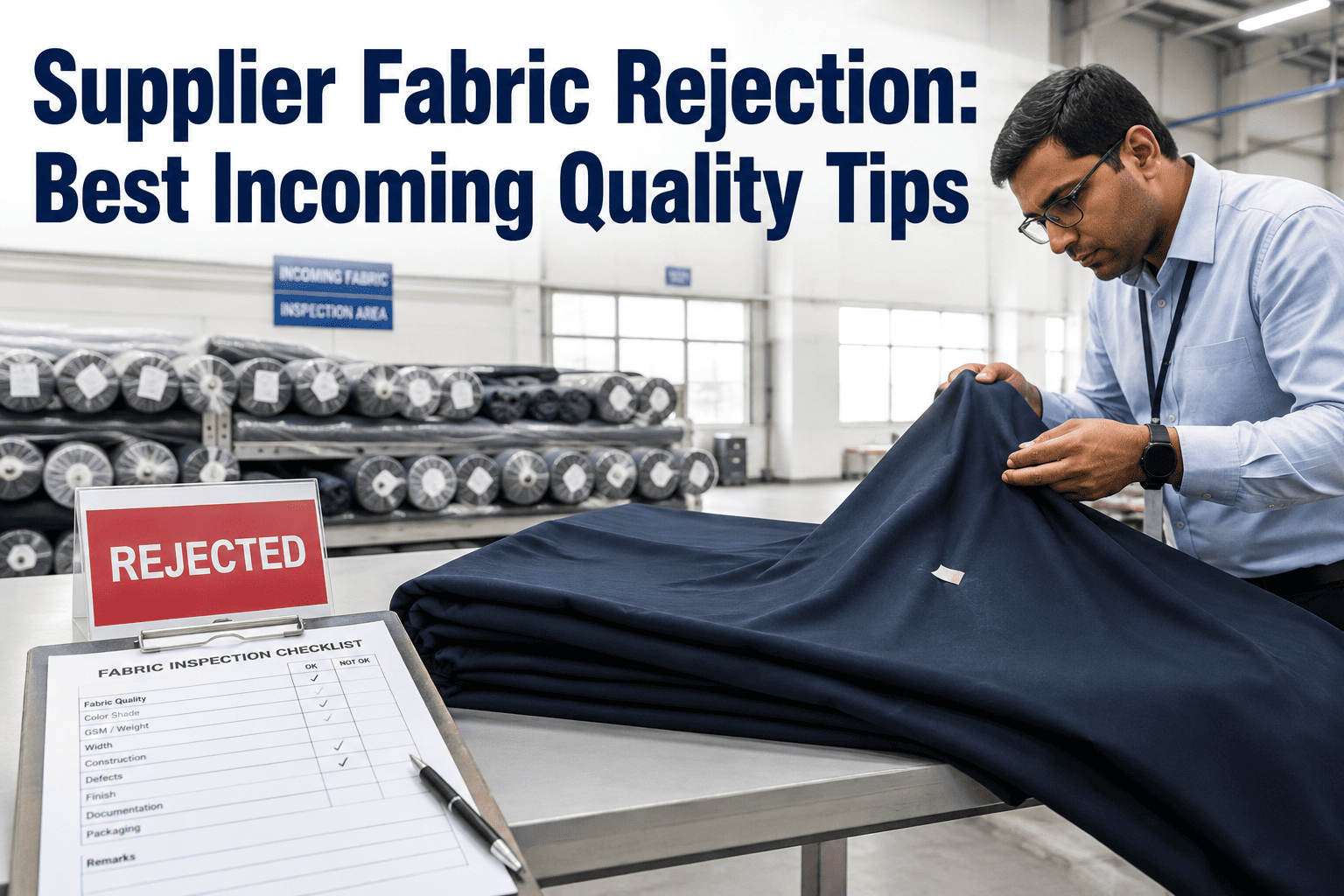
Every rejected fabric roll at incoming inspection is a decision that already happened somewhere else, usually weeks earlier at a supplier's greige stage or dye house, long before the fabric ever reached your warehouse door. By the time a quality controller flags a shade mismatch or a GSM variance at receiving, the cutting schedule is already at risk and the real question isn't whether to reject the roll, it's why that supplier's rejection pattern wasn't visible before the order was even placed. A structured incoming quality and vendor rating system turns scattered rejection records into a running scorecard that tells procurement exactly which suppliers earn more orders and which need a corrective action plan before the next PO goes out. Garment manufacturers building this kind of system can get a head start by talking with iFactory's support team about connecting incoming inspection data directly to supplier scoring.
Some Suppliers Cost You More at Receiving Than Their Invoice Ever Shows
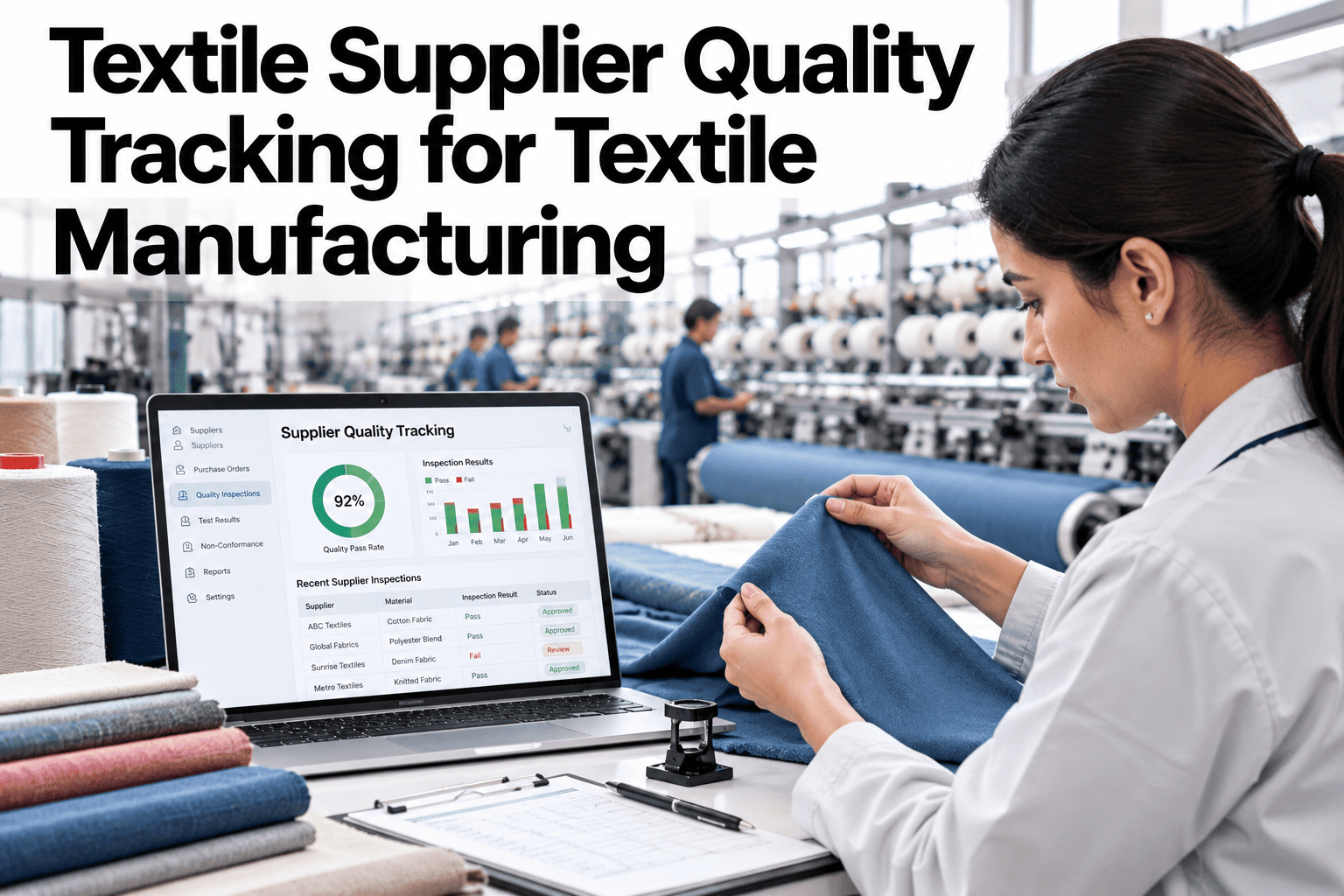
iFactory tracks every incoming inspection result against each fabric supplier automatically, turning scattered rejection notes into a live vendor rating that procurement can act on before the next purchase order, not after another cutting schedule slips.
Why Fabric Rejection Is a Procurement Problem, Not Just a QC Problem
Incoming quality control teams catch the defect, but they rarely control which supplier gets the next order, which means the two departments most responsible for fabric quality often work from completely different information. Quality logs a shade variance and moves on to the next roll; procurement places the next purchase order based on price and lead time because nobody handed them a rejection trend. Closing that gap requires treating every incoming inspection result as a data point that feeds directly back into how suppliers get scored, ranked, and ultimately selected for future business.
Rejection Data Stays in QC's Notebook
Paper inspection reports or disconnected spreadsheets mean procurement rarely sees rejection patterns until a supplier relationship has already caused real production delay.
Every Inspector Applies AQL Differently
Without a standardized sampling and scoring method, two inspectors can grade the same fabric lot differently, undermining any supplier comparison built on that data.
One Bad Lot Doesn't Trigger Any Review
A single rejected roll rarely changes a supplier relationship, but a pattern across five or six lots should, and without tracking that pattern never gets surfaced.
Price Wins Even When Quality Cost Is Higher
A cheaper fabric supplier with a higher rejection rate can end up costing more once rework, delay, and re-cutting are factored in, but that comparison rarely gets made explicitly.
Building an Incoming Inspection Sampling Plan That Actually Holds Up
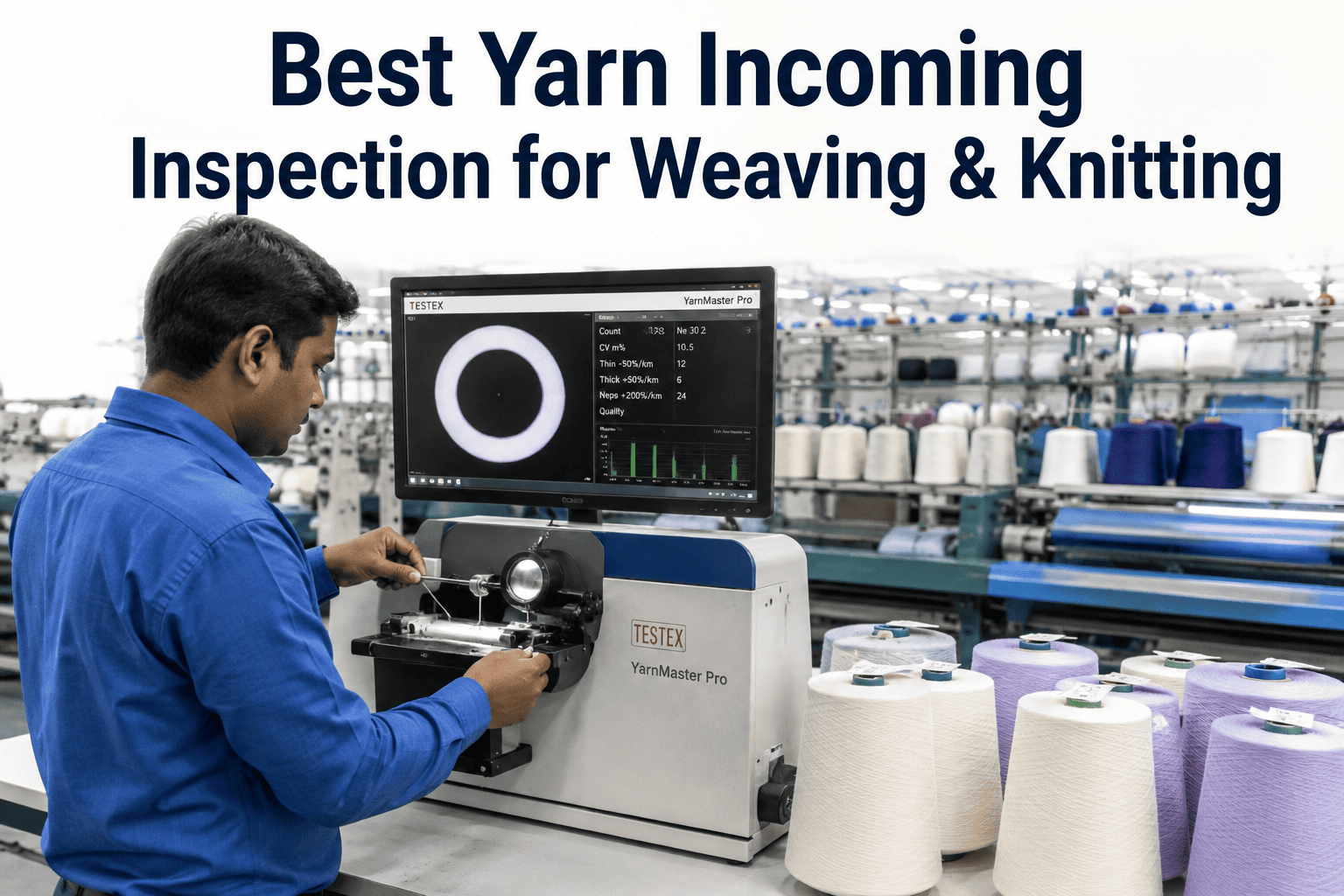
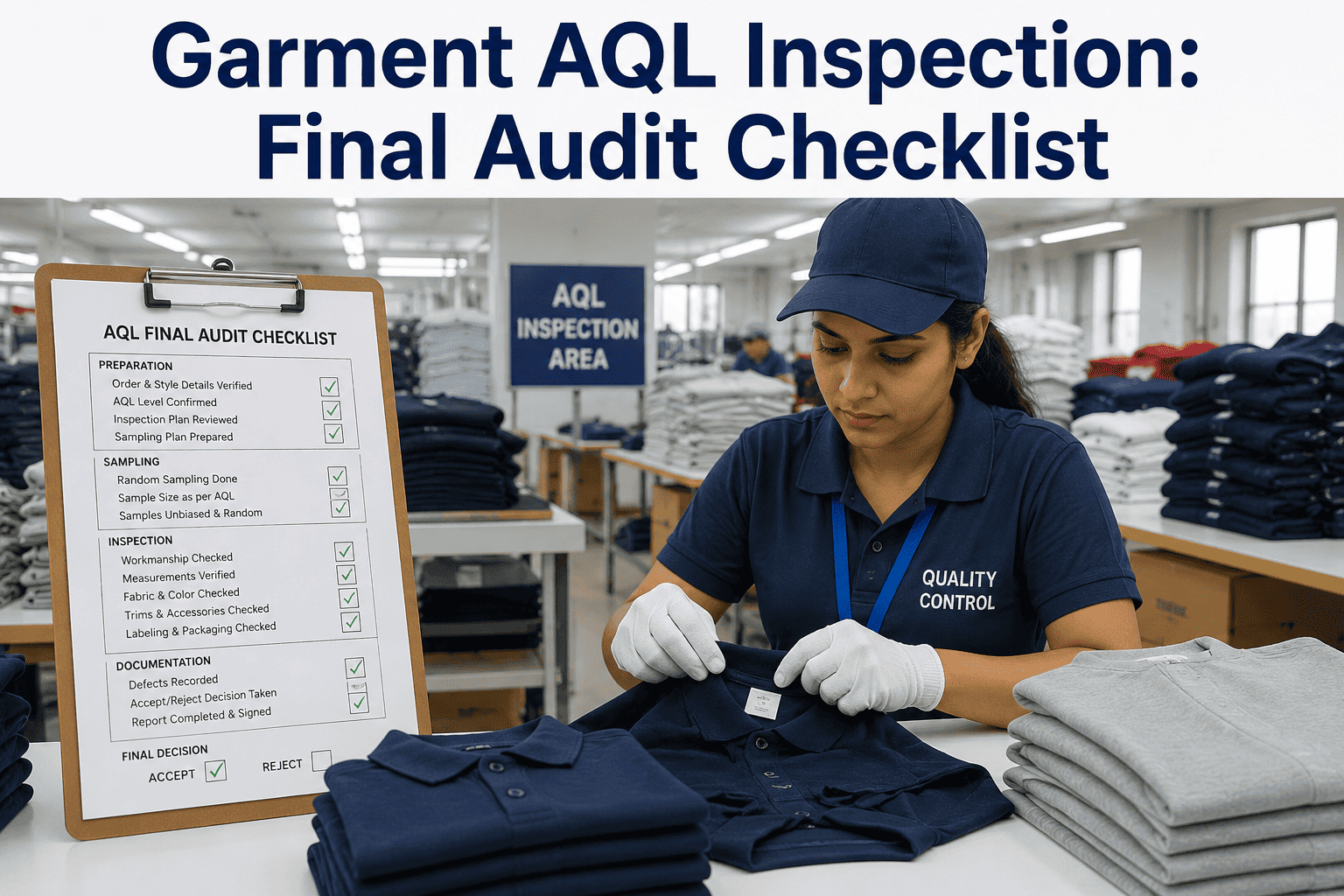
A vendor rating system is only as credible as the inspection data feeding it, and that starts with a consistent, defensible sampling method applied the same way across every supplier and every lot. Most mills and garment manufacturers work from an Acceptance Quality Limit framework, where sample size and acceptance thresholds are tied to lot size rather than inspector judgment.
| Lot Size (Rolls) | Sample Size | Accept Threshold | Reject Threshold |
|---|---|---|---|
| Up to 50 | 8 rolls | 1 defect | 2 defects |
| 51 - 150 | 13 rolls | 2 defects | 3 defects |
| 151 - 500 | 20 rolls | 3 defects | 4 defects |
| 501 - 1,200 | 32 rolls | 5 defects | 6 defects |
Applying one fixed plan across every supplier removes the variability that makes rejection data unreliable, and it's the foundation every downstream rating score depends on. Inspectors record defect type, location, and severity against this same structure so that the resulting numbers can be compared apples to apples across an entire supplier base.
What Actually Belongs in a Vendor Rating Score
A useful vendor rating goes beyond a single acceptance percentage, since two suppliers with identical rejection rates can differ meaningfully in how they respond once a problem is flagged.
Lot Acceptance Rate
The core metric, tracked as a rolling average across the last several orders rather than a single lot, to smooth out normal variation.
Defect Severity Mix
A supplier with frequent minor defects is a different risk than one with occasional critical defects like off-shade or structural flaws, and the score should reflect that difference.
Corrective Action Responsiveness
How quickly and effectively a supplier responds to a rejection notice, since a fast, thorough correction matters as much as the original defect rate.
On-Time Delivery Against Order Dates
Quality and delivery performance often move together, and both belong in a single rating so a supplier can't compensate for late shipments with acceptable fabric quality alone.
Turn Every Rejected Roll Into a Data Point Procurement Can Use
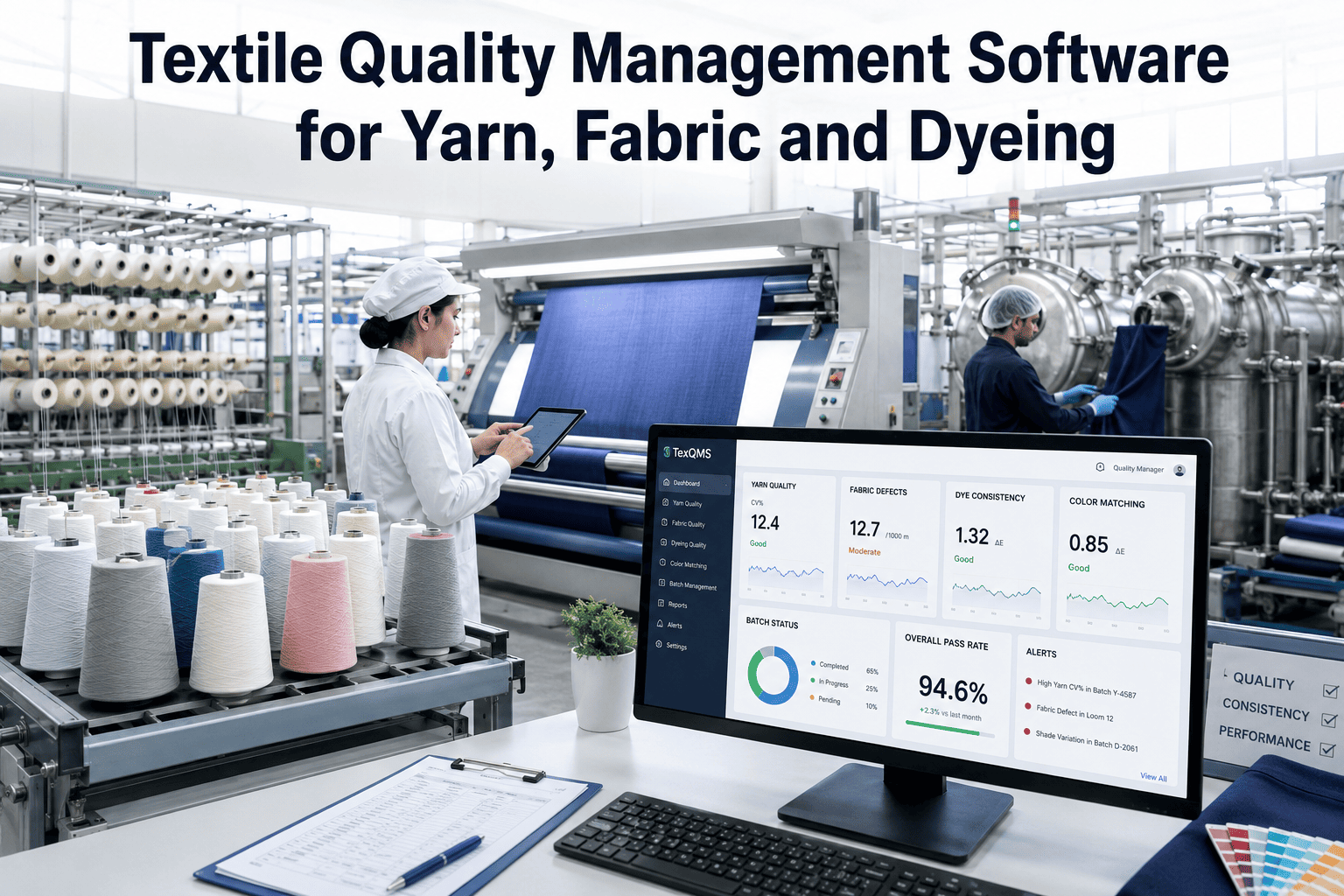
iFactory connects incoming inspection results directly to a live supplier scorecard, so every fabric rejection automatically updates the rating that drives your next purchase order decision.
From Restricted to Preferred: A Composite Vendor Recovery Scenario
A mid-size garment manufacturer had one long-standing fabric supplier sliding steadily toward a restricted rating, with an acceptance rate that had dropped from the high eighties to the low sixties over three consecutive quarters, driven mostly by shade variation between dye lots. Rather than cutting the relationship immediately, the quality and procurement teams used the rejection data itself to build a specific, documented corrective action plan focused on the dye house's shade matching process.
The supplier was given sixty days and three trial lots under tightened inspection to demonstrate improvement, with every result feeding back into the same scorecard used to make the original restriction decision. By the third trial lot, acceptance had climbed to ninety-one percent, and the supplier moved back into the approved tier with a documented history that both sides could reference for the following year's negotiations.
Common Mistakes in Supplier Fabric Quality Programs
Rating Suppliers on Gut Feel Instead of Data
Without a documented scorecard, supplier reputation tends to lag well behind actual recent performance, in both directions.
Treating Every Defect as Equal
A minor cosmetic flaw and a structural fabric failure shouldn't carry the same weight in a rating, but flat rejection-count scoring often treats them identically.
No Feedback Loop Back to the Supplier
Rejecting fabric without sharing the specific defect pattern back to the supplier wastes the corrective opportunity every rejection represents.
Letting Price Override a Declining Score
Continuing to place large orders with a restricted-tier supplier because of price alone usually costs more once rework and delay are counted honestly.
Is Your Incoming Quality Data Ready to Drive Supplier Decisions
Every incoming lot is inspected against the same sampling plan
Consistent AQL-based sampling across all suppliers is the foundation any comparative rating depends on.
Defect data is categorized, not just counted
Recording defect type and severity, not just a pass or fail result, gives the rating enough detail to actually be useful.
Procurement can see rejection trends before placing new orders
The rating needs to reach the person making sourcing decisions, not stay filed away in a quality department archive.
Suppliers receive their own performance data back
A rating system works best as a shared reference point both sides use to improve, not a one-sided scorecard suppliers never see.
Frequently Asked Questions
How many rejected lots does it take before a supplier's rating should actually change?
Most mills use a rolling window of the last five to eight lots rather than reacting to any single rejection, since one bad roll can happen even with a genuinely reliable supplier. A rolling average smooths out normal variation while still surfacing a real trend within roughly three consecutive orders, which is usually enough data to distinguish a temporary issue from a pattern worth acting on. Teams building this kind of rolling scorecard can get guidance from iFactory support on setting the right window size for their order volume.
Should every defect type count the same in a supplier's rating?
No, and treating them equally is one of the more common mistakes in vendor scoring programs. A critical defect like a structural weave fault or significant off-shade issue should weigh more heavily than a minor cosmetic flaw that a garment factory can often work around, so most effective rating systems apply a severity multiplier rather than a flat defect count. This also gives suppliers a clearer signal about which issues matter most to fix first.
How does incoming inspection data actually connect to a live vendor rating?
Each inspection result, including sample size, defects found, defect severity, and disposition, gets logged against the specific supplier and fabric type, then aggregated automatically into a rolling score rather than requiring someone to manually update a spreadsheet after every lot. That automatic connection is what keeps the rating current enough for procurement to trust it during real purchase order decisions, instead of relying on a quarterly review that's already outdated by the time it's read. Book a demo to see this connection built around your specific inspection workflow.
What should happen when a supplier drops into a restricted tier?
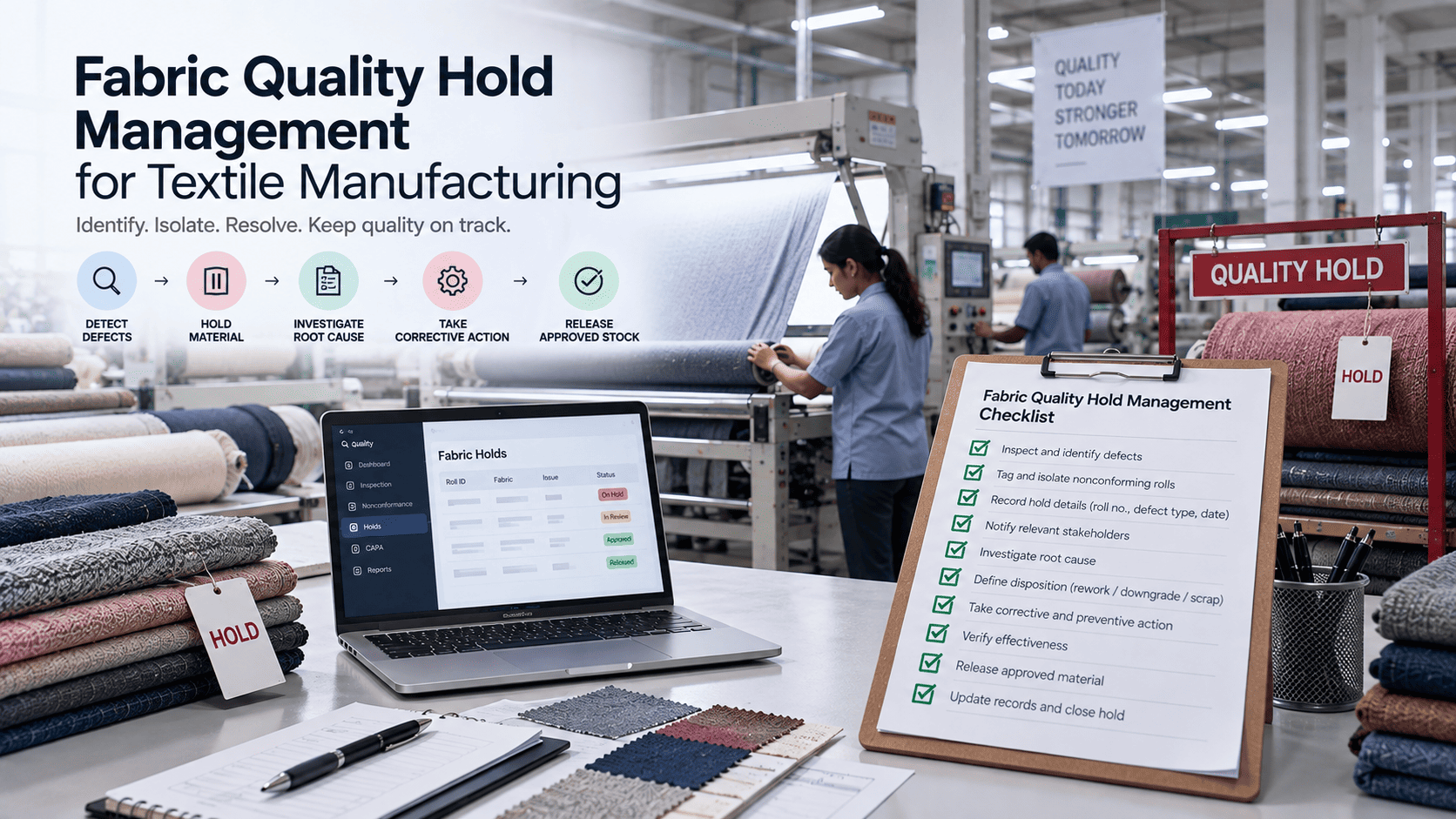
A restricted rating should trigger a defined process rather than an automatic relationship termination, typically including tightened inspection on the next lots, a documented corrective action request specific to the defect pattern observed, and a set window during which the supplier can demonstrate recovery through trial lots. This gives genuinely capable suppliers a fair path back while still protecting production schedules from suppliers who don't show measurable improvement within that window.
Can a vendor rating system work with a small supplier base?
Yes, and in some ways a smaller supplier base benefits even more from structured rating data, since the cost of a poor sourcing decision is spread across fewer alternatives. Even three or four regular fabric suppliers benefit from consistent AQL sampling and a documented scorecard, because the comparative data still reveals meaningful differences in acceptance rate, defect severity, and responsiveness that would otherwise stay invisible in day-to-day operations.
Make Every Fabric Rejection Count Toward a Better Sourcing Decision
iFactory turns incoming inspection data into a live, defensible vendor rating so procurement always knows which fabric suppliers actually earn the next order.