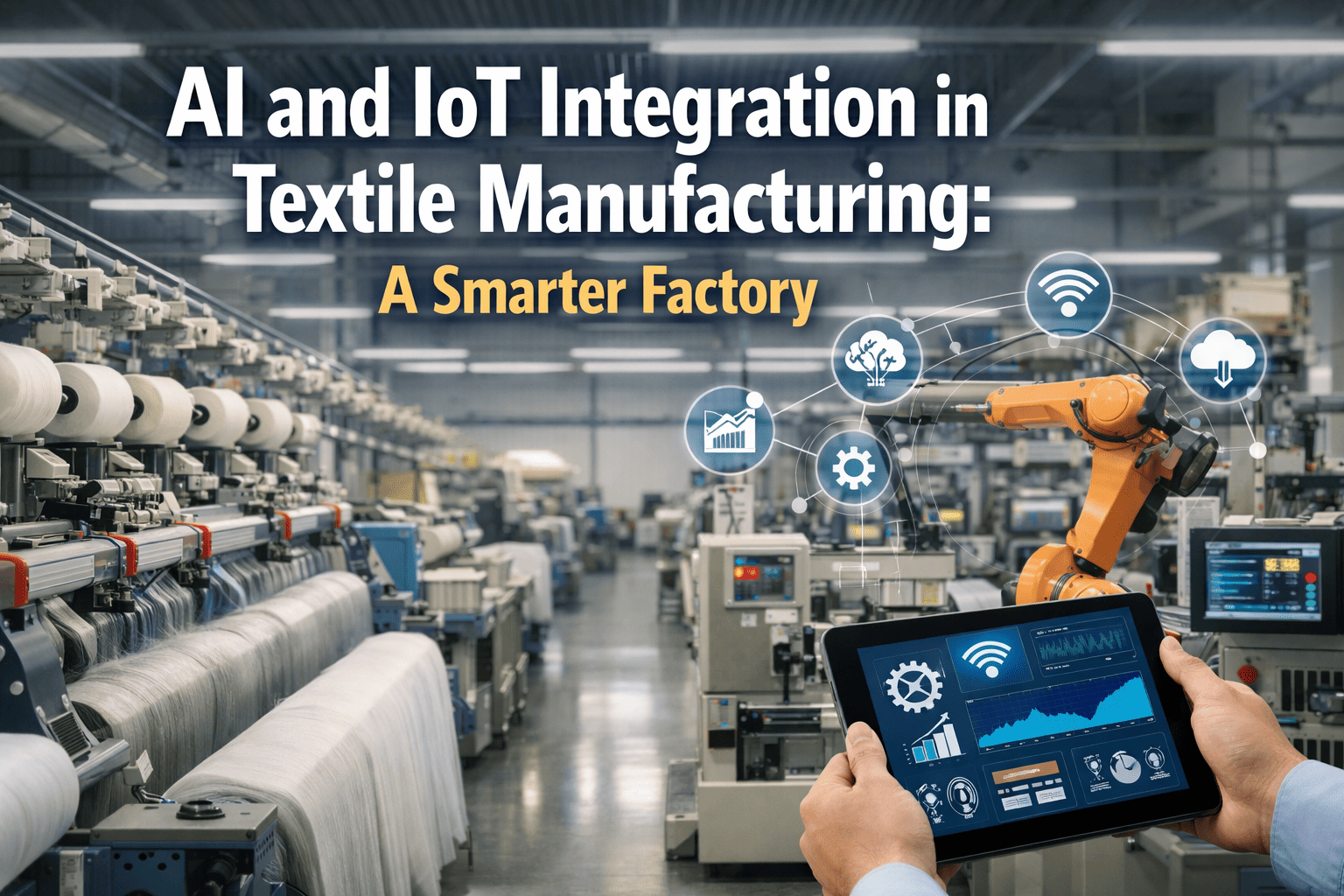
The global textile manufacturing industry is undergoing a profound digital transformation, driven by the need for operational excellence, real-time visibility, and predictive intelligence. As a plant manager, selecting the right software platform is not merely a procurement decision but a strategic move that can define your factory's competitiveness for the next decade. With a myriad of options ranging from traditional Manufacturing Execution Systems (MES) to modern AI-driven predictive maintenance platforms, the evaluation process can be overwhelming. This comprehensive buying guide provides an analytical framework to assess, compare, and select the optimal textile manufacturing software tailored to your specific operational needs, production scale, and digital maturity. Whether you are evaluating on-premise solutions for data sovereignty or cloud-based platforms for scalability, this guide equips you with the technical criteria and market insights necessary to make an informed decision. Book a Demo to see how our platform aligns with your requirements.
Ready to Transform Your Textile Factory?
Evaluate the most advanced AI-driven platform designed for textile manufacturing. Gain real-time OEE, predictive maintenance, and AI vision insights.
MES Capabilities
Evaluate real-time production tracking, work order management, and material traceability specific to textile processes like spinning, weaving, and dyeing.
CMMS & Maintenance
Assess computerized maintenance management features for preventive and predictive maintenance of looms, knitting machines, and finishing equipment.
OEE & Analytics
Compare platforms that calculate Overall Equipment Effectiveness (OEE) with granular data on availability, performance, and quality for textile lines.
AI Vision Integration
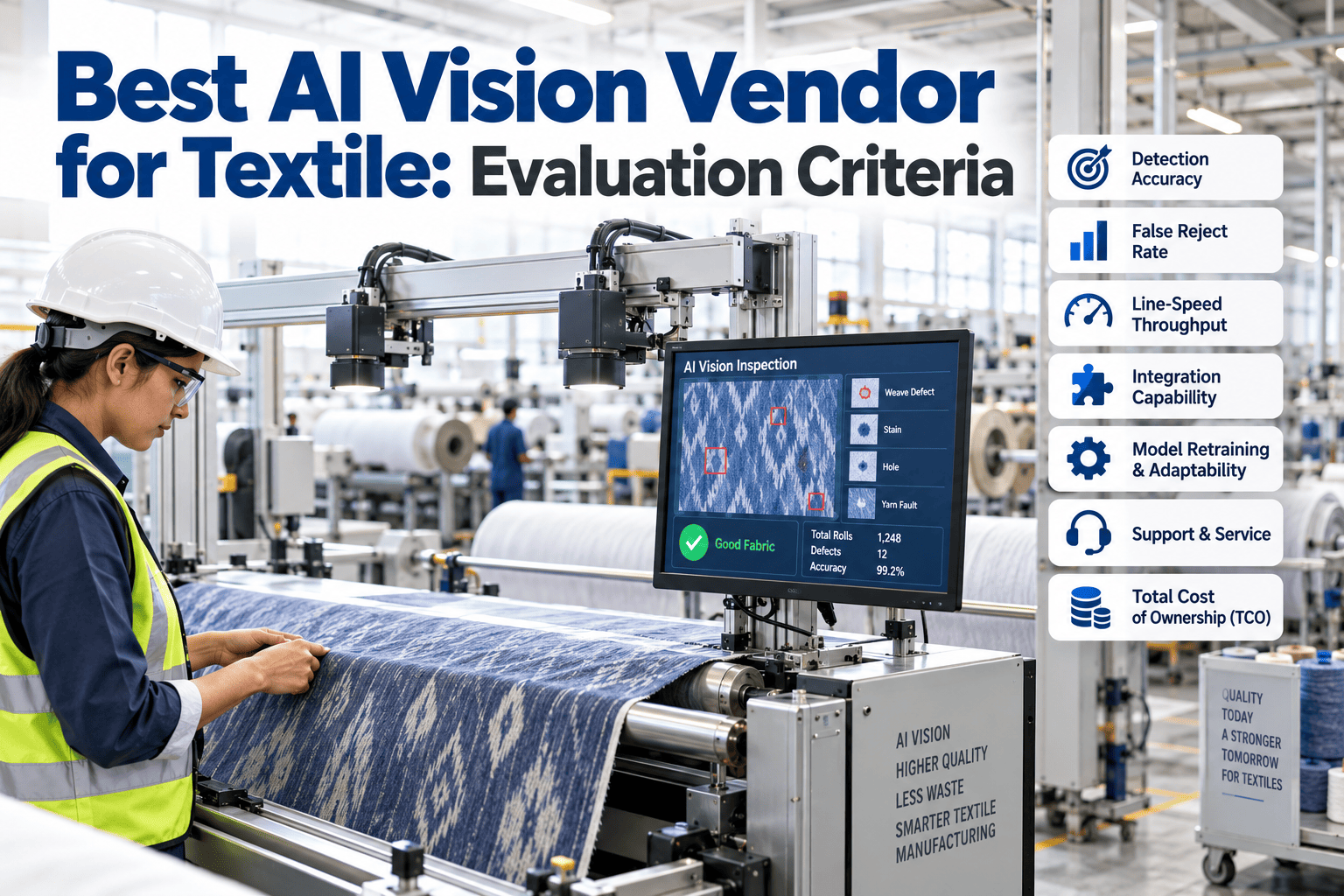
Review AI-powered visual inspection systems for defect detection in fabrics, color consistency, and weave pattern analysis.
ERP & System Integration
Ensure seamless integration with existing ERP systems (SAP, Oracle) and IoT sensors for a unified data ecosystem.
Deployment & Security
Consider on-premise vs. cloud deployment, data encryption standards, and compliance with industry regulations.
Technical Evaluation Criteria for Textile Manufacturing Software
When evaluating textile manufacturing software, plant managers must prioritize platform capabilities that directly impact production efficiency, quality control, and maintenance costs. The following criteria are essential for a thorough assessment.
1. Real-Time Production Monitoring & MES Functionality
A robust MES module should provide real-time dashboards showing machine status, production counts, and downtime events. Look for features like digital work instructions, lot tracking, and integration with barcode or RFID systems. In textile manufacturing, tracking the flow from fiber to finished fabric is critical for quality assurance and waste reduction.
2. Predictive Maintenance & CMMS Integration
Predictive maintenance uses machine learning algorithms to forecast equipment failures before they occur. Evaluate platforms that analyze vibration, temperature, and energy consumption data from looms, dyeing machines, and finishing rollers. A built-in CMMS should automate work order generation, spare parts inventory, and maintenance scheduling.
3. OEE Calculation & Advanced Analytics
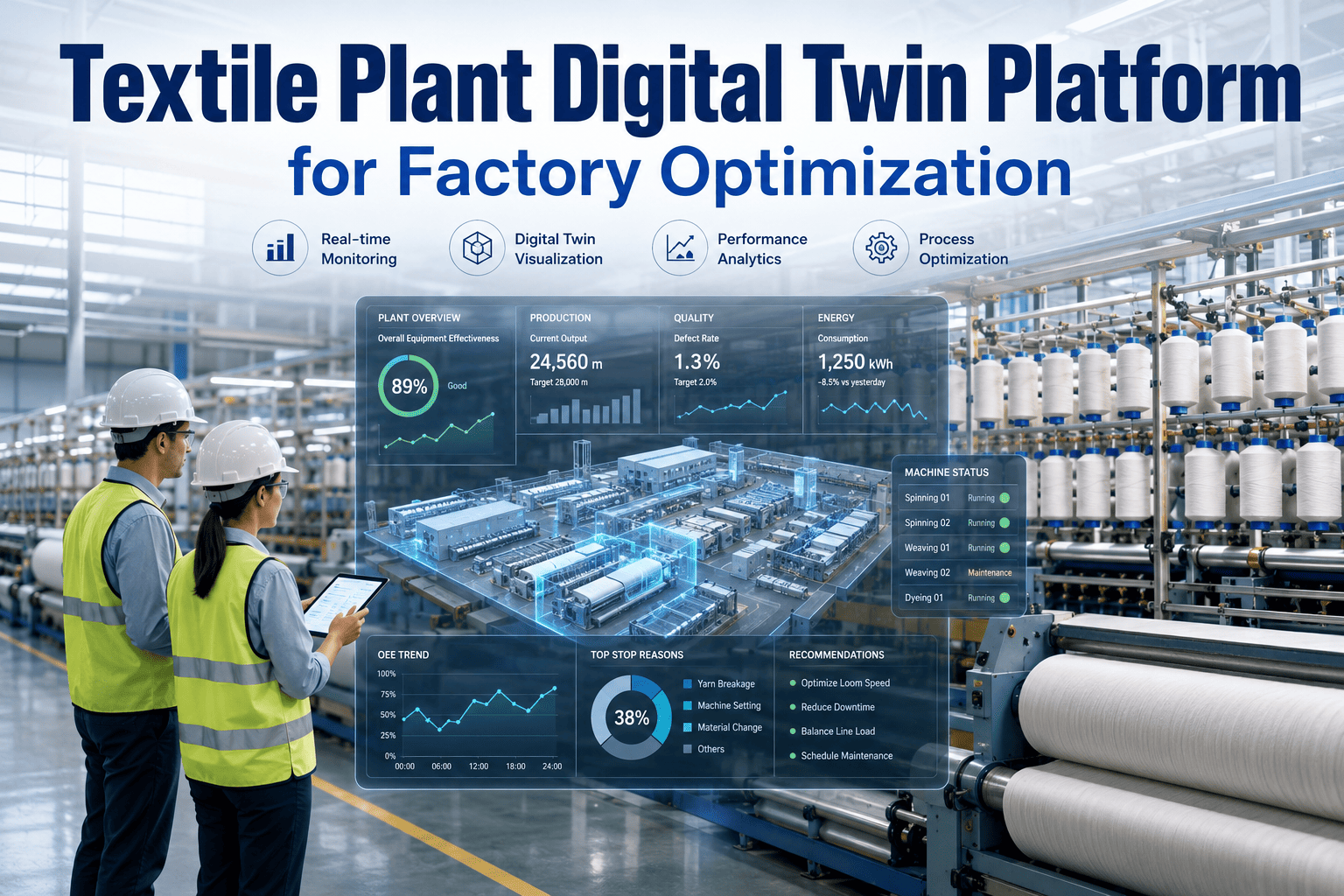
OEE is the gold standard for measuring manufacturing productivity. Ensure the software calculates OEE in real time with drill-down capabilities to identify root causes of losses. Advanced analytics should offer trend analysis, correlation studies, and predictive insights to optimize machine performance.
4. AI Vision for Quality Control
AI vision systems use cameras and deep learning models to detect defects such as holes, stains, or misweaves at high speeds. Evaluate the accuracy, false positive rate, and integration with production line speeds. The best platforms offer real-time alerts and historical defect tracking for continuous improvement.
5. Integration Capabilities with ERP & IoT
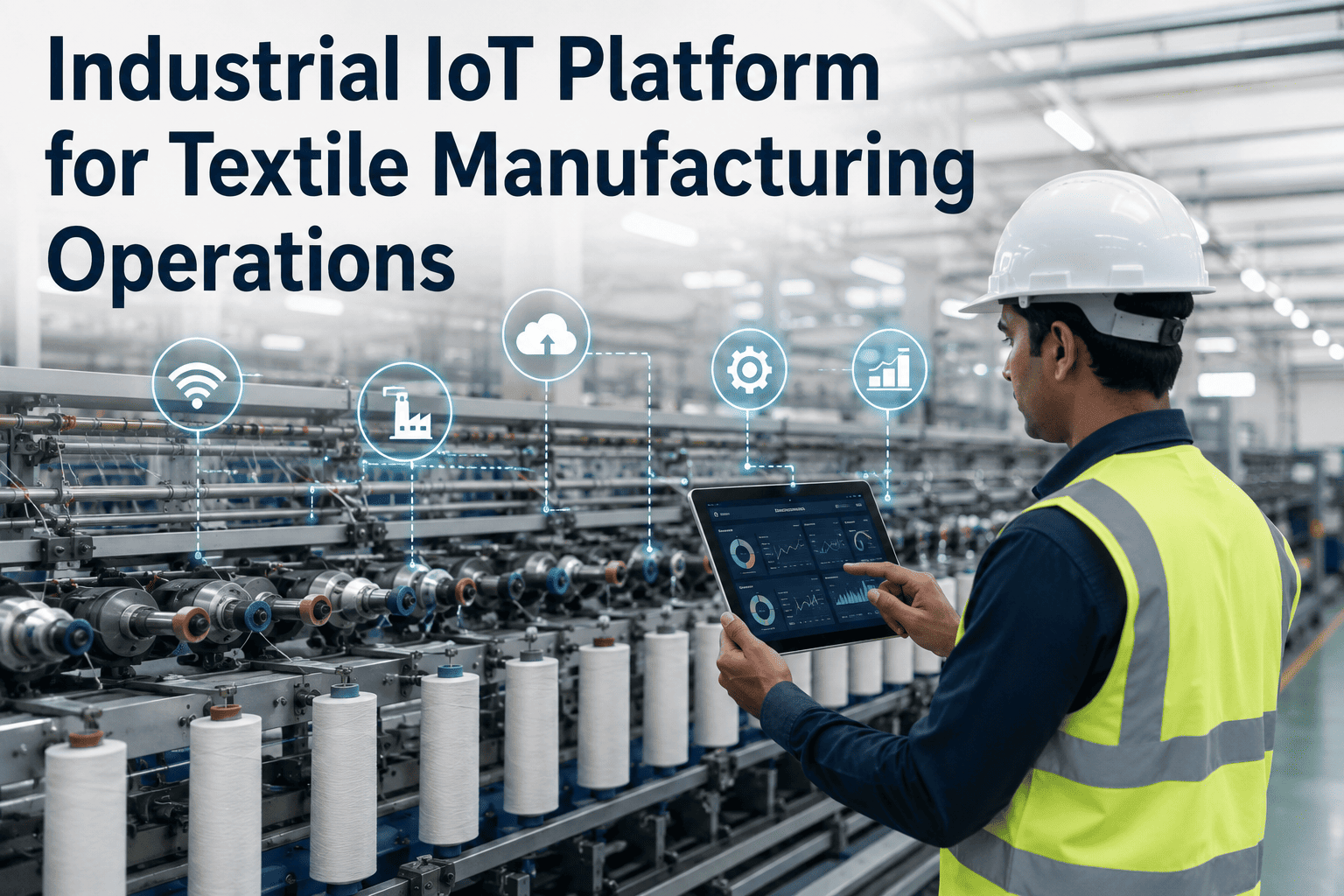
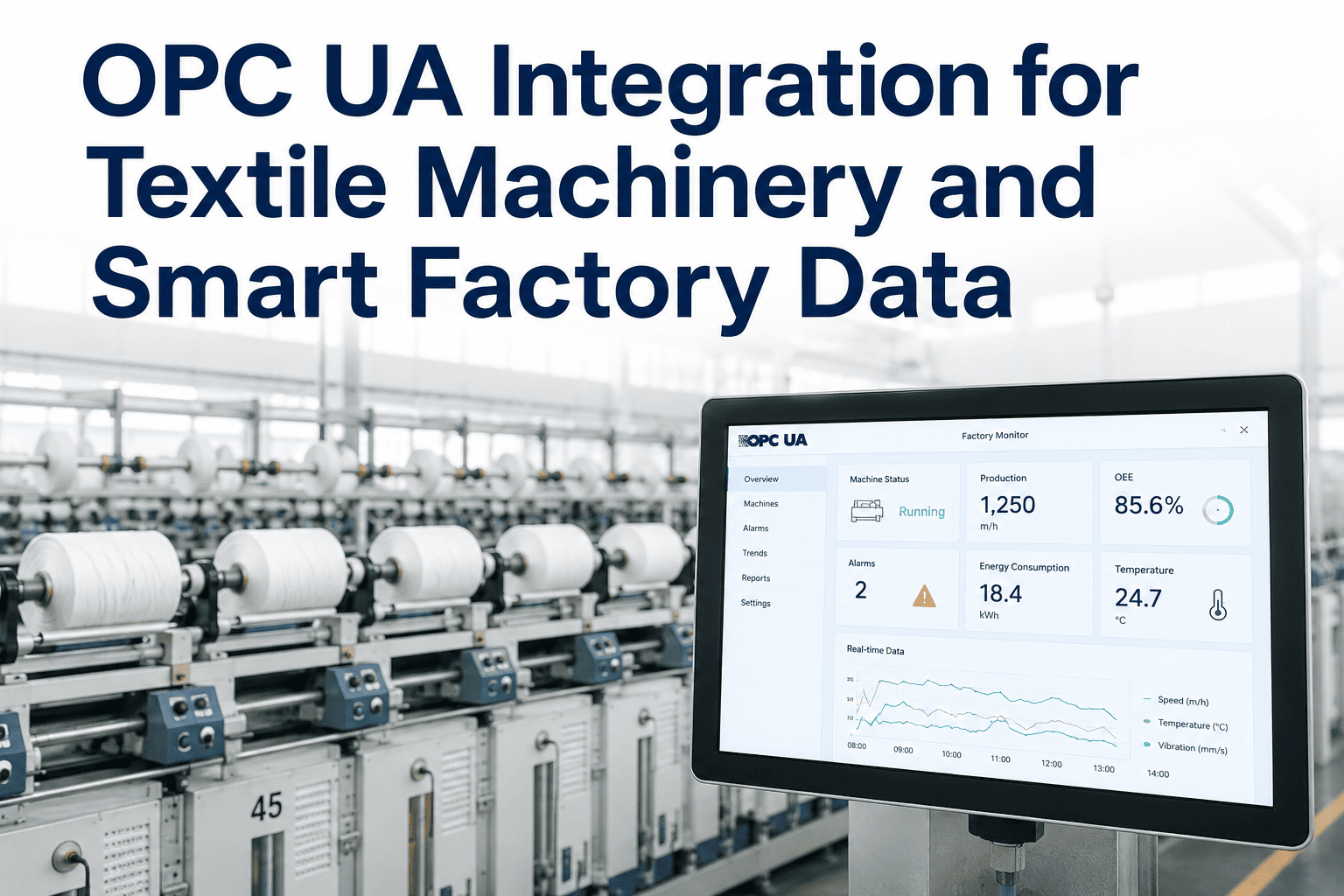
Seamless data flow between the manufacturing platform and your ERP system is essential for inventory management, order processing, and financial reporting. IoT integration allows collection of data from sensors and PLCs. Check for pre-built connectors, API availability, and support for industry protocols like OPC UA, MQTT, and Modbus.
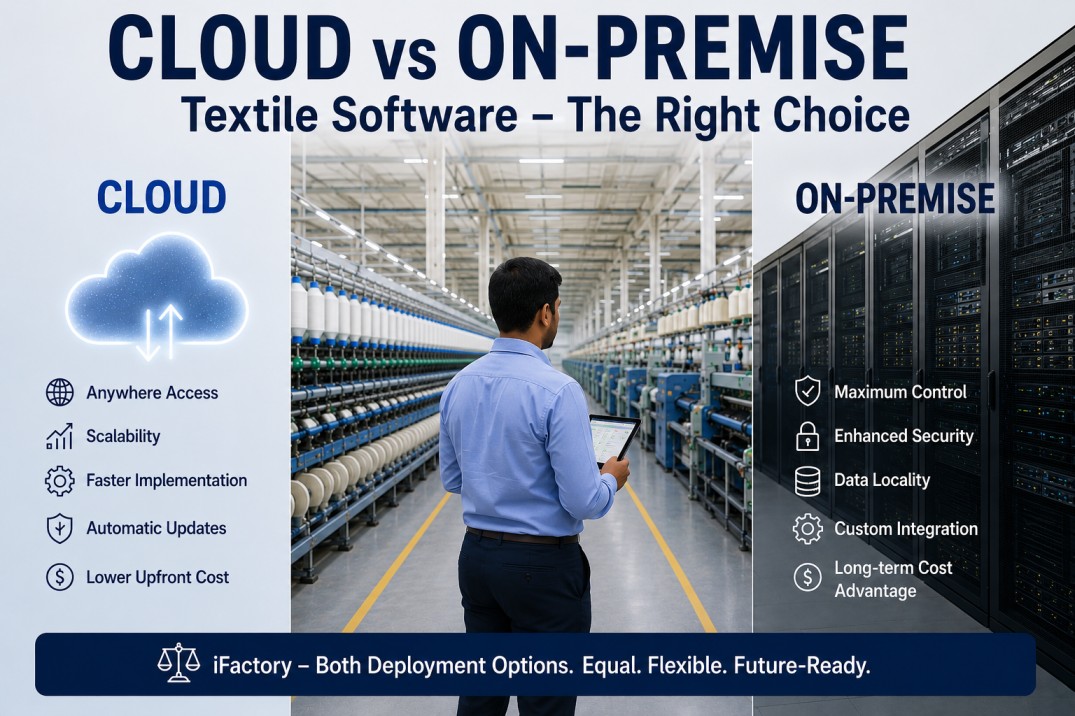
6. Deployment Options: On-Premise vs. Cloud
On-premise deployment offers full data control and security, suitable for factories with strict data sovereignty requirements. Cloud deployment provides scalability, lower upfront costs, and remote access. Evaluate the vendor's security certifications, data encryption standards, and disaster recovery policies.
Platform Comparison: Key Features Matrix
| Feature | Platform A | Platform B | iFactory Platform |
|---|---|---|---|
| Real-Time MES | Basic | Advanced | Advanced with AI |
| Predictive Maintenance | No | Basic | AI-driven |
| OEE Calculation | Manual | Real-time | Real-time with analytics |
| AI Vision | Third-party | Integrated | Deep learning |
| ERP Integration | API only | Pre-built connectors | Pre-built + custom |
| Deployment | On-premise | Cloud | Both |
| Security Standards | ISO 27001 | SOC 2 | ISO 27001 + SOC 2 |
Implementation Roadmap for Textile Manufacturing Software
Phase 1: Assessment & Planning
Conduct a thorough audit of current production processes, data collection methods, and pain points. Define key performance indicators (KPIs) such as OEE, downtime, and defect rates. Identify integration points with existing ERP and IoT systems.
Phase 2: Vendor Selection & Pilot
Shortlist vendors based on the evaluation criteria. Run a pilot project on a single production line to validate the platform's performance, ease of use, and integration capabilities. Measure the impact on OEE and defect reduction.
Phase 3: Full Deployment & Training
Roll out the platform across all production lines. Provide comprehensive training to operators, maintenance teams, and managers. Establish a feedback loop for continuous improvement.
Phase 4: Optimization & Scaling
Use advanced analytics to identify further optimization opportunities. Scale the platform to additional factories or production lines. Integrate AI vision and predictive maintenance for maximum ROI.
Optimize Your Textile Production Today
Implement the most comprehensive AI-driven platform. Reduce downtime, improve quality, and boost OEE.
Textile Manufacturing Software Buying Checklist
MES Functionality
Real-time production tracking, work order management, and material traceability.
Predictive Maintenance
AI-driven failure prediction, CMMS integration, and automated work orders.
OEE & Analytics
Real-time OEE calculation, drill-down analytics, and trend analysis.
AI Vision
Automated defect detection, color consistency, and weave analysis.
Integration
ERP connectors, IoT protocol support, and open API.
Deployment & Security
On-premise or cloud, ISO 27001, SOC 2, and data encryption.
Vendor Support
Implementation assistance, training, and 24/7 support.
Scalability
Ability to scale across multiple lines and factories.
Frequently Asked Questions
What is the difference between MES and CMMS in textile manufacturing?
MES (Manufacturing Execution System) focuses on real-time production tracking, work orders, and quality control on the shop floor. CMMS (Computerized Maintenance Management System) manages maintenance tasks, spare parts, and work orders for equipment. In textile manufacturing, integrating both systems provides a holistic view of production efficiency and equipment health. A platform like iFactory combines MES and CMMS with AI-driven analytics for predictive maintenance.
How does AI vision improve quality control in textile production?
AI vision uses deep learning models trained on thousands of fabric images to detect defects such as holes, stains, misweaves, and color variations in real time. Unlike manual inspection, AI vision operates at high speeds without fatigue, achieving detection rates above 99%. It also provides historical defect data for root cause analysis and continuous improvement. Integrating AI vision with your MES allows automatic rejection of defective products and real-time alerts. Book a Demo to see AI vision in action.
What are the key factors to consider when choosing between on-premise and cloud deployment?
On-premise deployment offers full control over data, security, and compliance, which is critical for factories with strict data sovereignty requirements. Cloud deployment provides scalability, lower upfront costs, and remote access for multi-site operations. Evaluate your IT infrastructure, data sensitivity, and budget. Hybrid solutions that combine both are increasingly popular. Contact our support team to discuss the best deployment option for your factory.
How does OEE calculation help in textile manufacturing?
OEE (Overall Equipment Effectiveness) measures how effectively a manufacturing operation is utilized by combining availability, performance, and quality metrics. In textile manufacturing, OEE helps identify bottlenecks, reduce downtime, and improve throughput. Real-time OEE dashboards allow plant managers to make data-driven decisions. Advanced platforms like iFactory provide granular OEE breakdowns by machine, shift, and product type.
What integration capabilities should I look for in textile manufacturing software?
Look for pre-built connectors to major ERP systems like SAP, Oracle, and Microsoft Dynamics. Support for industrial IoT protocols such as OPC UA, MQTT, and Modbus is essential for connecting sensors and PLCs. An open API allows custom integrations with legacy systems. Seamless data flow between MES, CMMS, ERP, and AI vision ensures a unified view of operations. Learn more about our integration capabilities.
Take the Next Step in Digital Transformation
Empower your textile factory with AI-driven insights. Book a personalized demo today.