Every roll inspected twice is a roll paid for twice. Reinspection feels safe, but it usually hides a deeper problem, such as grading that varies by inspector, results that cannot be trusted or defects that appear after earlier checks. Cutting it sensibly means making the first inspection trustworthy and reinspecting only when the data says a roll deserves a second look. Mills that want that discipline can ask iFactory AI how reinspection triggers are set from inspection data.
Reinspect Fewer Rolls Without Letting More Defects Through
iFactory AI makes the first inspection trustworthy and flags only the rolls that genuinely need a second look, so inspection hours fall while quality holds.
Why Rolls Get Inspected Twice
Reinspection is a symptom. The chart shows an illustrative view of the most common reasons behind it.
What Inspecting Twice Really Costs
The visible cost is inspector time. The hidden costs are often larger.
Labour and machine time
Every reinspected roll ties up an inspection machine and a person who could be checking new production.
Handling damage
More handling means more risk of creases, soil and edge damage on finished rolls.
Late deliveries
Rolls waiting for a second look delay dispatch and push promised dates.
Lost trust in the first result
If everyone expects a second check, nobody takes the first one seriously.
The Reinspection Reduction Ladder
Cut reinspection in steps. Each rung makes the next one safe.
Reinspect Everything or Reinspect Smartly
The choice is not between inspecting and not inspecting. It is between uniform repetition and a data-led second look.
See Which Rolls Really Need a Second Look
Book a 30-minute session and iFactory AI will review your inspection records and reinspection rate to show how many rechecks the data does not support.
Roll Release Checklist
A clear release checklist lets a roll leave inspection with confidence. Tick each box before releasing.
Making Grading Consistent
Grading differences are the biggest driver of reinspection. This table shows common gaps and fixes.
| Gap | What Happens | Fix |
|---|---|---|
| Different penalty points per inspector | The same roll gets different grades | Shared defect library with reference images |
| Unclear defect names | Defects are recorded inconsistently | Short, agreed defect list |
| No calibration sessions | Drift between inspectors over time | Regular joint grading sessions |
| No feedback on disagreements | Mistakes repeat | Share and review grading differences monthly |
A Composite Scenario: When Half the Rechecks Disappeared
This is a composite example, not a named mill. It shows how consistent first inspection cuts second looks.
Setting Reinspection Triggers
A trigger is a rule that sends a roll for a second look. Good triggers are specific, measurable and reviewed.
Grade near the limit
Rolls close to the pass threshold get a second look.
Unusual defect pattern
A repeating or clustered defect prompts a check.
High-risk lot
Lots with recent complaints are checked harder.
New customer or style
Early production gets extra attention.
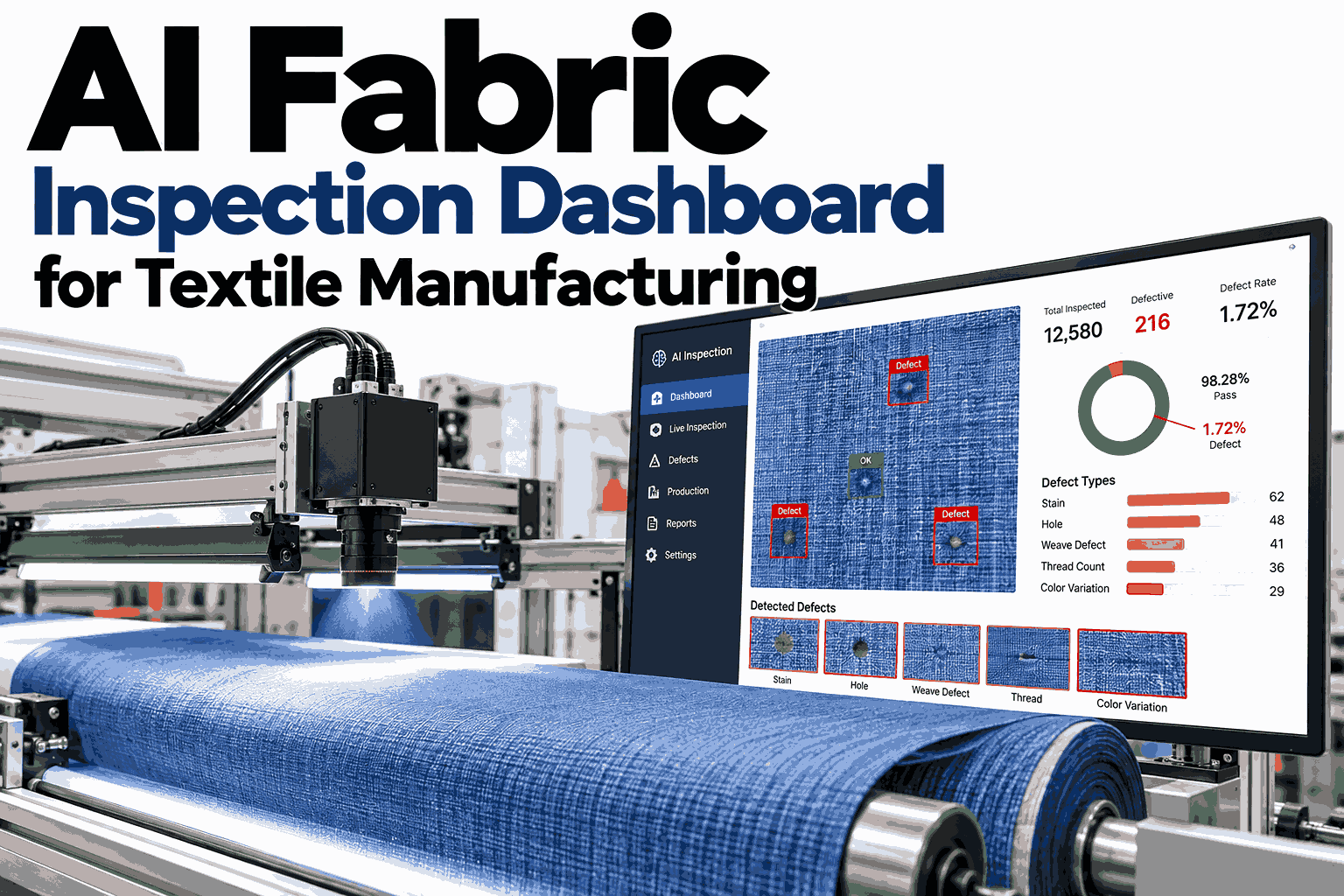
What iFactory AI Adds to Inspection
iFactory AI is smart manufacturing and industrial software for textile operations. Explore inspection analytics in a live product tour on realistic roll data.
A 30-Day Plan to Cut Reinspection
A month is enough to start reducing second looks safely. Here is a realistic path.
Review of Reinspection Reduction
A practical review of how mills cut second looks safely, written as editorial guidance rather than a named expert quote.
Fix the first inspection first
Reinspection falls only when the first result is trusted.
Use triggers, not habit
A second look should be a decision backed by data.
Watch complaints as a guardrail
If complaints rise, reinspection was cut too far.
Frequently Asked Questions
Is reducing reinspection risky?
Not if the first inspection becomes more reliable and triggers catch the real risks. Quality should be watched through complaint rates as a guardrail. See how complaints are tracked beside reinspection rates in a live demo. This keeps the saving honest.
What is a healthy reinspection rate?
It depends on product and customer, so compare against your own history and goals. The useful direction is fewer rechecks with no rise in complaints. A falling rate with stable quality is the real target.
How do we make grading consistent?
Use a shared defect library, short calibration sessions and regular review of disagreements. Ask support how grading differences are measured across inspectors in your team. Consistency here removes most disputes.
Do triggers need to be complex?
No. Two or three clear rules, such as grade near the limit or an unusual defect pattern, are enough to start. You can refine them as results come in. Simple rules are easier for the floor to trust.
How quickly can we see savings?
Many mills see fewer rechecks within a month of agreeing grading rules and triggers. Book time to scope a first reinspection pilot on one line. A visible drop in rechecks builds support for wider change.
Inspect Once, Properly, and Ship on Time
iFactory AI makes the first inspection trustworthy and flags only the rolls that need more. Book a walkthrough to see it on your own inspection data.