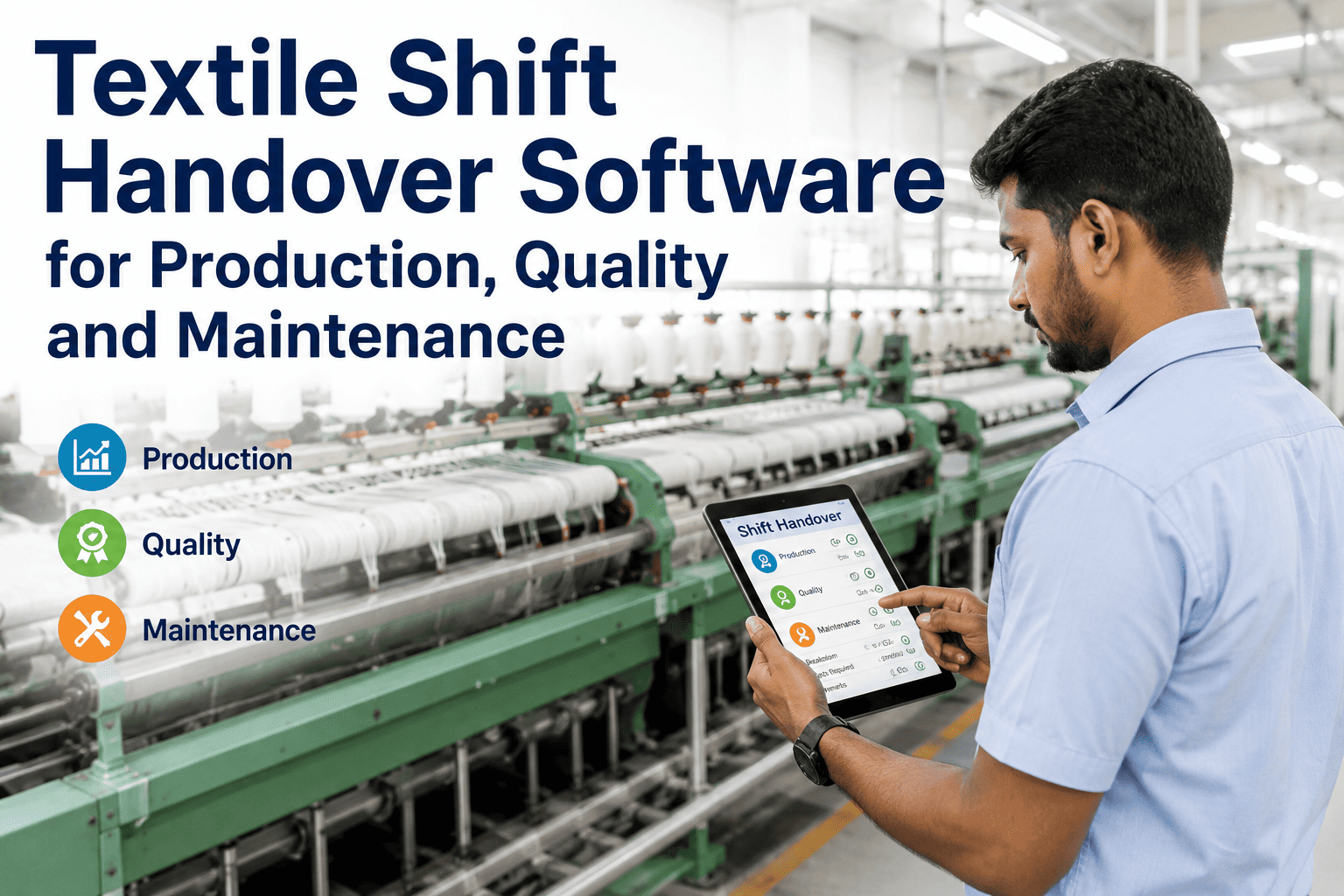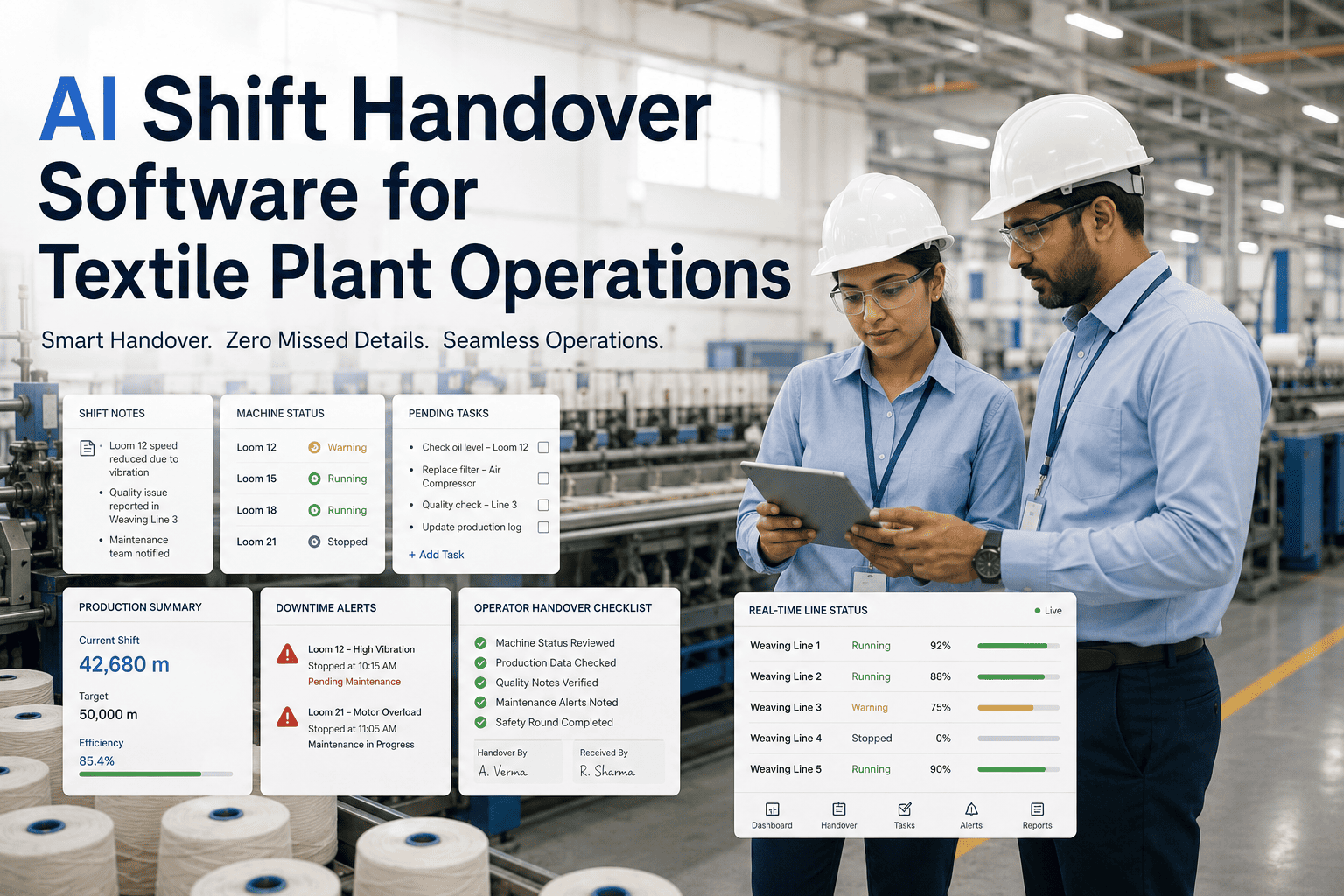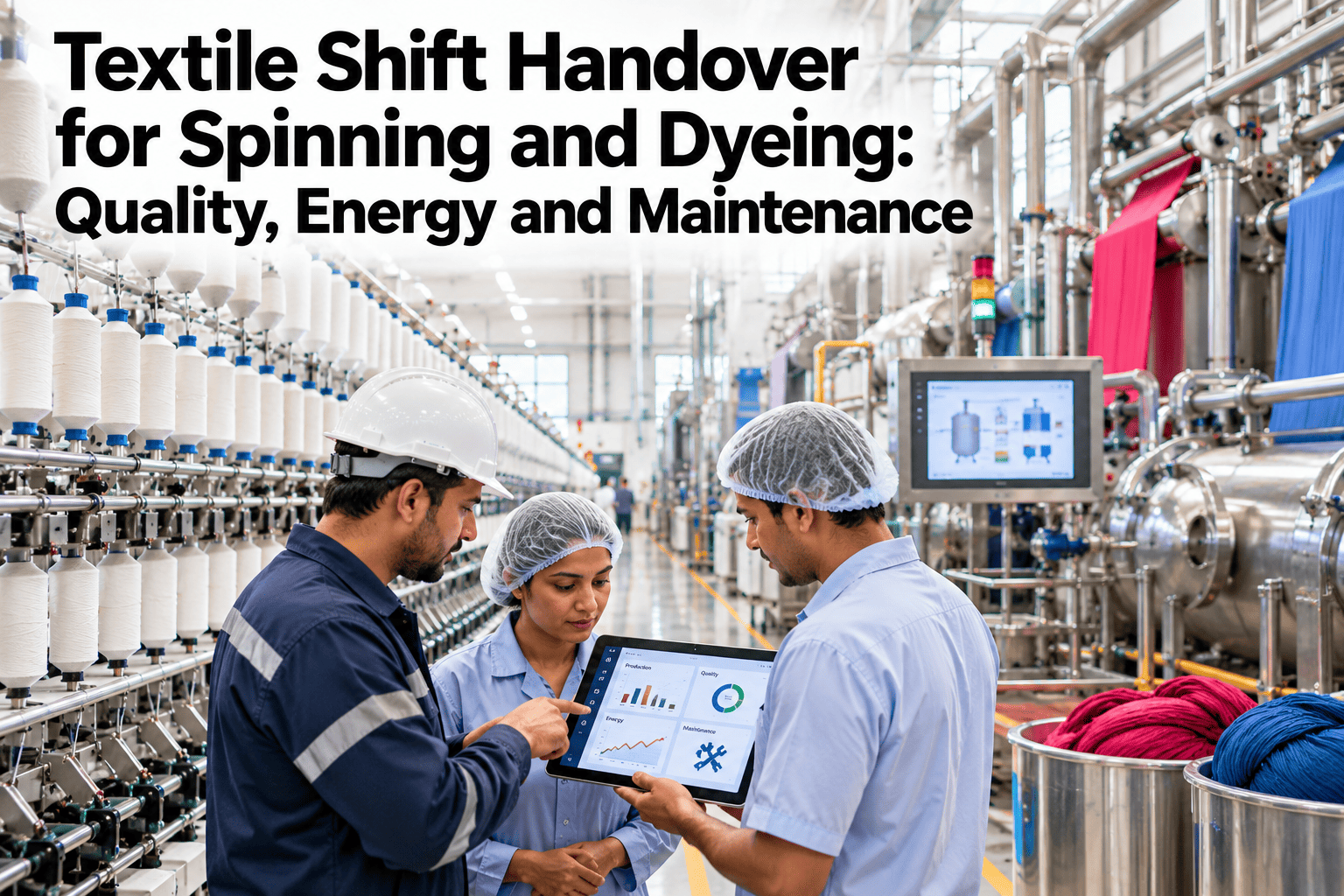
A shift handover that happens as a five-minute verbal exchange at the changeover point relies entirely on the outgoing operator remembering, in the moment, everything that mattered during the last eight hours, which is exactly how an open maintenance alert on frame 12 or a dye batch sitting mid-cycle gets mentioned to one incoming operator and never reaches the quality team that actually needed to know. A standardized handover doesn't need to be long, it needs to force the same categories of information to transfer every single time, regardless of how rushed the actual changeover is. Building that structure across spinning and dyeing is what a standardized shift handover checklist looks like for a real textile operation.
What Gets Said at the Changeover Shouldn't Depend on Memory
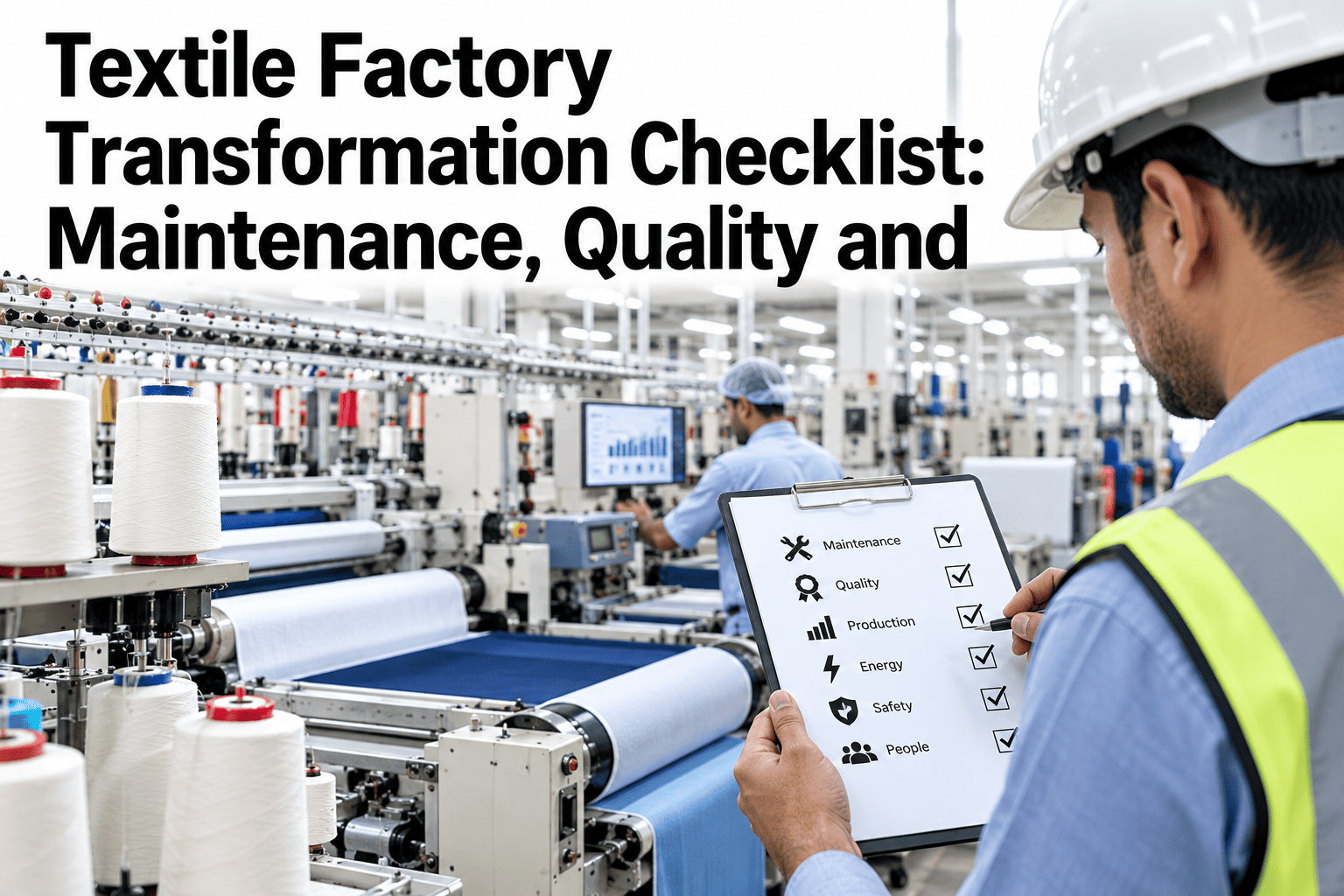
iFactory AI structures shift handovers across maintenance, quality, dyeing status, energy, and safety so nothing depends on what an outgoing operator happens to remember.
Why Informal Handovers Lose Information
A verbal handover isn't unreliable because operators are careless, it's unreliable because memory under time pressure is a poor information transfer mechanism by design.
Information Only Reaches the Person Standing There
A verbal handover transfers to whoever happens to be present, which means the quality team or a later shift's maintenance crew may never hear about an issue at all.
Urgent Items Crowd Out Routine Ones
A rushed handover naturally focuses on whatever feels most pressing in the moment, leaving routine but important items, like a batch mid-cycle, unmentioned.
There's No Record to Check Later
Without a written log, there's no way to confirm what was actually communicated when a problem traces back to a gap in the handover.
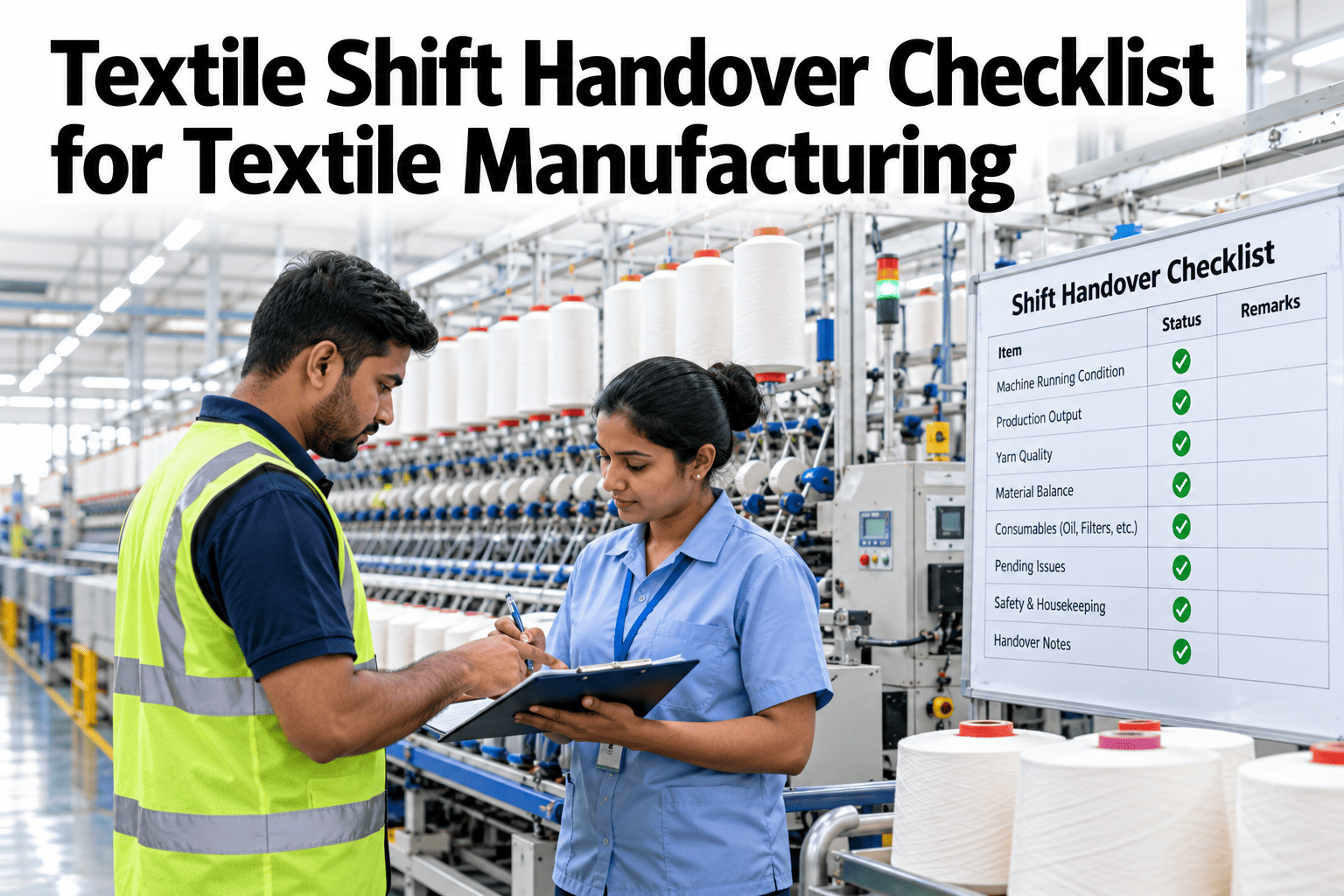
The Shift Handover Checklist
Each category below should be confirmed, not assumed, at every handover regardless of how routine the shift felt.
See This Checklist Applied to a Real Shift Change
Bring your current handover process to a 30-minute session and compare it against a structured checklist built for spinning and dyeing operations.
Who Needs to See What
Not every handover item is relevant to every role, which is why structuring information by category also means routing it to the right team, not just logging it generically.
| Category | Primary Audience | Why It Matters |
|---|---|---|
| Maintenance | Incoming operator and maintenance team | An open work order affects what settings and speeds are safe to run |
| Quality | Incoming operator and quality team | A flagged risk needs continued monitoring, not a fresh start |
| Dye Batch Status | Incoming dyeing operator | A batch mid-cycle needs the right follow-up at the right stage |
| Energy | Energy or operations team | A pattern across shifts may only be visible if exceptions are logged consistently |
| Safety | Incoming operator and safety team | A near-miss needs tracking regardless of whether an incident resulted |
From Checklist to Standing Process
A checklist only works if it's actually used consistently, which means building it into the handover routine rather than treating it as optional documentation.
An Illustrative Comparison: Items Missed Across Shifts
The figures below are a labeled illustrative composite, not a reported customer result, showing how often a known issue failed to reach the next shift before and after a structured checklist was adopted.
The handovers that actually work aren't the longest or most detailed ones, they're the ones where the same categories get checked every single time without exception. A mill that only fills out a detailed handover when something unusual happened misses the point, since routine shifts still carry a mid-cycle dye batch and open maintenance items that the next shift genuinely needs to know about, not just the dramatic events.
Frequently Asked Questions
How long should a structured handover actually take?
A well-built checklist shouldn't add significant time to the handover, since most of the information should already be logged throughout the shift rather than reconstructed at the changeover, making the final review a confirmation step rather than a lengthy new task. See a realistic handover timing on your own floor in a short session.
Do spinning and dyeing need different handover checklists?
The core categories, maintenance, quality, energy, and safety, apply across both areas, but dye batch status is specific to dyeing while spinning has its own process-specific items worth adding, so the checklist structure is shared while some content is tailored by area. Ask the iFactory AI team how to tailor the checklist by area.
How do we get operators to actually use a structured handover consistently?
Building logging into the shift itself, rather than treating it as a separate end-of-shift task, and routing items automatically to the right teams tends to drive consistent use far more than a policy alone, since operators see the checklist as part of the work rather than extra paperwork. Design an adoption approach for your floor in a demo.
Can this connect to our existing CMMS or QMS systems?
Yes, maintenance items can route directly into your existing CMMS and quality flags into your QMS, so the handover checklist feeds the systems your teams already use rather than existing as a separate disconnected log. Discuss integration with your current systems with the support team.
What happens to handover records over time?
Retained handover history lets a mill spot recurring patterns, such as the same machine generating a maintenance flag every shift for weeks, which a single handover in isolation would never reveal but a searchable history makes visible. Review how handover history supports pattern detection on a call.
Make the Handover a Checklist, Not a Memory Test
iFactory AI structures shift handovers across maintenance, quality, dyeing, energy, and safety. Book a walkthrough built around your own shift structure.