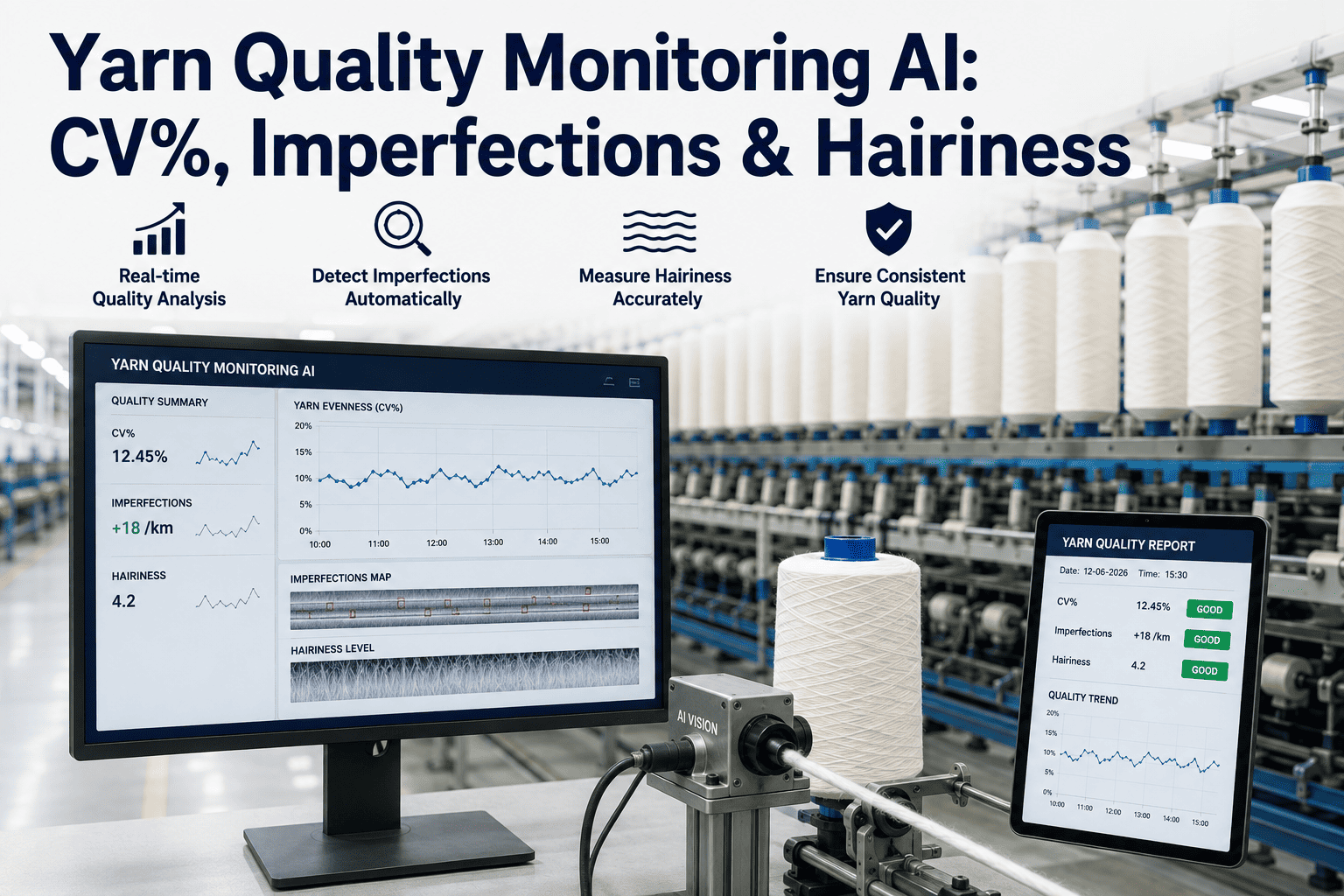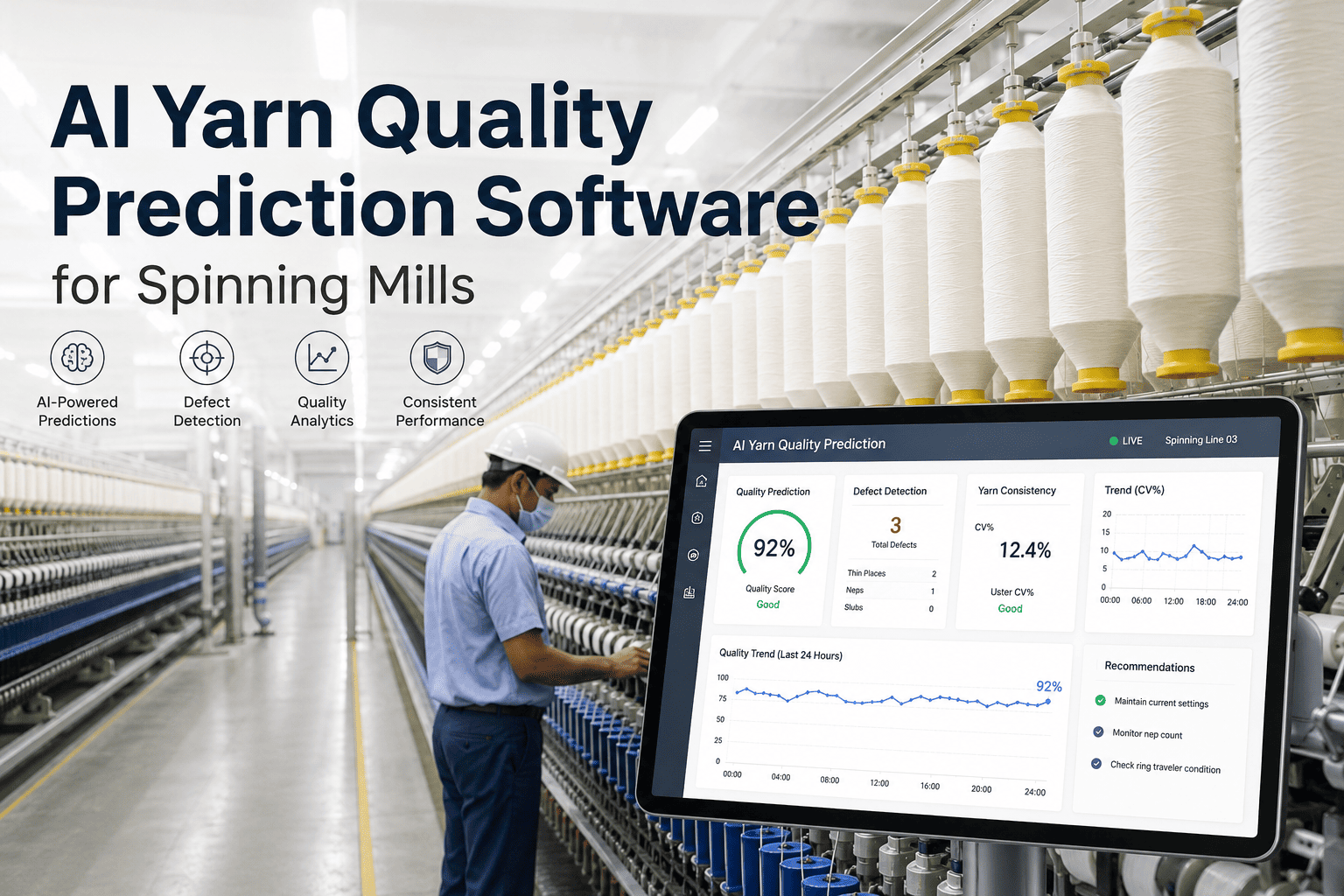
A Uster report that comes back clean on any single test still misses the thing that actually matters most: whether this lot's unevenness, hairiness or imperfection count has quietly drifted from where that yarn normally sits. A single reading inside spec can still represent a meaningful shift from last week's baseline, and that drift is often the earliest sign of a drafting, traveller or raw material problem, well before any individual test fails outright. iFactory AI, an on-premise AI platform for textile quality, watches Uster trend data continuously and can show drift alerts running against your own recent Uster history in a short session.
Passing Spec and Staying Normal Are Two Different Questions
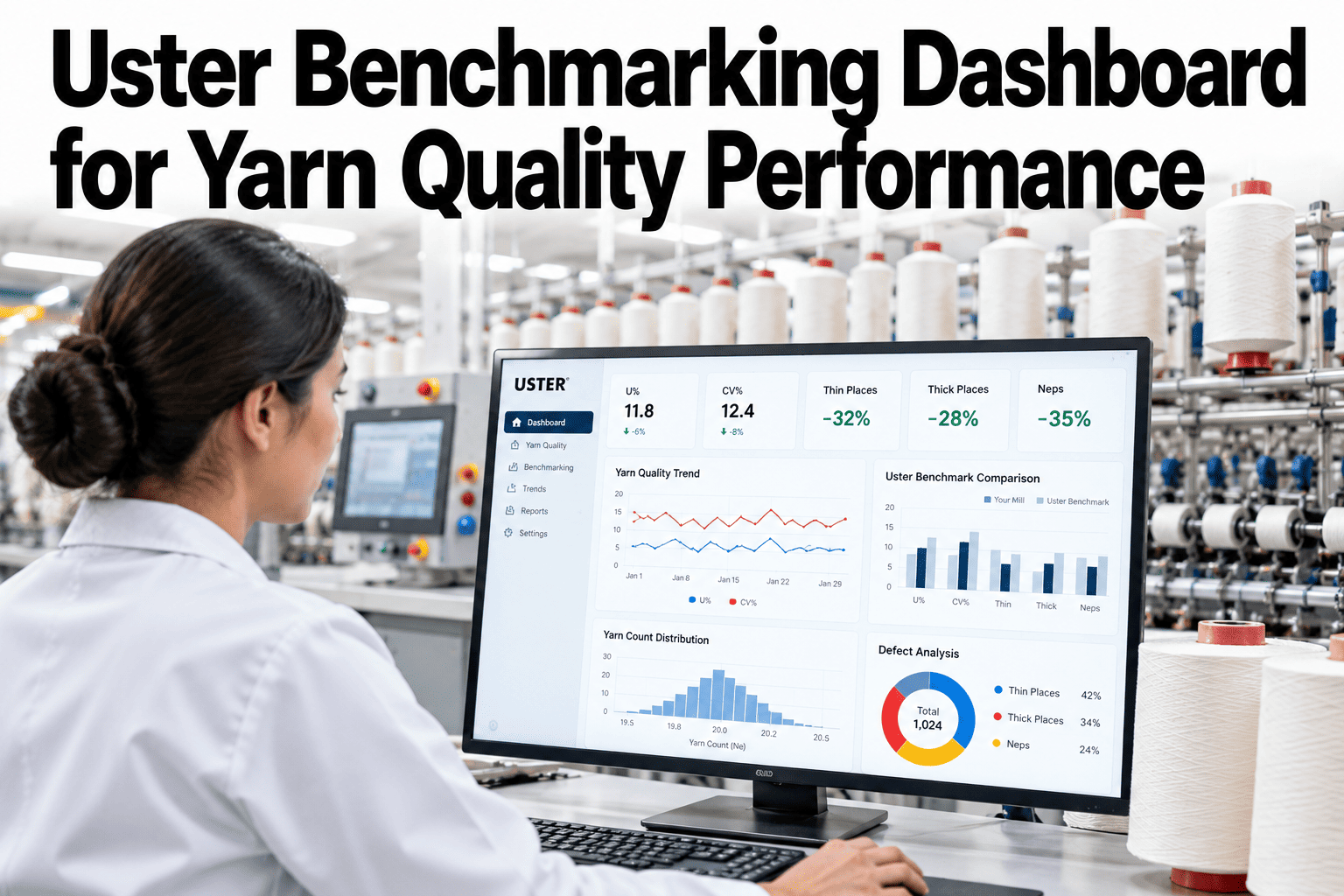
iFactory AI tracks Uster unevenness, hairiness and imperfection trends continuously, alerting on drift from a frame's own normal range even when every individual test still passes spec.
Why "Still Within Spec" Isn't the Same as "Still Normal"
Spec limits are usually set wide enough to cover acceptable lot-to-lot variation, which means a frame can drift steadily for weeks and never once produce a failing test. By the time a test actually fails, the underlying cause — a worn component, a drifted humidity setpoint, a raw material shift — has often been developing for far longer than the single bad reading suggests.
Gradual rise often precedes drafting roller wear becoming visible elsewhere.
Climbing trend frequently tracks traveller wear before a visible break increase.
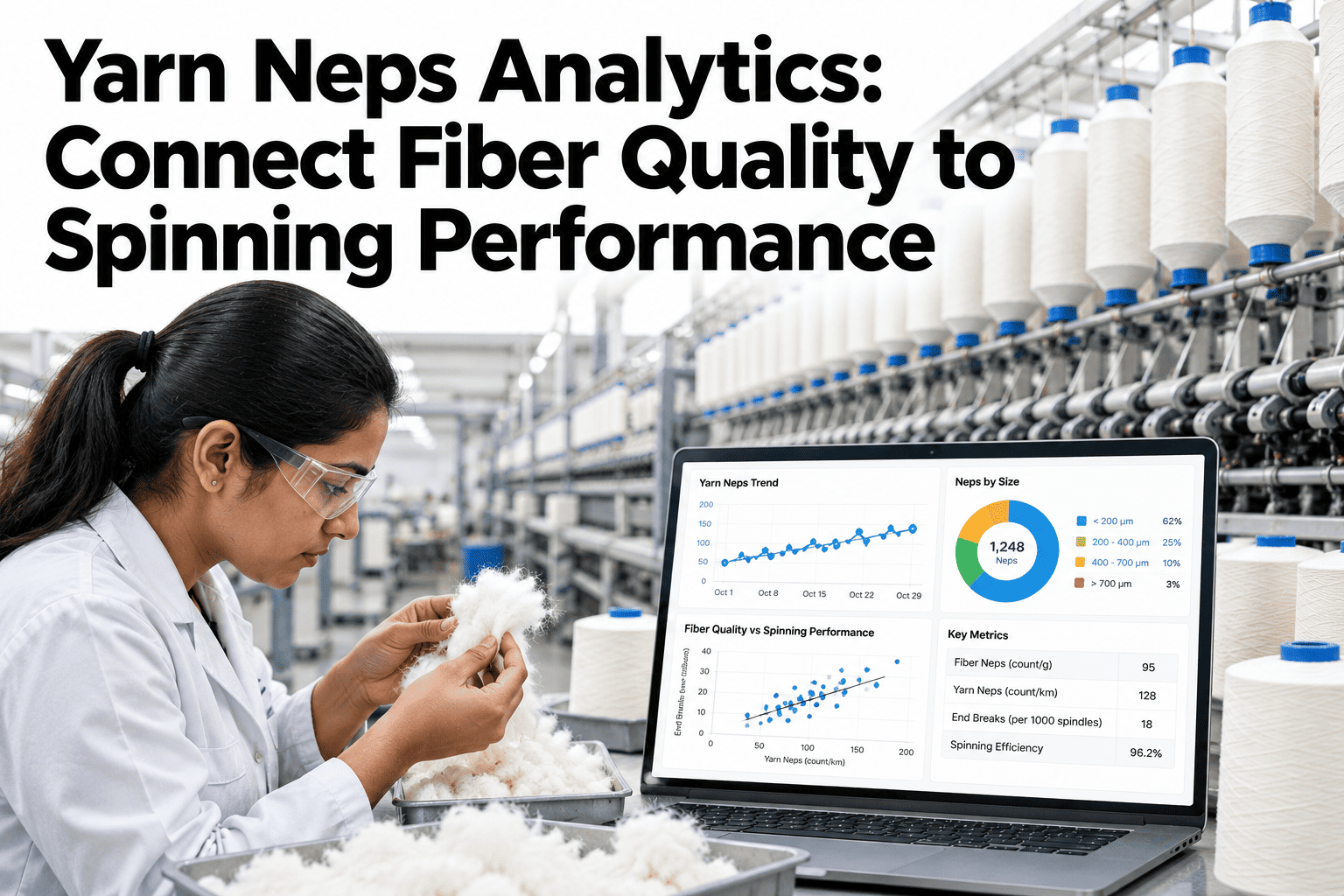
Thin and thick places drifting upward can signal raw material or drafting change.
A quiet downward drift here is an early flag for downstream weaving issues.
How Drift Detection Actually Works
Drift detection isn't a tighter spec limit, it's a comparison against the frame's own recent history. Our quality team can set this up against your current Uster testing schedule.
Each metric's normal range is calculated from the frame's own recent test history, not a mill-wide average.
A metric trending away from its own baseline triggers a flag, even while still inside spec.
A hairiness and break-rate drift together raises confidence the cause is mechanical, not a one-off reading.
Mechanical patterns route to maintenance; material patterns route to incoming inspection.
Catch the Drift Before the Next Failing Test
Bring your last few months of Uster test data and see which frames were already drifting before any single result actually failed spec.
What a Drift Pattern Usually Points To
| Drifting Metric | Likely Cause | Where to Check First |
|---|---|---|
| Unevenness rising alone | Drafting roller wear | Roller condition, nip settings |
| Hairiness rising with break rate | Traveller wear or wrong weight | Traveller change schedule, ring condition |
| Imperfections rising across frames | Raw material lot variation | Incoming fiber test records |
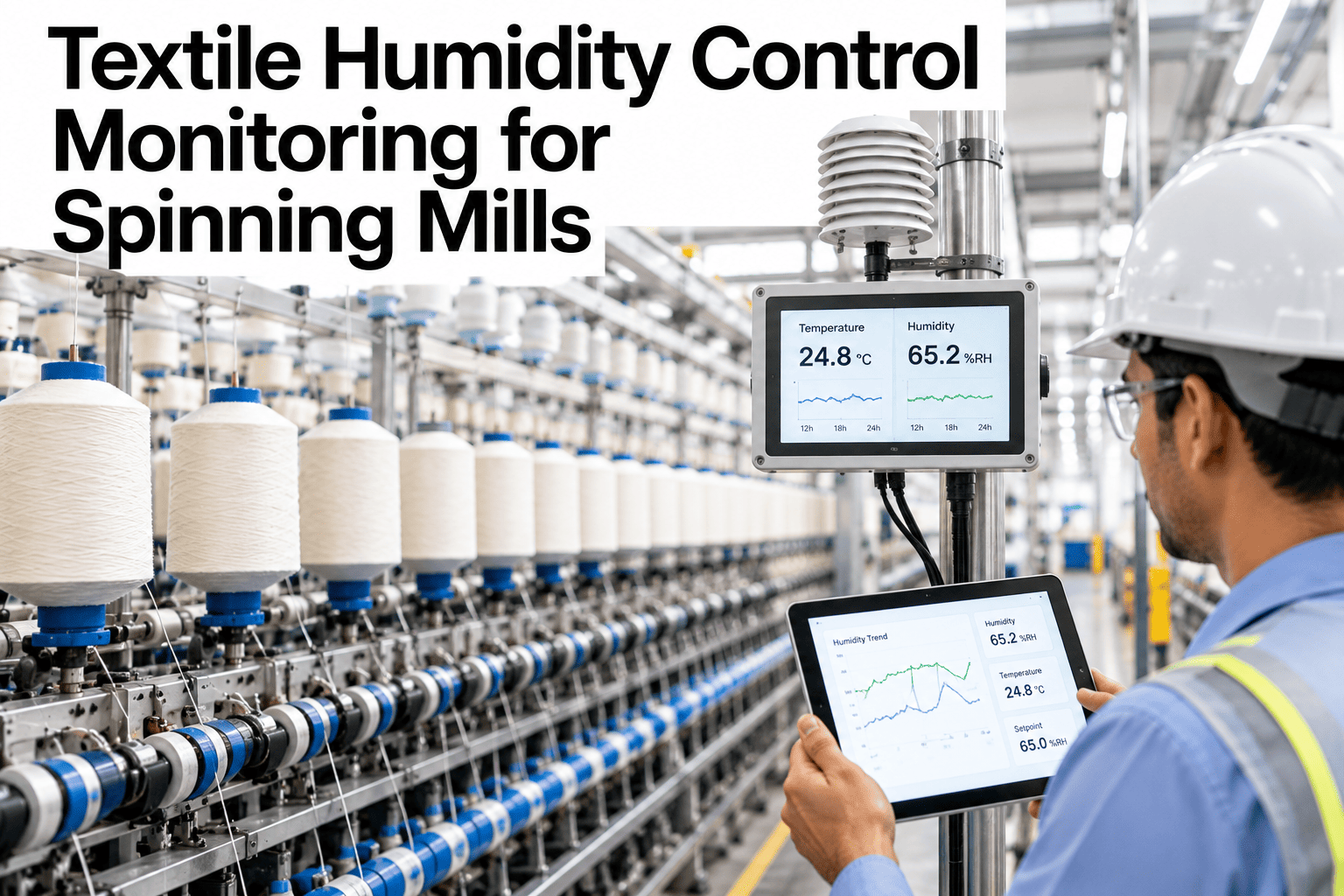
| All metrics drifting together | Environmental shift | Spinning room humidity and temperature logs |
A Composite Scenario: The Lot That Never Technically Failed
Picture a mill where hairiness readings crept upward across six consecutive weekly tests on one frame, each individual result comfortably inside spec and therefore never flagged by the standard pass/fail review.
A drift-based view would have flagged the trend by the third week, well before downstream weaving complaints eventually traced the issue back to worn travellers on that frame. The scenario illustrates the gap between pass/fail testing and trend monitoring; actual findings depend on each mill's own data.
Where iFactory AI Fits
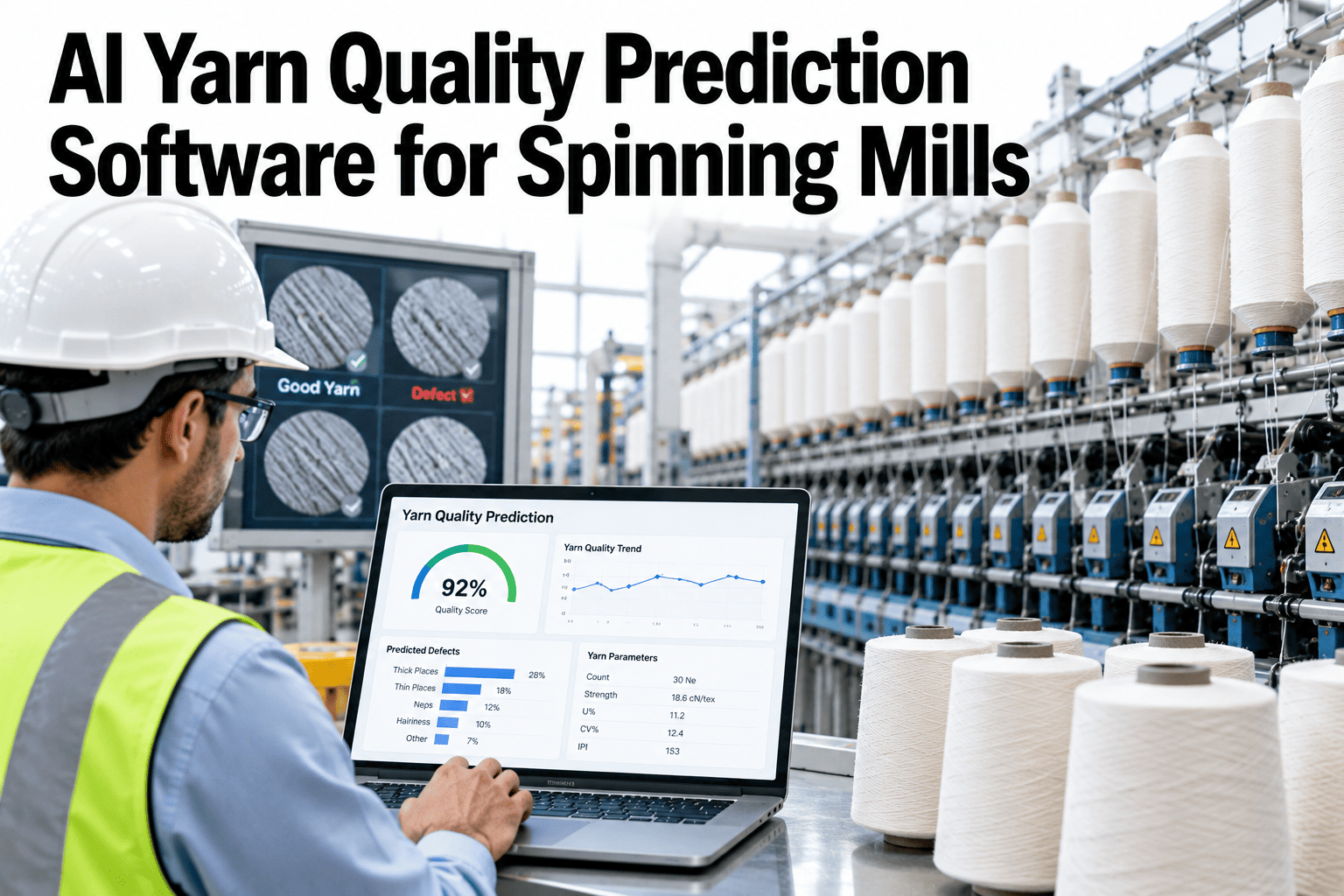
iFactory AI pulls Uster test results automatically and tracks each metric against the frame's own rolling baseline, flagging drift before any single test fails.
Drift measured against a frame's own history, not a mill-wide average.
Related drifts flagged together to distinguish mechanical from material causes.
Each drift pattern reaches the team best placed to investigate it.
Frequently Asked Questions
A spec failure fires when a single test crosses a fixed limit, while a drift alert fires when a metric trends away from its own recent baseline, often catching a developing issue weeks before any individual test would fail. See drift detection against your own data.
A rolling baseline typically needs several weeks of regular testing on a given frame before drift detection becomes meaningful, since the model needs to understand what normal variation actually looks like there first. Ask how baseline length is set for your testing schedule.
Correlating which metrics drift together helps narrow the likely cause — hairiness rising with break rate points mechanical, while imperfections rising across several frames running the same lot points material — though confirmation still needs a floor check. Review how correlation narrows root cause.
No, it analyzes the same test results you already collect, adding a trend layer on top of the existing pass/fail review rather than requiring a different testing regimen. Check compatibility with your current Uster setup.
Typically the quality supervisor first, with mechanical-pattern alerts also routed to spinning maintenance, so the investigation starts with the team most likely to find the cause quickly. Set up routing rules for your quality and maintenance teams.
Catch Quality Drift Before It Becomes a Failing Test
iFactory AI watches Uster unevenness, hairiness and imperfection trends continuously, flagging drift against each frame's own baseline.