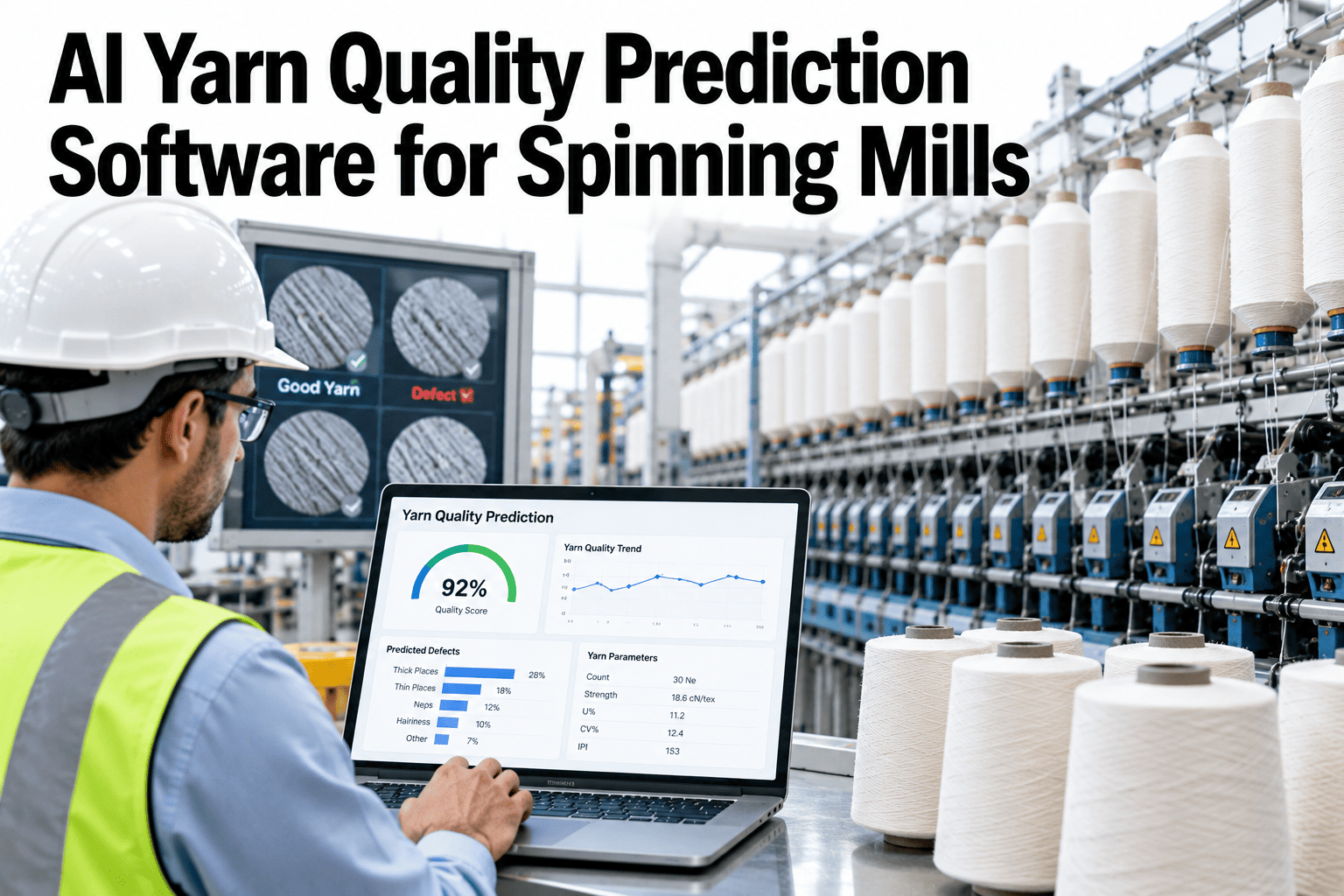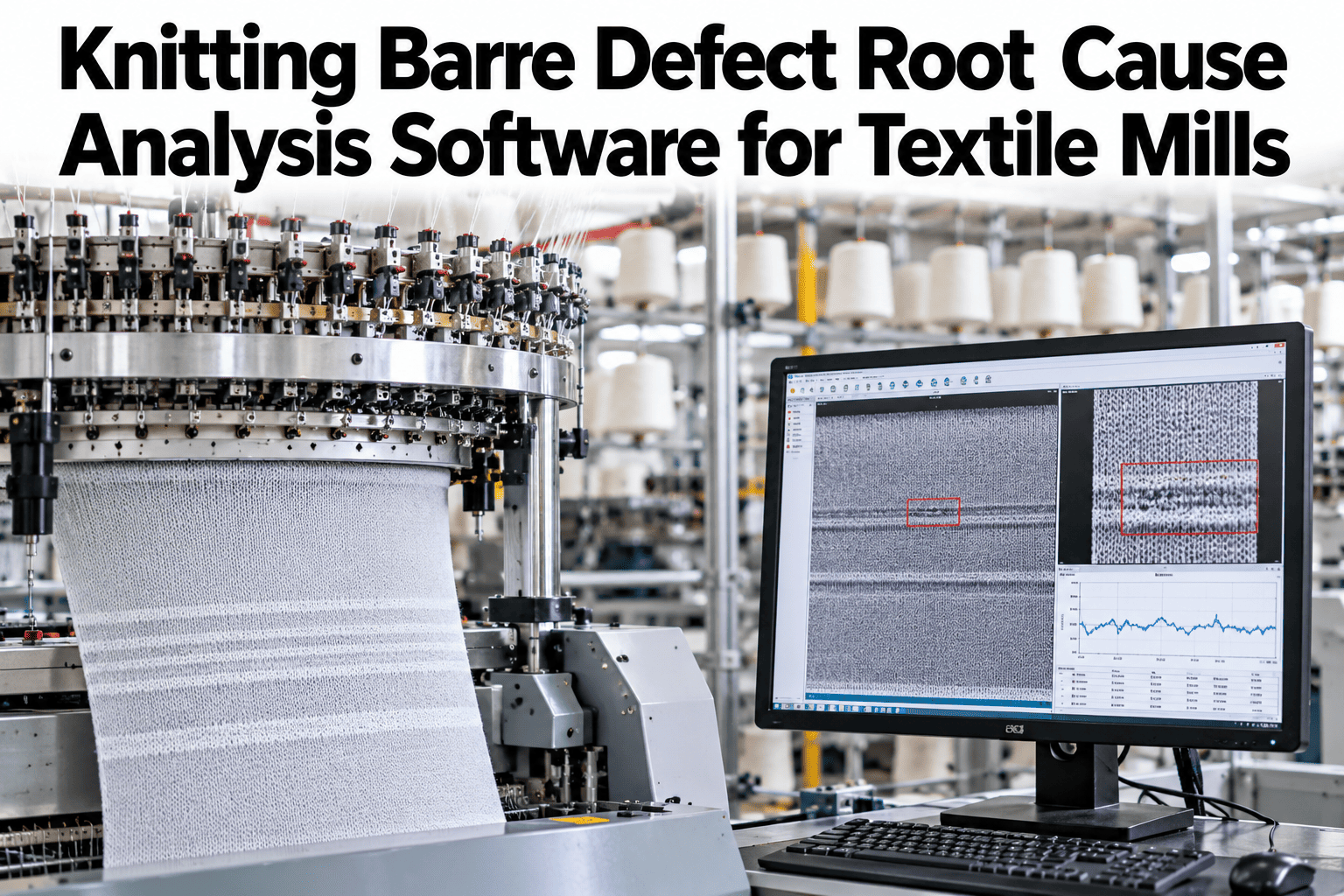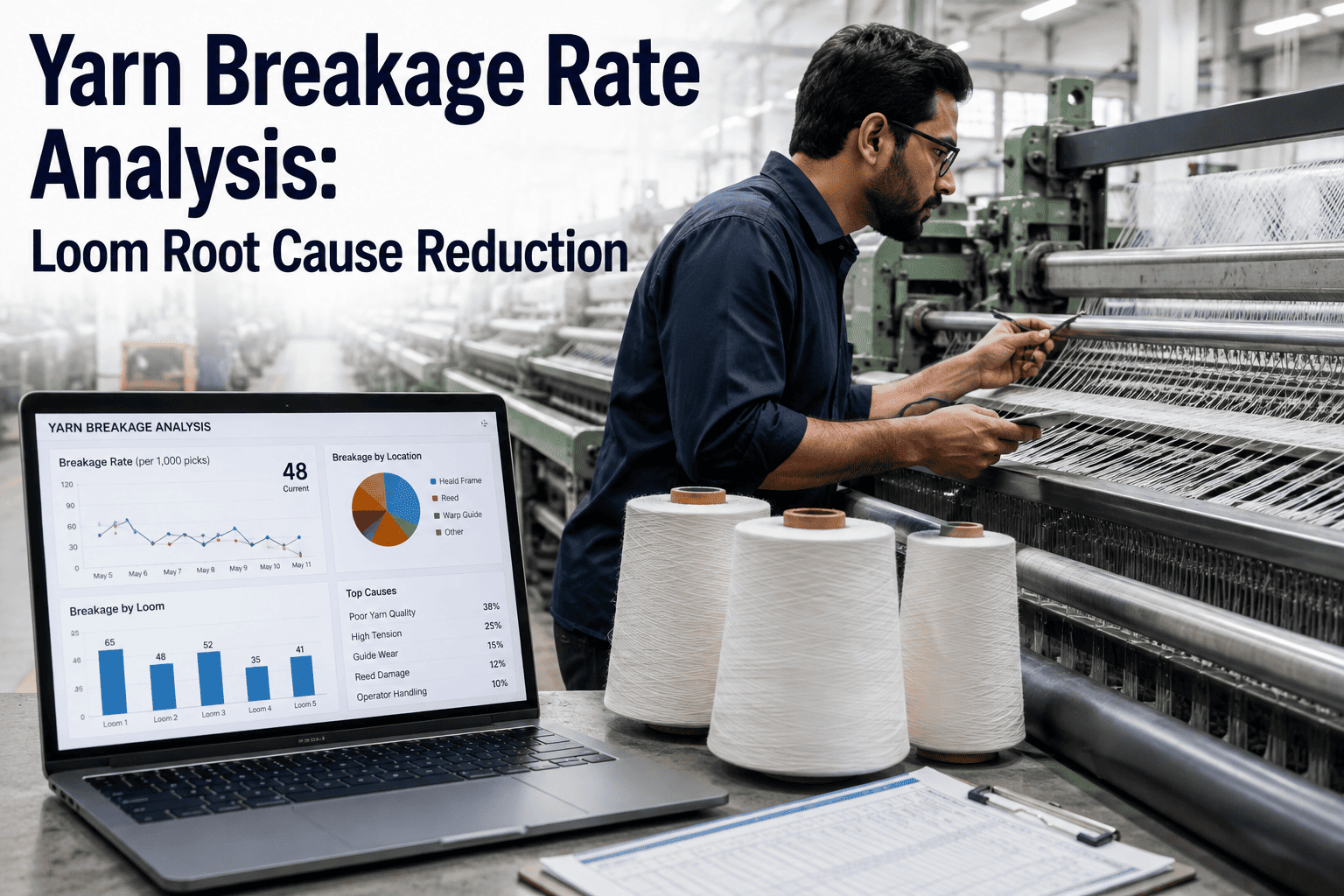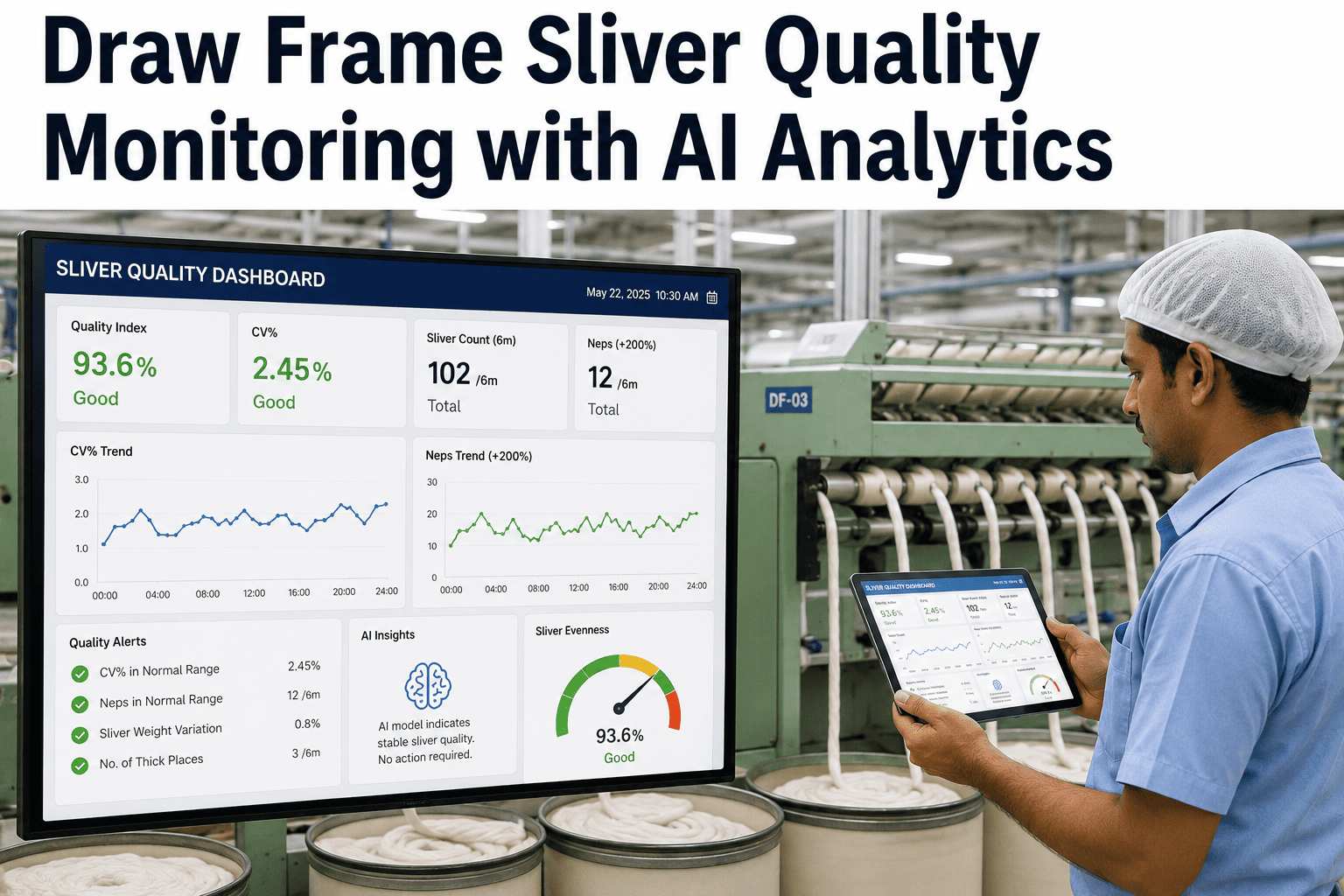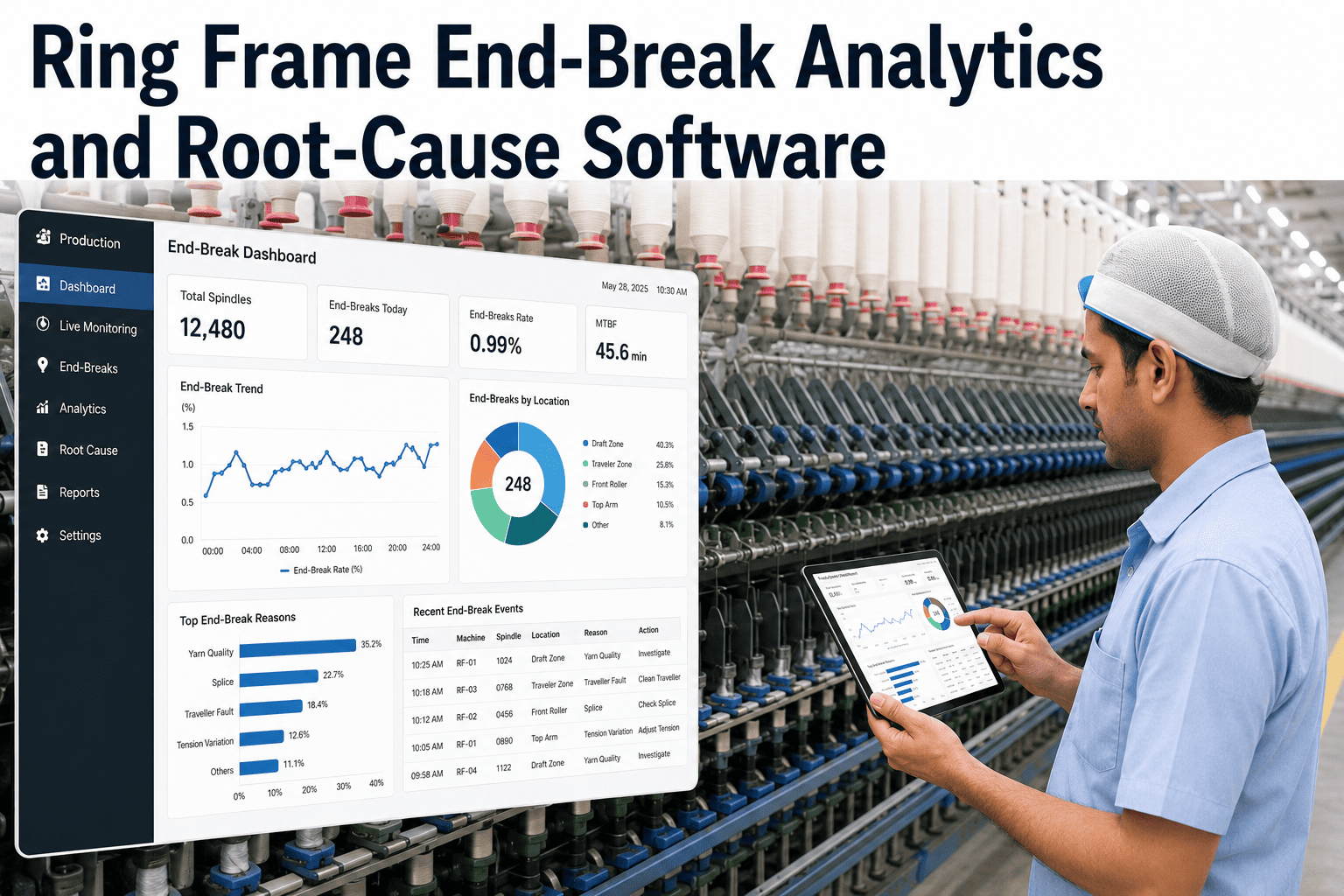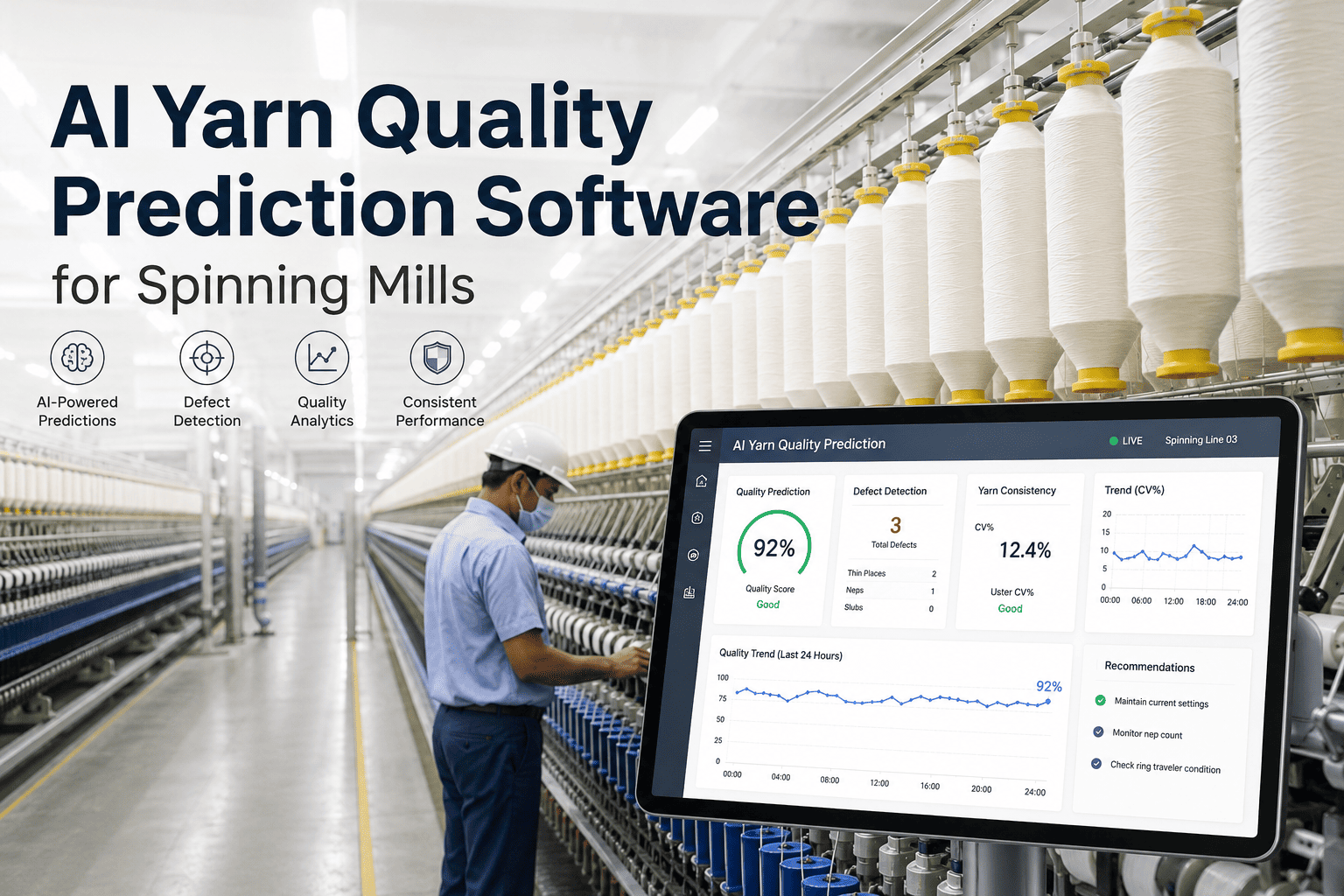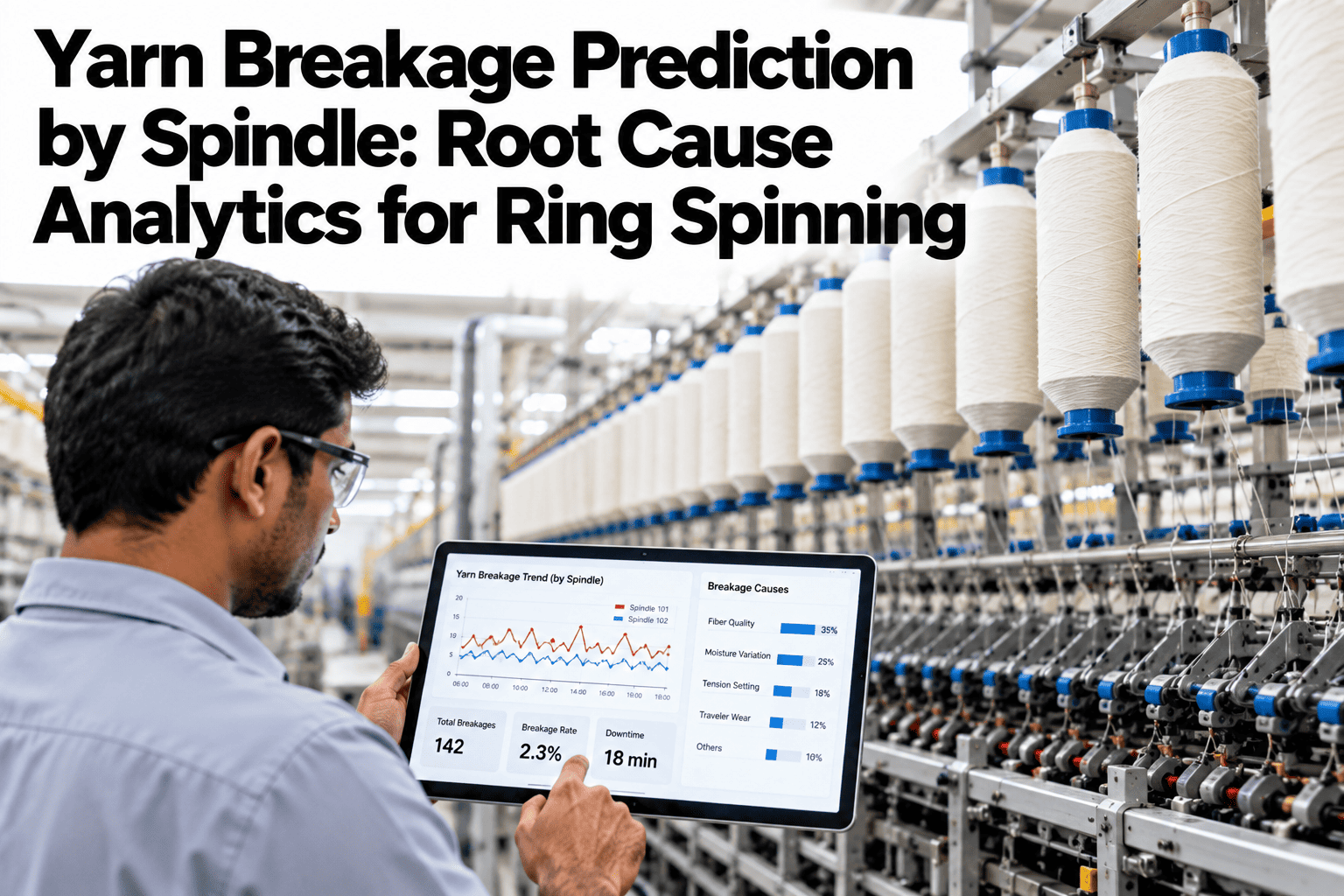
A mill-wide breakage rate can sit at a perfectly acceptable 4 per 1,000 spindle hours while three specific spindles on one frame are breaking five times that often, and the average completely hides them. Yarn breaks are rarely random across a spinning floor; they cluster by spindle, machine, lot, and shift, and the cluster itself is the diagnostic clue. Finding it means looking at breaks one level below the plant-wide average, where most reporting stops. See your own breakage pattern broken down by spindle.
Find the Spindles Behind the Average
iFactory AI breaks down yarn breakage by spindle, machine, lot, shift, and process condition to surface repeat patterns a plant-wide average hides.
The Plant Average Hides Where the Problem Lives
A breakage rate reported at the plant or even the frame level averages away the exact detail needed to fix it, because three or four problem spindles buried inside a bank of two hundred barely move the overall number even while they are the entire source of lost production time on that frame.
A Spindle-Level View Across One Frame
Sixty spindles on a single ring frame, scored by break frequency over the last production run. Darker cells show the clusters a plant-wide average would never reveal.
See Your Own Spindle-Level Pattern
Book a 30-minute session and run spindle-level breakage analytics against your own frame's production data.
Matching the Pattern to a Cause
The shape of a breakage cluster usually points toward one of a small number of root causes.
| Pattern Observed | Likely Cause | Where to Check |
|---|---|---|
| Clustered on adjacent spindles | Shared mechanical component (ring, traveler, spacer) | That section of the frame |
| Clustered by shift | Humidity, tension setting, or operator handling difference | Shift operating conditions |
| Clustered by lot | Fiber blend or roving quality variance | Upstream material source |
| Scattered, no pattern | General wear across the frame | Preventive maintenance schedule |
From Pattern to Fix in Five Steps
Root cause analysis runs as a repeatable workflow rather than a one-off investigation each time breakage rises.
Rolling Out on the Spinning Floor
iFactory AI connects to spindle-level break sensors and frame controllers already present on most modern ring spinning equipment.
Expert Review
Adjacent-spindle clustering is the pattern maintenance teams most often miss, because a frame-level report averages it away before anyone notices two or three neighboring spindles are doing almost all the breaking. Once that cluster is visible, the fix is usually a single mechanical component, not a frame-wide overhaul.
Frequently Asked Questions
Do we need new sensors to track breaks by spindle?
Most modern ring frame controllers already log break events at the spindle level; the analytics connect to that existing data rather than requiring new hardware. Support can confirm compatibility with your frame controllers.
How far back does the pattern detection look?
Pattern detection compares the current production run against a rolling historical baseline, so a new cluster is visible within the same run rather than only after a monthly report.
Can this separate breakage caused by the frame from breakage caused by the lot?
Yes, patterns are tagged by both machine and lot, so a lot-driven fiber quality issue is distinguished from a frame-driven mechanical issue. See a lot-versus-frame example on a call.
Does this suggest a specific fix or just flag the pattern?
The system suggests a likely cause category based on the pattern shape, giving the technician a starting point for investigation rather than a blank breakage report to interpret alone.
Can this run across multiple frames and shifts at once?
Yes, pattern detection scales across every connected frame and shift, with a plant-wide view available alongside the spindle-level detail. Ask support about multi-frame rollout.
Find the Spindles Driving Your Breakage Rate
iFactory AI breaks down yarn breakage by spindle, shift, lot, and condition to surface the pattern behind the average. Book a demo on your own frame data.