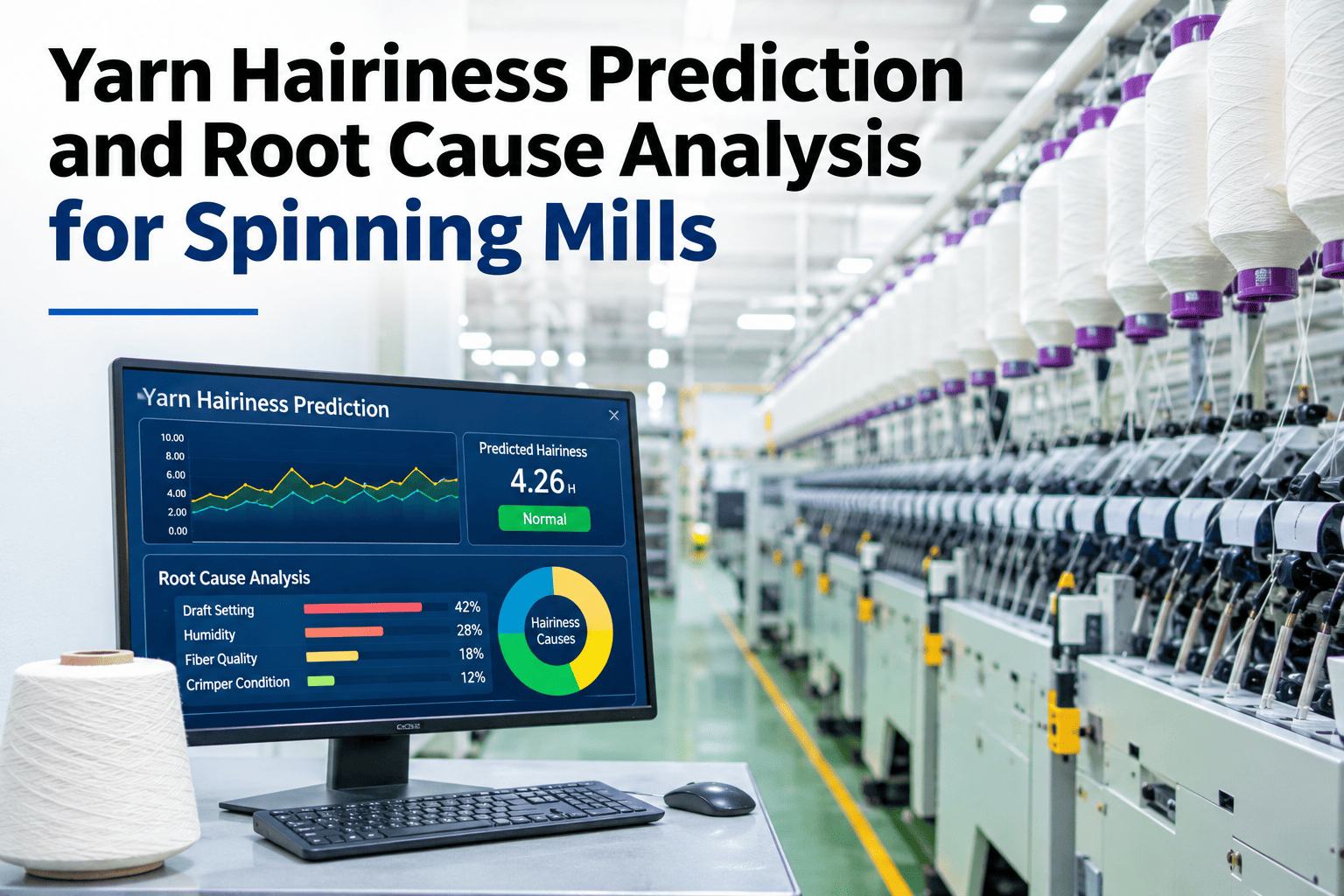
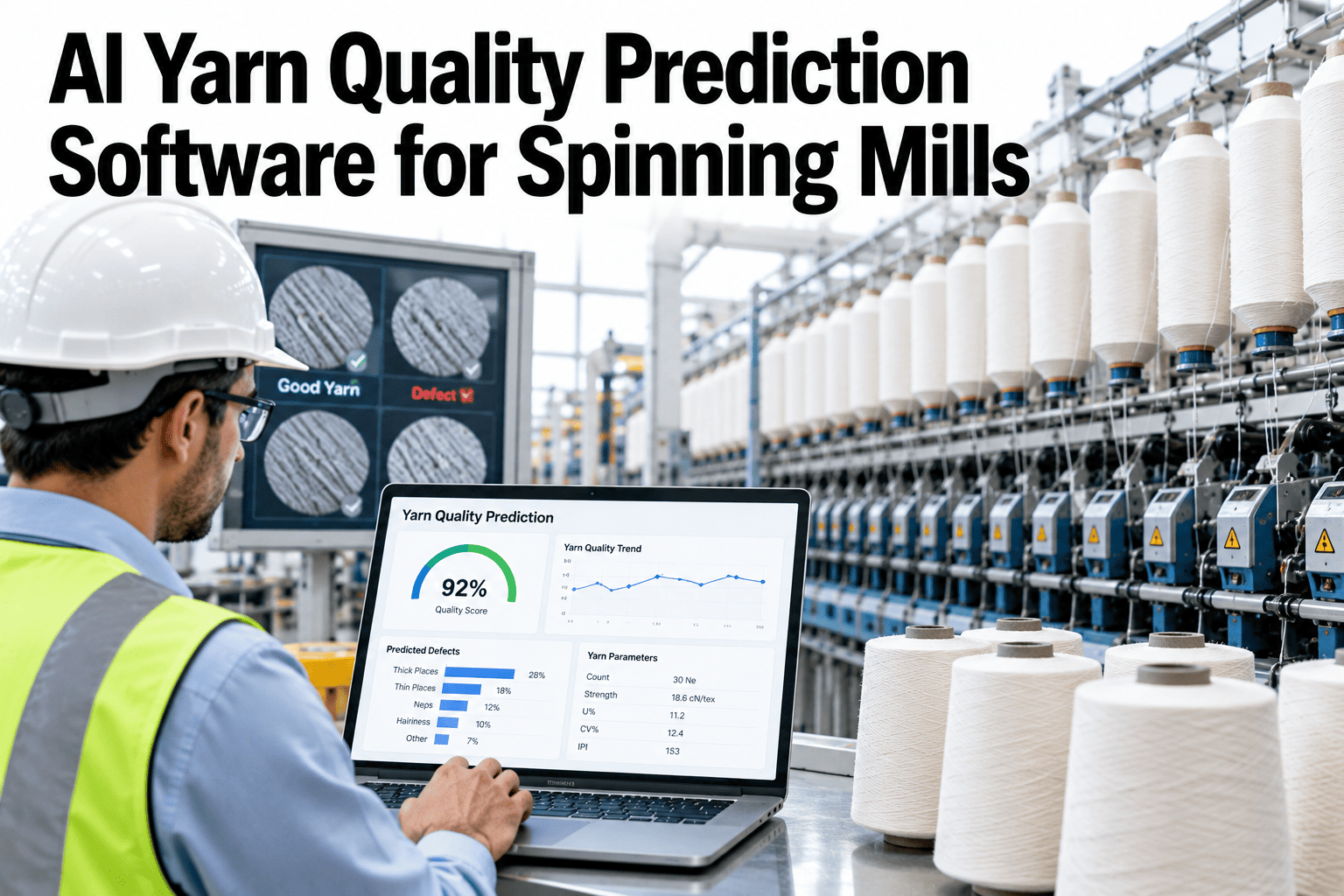
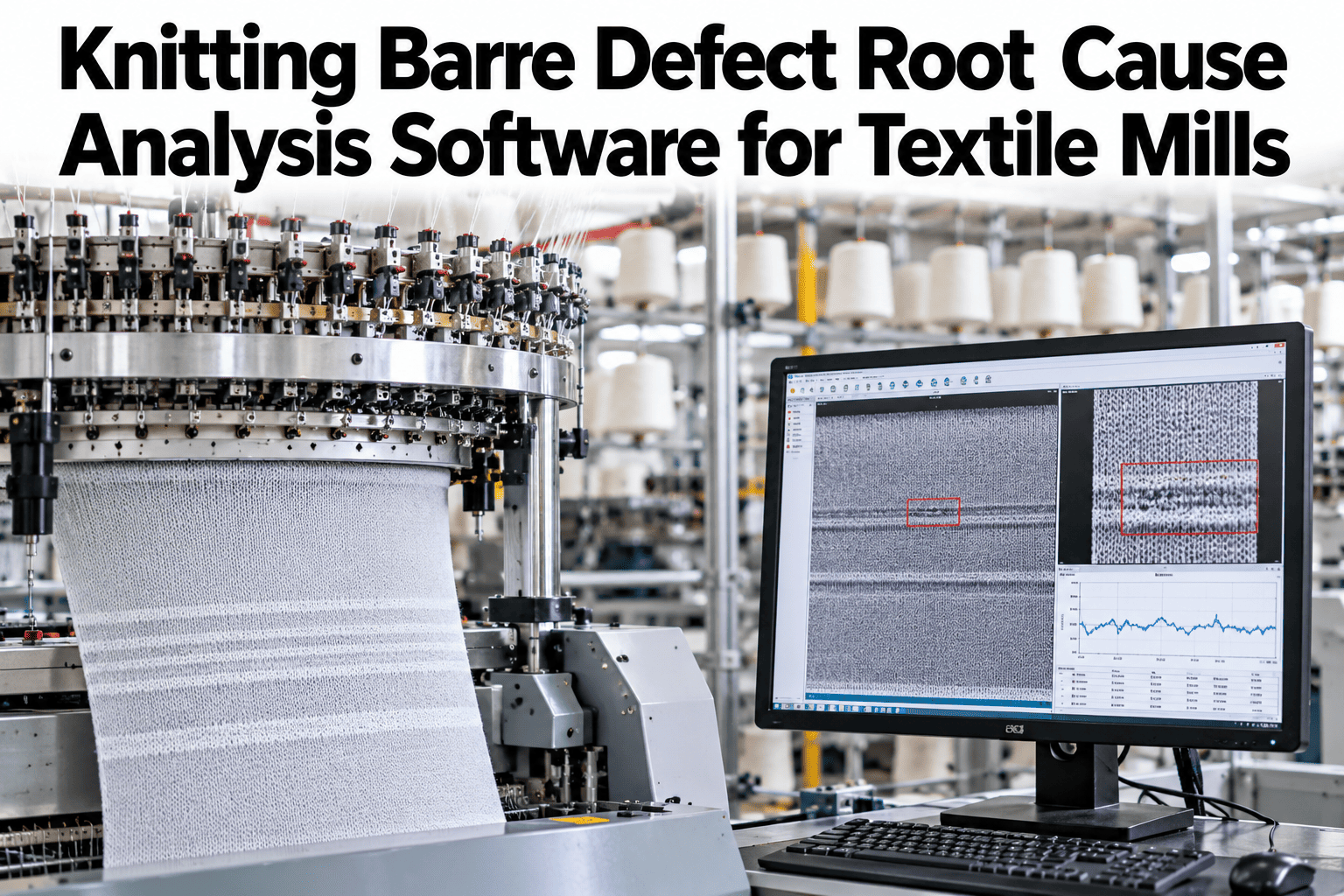
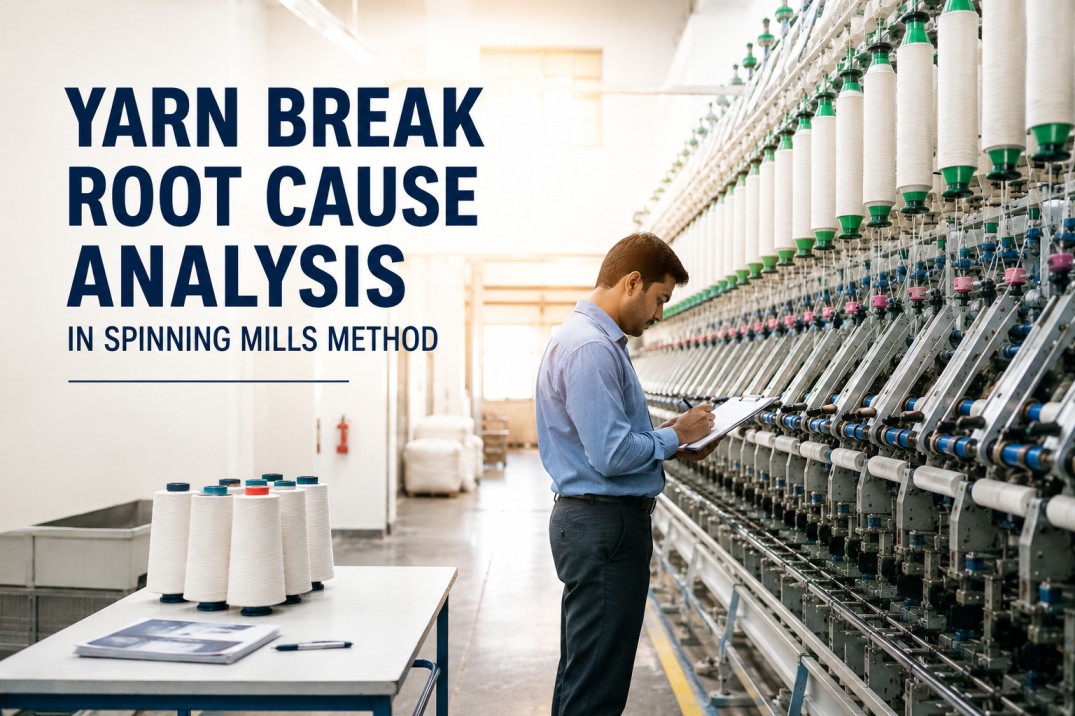
Yarn hairiness rarely shows up as a single obvious failure, it creeps upward gradually across a shift or a spindle range until downstream weaving or knitting starts rejecting fabric for pilling, uneven appearance or dye absorption problems that trace back to fiber ends protruding from the yarn surface. By the time a quality team notices the trend on a Uster report, the root cause, whether it is a worn traveler, a raw material shift or a process drift, has often been running unchecked for days. Tracking hairiness alongside machine and process conditions as they happen, rather than after a batch report flags it, is what actually lets a mill catch the cause early, and our team can walk you through how this works on your spinning floor.
Ring spinning, yarn quality
Catch Rising Yarn Hairiness Before It Becomes a Fabric Quality Problem
iFactory AI tracks yarn hairiness trends alongside machine and process conditions in real time, so the root cause surfaces while it is still cheap to fix.
Why it is caught late
Hairiness Builds Quietly Until Fabric Fails Downstream
Hairiness is a gradual drift, not a sudden spike, which is exactly why it slips past routine checks until it has already affected several lots of yarn.
Gradual drift
Hairiness rises slowly across a shift, not all at once
Periodic testing
Uster checks happen at intervals, not continuously
Cause stays hidden
The report shows the number, not what changed on the machine
Fabric fails downstream
Pilling or dye issues surface weeks after the yarn was spun
Three cause categories
Where Rising Hairiness Usually Starts
Ring and traveler condition
A worn traveler or ring increases fiber fly and protruding ends.
Raw material variation
Fiber length, strength or maturity shifts change how cleanly fibers wrap into the yarn.
Process settings
Twist level, spindle speed and draft settings all influence how fibers are bound into the yarn body.
Check Your Current Hairiness Trend
Share a recent Uster hairiness report alongside your machine logs and see what the trend is pointing to.
Cause table
Matching a Hairiness Pattern to Its Likely Cause
| Pattern | Likely cause | Typical response |
|---|
| Rises gradually on one spindle range | Worn traveler or ring in that range | Inspect and replace traveler |
| Rises across a whole lot | Raw material batch variation | Check fiber length and maturity data |
| Rises with speed changes | Spindle speed or draft setting | Review process parameters against the setting change |
| Rises with humidity swings | Ambient humidity or temperature drift | Check environmental control logs |
Detection pipeline
Four Steps From Trend to Root Cause
1
Continuous tracking
Hairiness trend is tracked alongside machine data as spinning runs.
2
Drift detection
A rising trend is flagged before it crosses a quality limit.
3
Correlate with conditions
The trend is checked against traveler age, material lot and process settings.
4
Flag the likely cause
The most probable cause is surfaced to the floor team for action.
Where hairiness spikes
Hairiness Risk Across Traveler Life and Spindle Position
Hairiness does not rise uniformly across a frame. Certain spindle ranges and certain points in traveler life carry more risk than others.
New travelerLow
Mid traveler lifeModerate
End of traveler lifeHigh
Frame edge spindlesElevated
Tracking hairiness by traveler age rather than a fixed replacement schedule often catches wear before it affects yarn quality. To build this tracking into your own maintenance plan, ask our team about traveler life tracking.
Cost of late detection
The Cost of Catching Hairiness Late Grows Fast
Caught at fabric inspection
This illustrative scale shows relative cost growth, not a measured figure for any specific mill.
Common pitfalls
Three Problems With Periodic-Only Hairiness Testing
1
Testing interval misses the drift
A trend that rises and falls between test points is never caught.
2
No link to machine conditions
The test result shows a number but nothing about what caused it.
3
Traveler replacement on a fixed schedule only
Wear varies by position and load, so a fixed schedule misses early failures.
Expert review
Hairiness is one of the clearest early-warning signals a spinning mill has, if it is tracked continuously rather than at fixed intervals. Treat a rising trend as a maintenance and process signal, not only a quality metric to report after the fact.
Watch for
Hairiness trends that correlate with traveler age more than with any single raw material batch.
Do next
Pilot continuous tracking on one frame and compare against your current periodic testing schedule.
— iFactory textile specialists
Frequently asked questions
What Spinning Mills Ask About Hairiness Prediction
Does this replace our Uster testing?
No, Uster testing remains the reference measurement, and continuous tracking works alongside it to catch drift between test points and link it back to machine conditions.
See how it works with your Uster setup.
Can this tell us which traveler to replace before it fails?
Tracking hairiness trends by spindle position and traveler age can flag travelers approaching the end of useful life before they cause a visible quality drop, rather than waiting for a fixed schedule.
Ask about traveler wear tracking.
How do we separate a raw material cause from a machine cause?
Correlating the hairiness trend against both material lot data and machine condition data at the same time is what separates the two, since a raw material cause typically affects a whole lot while a machine cause concentrates on specific spindles.
Discuss cause separation.
Does humidity really affect hairiness that much?
Yes, ambient humidity and temperature changes affect fiber behavior during spinning, so tracking environmental conditions alongside hairiness helps rule out or confirm this as a contributing factor.
Ask about environmental tracking.
How quickly can a rising trend be flagged?
With continuous tracking in place, a drift can typically be flagged well before it would next be caught by a scheduled Uster test, giving the floor team time to act while it is still a minor issue.
Talk through your testing schedule.
From rising trend to confirmed cause
Stop Letting Hairiness Reach Fabric Before Anyone Notices
Book a session with iFactory AI to review your current hairiness data and see how continuous tracking fits your spinning floor.