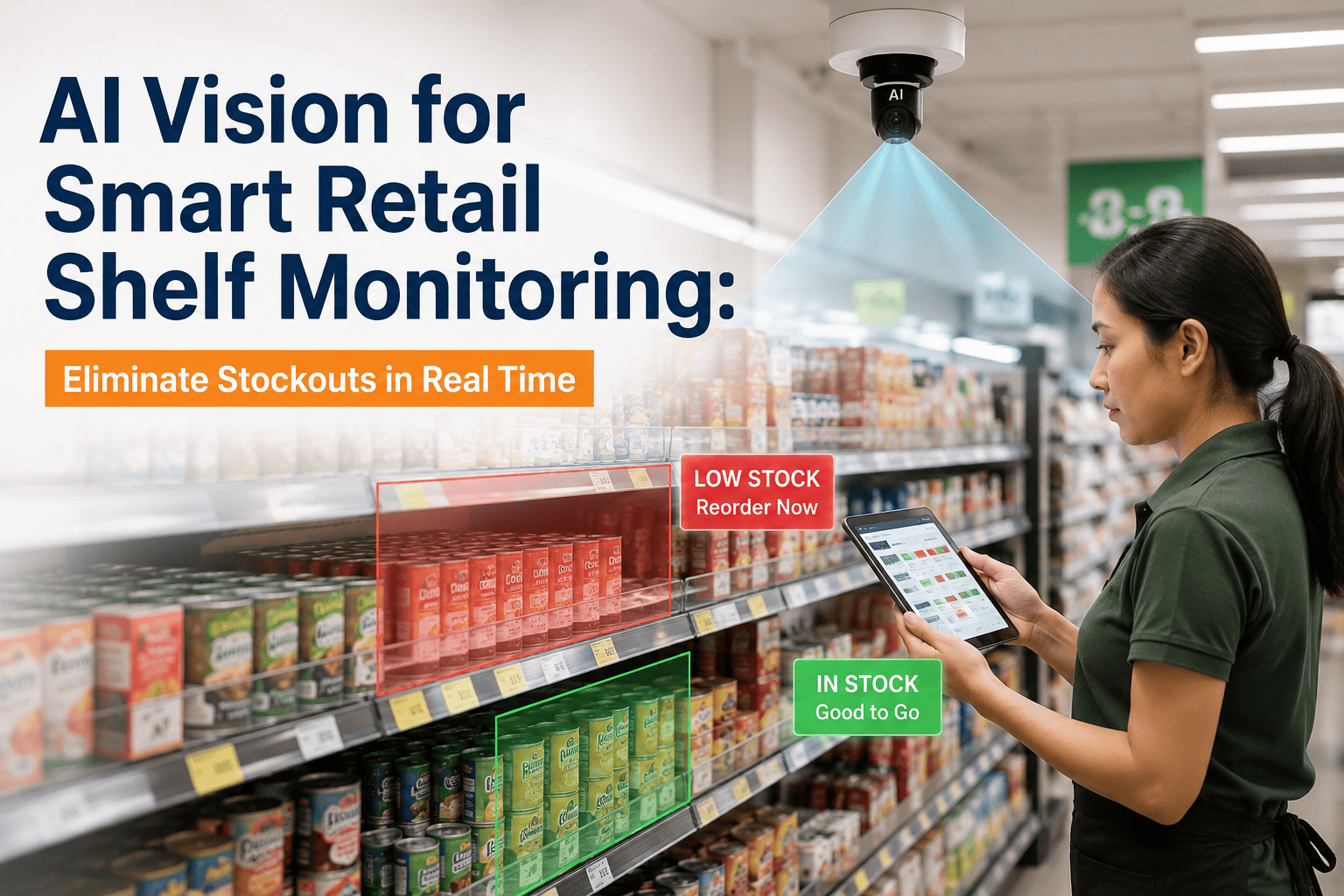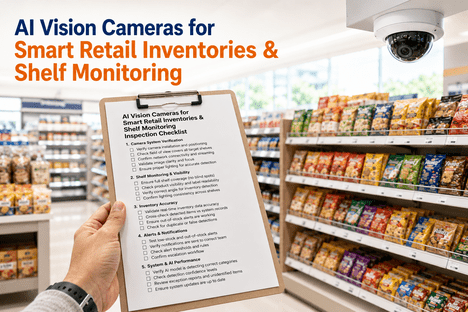
A dry goods stockout costs a sale. A perishable stockout costs a sale and the spoiled inventory sitting in the case behind it — because fresh categories fail in two directions at once, running empty on the fast movers while older stock quietly spoils in the back. Produce alone loses over 12 percent of volume to shrink before it ever reaches a cart, and most of that loss traces back to timing nobody was watching closely enough. iFactory's AI vision layer reads freshness, fill level, and rotation compliance across produce, dairy, and deli continuously, catching both failure modes before they hit the P&L. Book a demo to see it running across your own perishable sections.
Perishables Fail Two Ways. Most Monitoring Only Catches One.
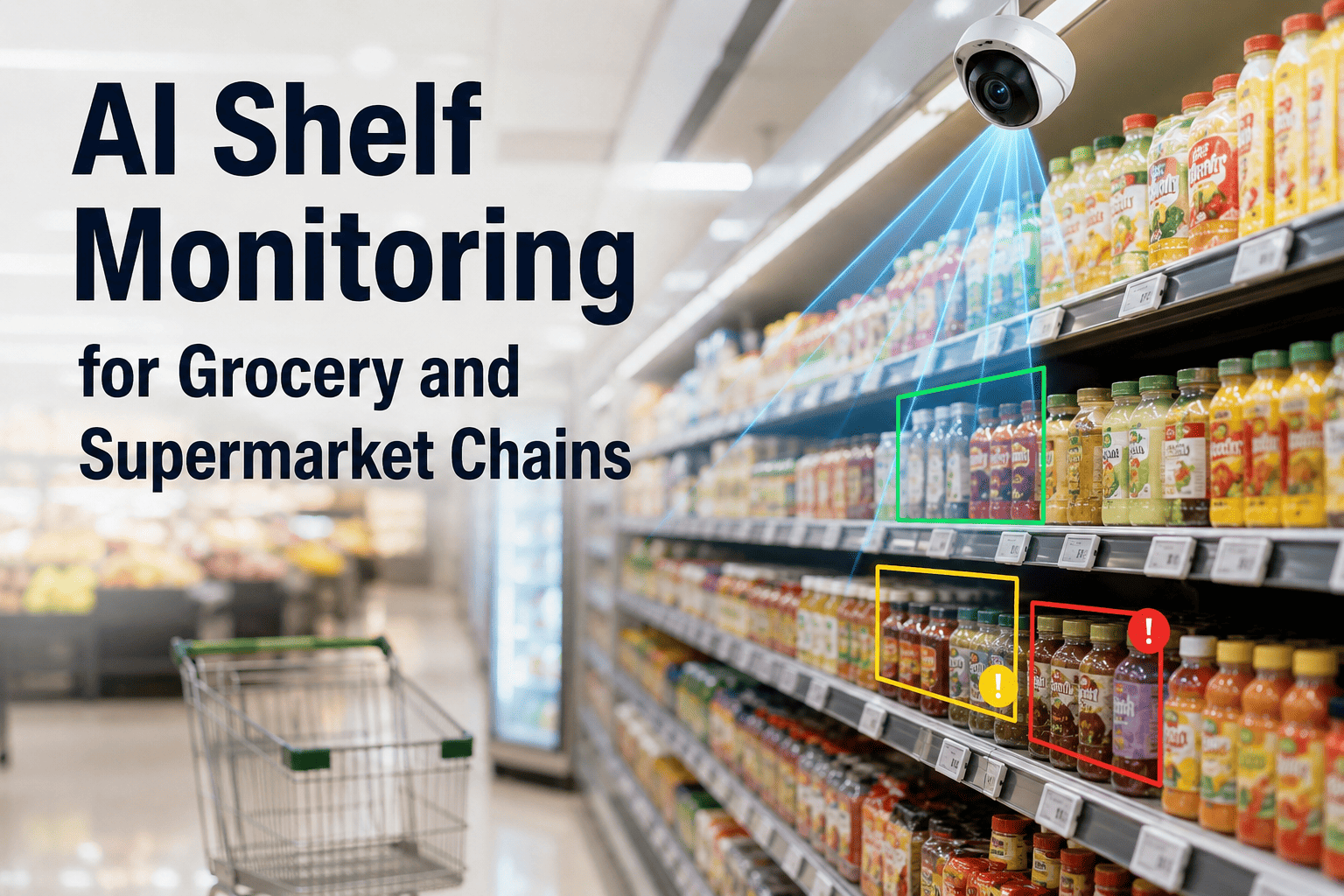
AI cameras track fill levels, shelf life indicators, and FIFO rotation compliance across fresh categories, catching both empty cases and quietly spoiling stock in the same pass.
The Shrink Numbers Fresh Departments Live With
Perishable categories carry a disproportionate share of total store shrink, and most of it is preventable with better timing rather than better buying.
average shrink rate across fresh fruit categories, with some items like papaya running well above 40 percent
average shrink rate across fresh vegetable categories, driven largely by spoilage before sale
of total grocery shrink that perishable categories account for, despite being a smaller share of total inventory
in annual food waste costs tied specifically to perishable inventory across U.S. grocery retail
What Continuous Monitoring Watches in Each Department
Produce, dairy, and deli each fail differently, so the AI is trained on the specific signals that matter for each category rather than one generic shelf model.
Fill level and visual freshness
Tracks case fill against expected volume while reading visual freshness cues like discoloration and wilting, flagging bins that need pulling before a shopper does it for you.
Date rotation and cold-case gaps
Verifies front-facing dates against back-stock to catch rotation errors, and flags empty facings in a category where a gap is highly visible and quickly noticed by regular shoppers.
Case presentation and restock timing
Monitors case fullness and presentation quality throughout the day, since deli and prepared foods are both high-margin and among the fastest-spoiling categories in the store.
Sell-by tracking and markdown timing
Flags items approaching their sell-by window early enough for a markdown or promotion to move them, rather than discovering the date has already passed.
Why FIFO Compliance Breaks Down on the Floor
First-in-first-out rotation sounds simple in a training manual. In a busy store during a restock rush, it is one of the easiest disciplines to skip.
- New stock pushed to the front for speed during a busy restock
- Older product left buried behind newer deliveries
- Associates rotating from memory instead of checking dates
- High turnover during rushes leaves no time to verify order
- Date-order mismatches flagged the same day they occur
- Older stock sitting behind newer deliveries identified visually
- Rotation compliance tracked as a measurable, ongoing rate
- Alerts sent before an item ages past its sell-by window
See Your Own Shrink Numbers by Department
Most grocery operators underestimate their real perishable shrink rate. iFactory can show you the actual number across produce, dairy, and deli before you commit to anything.
The Gap Between Reported and Actual Waste
Most grocery chains believe their food waste number is lower than it actually is, because the tracking methods most stores rely on were never built to catch the full picture.
The reported number
Most retailers calculate food waste using write-off and markdown records, which typically show a number below 15 percent of fresh inventory.
The actual number
Comparing inventory delivered against inventory actually sold reveals real losses in fresh categories running between 35 and 40 percent at many chains.
Where the gap hides
Spoilage that never gets formally logged, product quietly discarded during restock, and case-level shrink that no register transaction ever captures.
From Case Scan to Corrective Action
The monitoring loop for perishables runs the same way across every department, tuned to how fast each category actually turns over.
Continuous case imaging
Cameras scan produce bins, dairy cases, and deli counters on a cycle tuned to each category's typical turnover speed.
Freshness and fill analysis
The AI reads fill level, visual freshness indicators, and date-facing order against expected rotation standards for that category.
Prioritized department alert
A flagged issue routes to the department associate with the specific case, bin, or shelf position already identified, saving a manual search.
Verified pull or restock
The next scan confirms whether the item was pulled, rotated, or restocked correctly, closing the loop without a manual sign-off.
A Fresh Department Manager on What Changed
We always thought our shrink number was under control because our write-off log looked reasonable every week. Once we started tracking actual delivered-versus-sold volume in produce, the real number was almost triple what the write-off log showed. Most of it was product that got quietly pulled and tossed during restock, never logged as waste at all. Having the cameras flag rotation issues before items aged out completely changed what we were able to catch.
rotation issues flagged instead of discovered during a weekly deep clean
shrink visibility instead of a single blended store-wide number
case monitoring across every fresh department, all day, every day
Frequently Asked Questions
Can AI cameras actually detect spoilage or freshness, not just empty shelves?
Yes. The model is trained on visual freshness indicators specific to each category, such as discoloration, wilting, and case fullness for produce, or presentation quality for deli and bakery items. This goes beyond a simple full-or-empty check, since the goal is catching product that is still on the shelf but degrading, which is exactly the inventory that traditional stock counts miss entirely. Accuracy improves over the first few weeks as the model learns the specific products and lighting conditions in each store's fresh cases.
How does this help with FIFO rotation compliance specifically?
The system checks date-facing order on the shelf against expected rotation standards, flagging cases where newer stock sits in front of older product that should have been rotated forward. This catches the exact failure point where FIFO discipline breaks down during a busy restock, when speed takes priority over checking every date. Consistent tracking over time also gives department managers an actual rotation compliance rate to manage against, rather than relying on spot checks.
Does this work in refrigerated and cold-case environments?
Yes. Cameras are calibrated for the lighting and condensation conditions typical of dairy cases and refrigerated produce sections, so detection accuracy holds in cold environments the same way it does on dry-goods shelves. Book a demo to see how the system performs across your specific case and cooler setup.
Will this reduce our actual food waste, or just our reported waste?
The goal is reducing actual waste by catching rotation and freshness issues early enough to markdown, redirect, or sell product before it spoils, not simply improving how waste gets logged. Retailers using better forecasting and monitoring tools have reported meaningful shrink reductions in fresh categories, since most of the loss comes from timing failures that earlier detection directly addresses. Talk to a specialist about what realistic shrink reduction looks like for your store mix.
Can this integrate with our existing perishable ordering and forecasting systems?
Yes. Shelf-level freshness and fill data can feed back into existing fresh forecasting and ordering platforms, giving demand planning teams real shelf conditions to work from instead of relying solely on sales history and manual counts. This closes the loop between what actually happens on the floor and the ordering decisions made upstream, which is where a large share of overstocking and resulting spoilage originates.
Find Out What Your Fresh Departments Are Really Losing
Book a 30-minute walkthrough. iFactory will map produce, dairy, and deli against a live store feed and show what continuous monitoring would catch in your first week.