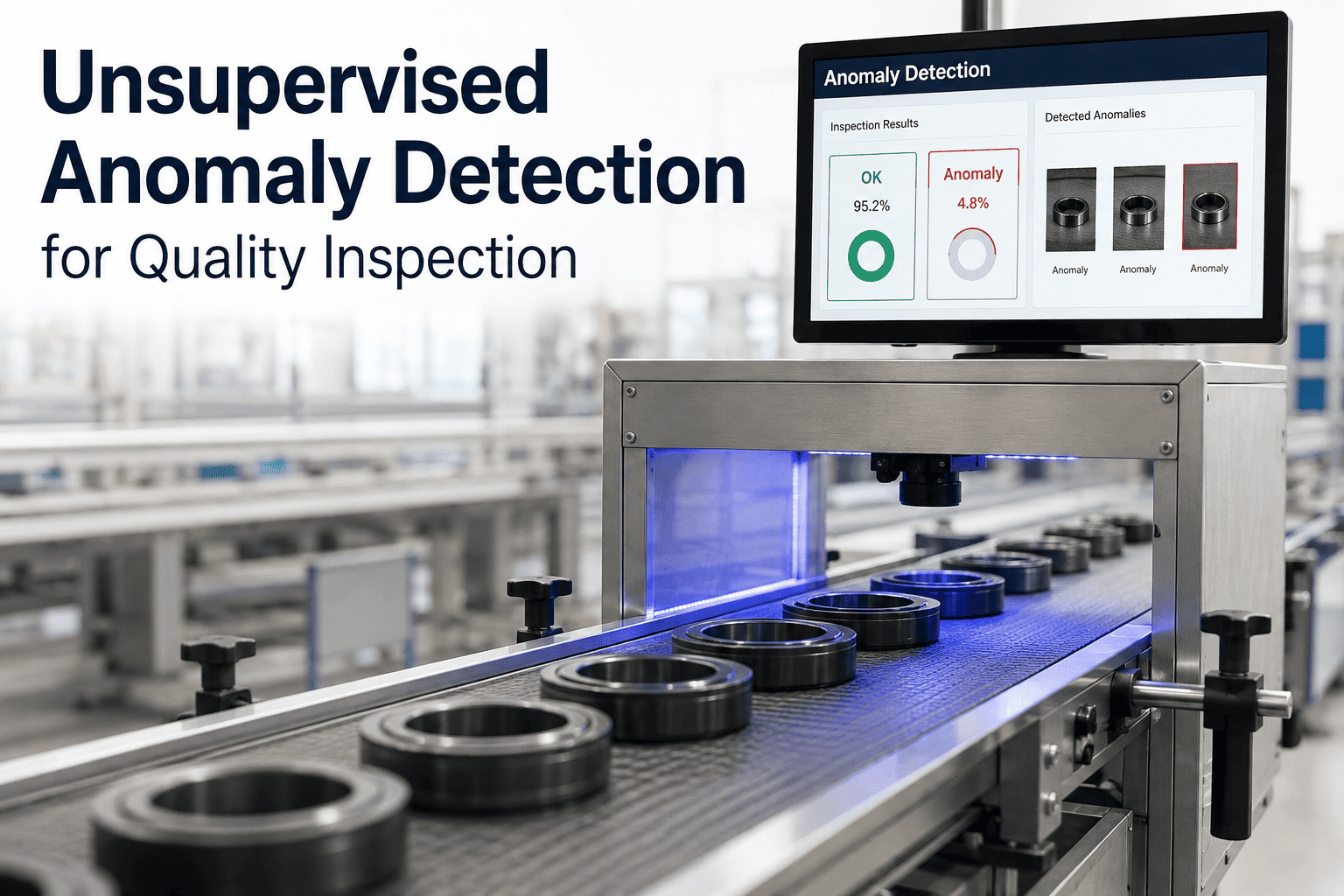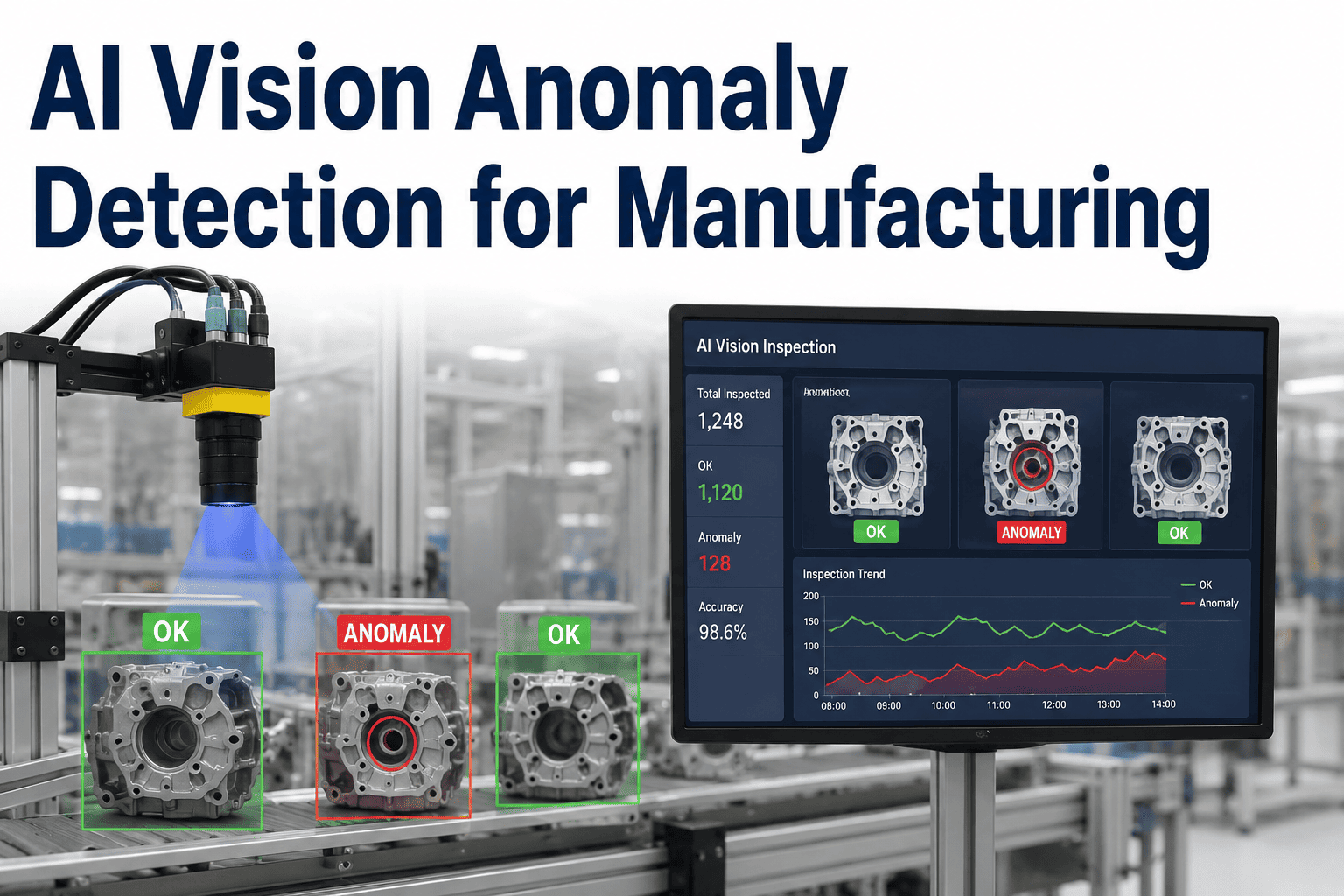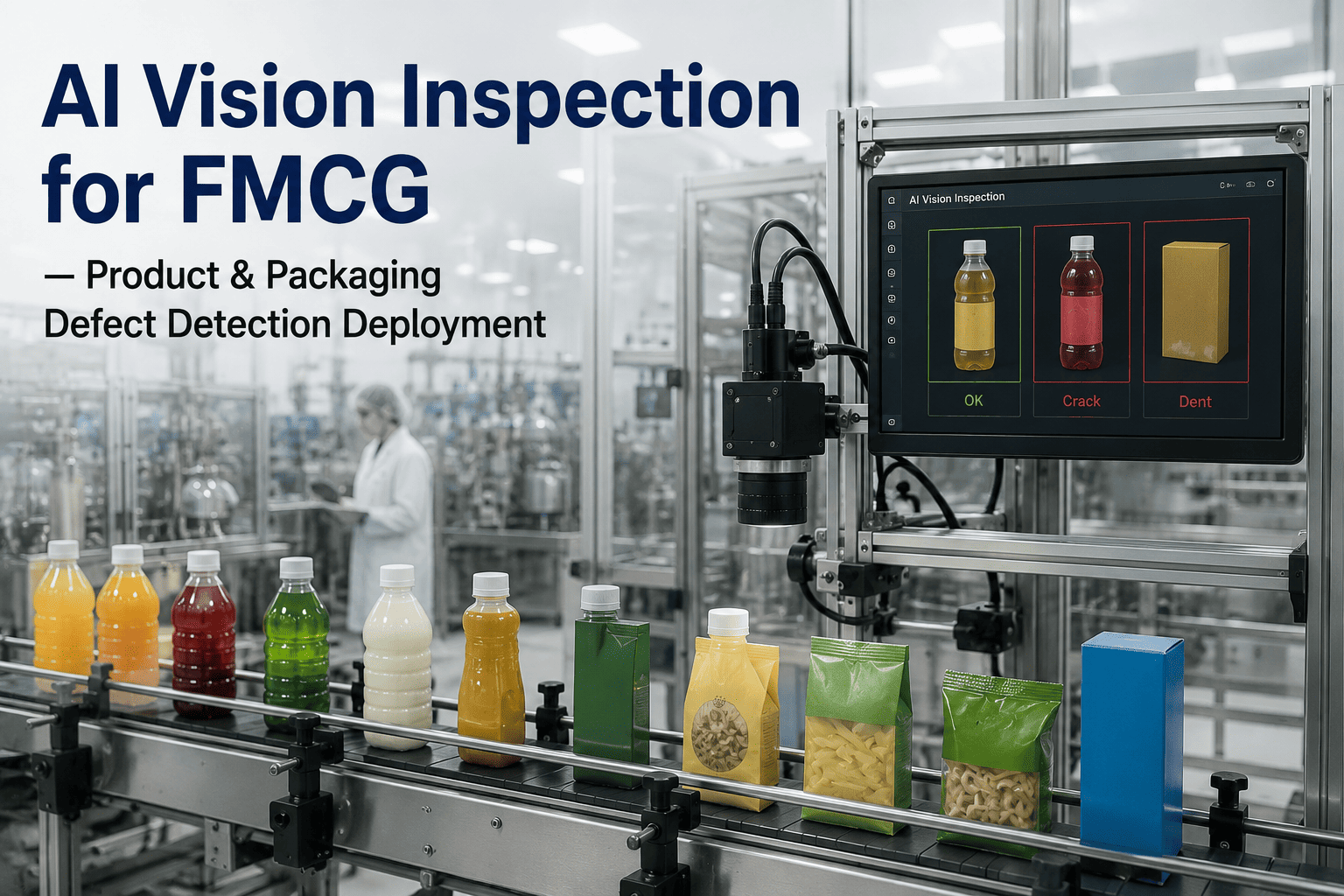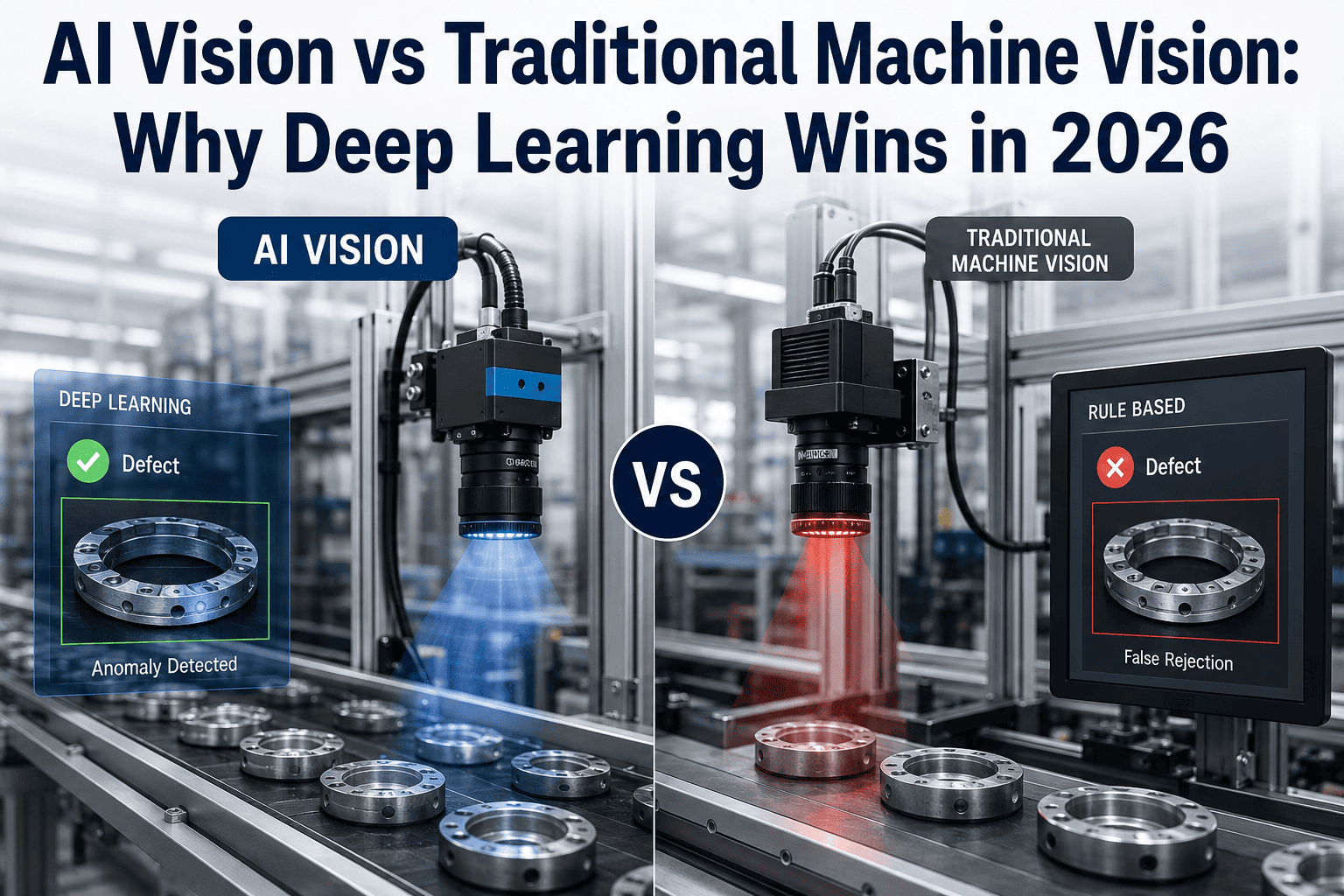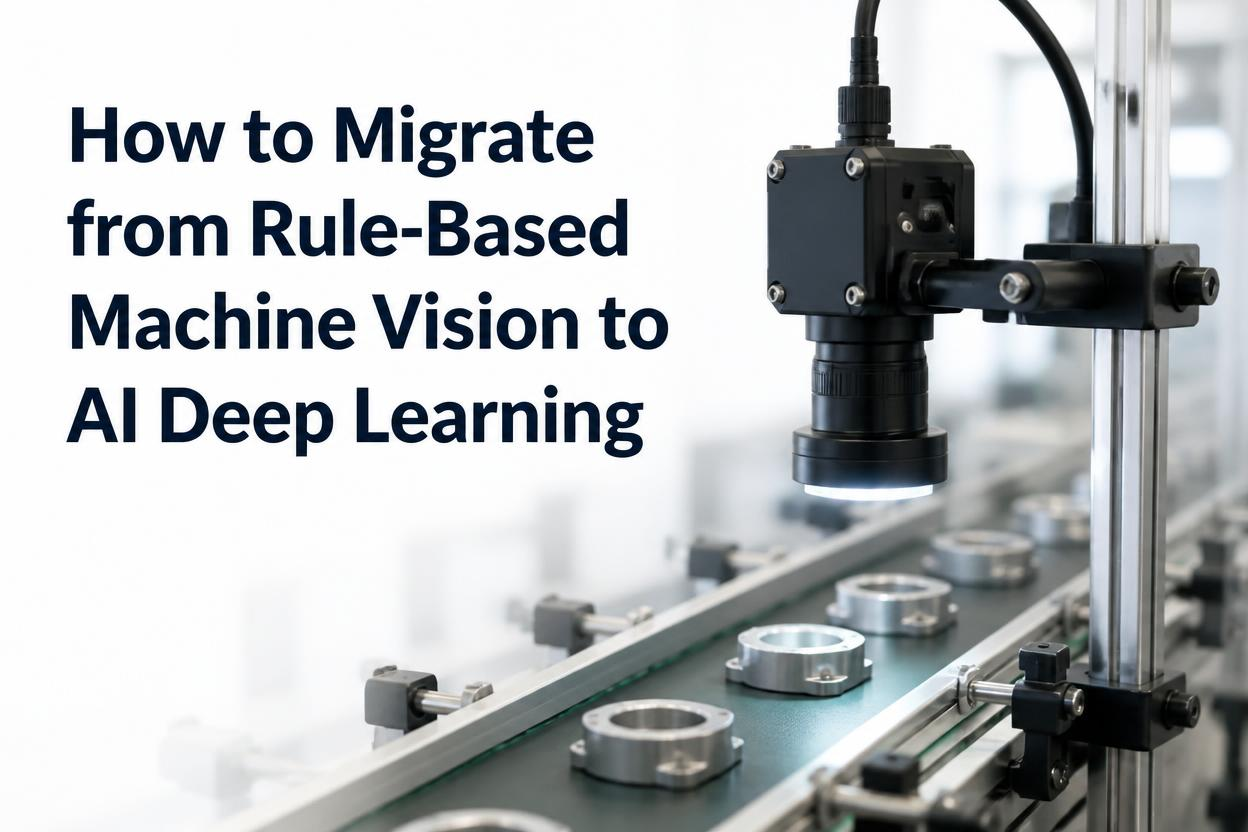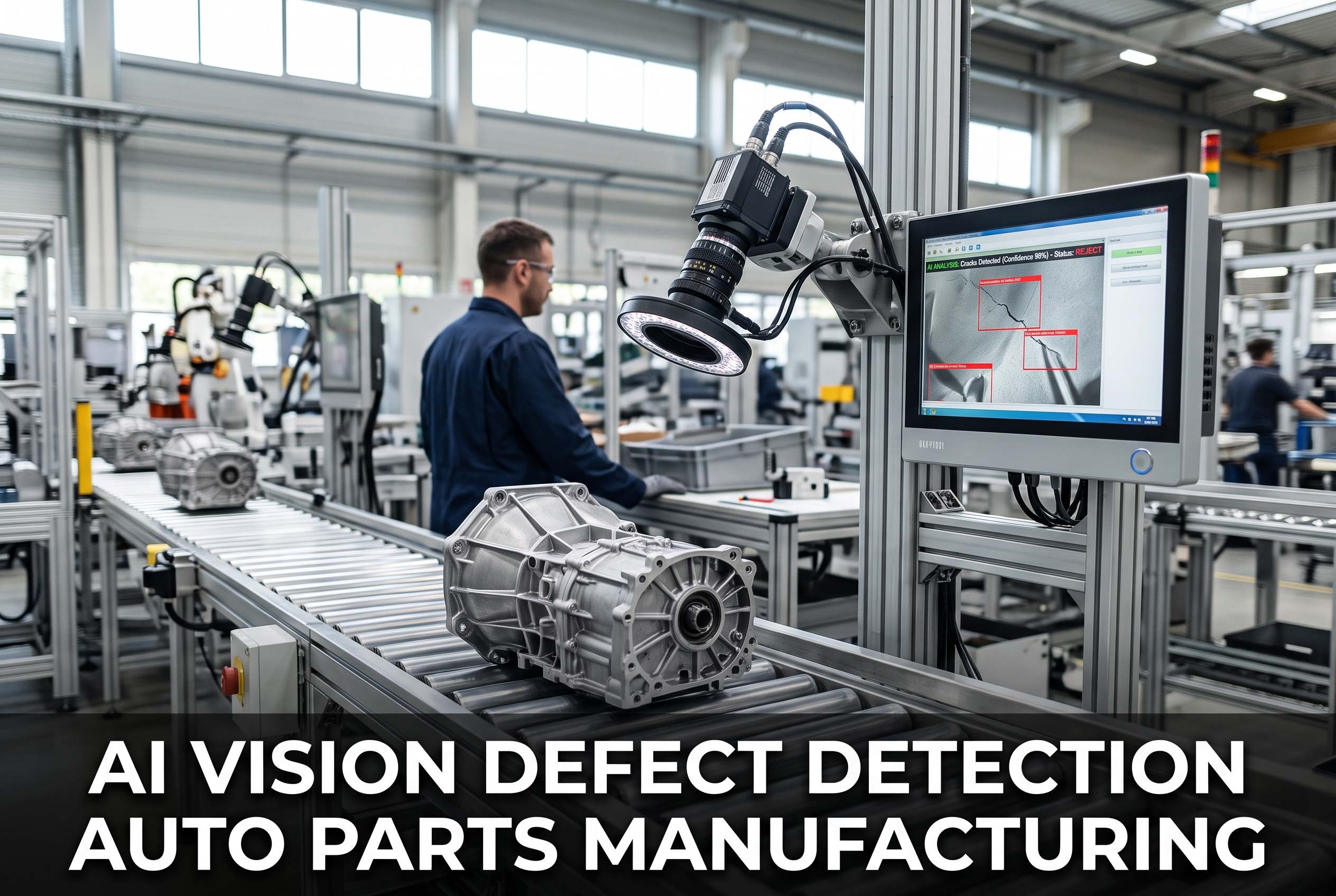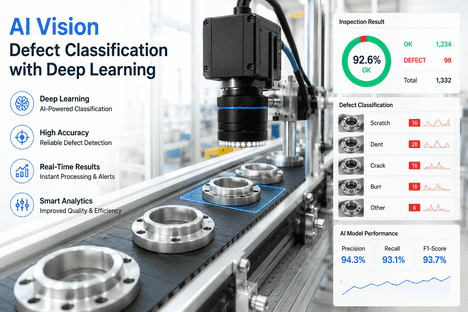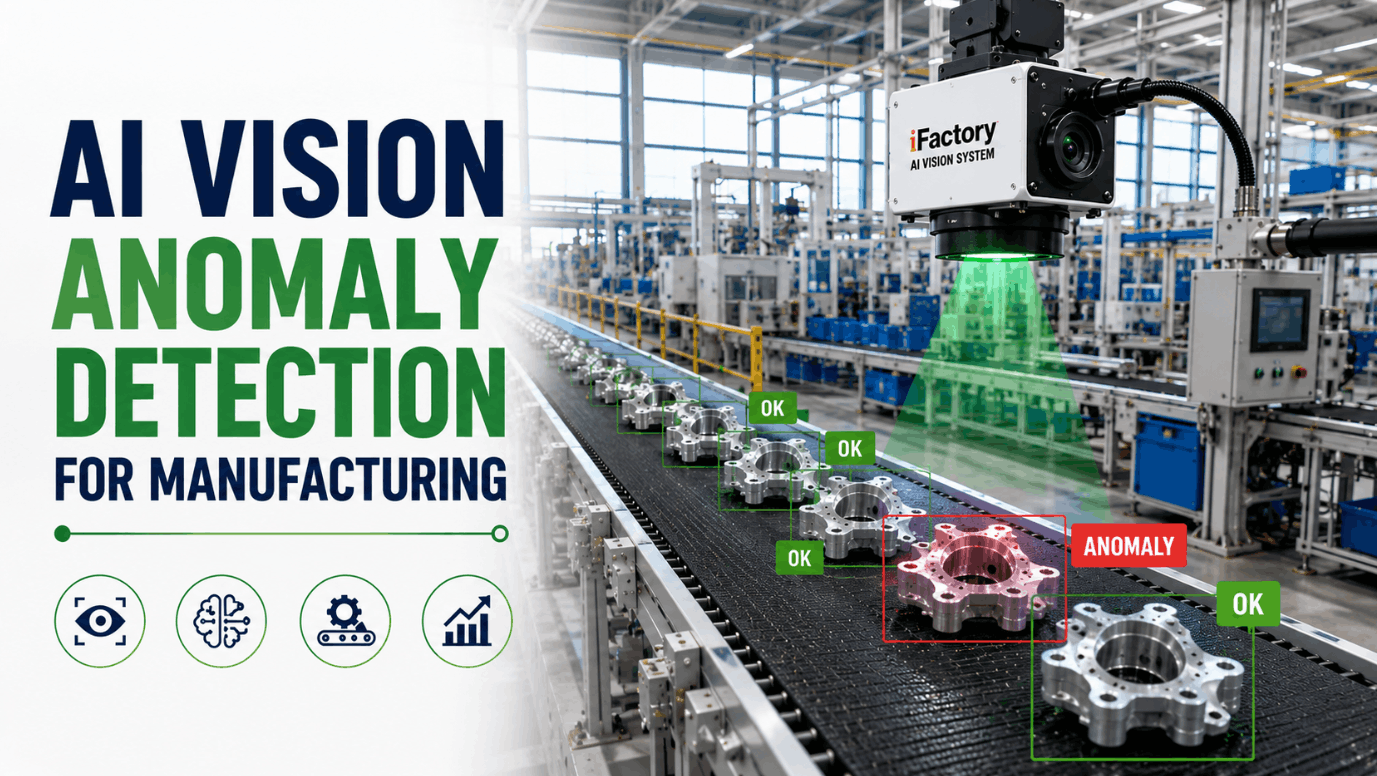
AI-powered anomaly detection is reshaping how manufacturers identify defects, equipment degradation, and process deviations across production environments. Traditional machine vision systems rely on supervised learning, requiring thousands of labeled defect images to train a model. For high-mix, low-volume manufacturing lines, this approach breaks down as product variety expands faster than training data can be curated. iFactory's AI Vision Anomaly Detection platform solves this with unsupervised deep learning that detects unknown and rare defects without requiring a single labeled example. By learning what normal looks like across thousands of operational hours, the system identifies surface imperfections, dimensional anomalies, assembly errors, and material inconsistencies that supervised systems miss entirely. Vision quality engineers managing complex product portfolios increasingly choose to Book a Demo to see how unsupervised anomaly detection maps to their specific production environment.
How Unsupervised AI Vision Anomaly Detection Works
Deep Learning Models Trained Exclusively on Normal Operational Data
Unsupervised anomaly detection fundamentally changes the defect detection paradigm by eliminating the need for labeled defect images. The model is trained exclusively on images of conforming products — learning the statistical distribution of normal surface textures, geometries, colors, and assembly patterns. At inference, the encoder computes an anomaly score for every inspection image by measuring the deviation from learned normal representations. Any product whose reconstruction error or feature distance exceeds a configurable threshold is flagged as anomalous, regardless of whether the specific defect type was previously encountered. This approach is particularly powerful for high-mix production where thousands of product variants rotate through the same line and defect types are too diverse to catalog exhaustively. Reliability and quality engineers evaluating zero-shot inspection capabilities regularly choose to Book a Demo to see how iFactory's unsupervised models perform on their specific product portfolio without any training data preparation.
Key Applications Across Manufacturing Industries
Where Unsupervised Anomaly Detection Delivers Measurable Impact
Automotive manufacturers use unsupervised vision anomaly detection to inspect cast and machined components where surface defect morphologies vary continuously with tool wear. Electronics producers detect PCB assembly anomalies — missing components, solder joint irregularities, and trace damage — across boards with drastically different layouts on the same line. Pharmaceutical and medical device manufacturers inspect blister packs, vial fill levels, and assembly integrity without maintaining defect libraries for every product SKU. In each of these environments, the system flags anomalies at line speed and routes flagged items to a human review station, with all inspection events timestamped and recorded for quality audit trails. Quality directors evaluating cross-platform deployment programs choose to Book a Demo to assess iFactory's anomaly detection performance against their existing inspection data.
From Detection to Action: Integrating Anomaly Results into Maintenance Workflows
Closing the Loop Between Vision Inspection and Corrective Action
A vision anomaly detection system that only flags defects without triggering corrective action leaves a critical gap in the quality management workflow. iFactory's platform connects every anomaly detection event to the CMMS layer — generating automated work orders when anomaly rates exceed configurable thresholds, associating defect images with specific assets and production runs, and providing trend analytics that identify recurring anomaly patterns before they escalate into quality incidents. This integration transforms anomaly detection from a standalone inspection tool into a proactive quality and maintenance intelligence system. Maintenance and quality managers building closed-loop inspection programs choose to Book a Demo to review how iFactory's detection-to-action pipeline integrates with their existing CMMS and quality systems.
Why Unsupervised Detection Wins for High-Mix, Low-Volume Production
Zero-Shot Defect Detection Without Training Data Bottlenecks
The economic case for unsupervised anomaly detection strengthens as product mix complexity increases. Supervised systems require thousands of labeled defect images per product variant — a data collection bottleneck that makes them impractical for facilities running hundreds of SKUs. Unsupervised models deploy with a single pass of normal product images, adapting to new product introductions without additional training data or model retraining cycles. iFactory's platform supports edge deployment on existing camera infrastructure, processing inference locally with millisecond latency and no dependency on cloud connectivity. The system also supports continuous learning, where the model is periodically refined using production data to improve detection accuracy over time without manual intervention.
| Capability | Supervised Vision Inspection | Unsupervised Anomaly Detection (iFactory) | Impact |
|---|---|---|---|
| Training data required | Thousands of labeled defect images per SKU | Normal images only — no defect labels needed | 90%+ reduction in data preparation effort |
| New product introduction | Weeks of data collection and model retraining | Deploy with single pass of normal product images | Same-shift deployment for new SKUs |
| Rare defect detection | Misses defect types absent from training set | Detects any deviation from learned normal distribution | Unknown defect capture without prior examples |
| Model maintenance | Manual retraining per product or process change | Continuous learning from production data stream | Zero manual model upkeep |
| Deployment infrastructure | Typically requires cloud GPU inference | Edge-native inference on existing camera hardware | Sub-millisecond latency, no cloud dependency |
Frequently Asked Questions
How is unsupervised anomaly detection different from traditional machine vision inspection?
Traditional machine vision uses supervised learning — requiring thousands of labeled defect images for each product variant to train a classifier. Unsupervised anomaly detection is trained exclusively on images of conforming products, learning the statistical distribution of normal appearance. At inference, any deviation from this learned normal distribution is flagged as anomalous. This eliminates the labeled data bottleneck that makes supervised inspection impractical for high-mix, low-volume production environments.
What types of defects can unsupervised anomaly detection identify?
The system identifies any statistically significant deviation from learned normal appearance — including surface scratches, dents, discoloration, contamination, dimensional irregularities, missing components, assembly errors, texture variations, and seal integrity failures. Because the model does not require prior examples of each defect type, it can detect novel and rare defect modes that supervised systems would miss entirely. Quality teams evaluating specific defect coverage for their product portfolio can Book a Demo for a site-specific assessment.
Can iFactory's anomaly detection integrate with existing camera infrastructure?
Yes — iFactory's platform supports integration with existing area scan and line scan cameras, infrared and thermal imaging sensors, and high-speed industrial cameras via GigE Vision and USB3 Vision interfaces. The edge inference module connects to standard camera outputs, processing inspection results in real time without requiring camera hardware replacement.
How does iFactory handle model drift as production processes change?
iFactory's continuous learning pipeline periodically refines the anomaly detection model using new production data. The system automatically distinguishes between acceptable process variation and true anomalies by maintaining a dynamic normal baseline that adapts to gradual process changes while maintaining sensitivity to sudden deviations. This eliminates the manual model retuning burden that static inspection systems require when production parameters change.
Does the platform support compliance documentation for quality audits?
Yes — every inspection event is recorded with a timestamp, anomaly score, asset identifier, production batch ID, and the associated image or image embedding. These records are structured for ISO 9001 quality management system audit retrieval, with export-ready audit trails that demonstrate continuous inspection coverage and traceable corrective action workflows linked through the integrated CMMS layer.