Ask any quality manager how long a human inspector can hold peak attention on a fast-moving line, and the honest answer is rarely more than twenty or thirty minutes before accuracy starts to slide. Yet most production lines run inspection shifts that stretch for hours, at speeds where a defect passes the inspection point in a fraction of a second. The gap between what human vision can physically process and what the line demands is exactly where escaped defects come from. Book a demo to see inspection accuracy that does not degrade as the shift goes on.
Your Line Runs Faster Than Any Human Eye Can Reliably Inspect
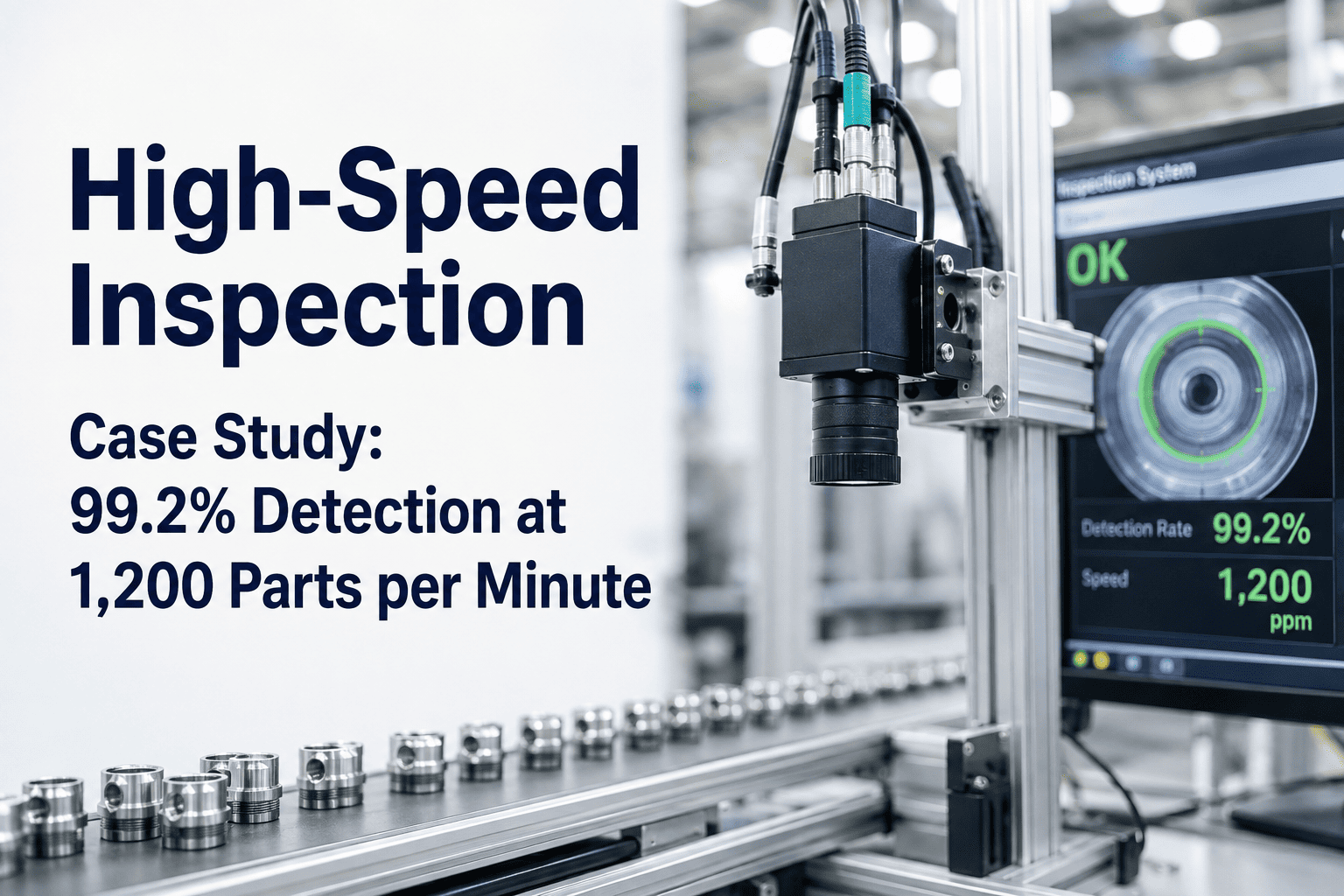
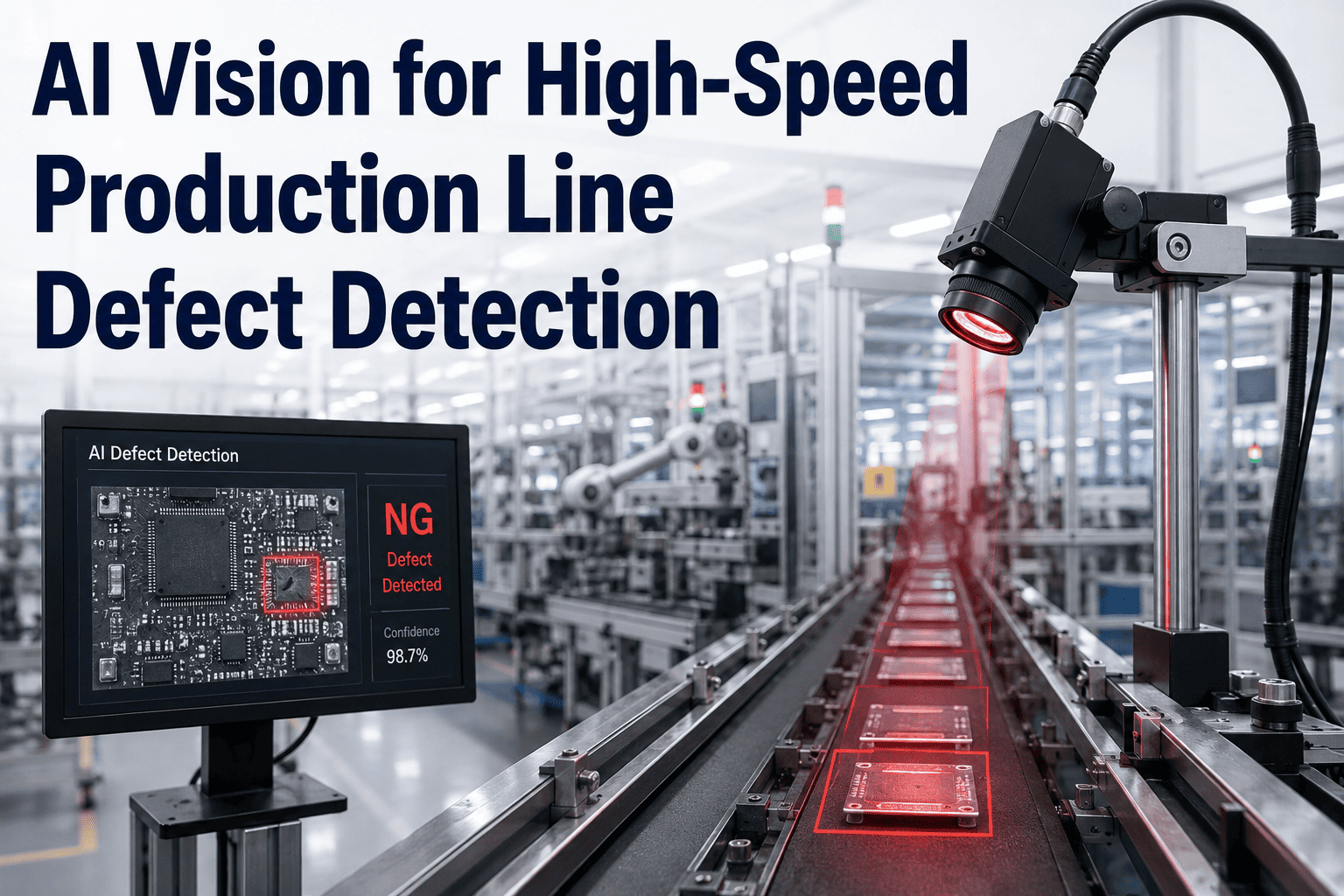
At production speeds measured in thousands of parts per minute, a defect is on and off the inspection point before a fatigued inspector even finishes processing what they saw a second ago. iFactory inspects every single part, at full line speed, with accuracy that holds steady from the first part of the shift to the last.
Why Human Inspection Accuracy Falls Even With Skilled, Motivated Staff
This is not a criticism of inspectors, it is simple human physiology. Sustained visual attention on repetitive, fast-moving targets degrades predictably over time, and the degradation is steeper the faster and more monotonous the task is. Manufacturing quality research has repeatedly found that even well-trained human inspectors catch roughly 70 to 80 percent of visual defects under typical production conditions, with the miss rate climbing further as shift length and line speed increase.
From Camera Frame to Reject Signal in a Fraction of a Second
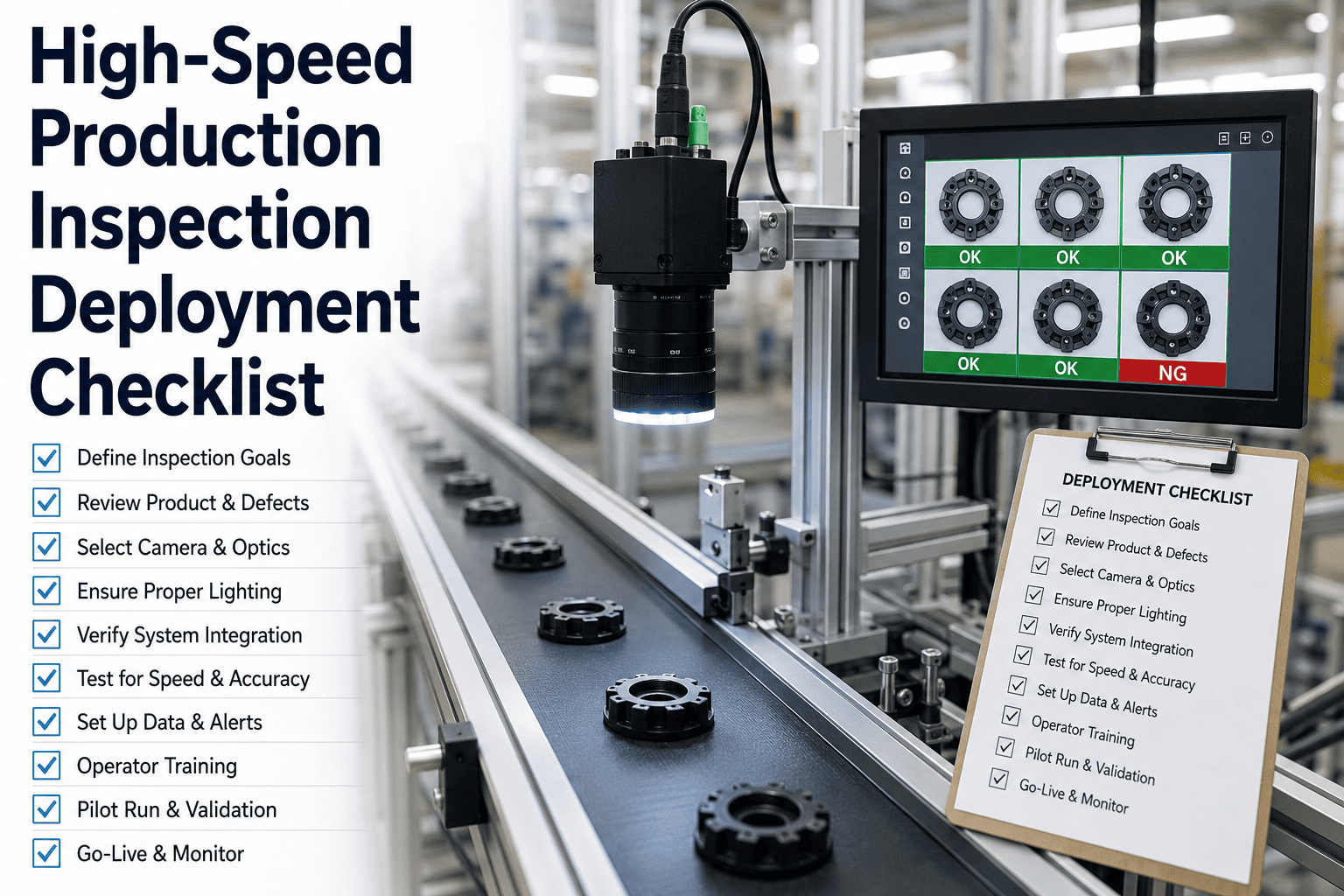
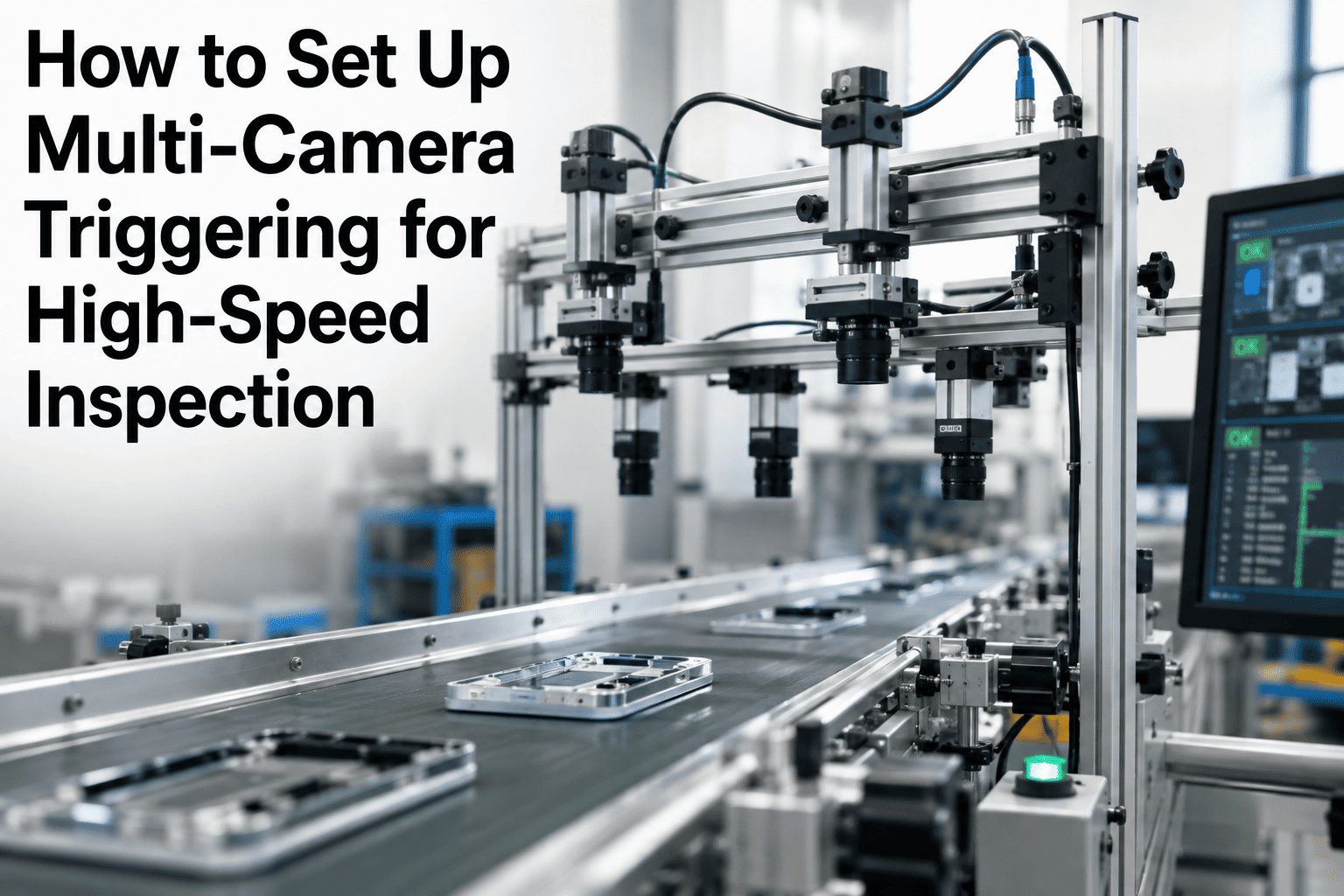
Deploying inspection at production speed is a pipeline problem as much as a vision problem, since every step from image capture to reject actuation has to complete before the part moves out of reach. Understanding the pipeline helps explain why speed and accuracy do not have to trade off against each other the way they do with human inspection.
Every Part That Escapes Inspection Is a Cost You Pay Later
A defect caught at final inspection is inconvenient. The same defect discovered at a customer is expensive, and one discovered after installation or shipment can be far more costly than either. iFactory catches it at the point of production, at full line speed.
The Kinds of Defects High-Speed Vision Catches That Manual Inspection Tends to Miss
| Defect Category | Why It Is Hard to Catch Manually |
|---|---|
| Surface scratches and scuffs | Subtle contrast changes easy to miss at speed under variable lighting |
| Dimensional and profile variance | Requires precise measurement, not just visual judgment, at every part |
| Print and label misalignment | Small offsets that fatigue makes progressively harder to notice |
| Missing or misplaced components | A single missing item among hundreds of identical parts per minute |
| Color and finish inconsistency | Gradual shifts that a fatigued eye adapts to and stops flagging |
Notice that none of these defects are exotic or rare, they are the everyday defect types every production line already deals with. What changes with AI vision is not the defect category, it is the consistency of catching every instance instead of a shrinking percentage as fatigue sets in.
Sampling Inspection Was Always a Compromise, Not a Strategy
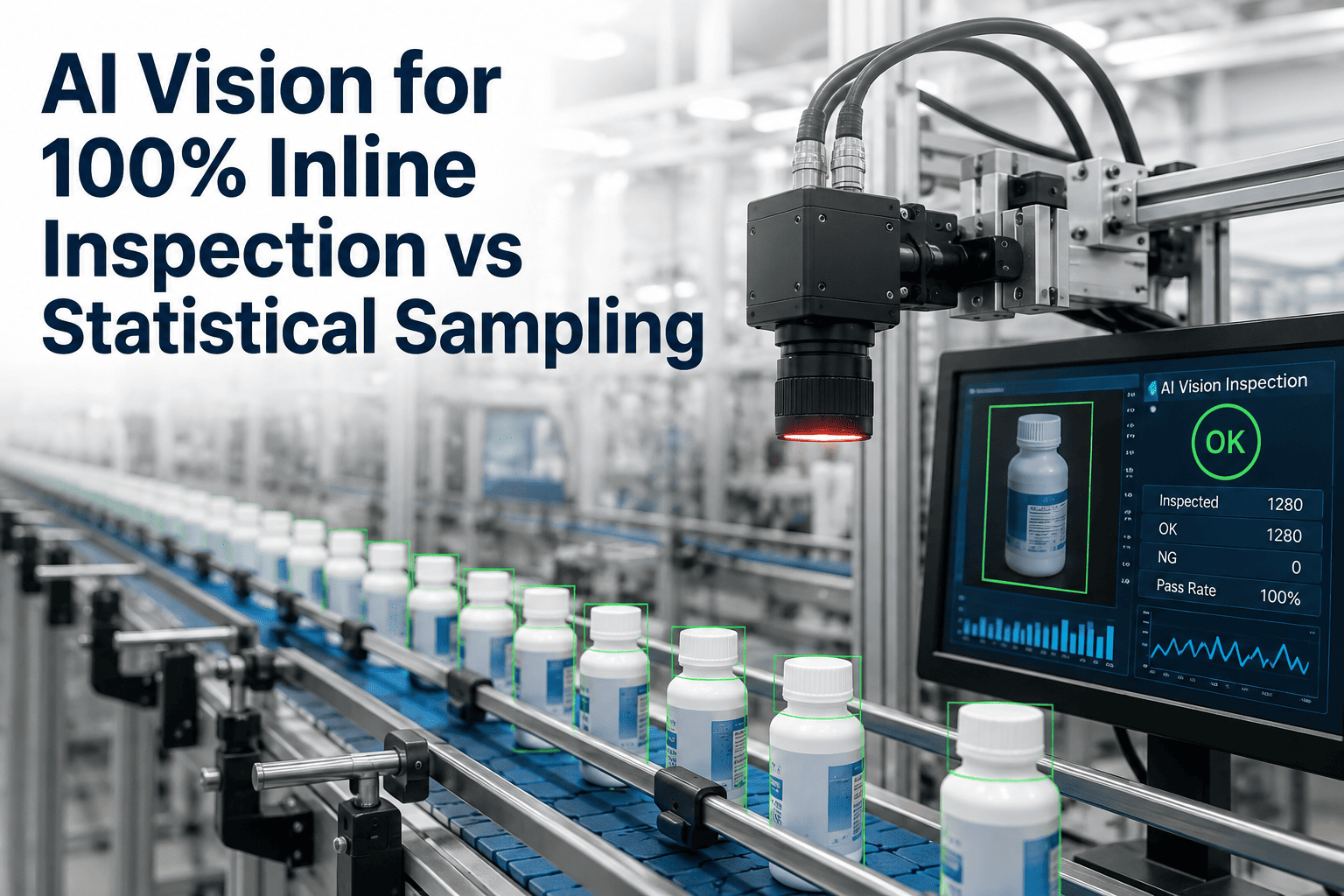
Many high-speed lines historically settled for statistical sampling, inspecting one part in every batch and inferring the quality of the rest, simply because inspecting every single part at full speed was not physically possible with a human workforce. That compromise made sense given the constraint, but it was never actually the goal.
What the Defect Data Is Good For Once It Is Being Captured Anyway
Once a system is inspecting every part and logging every result, that dataset becomes useful for more than triggering a reject mechanism. Facilities running full-speed inspection over time tend to use the accumulated defect data for root cause work that sampling-based inspection could never support.
Common Questions About High-Speed AI Inspection
Can AI vision actually keep up with lines running thousands of parts per minute?
Yes, when the capture hardware and inference pipeline are sized correctly for the specific line speed. High-frame-rate or line-scan cameras paired with dedicated inference hardware are built specifically to process a frame and return a decision within the time window a part remains inspectable, which is a fundamentally different constraint than what a human eye can process. The key is matching hardware capability to the actual throughput of your line during the deployment planning stage. Book a demo to see inspection running live at line speeds comparable to yours.
How much training data is needed before the system reaches reliable accuracy?
The amount of training data needed depends on defect variety and how visually distinct each defect type is from a good part, but most deployments start with a representative sample of both good parts and known defect examples collected over normal production. Accuracy typically improves meaningfully as the system runs in observation mode and edge cases get added to the training set, so the model that goes live on day one is rarely the final version. Contact support to scope a training data plan for your specific defect library.
What happens with defects the system has never seen before?
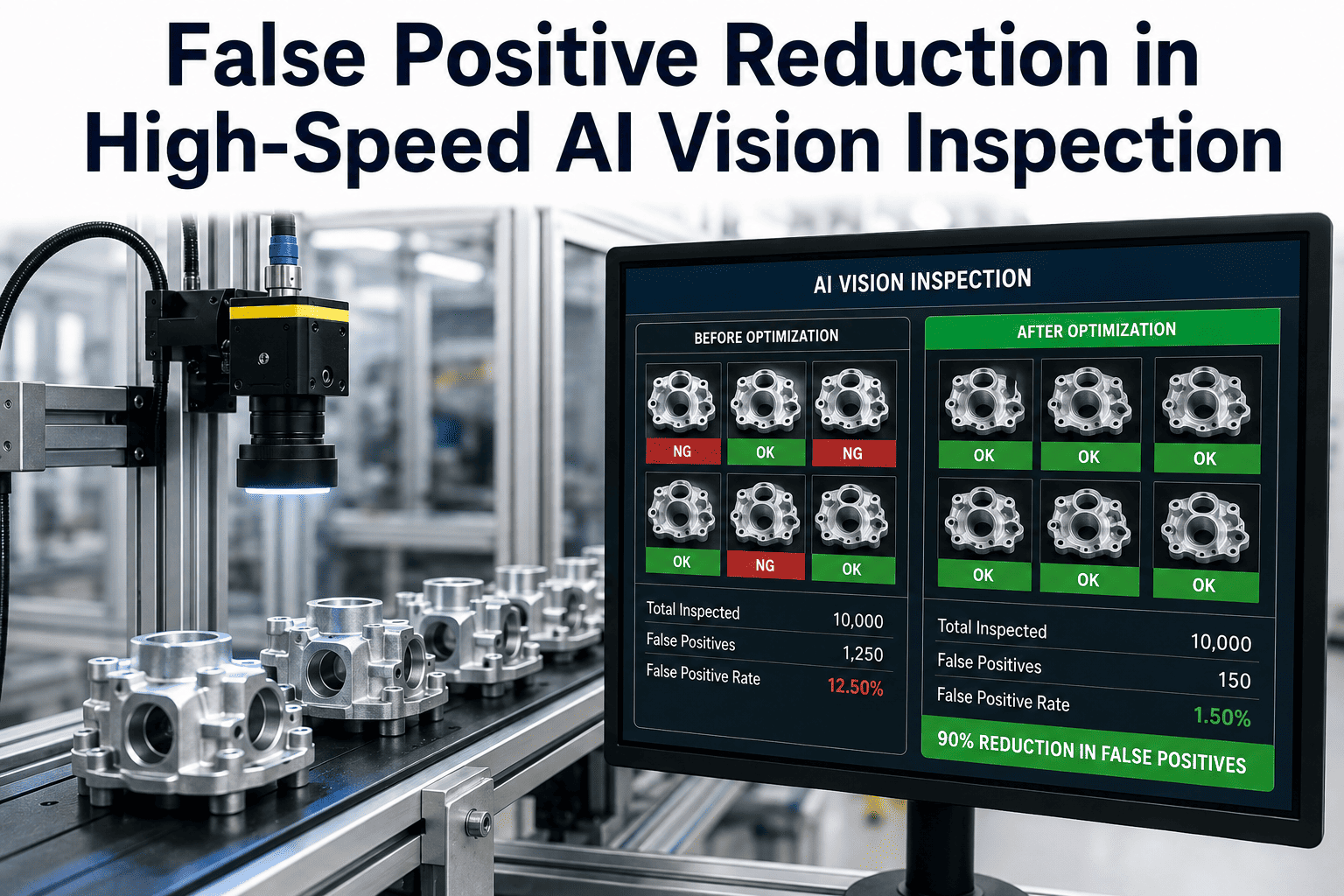
Confidence scoring is the key mechanism here, since a well-tuned system routes low-confidence detections, including novel defect patterns it was not explicitly trained on, to human review rather than silently passing them. Over time, these reviewed edge cases get folded back into training data, gradually expanding what the model reliably recognizes on its own. This is a meaningfully safer failure mode than a fatigued human inspector who may not notice an unfamiliar defect pattern at all. Book a demo to see how confidence-based routing works on a live line.
Does this replace quality inspectors entirely?
Most facilities shift inspector roles rather than eliminate them, moving skilled staff away from the repetitive, fatiguing task of watching every part pass by and toward reviewing flagged edge cases, investigating root causes of recurring defect patterns, and validating system accuracy. This tends to be a better use of experienced inspectors' judgment than asking them to sustain peak visual attention for an entire shift. Contact support to discuss how inspection roles typically evolve after deployment.
Inspect Every Part, Not Just the Ones a Tired Eye Catches
iFactory brings consistent, full-speed visual inspection to your production line, catching the defects that slip past manual inspection long before they reach a customer.