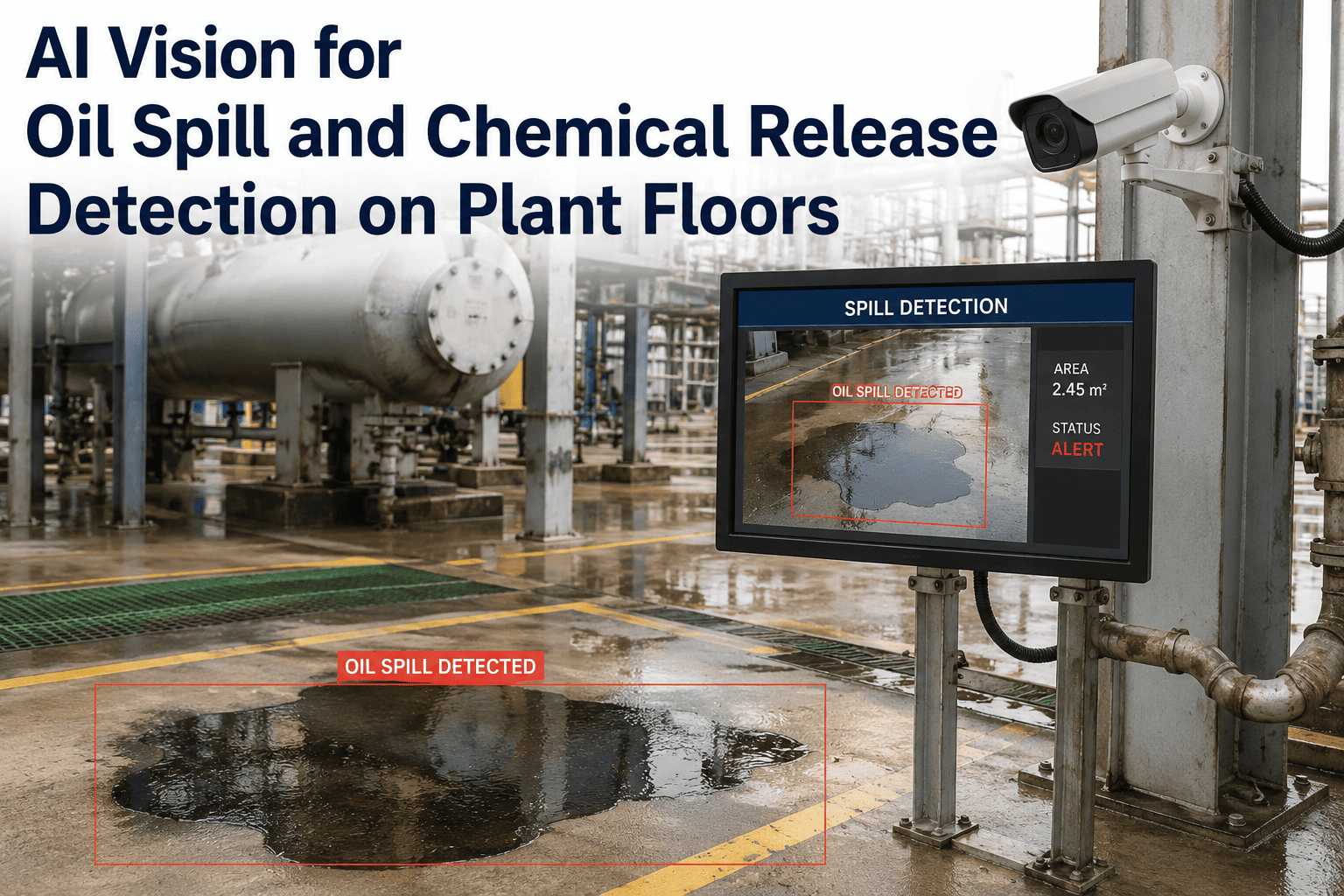
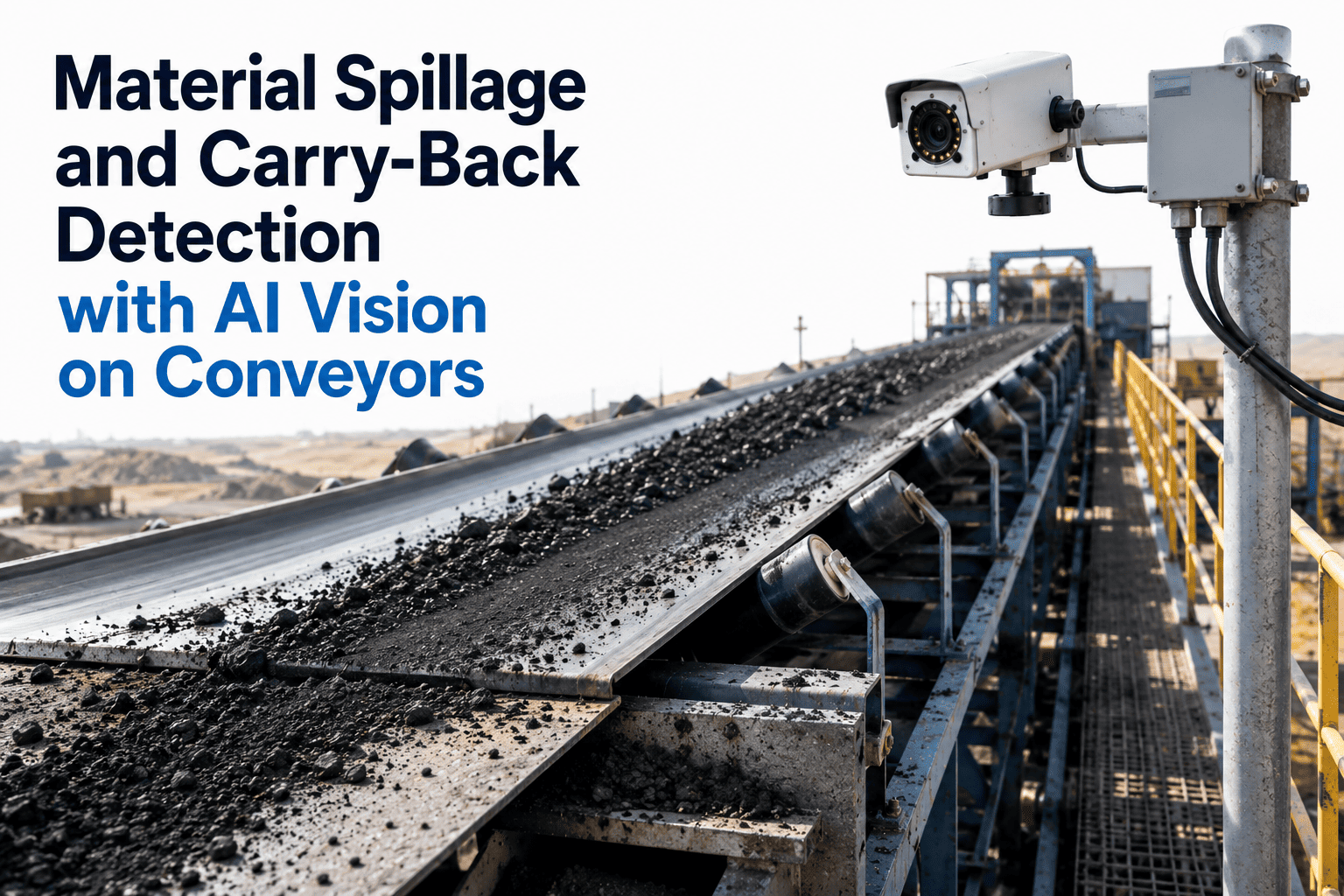
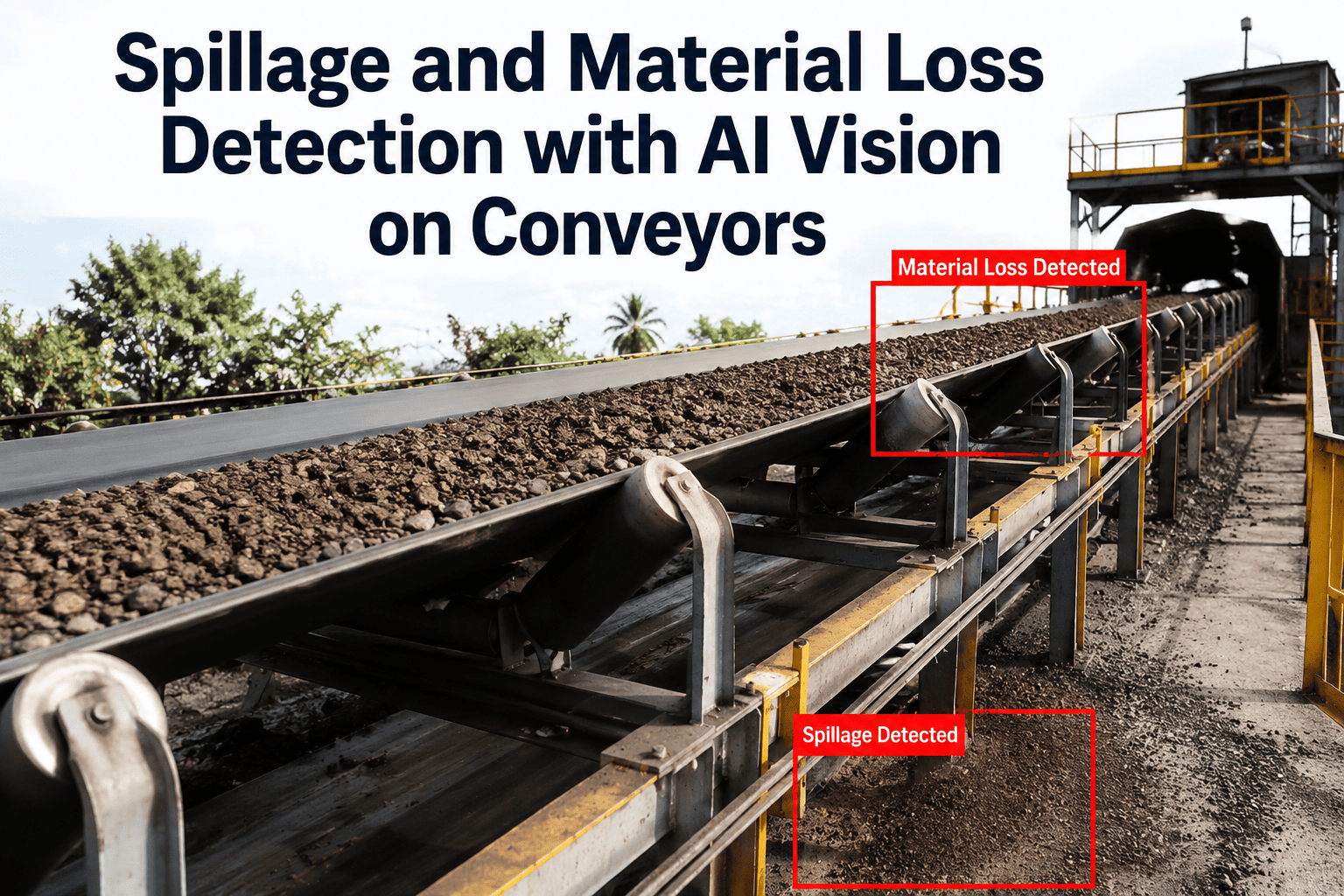
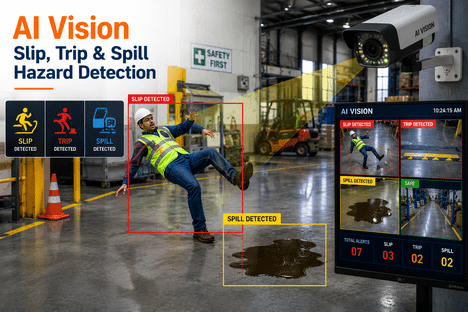
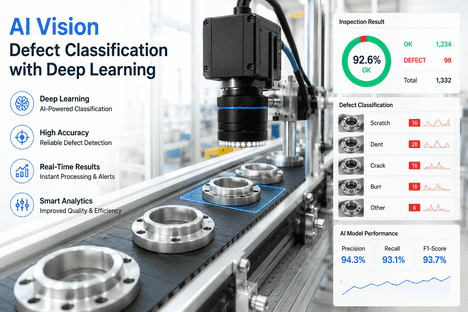
AI vision process spill and spatter detection gives manufacturing and process operations a way to catch material loss, weld spatter, and process overflow events the moment they happen — rather than discovering them after a shift ends, a quality audit runs, or a safety incident forces an investigation. Process spills and spatter are a persistent source of hidden cost across welding, casting, filling, coating, and chemical dosing operations: material that misses its intended target represents direct yield loss, an unplanned cleanup task, and in many cases a slip, contamination, or fire hazard that compounds the cost well beyond the value of the lost material itself. Manual oversight of these events depends on an operator happening to be looking at the right place at the right moment, or on a downstream quality check catching the consequence of a spill long after the material has already been wasted and the area has already become a hazard. iFactory's AI vision anomaly detection platform closes this gap by continuously watching process zones — weld cells, fill stations, dosing lines, casting operations, and material transfer points — and classifying spill and spatter events in real time, triggering immediate alerts and automated cleanup work orders before the material loss accumulates or the hazard escalates.
Why Spills and Spatter Are an Underestimated Cost Driver
The Compounding Cost of Material Loss That Goes Unnoticed Until Cleanup
A single spill or spatter event rarely looks costly in isolation — a small puddle near a fill nozzle, a scatter of weld spatter on a fixture, a brief overflow during a dosing cycle. The actual cost compounds across three dimensions that most facilities never measure in aggregate. The first is direct material loss: every liter, kilogram, or unit that lands outside its intended target is lost product that was already paid for in raw material, energy, and processing time. The second is the labor cost of reactive cleanup, which is consistently higher than planned housekeeping because it interrupts a technician's current task, requires locating cleanup materials on short notice, and often happens after the spill has already spread or dried, making it harder to remove. The third and most consequential is the downstream risk a spill or spatter event creates before it is cleaned — a slip hazard near a walkway, weld spatter that becomes an ignition source near combustible material, or a chemical spill that triggers a containment and reporting obligation if it reaches a drain or waterway. Facilities that only address spills reactively, after a complaint, an inspection finding, or an incident, are systematically underestimating this cost because the connection between an individual spill event and its full downstream cost is rarely tracked. iFactory's AI vision camera platform changes this by detecting and logging every spill and spatter event continuously, building the data record that finally makes the true scale of this cost visible to operations and quality leadership. Teams who want to quantify this exposure for their own facility can Book a Demo with iFactory's engineering team.
What iFactory's AI Vision Platform Detects Across Process Environments
Spill, Spatter, and Material Loss Categories Covered by the Detection Model
From Detection to Automated Cleanup Response
How iFactory Converts a Detected Spill Into a Dispatched Corrective Action
iFactory Spill and Spatter Detection Coverage by Process Type
Detection Method, Risk Profile, and Automated Response Per Application
| Process Type | Primary Risk | Detection Approach | Automated Response |
|---|---|---|---|
| Welding Operations | Fixture contamination, fire risk, process drift | Visual spatter pattern and accumulation classification | Process deviation alert and fixture cleaning work order |
| Liquid Fill & Dosing | Product loss, container contamination, line stoppage | Fill-zone boundary overflow detection per cycle | Immediate line alert and fill-head inspection trigger |
| Casting & Pouring | Severe burn hazard, equipment damage, material loss | Thermal and visual pour-zone monitoring | Immediate safety alert and containment dispatch |
| Material Transfer Points | Chronic housekeeping cost, walkway hazard | Continuous accumulation trend monitoring | Scheduled cleanup and mechanical adjustment alert |
| Chemical & Process Fluids | Environmental exposure, regulatory reporting, slip hazard | Floor and surface fluid accumulation detection | Immediate containment alert with compliance log entry |
Industries Where Continuous Spill and Spatter Detection Delivers the Most Value
Cross-Industry Applications Spanning Discrete Manufacturing, Process Industries, and Heavy Industrial Operations
Spill and spatter detection delivers measurable value across virtually every industry that handles liquids, molten material, or particulate in motion. In automotive and heavy equipment manufacturing, weld spatter and coolant or hydraulic fluid leak detection across robotic welding cells and machining centers reduces both fixture maintenance burden and the slip and fire hazards that accumulate in high-throughput production environments. In food and beverage processing, fill-line overflow detection protects yield on high-value liquid products and supports the sanitation standards that food safety programs require, since spilled product on a production floor is both a waste and a contamination control issue. In metals and foundry operations, pour and casting spill detection addresses one of the most acute safety risks in any manufacturing environment, where a missed molten metal spill can cause severe injury within seconds. In chemical and pharmaceutical manufacturing, process fluid spill detection supports both EHS compliance obligations and the containment response time that regulatory frameworks increasingly expect facilities to document. In bulk material handling and mining operations, conveyor and transfer point spillage detection addresses the chronic material loss and housekeeping cost that accumulates across large facilities where manual inspection coverage of every transfer point is impractical. Facilities in any of these categories evaluating deployment for their specific process layout can Book a Demo with iFactory's engineering team for a site-specific camera placement and detection configuration review.
Frequently Asked Questions
How does iFactory distinguish a genuine spill from normal process residue or splashing?
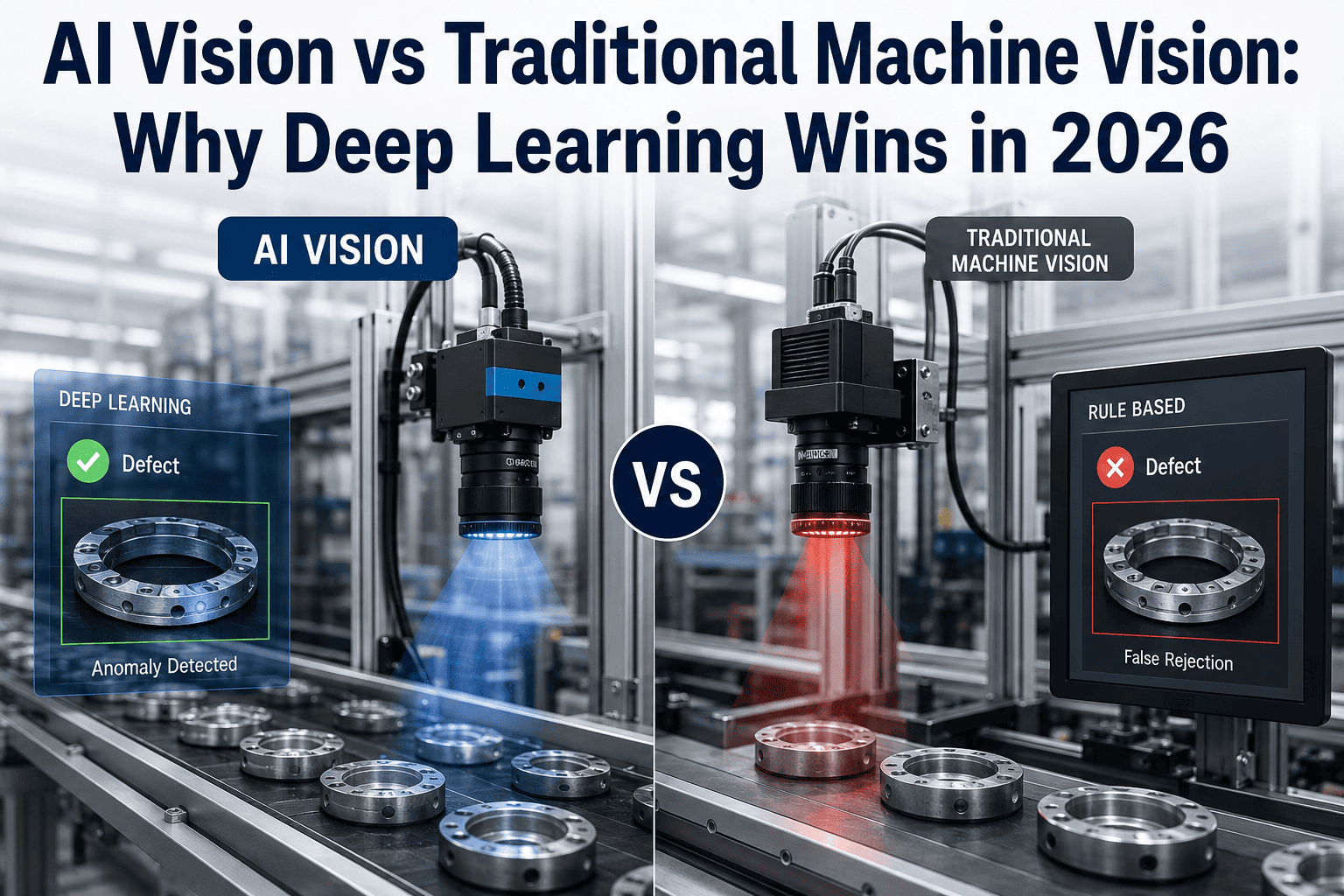
iFactory's deep learning models are trained on environment-specific baseline conditions established during an initial calibration period at deployment. The model learns the normal visual appearance of each monitored process zone under standard operating conditions — including expected minor residue or splash patterns that are part of normal process variation — and classifies genuine spill or spatter events based on deviation from that baseline, combined with severity factors such as volume, spread rate, and location relative to hazard zones. This environment-specific calibration is what allows the system to maintain high detection accuracy while avoiding the alert fatigue that a generic, uncalibrated detection model would generate in a process environment with inherent visual variability.
Can the platform detect both liquid spills and dry material spillage such as powder or granular product?
Yes — iFactory's detection models are trained separately for liquid spill signatures and dry or particulate material spillage, since the two present meaningfully different visual characteristics in terms of spread pattern, reflectivity, and accumulation behavior over time. For facilities handling both liquid and dry materials across different process zones, the platform applies the appropriate detection model to each monitored camera position based on the material type and process configuration defined during deployment, ensuring accurate classification regardless of which material category is present at a given monitoring point.
How quickly does a detected spill or spatter event turn into a dispatched cleanup work order?
When an event crosses the configured action threshold, iFactory generates a structured work order in the connected CMMS or facility management system within seconds of classification — with no manual review step required for standard severity events. The work order includes the camera image, location, event classification, and severity grade, and is routed to the nearest available housekeeping or maintenance resource through the existing notification channels configured during deployment, whether that is a CMMS mobile app, SMS alert, or in-app notification. High-severity events that pose an immediate safety risk are configured to escalate directly to the safety team in parallel with the standard cleanup work order.
Does iFactory's spill detection integrate with existing CMMS and quality management systems?
Yes — iFactory integrates with CMMS platforms, EHS management systems, and quality management systems through OPC-UA and REST API connections. Detected spill and spatter events generate work orders in the facility's existing CMMS for cleanup and corrective action tracking, while trend data on recurring events at specific process stations can feed into quality and engineering systems to support root cause investigation and process correction initiatives. Integration is configured during deployment to match the specific work order fields and asset structure of the facility's existing systems.
How long does deployment of AI vision spill and spatter detection take, and is a pilot available?
iFactory typically structures initial engagements as a turnkey pilot covering a small number of priority process zones, allowing the facility to validate detection accuracy and the cleanup dispatch workflow before scaling to a full-facility deployment. Camera installation and edge AI configuration for a pilot are generally completed within two to three weeks, followed by a calibration period during which the system establishes the process-specific baseline for each monitored zone. Most facilities observe measurable detection events and a clear before-and-after comparison on cleanup response time within the first month of a pilot. Facilities interested in starting a pilot can Book a Demo to scope the specific process zones and timeline.