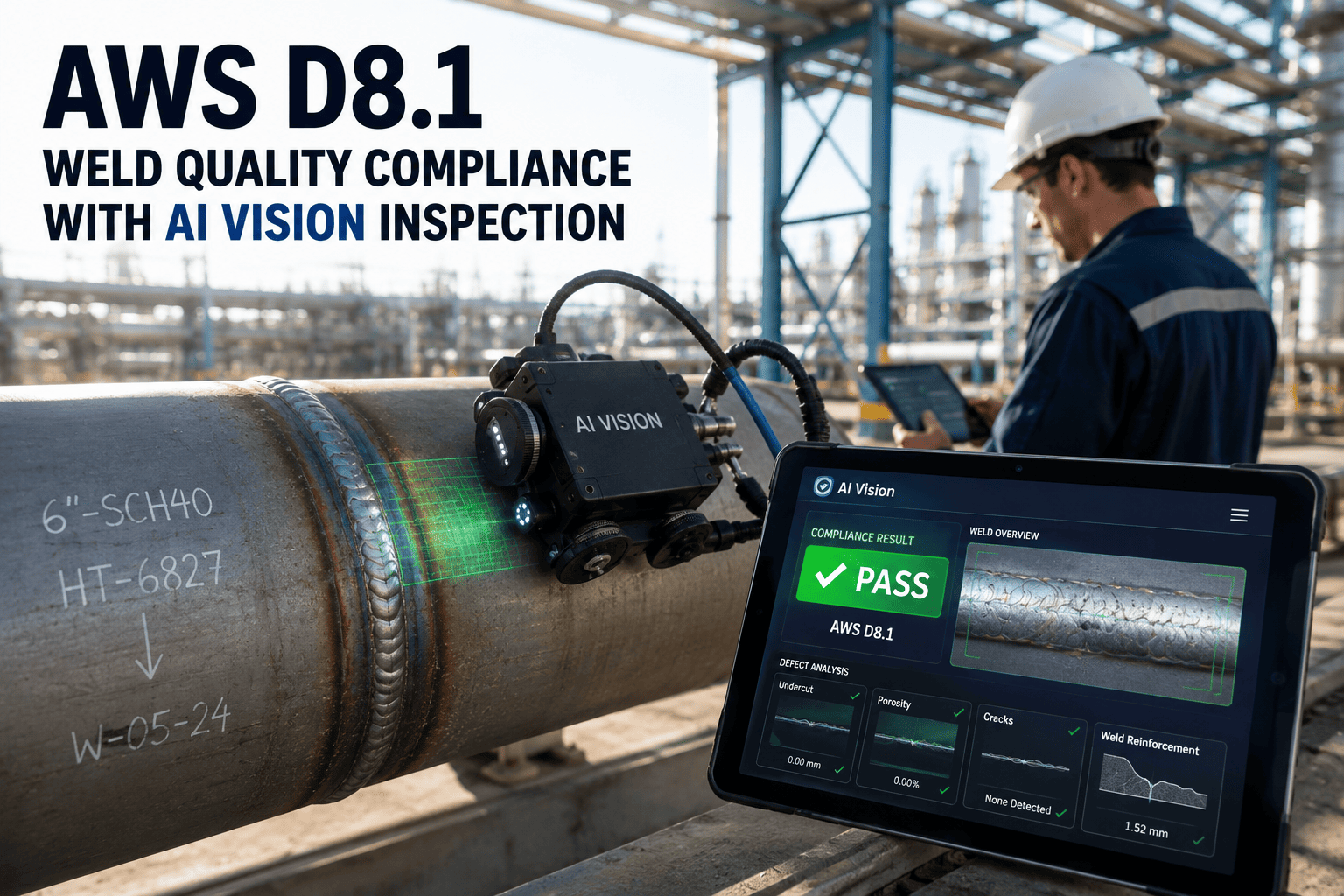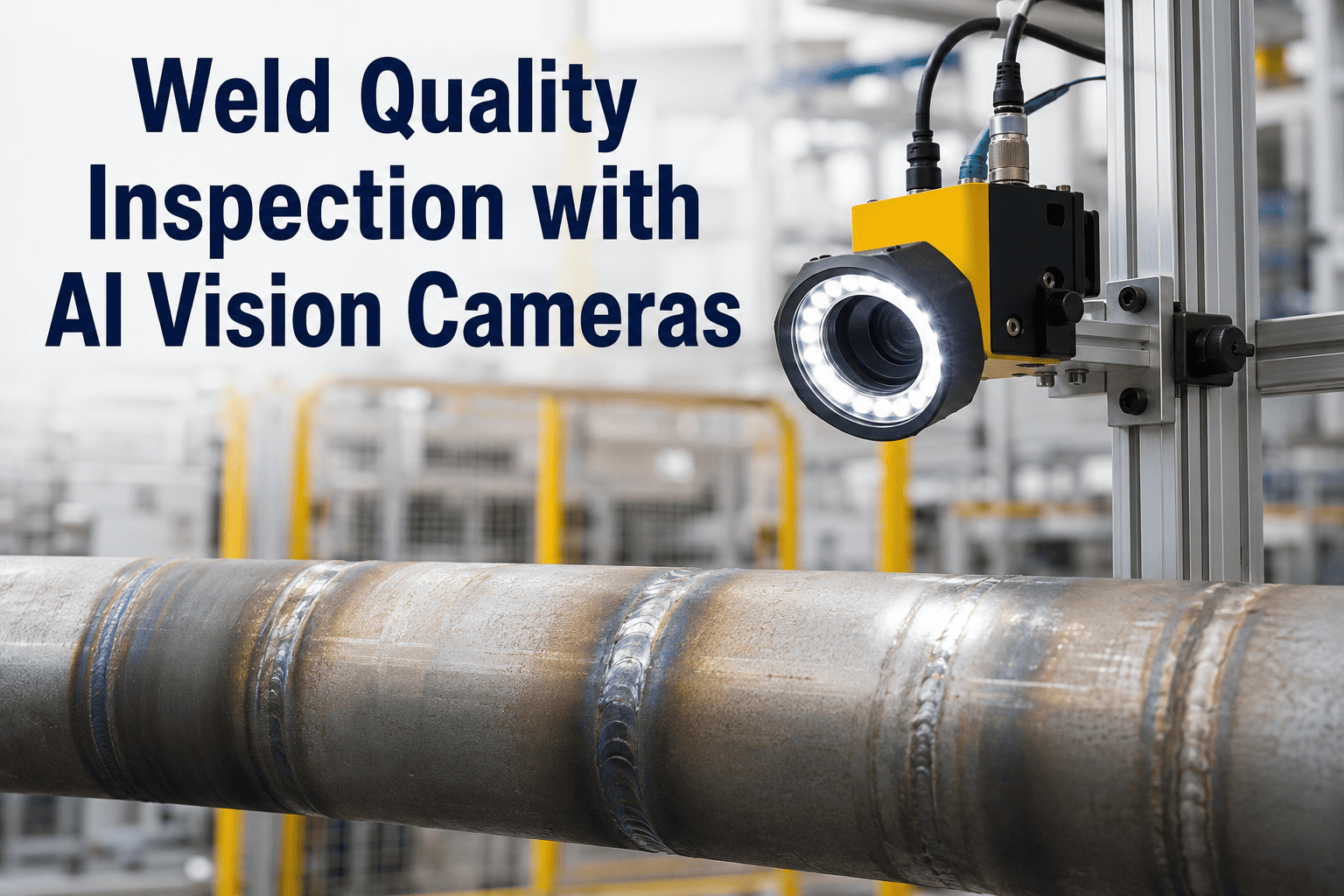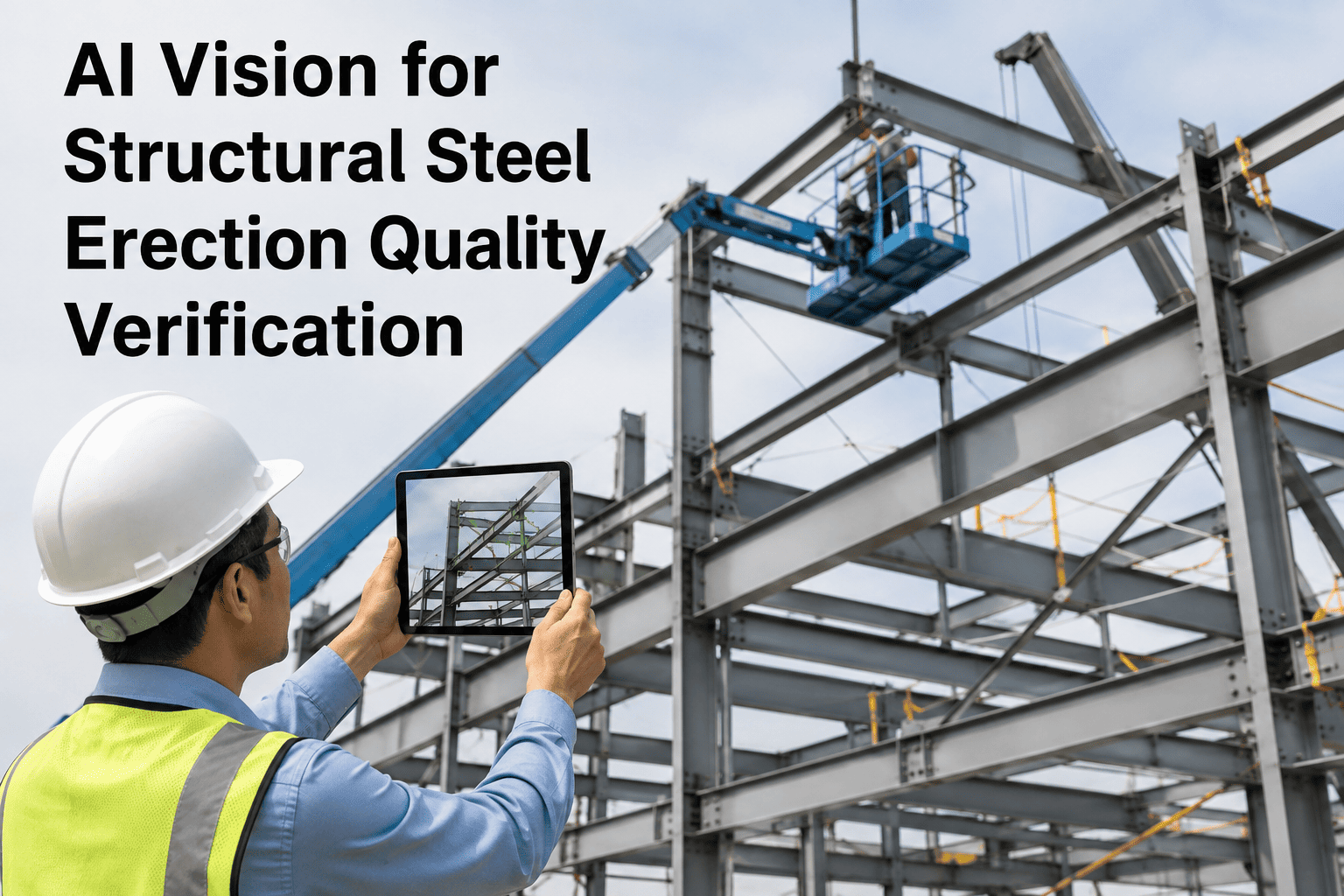
A steel column that's a quarter inch out of plumb at the base doesn't stay a quarter inch out of plumb. It compounds, floor after floor, until the bolt holes on the twentieth level don't line up with anything unless someone forces them. AISC 303 caps that drift at 1/500 of the height above the base, which sounds tight until you realize a twenty-story frame can still legally accumulate roughly two inches of lean at the top if every floor sits right at the edge of tolerance. Erection crews rarely have the time or the instrumentation to catch that drift as it's forming, only after a beam won't seat or a bolt won't start. iFactory's AI cameras check plumbness, bolt alignment, and connection fit-up at every lift, not just at the end of the sequence.
Every Floor You Erect Without Checking Adds To A Lean You Won't See Until It's Too Late
AI vision checks column plumbness, bolt hole alignment, and connection fit-up against AISC 303 tolerances at each lift, catching drift while a shim or a re-set is still cheap and the crane is still on the piece.
Individually Acceptable Tolerances Can Still Add Up To A Structural Problem
This is the part that catches erection teams off guard: no single floor has to be out of spec for the building to end up out of spec. A column can be within its individual plumbness tolerance at every level and still accumulate enough drift over twenty stories that elevator rails, curtain wall systems, and mechanical shafts can't accommodate the total lean at the top. AISC 303 Section 7.13 addresses exactly this by capping cumulative out-of-plumb, but a field crew checking each floor in isolation has no easy way to see the running total without dedicated survey equipment and time nobody has scheduled for it.
Four Failure Points That Show Up At The Bolt, Not On The Drawing
A connection detail on paper assumes every upstream tolerance was held. In practice, mill tolerance from rolling, fabrication tolerance from cutting and drilling, and erection tolerance from setting each add their own small error, and those errors don't cancel out, they stack. By the time a beam is hanging from the crane waiting to be bolted in, whatever tolerance was available has usually already been spent somewhere upstream.
Standard bolt holes are typically sized just a couple of millimeters larger than the bolt diameter, which means there's very little room in the connection itself to absorb accumulated error before someone has to intervene. Oversized or slotted holes are common precisely because they give erectors a bit more room to work with, but even those have a limit, and once accumulated tolerance from mill, fabrication, and prior erection stages exceeds what the hole clearance can absorb, the crew is left choosing between field reaming, which can affect the connection's rated capacity if done outside the original specification, or requesting an engineering disposition before proceeding.
Bolt Hole Mismatch
Connection holes that don't line up force field reaming or drilling, which can weaken the connection if not done to the original specification.
Connection Fit-Up Gaps
Beam ends that don't seat flush against the connection create gaps that must be shimmed or the member re-cut, both of which delay the sequence.
Camber Mismatch
A cambered beam meeting a flat connection detail creates a fit-up problem that often isn't caught until the piece is already in the air.
Out-Of-Sequence Bracing
Temporary bracing installed out of the planned sequence can let a frame lean before permanent connections are complete, compounding plumbness error.
You Can't Fix Drift You Didn't Know Was Accumulating
iFactory's cameras track plumbness and bolt alignment against AISC 303 tolerances at every lift, giving the erection crew a running total instead of a floor-by-floor guess, so drift gets corrected while the crane is still on the piece.
A Survey Crew Checks A Point In Time. A Camera Checks Every Lift.
Traditional plumbness verification relies on a survey crew with a transit or total station, scheduled at specific milestones rather than continuously. That works, but it means drift between survey checkpoints goes unmeasured until the next scheduled pass, by which point several more members may have gone up on top of an already-drifting column.
| Verification Point | Scheduled Manual Survey | Continuous AI Vision Check |
|---|---|---|
| Column Plumbness | Checked at milestone floors, gaps between checks | Checked at every lift as the member is set |
| Bolt Hole Alignment | Visual check before bolting, no measured record | Measured against connection detail, logged automatically |
| Connection Fit-Up | Fitter's judgment on gap acceptability | Gap measured against AISC 303 fit-up tolerance |
| Cumulative Drift Tracking | Recalculated manually across survey points | Running total maintained automatically floor to floor |
From Piece In The Air To Logged, Tolerance-Checked Connection
The workflow is built to run inside the actual erection sequence, not alongside it. Every lift already has a natural pause while the piece is aligned and bolted, and that's the window the verification uses.
Member Is Set And Imaged
As the piece is positioned by the crew, cameras capture the connection area and the member's orientation relative to the structure already in place.
Plumbness Is Measured
Column plumbness is measured against the theoretical line and checked against both the individual floor tolerance and the cumulative running total for the structure.
Bolt Holes Are Checked Against The Connection Detail
Hole position and pattern are compared to the shop drawing for that connection, flagging mismatch before the crew forces a bolt through a hole that isn't aligned.
Fit-Up Gap Is Measured
Any gap between the member and the connection is measured against the applicable fit-up tolerance, distinguishing an acceptable gap from one that needs a shim or a field fix.
Result Is Logged To The Running Record
Every measurement is logged against the specific connection and added to the cumulative plumbness record, so the crew always knows where the structure sits relative to the AISC 303 limit before the next piece goes up.
Erection Inherits Every Error That Came Before It
Plumbness and alignment problems on site often didn't start on site. Mill tolerance from the rolling process, fabrication tolerance from cutting and drilling, and transportation or storage deformation on long-span members all consume part of the total tolerance budget before a piece is ever lifted, which is why erection-stage verification needs to catch problems the fabricator's own inspection may have missed or that only became visible once the piece was actually loaded into the structure.
Mill Tolerance
Cross-section, straightness, and length variation from the rolling process itself, governed by ASTM A6 rather than the fabricator's own process control.
Fabrication Tolerance
Variation introduced during cutting, drilling, and welding in the shop, which AISC 303 governs separately from mill tolerance.
Transport And Storage Deformation
Long-span members can deform if not properly supported during shipping or yard storage, showing up only once the piece is set and loaded.
Erection Tolerance
The final layer of variation added when the piece is actually positioned and connected, the only stage where correction is still relatively cheap.
Structural Steel Is A Late Adopter Of A Verification Approach Already Standard Elsewhere
Computer vision for quality assurance and inspection already represents the largest application segment inside the broader machine vision market, and construction is now applying that same discipline to processes that have historically relied on a survey crew's scheduled visit. The AI in construction market was valued at roughly 5.1 billion dollars in 2025 and is projected to grow at a compound annual rate above 26 percent over the following decade, with real-time compliance and reduced field rework cited among the leading drivers of adoption. Steel erection is a natural fit for this shift because the cost curve is so steep: a bolt hole mismatch caught while the crane is still on the piece costs a few minutes, while the same mismatch discovered floors later after the crane has moved on requires remobilization, field drilling, and in some cases an engineering review of the affected connection.
Fabricators and erectors that have adopted digital verification tools report that the biggest gains come not from catching dramatic errors, since those are usually visible anyway, but from catching the accumulation of small, individually acceptable variances that only become a problem once they stack across many floors or many connections. That's precisely the category of error a scheduled manual survey structurally cannot catch as it happens, because by design it only samples the structure at specific milestones rather than continuously.
The economics also favor catching this early for a reason specific to steel: once a bolted connection is torqued and accepted, revisiting it for a tolerance problem usually means backing out high-strength bolts that were tensioned to a specific value, which is itself a controlled procedure with its own inspection requirements. A connection that has to be reopened for a fit-up correction isn't just a scheduling delay, it's a second pass through a bolting inspection process that was already supposed to be finished, which is part of why the cost of a late-caught erection error tends to run well beyond the visible cost of the physical rework alone.
Built Around The Structures Where Cumulative Error Actually Matters Most
Multi-Story Steel Frames
Cumulative plumbness tracking across every floor, where the AISC 303 L/500 limit is the governing constraint on the whole structure.
Long-Span Roof Structures
Camber and fit-up verification on trusses and long-span beams, where transportation deformation is most likely to surface at erection.
Moment Connection Frames
Tighter bolt alignment and fit-up checks on connections where AISC 341 seismic detailing adds requirements beyond a standard gravity connection.
Column Base Plate Installation
Anchor bolt position verification against the ±6mm AISC 303 tolerance before the column is set, catching embedment errors before they become erection problems.
Common Questions From Erection Superintendents And QC Managers
Catch The Drift While The Crane Is Still On The Piece
iFactory checks plumbness, bolt alignment, and connection fit-up against AISC 303 tolerances at every lift, giving your erection crew a running record instead of a floor-by-floor guess. Book a demo and see it run against your own connection details.